

When your furry friend comes home from surgery, you’re probably wondering what you can do to help them bounce back faster—and post-surgery supplements for pets might be exactly what the vet ordered. The recovery period after surgical procedures is critical, and the right nutritional support can make a world of difference in how quickly your pet heals and returns to their normal, chaotic self.
Surgery is rough on pets. Their bodies are working overtime to repair tissues, manage inflammation, and rebuild strength. That’s where supplements come in as your secret weapon. Let’s dive into the five essential ways these recovery boosters can help your pet get back to chasing squirrels (or napping, depending on their personality).
1. Omega-3 Fatty Acids: The Anti-Inflammatory Powerhouse
If there’s a MVP in the post-surgery supplement lineup, omega-3 fatty acids are absolutely it. These essential nutrients are like little healing ninjas, working behind the scenes to reduce inflammation and support tissue repair. After surgery, your pet’s body is dealing with inflammation as part of the healing process—and while some inflammation is necessary, excessive swelling can slow recovery.
Omega-3s help regulate your pet’s inflammatory response, which means less swelling, less pain, and faster healing. Fish oil supplements are the most common source, packed with EPA and DHA—the two heavy hitters your pet needs. Many vets recommend starting omega-3 supplementation a few days before surgery and continuing for several weeks afterward.
The best part? Omega-3s also support joint health, cognitive function, and skin quality. Your pet gets post-surgery benefits plus long-term wellness perks. It’s like getting a two-for-one deal at your favorite pet store, except actually healthy.
2. Probiotics: Restoring Gut Health After Anesthesia
Here’s something most people don’t think about: anesthesia and post-operative antibiotics can absolutely wreck your pet’s digestive system. The beneficial bacteria in their gut get decimated, leading to digestive upset, loose stools, and nutrient absorption issues when your pet needs optimal nutrition the most.
This is where liquid probiotics for pets become your new best friend. Probiotics repopulate your pet’s gut with good bacteria, restoring digestive balance and improving nutrient absorption. A healthy gut means better immune function, which is absolutely critical during recovery.
If your pet has a sensitive stomach, probiotics are even more important. Consider multi-strain probiotics for pets to ensure you’re getting a diverse range of beneficial bacteria. Some pets respond better to powder probiotics for cats or dogs—they’re easy to mix into food and often more palatable than capsules.
3. Protein and Amino Acids: Building Blocks for Tissue Repair
Your pet’s body needs raw materials to rebuild tissue, and protein is the fundamental building block. Post-surgery recovery demands increase your pet’s protein requirements significantly. While their regular diet might contain adequate protein for maintenance, it’s often insufficient for active healing.
Amino acid supplements, particularly those containing arginine and glutamine, are specifically beneficial after surgery. Arginine supports wound healing and immune function, while glutamine helps maintain gut integrity and provides energy for immune cells. Together, they create an environment where tissue repair happens faster and more efficiently.
This isn’t about bulking up your pet—it’s about giving their body the exact nutrients needed to rebuild what was damaged. Think of it as nutritional scaffolding for healing.
4. Vitamin C and E: Antioxidant Support for Cellular Healing
Surgery creates oxidative stress in your pet’s body. Free radicals are produced during the inflammatory response, and while some inflammation is necessary, excessive oxidative stress can slow healing and increase pain. Antioxidant vitamins like C and E neutralize these free radicals, protecting cells from further damage.
Vitamin C is particularly important for collagen synthesis—the protein that forms the structural basis of skin, tendons, and ligaments. If your pet had orthopedic surgery, vitamin C becomes even more critical. Vitamin E works synergistically with vitamin C, providing additional cellular protection.
The combination creates a powerful antioxidant defense system that accelerates healing at the cellular level. Your vet might recommend specific dosages based on your pet’s size and the type of surgery performed.
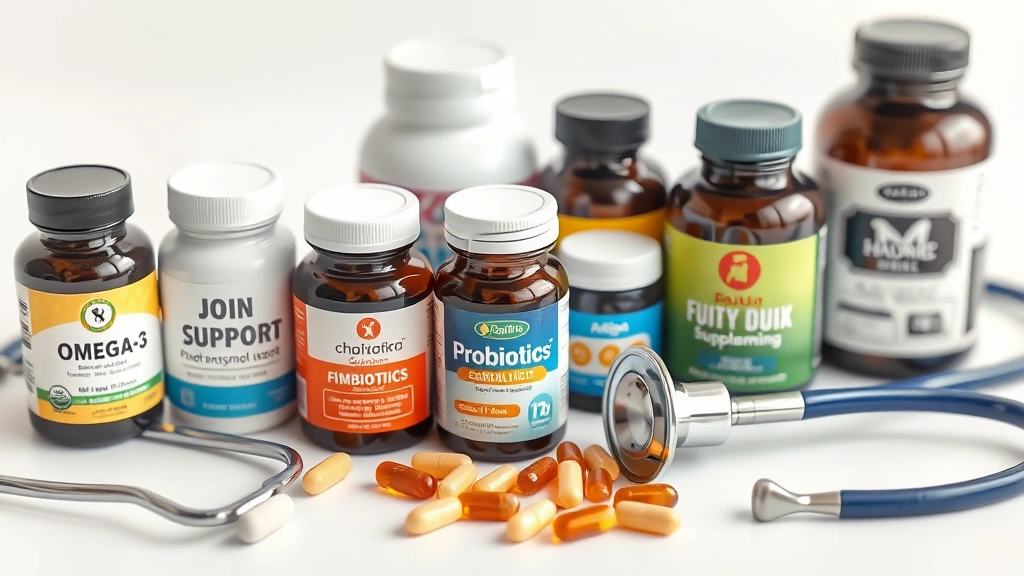
5. Joint Support Supplements: Critical for Orthopedic Recovery
If your pet had orthopedic surgery—whether it’s a torn ACL, hip dysplasia repair, or fracture treatment—joint support supplements become absolutely essential. Glucosamine and chondroitin work together to support cartilage health and reduce joint inflammation.
MSM (methylsulfonylmethane) is another powerhouse ingredient that supports connective tissue health and has natural anti-inflammatory properties. These supplements don’t just help with post-operative recovery; they also prevent future joint problems and improve mobility long-term.
Many pets on joint support supplements show improved comfort within weeks, reduced limping, and better range of motion. Combined with physical rehabilitation exercises recommended by your vet, these supplements can mean the difference between a pet that fully returns to normal activity and one that remains somewhat limited.
The Timeline: When to Start and Stop Supplementation
Your vet will provide specific recommendations, but generally, you can start certain supplements a few days before surgery to build up levels in your pet’s system. Post-surgery, most supplements continue for 4-8 weeks, depending on the type of surgery and your pet’s individual healing rate.
Omega-3s and probiotics are typically safe to continue long-term, providing ongoing health benefits. Others, like high-dose vitamin C, might be recommended only during the acute recovery phase. This is definitely a conversation to have with your veterinarian—they know your pet’s specific situation better than anyone.
Quality Matters: Choosing the Right Supplements
Not all supplements are created equal. The pet supplement industry isn’t as heavily regulated as pharmaceuticals, which means quality varies dramatically. Look for products that have been third-party tested, contain clear ingredient lists, and come from reputable manufacturers.
Your vet might recommend specific brands they trust, or you can check resources like the AAFCO (Association of American Feed Control Officials) for quality standards. Cheaper supplements often contain fillers and lower bioavailability, meaning your pet doesn’t actually absorb and benefit from the active ingredients.
Investing in quality supplements is investing in faster, more complete recovery. Your pet’s health is worth the extra few dollars.
Potential Side Effects and Safety Considerations
While post-surgery supplements are generally safe, some pets experience mild digestive upset when starting new supplements. This is especially true with probiotics—the die-off of bad bacteria can cause temporary loose stools. Starting with smaller doses and gradually increasing helps minimize this.
Some supplements can interact with medications or anesthesia, which is why pre-surgery communication with your vet is crucial. Blood thinners like omega-3s might need to be paused before surgery. Certain supplements can affect how medications are metabolized in your pet’s body.
Your vet needs to know everything your pet is taking—supplements included. There’s no such thing as over-communicating when it comes to your pet’s safety.
Real Recovery: What You’ll Actually Notice
When you’re giving your pet the right post-surgery supplements, you’ll notice concrete improvements. Your pet will have more energy, better appetite, faster wound healing, and reduced swelling. They’ll be more interested in moving around and playing (within the limits your vet recommends, of course).
Pain levels typically decrease noticeably within the first week or two. Your pet will seem more comfortable, less lethargic, and more like themselves. That’s the goal—getting your furry friend back to being their normal, wonderful self as quickly as possible.
Working With Your Veterinary Team
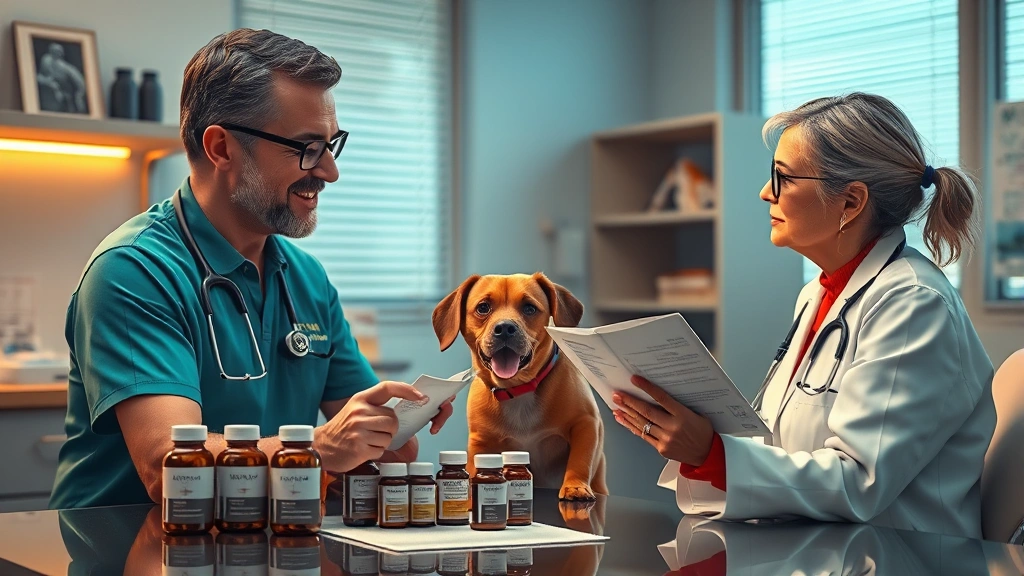
Your vet is your partner in post-operative recovery. They’ll provide specific supplement recommendations based on the surgery type, your pet’s health status, age, and individual needs. Some vets have supplement protocols they’ve developed based on years of experience—trust their expertise.
Don’t be shy about asking questions. Want to know why your vet recommends a specific supplement? Ask. Wondering about potential interactions? Ask. Your vet wants your pet to recover well, and they appreciate engaged pet parents who take recovery seriously.
Regular check-ups during recovery allow your vet to monitor progress and adjust the supplement protocol if needed. Some pets heal faster than expected and can discontinue supplements earlier. Others benefit from extended supplementation.
Frequently Asked Questions
Can I give my pet post-surgery supplements without veterinary approval?
While many supplements are safe, some can interfere with anesthesia or medications your pet is taking. Always get your vet’s approval before giving any supplements, especially around surgery time. Your vet knows your pet’s complete medical history and can make informed recommendations.
How long should my pet take post-surgery supplements?
Most post-surgery supplements are recommended for 4-8 weeks following the procedure. However, some supplements like omega-3s and probiotics can be continued long-term for ongoing health benefits. Your vet will provide specific timelines based on your pet’s recovery progress.
Are natural supplements safer than pharmaceutical options?
Natural doesn’t automatically mean safer. Quality, sourcing, and proper dosing matter more than whether something is natural or synthetic. Work with your vet to choose supplements—whether natural or pharmaceutical—that have proven efficacy and safety profiles.
Can supplements replace pain medication after surgery?
No. Supplements support and enhance recovery but don’t replace prescribed pain medications. Your vet prescribes pain management for a reason—use it as directed. Supplements work alongside medications to provide comprehensive recovery support.
What’s the best probiotic for post-surgery pets?
The best probiotic is one your vet recommends for your specific pet. Different formulations work better for different pets. Your vet might suggest liquid probiotics for pets for ease of administration or specific multi-strain probiotics for pets for broader bacterial diversity.
Will supplements speed up my pet’s recovery?
Quality supplements can support and optimize the natural healing process, but they don’t magically accelerate recovery beyond your pet’s biological capacity. They provide the nutritional support your pet’s body needs to heal efficiently. Combined with proper rest, limited activity, and veterinary care, supplements help your pet recover as completely and quickly as possible.
Summary: Setting Your Pet Up for Success
Post-surgery supplements for pets aren’t luxuries—they’re strategic investments in your pet’s recovery. Omega-3 fatty acids reduce inflammation, probiotics restore gut health, protein and amino acids rebuild tissue, antioxidants protect cells, and joint support supplements ensure complete orthopedic recovery.
The key is working closely with your veterinarian to develop a personalized post-operative supplement protocol. Quality matters, timing matters, and consistency matters. Your pet is depending on you to give them every advantage during this critical healing period.
When your pet bounces back from surgery faster and stronger, returning to their normal activities with minimal complications, you’ll know those supplements were worth every penny. That’s the goal—getting your furry friend back to being their wonderful, chaotic self as quickly and completely as possible.
Talk to your vet about post-surgery supplements today. Your pet’s recovery journey starts now, and you’ve got this.





