Powder probiotics for cats are basically tiny gut superheroes that your feline friend didn’t know they needed. If you’ve ever wondered why your cat’s digestive system acts like it’s auditioning for a horror movie, probiotics might be the plot twist your kitty’s health story deserves.
What Are Powder Probiotics for Cats, Anyway?
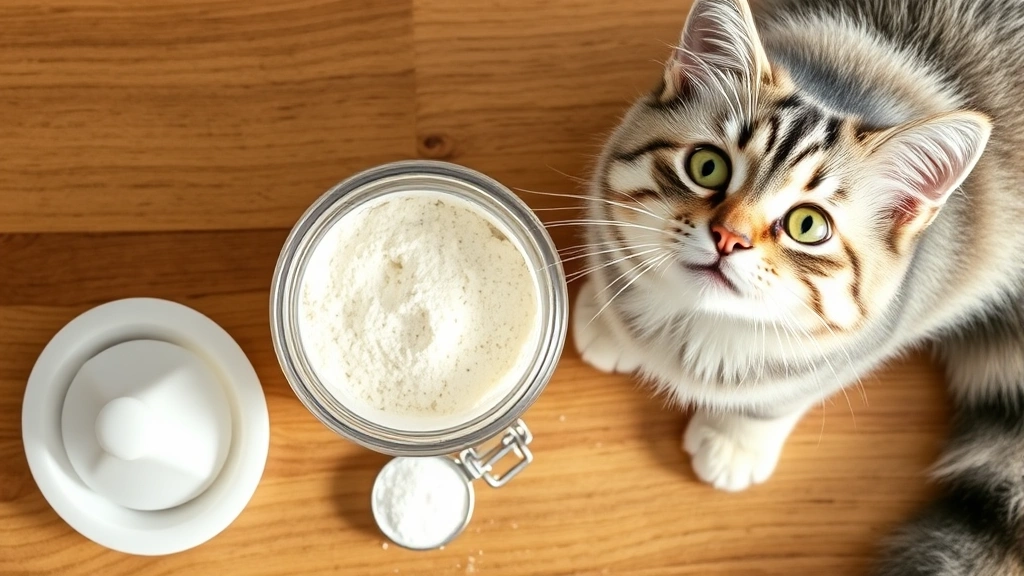
Let’s cut through the science-y stuff. Powder probiotics are beneficial bacteria formulated specifically for cats, delivered in a convenient powdered form that you can sprinkle right onto their food. Think of them as microscopic allies working inside your cat’s gut to maintain digestive balance and overall wellness. These aren’t the same probiotics you’d take yourself—cat guts are wonderfully weird and need their own specialized bacterial lineup.
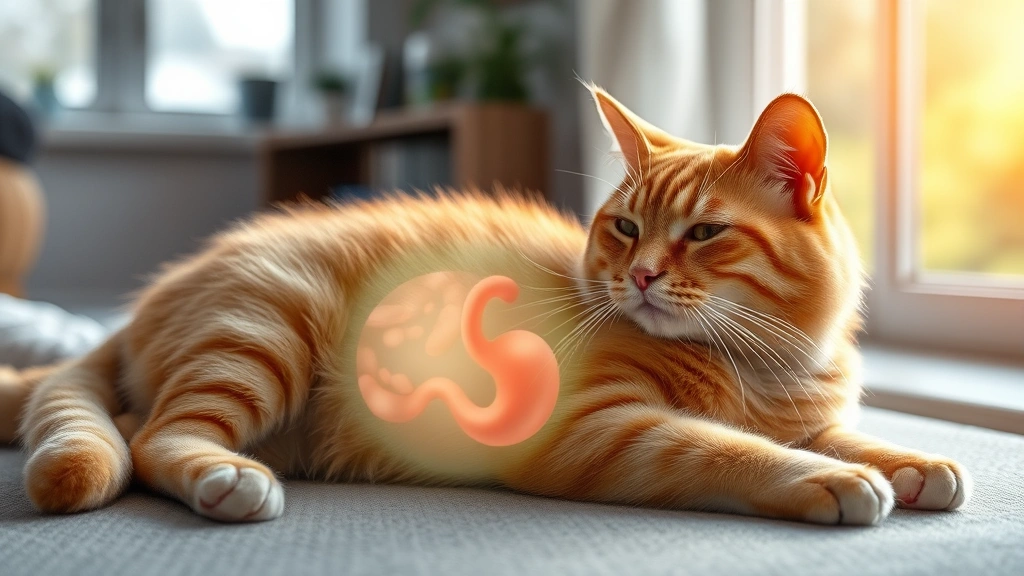
The magic happens in the microbiome, that bustling community of microorganisms living in your cat’s digestive tract. When things go sideways (literally), powder probiotics step in to restore order and harmony. It’s like hiring a tiny internal cleaning crew that works 24/7 without complaining about wages.
Why Your Cat’s Gut Health Matters More Than You Think
Your cat’s digestive system isn’t just about processing food—it’s basically the command center for their entire immune system. Around 70% of your cat’s immune response originates in the gut. Seriously. That means a healthy digestive tract means a healthier, happier cat overall.
When your cat experiences stress, dietary changes, or takes antibiotics, their gut bacteria get thrown into chaos. This is where feline probiotics become your secret weapon. They help restore the bacterial balance that keeps everything running smoothly. A balanced gut means better digestion, improved nutrient absorption, and fewer surprise litter box disasters.
Seven Essential Benefits of Adding Powder Probiotics to Your Cat’s Diet
1. Improved Digestive Health and Regularity
Cats with digestive issues often suffer from inconsistent bowel movements, constipation, or diarrhea. Powder probiotics help regulate the digestive process by promoting beneficial bacterial growth. Your cat gets more predictable bathroom habits, and you get fewer surprises outside the litter box. Win-win.
2. Enhanced Immune System Function
A thriving gut microbiome directly strengthens your cat’s immune defenses. Probiotics produce compounds that support immune cell development and activity. This means your cat is better equipped to fight off infections and stay healthier year-round. It’s like giving their immune system a personal trainer.
3. Reduction in Food Sensitivities and Allergies
Many cats develop food sensitivities that manifest as itching, vomiting, or diarrhea. Probiotics help strengthen the intestinal barrier, reducing the likelihood of problematic food particles triggering immune responses. Your itchy cat might finally get some relief.
4. Better Nutrient Absorption
Even if you’re feeding your cat premium food, their body can only benefit from nutrients they actually absorb. Probiotics optimize the intestinal environment, allowing better absorption of vitamins, minerals, and other essential nutrients. Better absorption means your cat gets maximum nutritional value from every meal.
5. Reduced Inflammation in the Digestive Tract
Chronic inflammation in the gut causes discomfort and contributes to various digestive disorders. Probiotics produce anti-inflammatory compounds that soothe the digestive tract. Your cat experiences less discomfort and better overall wellness.
6. Fresher Breath and Healthier Skin
The benefits extend beyond digestion. A balanced microbiome reduces odor-causing bacteria and supports skin health from the inside out. Your cat’s breath smells better, their coat looks shinier, and they generally seem more comfortable in their own skin (literally).
7. Support During and After Antibiotic Treatment
Antibiotics are necessary sometimes, but they obliterate both bad and good bacteria. Powder probiotics help repopulate the beneficial bacterial colonies that antibiotics destroy, reducing post-antibiotic digestive upset. Your vet might even recommend probiotics alongside antibiotic prescriptions.
Choosing the Right Powder Probiotic for Your Feline Friend
Not all probiotics are created equal. Look for products specifically formulated for cats—this matters because different species need different bacterial strains. Check that the product contains multiple strain types (ideally 3-5 different beneficial bacteria strains) and verify the CFU (colony-forming units) count is appropriate for feline nutrition.
Quality matters tremendously. Choose brands that have third-party testing, maintain proper storage conditions, and clearly list their bacterial strains. Some popular veterinary-recommended options include FortiFlora and Proviable, though your vet can recommend products suited to your specific cat’s needs.
Temperature sensitivity is real. Many probiotics require refrigeration or specific storage conditions to maintain potency. Read the label carefully and store accordingly. A dead probiotic is just expensive cat food seasoning.
How to Introduce Powder Probiotics to Your Cat’s Diet
Start slow, especially if your cat is suspicious of dietary changes (and let’s face it, most cats are). Mix a small amount of powder probiotic into their regular food. Most cats won’t notice the difference in taste, but some finicky felines might need a gradual introduction over 5-7 days.
The typical dosage is about 1/4 teaspoon mixed into food once daily, though this varies by product. Always follow the manufacturer’s instructions—more isn’t better with probiotics. Consistency matters more than quantity. Daily supplementation is what creates lasting benefits.
If your cat refuses mixed-in powder, consider alternatives like probiotic treats or capsules that can be hidden in wet food. Some cats are easier to trick than others. You might need to get creative—maybe hide the powder in their favorite treat or mix it with a bit of tuna juice.
Common Signs Your Cat Might Need Probiotic Support
Watch for digestive distress signals: chronic diarrhea, constipation, vomiting, or generally loose stools. If your cat has recently taken antibiotics, probiotics are basically mandatory for gut recovery. Cats with food sensitivities, itchy skin, or frequent infections are also prime candidates.
Even healthy cats benefit from preventative probiotic supplementation, particularly as they age. Senior cats often experience digestive changes that probiotics can help manage. If you’re noticing your older cat becoming pickier about food or having litter box issues, probiotics might help.
Stress-triggered digestive upset is another indicator. Cats undergoing changes (new home, new pets, vet visits) often develop temporary digestive issues. Probiotics help their systems cope with stress-related disruption.
Potential Side Effects and Safety Considerations
Probiotics are generally very safe for cats. Most side effects are minimal and temporary, typically involving slight digestive adjustment during the first few days. Some cats might experience mild gas or slightly looser stools initially—this usually resolves within a week as their system adjusts.
Immunocompromised cats should consult with a veterinarian before starting probiotics, though even this is usually safe. Pregnant or nursing cats should also get vet approval, though probiotics rarely cause issues.
The biggest risk is selecting low-quality products that don’t contain viable bacteria or include unnecessary additives. Stick with reputable brands and products recommended by veterinarians. When in doubt, ask your vet which specific probiotic they’d recommend for your cat’s situation.
If your cat has a known sensitivity to any probiotic ingredients, obviously avoid those products. Some formulations include additives or fillers that might not suit every cat. Always read the ingredient list thoroughly.
Powder Probiotics vs. Other Delivery Methods
Powder probiotics offer convenience and flexibility that other formats don’t. Unlike capsules (which require swallowing and are basically impossible with cats), powders mix seamlessly into food. Compared to liquid probiotics, powders are more stable, easier to store, and often more cost-effective.
Probiotic treats are convenient but often less concentrated than powder formulations. Capsules require opening and mixing anyway, so you might as well use powder. Powder gives you the most control over dosage and the easiest application method for most cats.
Many veterinarians prefer recommending powder probiotics because they’re easier to administer consistently and maintain potency better than liquid formulations. The powder format also allows for easier adjustment of dosages if needed.
Combining Probiotics With Other Digestive Support Strategies
Probiotics work best as part of a comprehensive digestive health approach. Ensure your cat’s diet is high-quality and appropriate for their age and health status. Similar to how addressing diarrhea requires multiple strategies, feline digestive health benefits from a multi-pronged approach.
Adequate hydration is crucial—cats naturally have low thirst drives, so consider a cat water fountain to encourage drinking. Proper hydration supports digestive function and helps probiotics work more effectively.
Prebiotics (food for beneficial bacteria) complement probiotics nicely. Some foods naturally contain prebiotic fiber that feeds the good bacteria your probiotics introduce. Discuss prebiotic options with your vet.
Stress reduction supports gut health significantly. Environmental enrichment, consistent routines, and appropriate play reduce stress-related digestive issues. A calm cat is a cat with better digestion.
Regular veterinary check-ups ensure underlying health issues aren’t causing digestive problems. Sometimes digestive upset indicates something requiring medical attention beyond probiotic support. Your vet can determine if probiotics alone are sufficient or if additional treatment is needed.
Real-World Success Stories: How Powder Probiotics Help Cats
Countless cat owners report dramatic improvements in their cats’ digestive health after introducing probiotics. Cats with chronic diarrhea often achieve normal, consistent bowel movements within 2-3 weeks. Cats recovering from antibiotic treatment bounce back faster with probiotic support.
Senior cats often show renewed energy and improved appetite when probiotics help their digestive systems function optimally. Rescue cats with unknown dietary histories frequently settle into their new homes more comfortably with probiotic support during the transition.
Cats with food sensitivities often experience reduced symptoms once their gut microbiome is rebalanced. The itching decreases, the vomiting stops, and everyone’s happier. These aren’t miracle cures, but the consistent results speak for themselves.
Veterinarians increasingly recommend probiotics as preventative care, not just treatment for existing problems. This preventative approach helps cats maintain digestive health and avoid many issues before they develop.
Frequently Asked Questions
Can I give my kitten powder probiotics?
Yes, kittens can benefit from probiotics, but dosage should be lower than for adult cats. Consult your veterinarian for age-appropriate recommendations. Kittens’ digestive systems are still developing, so professional guidance is especially important.
How long does it take to see results from powder probiotics?
Most cats show improvement within 1-2 weeks, though some take up to 4 weeks. Consistency matters—daily administration is essential for results. Don’t expect overnight miracles, but noticeable improvements typically emerge within the first month.
Are powder probiotics safe with other medications?
Generally yes, but timing matters with antibiotics. Don’t give probiotics simultaneously with antibiotics—separate them by at least 2 hours. For other medications, probiotics are usually compatible, but ask your vet to confirm with your cat’s specific medication regimen.
Can powder probiotics cause constipation?
Rarely. If anything, probiotics typically improve constipation rather than cause it. If your cat develops constipation after starting probiotics, reduce the dosage or discontinue and consult your vet. This is unusual but possible in rare cases.
Do I need a prescription for powder probiotics?
Most probiotics are available over-the-counter, though some veterinary-specific formulations require prescriptions. Over-the-counter options are fine for general health support, but prescription versions might be recommended for specific health conditions.
Can powder probiotics replace veterinary treatment?
Absolutely not. Probiotics support digestive health but don’t replace necessary veterinary care. If your cat has serious digestive issues, infections, or other health concerns, veterinary treatment is essential. Probiotics complement medical treatment but don’t substitute for it.
How long should my cat take powder probiotics?
For acute issues (post-antibiotic recovery), probiotics might be needed for 4-8 weeks. For chronic digestive issues, long-term or indefinite supplementation often provides ongoing benefits. For preventative health maintenance, many cats benefit from year-round supplementation. Discuss duration with your veterinarian based on your cat’s specific situation.
Final Thoughts: Giving Your Cat the Gut Health Advantage
Powder probiotics for cats represent a simple, effective way to support digestive health and overall wellness. They’re safe, convenient, and backed by growing veterinary support. Whether your cat has existing digestive issues or you’re taking a preventative approach, probiotics deserve a place in your feline health toolkit.
The investment is minimal compared to the potential benefits: fewer litter box emergencies, better nutrient absorption, improved immunity, and a generally healthier, happier cat. Start with a quality product, introduce it gradually, and maintain consistency. Your cat’s gut—and your sanity—will thank you.
Remember, while probiotics are wonderful, they work best alongside high-quality nutrition, adequate hydration, stress reduction, and regular veterinary care. Treat probiotics as one component of comprehensive cat health, not a standalone solution. When combined with other wellness strategies, powder probiotics can genuinely transform your cat’s digestive health and quality of life.
Your cat might not understand that you’re giving them tiny bacterial allies, but they’ll definitely appreciate the results: better digestion, improved energy, and fewer digestive disasters. That’s the kind of gift every cat owner can celebrate.