
Planning a getaway? Before you pack your bags and head to the airport, let’s talk about something that’ll keep your furry friend happy while you’re away: pre-vacation feeding adjustment. Whether you’re leaving your pet with a sitter, boarding facility, or trusted friend, getting their feeding routine dialed in ahead of time is absolutely crucial. Nobody wants to come home to a stressed-out pet or—worse—digestive chaos because Fluffy freaked out about a new feeding schedule.
Table of Contents
- Why Pre-Vacation Feeding Adjustment Matters More Than You Think
- Start Your Pre-Vacation Feeding Adjustment at Least Two Weeks Early
- Understand Your Pet’s Current Feeding Habits
- Transition Gradually to Your Vacation Feeding Schedule
- Consider Portion Adjustments and Monitor for Overeating
- Test Your Vacation Feeding Routine Before You Leave
- Use Food-Based Enrichment to Combat Vacation Stress
- Communicate Clearly With Your Pet’s Caregiver
- Watch for Signs of Feeding-Related Stress
- Don’t Introduce New Food Right Before Vacation
- Create a Backup Feeding Plan
- Frequently Asked Questions
- Summary: Your Pre-Vacation Feeding Adjustment Checklist
Why Pre-Vacation Feeding Adjustment Matters More Than You Think
Your pet’s digestive system is basically a creature of habit. Cats and dogs thrive on routine, and when you suddenly change their feeding schedule or introduce new food right before vacation, you’re basically rolling the dice with their stomach. A vacation feeding schedule adjustment done right prevents stress-related digestive issues, anxiety, and behavioral problems while you’re gone.
Think about it: your pet doesn’t understand that you’re coming back. From their perspective, their favorite human just vanished, the house looks different, and now someone else is feeding them at weird times. By adjusting their feeding routine gradually before you leave, you’re giving them stability during an already confusing time.
Start Your Pre-Vacation Feeding Adjustment at Least Two Weeks Early
Here’s the golden rule: begin your pre-vacation feeding adjustment at least 14 days before your departure. This isn’t a last-minute job. Your pet’s digestive system needs time to adapt to new schedules, new portions, or new food entirely.
If you’re planning to switch to a different feeding routine while you’re away—say, from free feeding to scheduled feeding—start that transition now. Make gradual changes over 7-10 days so your pet’s stomach doesn’t stage a rebellion. The longer the adjustment period, the smoother the transition.
Pro tip: mark your calendar right now. Seriously. Set a reminder for two weeks before your trip that says “Start pet feeding adjustments, dummy.” Future you will thank present you.
Understand Your Pet’s Current Feeding Habits
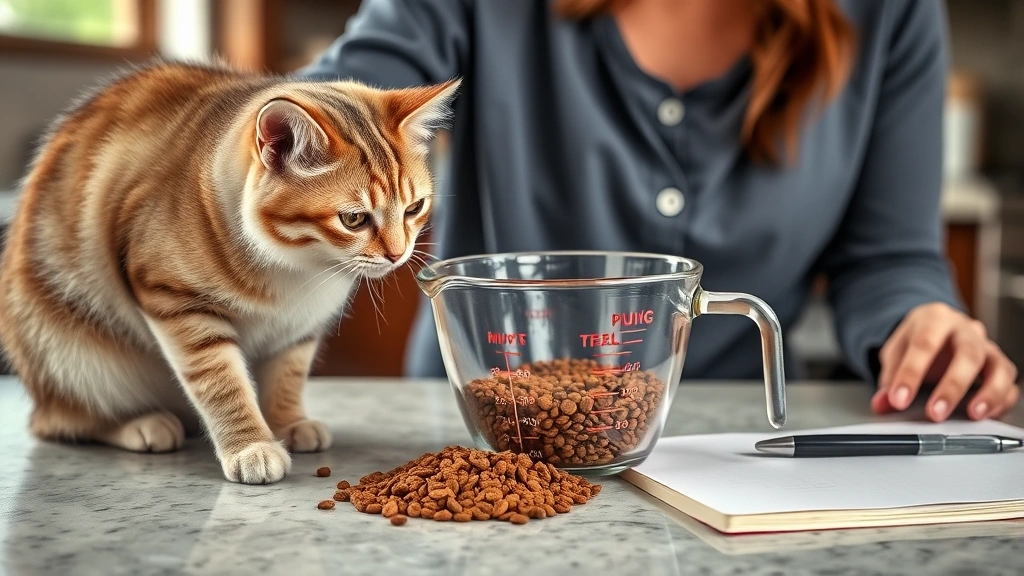
Before you change anything, document exactly how your pet eats right now. Are they a free-feeder who grazes all day? Do they eat on a strict schedule? How much are they actually consuming? This is where measuring pet food becomes your best friend.
Write down:
- Current feeding times
- Portion sizes (use a measuring cup, not your eyeballs)
- Type of food they’re eating
- Any treats or table scraps
- Water intake patterns
This baseline information is essential. You can’t adjust something if you don’t know where you’re starting from. Plus, you’ll have documentation to share with whoever’s caring for your pet—whether that’s a pet sitter, boarding facility, or your mom.
Transition Gradually to Your Vacation Feeding Schedule
If your pet’s schedule while you’re away will differ from their current routine, make the switch gradually. Let’s say you normally feed your dog at 7 AM and 5 PM, but your pet sitter can only come at 8 AM and 6 PM. Don’t just flip the switch on vacation day.
Instead, over 7-10 days, shift the feeding times by 15-minute increments. Move the morning feeding from 7 AM to 7:15 AM, then 7:30 AM, and so on until you hit 8 AM. Same with the evening meal. This slow adjustment prevents your pet from getting hangry and stressed.
The same principle applies if you’re changing from free feeding to scheduled feeding or vice versa. Gradual changes are always better than shocking your pet’s system.
Consider Portion Adjustments and Monitor for Overeating
Here’s where things get tricky: if your pet sitter or caregiver isn’t as familiar with your pet’s needs, there’s a risk of overfeeding pets. Well-meaning caregivers sometimes give extra food thinking they’re being generous or because the pet acts extra hungry (which they will, because they’re stressed).
To prevent this, pre-portion all meals into containers labeled with dates and times. This takes the guesswork out of feeding and prevents “just a little extra” situations. Use measuring cups to ensure accuracy, and don’t rely on your caregiver’s judgment—they mean well, but they don’t know your pet like you do.

For adult cat feeding, this is especially important since cats are prone to obesity and their portions need precision.
Test Your Vacation Feeding Routine Before You Leave
This is the secret weapon that most pet owners skip: actually practice the feeding routine you’ll use while you’re away. Have your pet sitter come over a few days before you leave and feed your pet on the schedule they’ll use while you’re gone.
Watch what happens. Does your pet eat normally? Do they seem stressed? Does the timing work logistically? Are there any issues you didn’t anticipate? This trial run gives you time to make adjustments before you’re actually on a beach somewhere wondering if your cat is okay.
Plus, your pet gets to meet their temporary caregiver in a low-stress situation, which makes the actual vacation period less traumatic.
Use Food-Based Enrichment to Combat Vacation Stress
Your pet’s anxiety during your absence is real, and food dispensing toys are a legitimate stress-management tool. Introduce these toys during your pre-vacation adjustment period so your pet is already familiar with them.
Puzzle feeders, treat-dispensing balls, and lick mats can keep your pet mentally engaged and emotionally soothed while you’re gone. These aren’t just fun—they’re therapeutic. A pet focused on extracting treats from a puzzle toy is a pet that’s not spiraling into separation anxiety.
Start using these toys 2-3 weeks before your trip so they’re old news by the time you leave. You can even stuff them with your pet’s regular food to ensure you’re not adding extra calories.
Communicate Clearly With Your Pet’s Caregiver
Write down everything. Seriously. Create a detailed feeding guide that includes:
- Exact portions (with photos if possible)
- Feeding times
- Your pet’s food preferences and dislikes
- Any dietary restrictions or allergies
- Signs of digestive upset to watch for
- Emergency vet contact information
- Your vet’s recommendations for your specific pet
Don’t assume your caregiver will remember verbal instructions. Put it in writing. Make it foolproof. The clearer your instructions, the better your pet eats, and the less you’ll stress about them while you’re away.
Watch for Signs of Feeding-Related Stress
During your two-week pre-vacation adjustment period, keep an eye out for warning signs that your pet isn’t handling the changes well:
- Loss of appetite or sudden increased hunger
- Digestive issues (vomiting, diarrhea, constipation)
- Behavioral changes (excessive barking, meowing, or hiding)
- Weight loss or gain
- Lethargy or hyperactivity
If you notice any of these, slow down your adjustments. You might be moving too fast. Consult with your vet if problems persist—they might have specific recommendations for your pet based on their health history.
Don’t Introduce New Food Right Before Vacation
This deserves its own section because it’s a mistake so many people make. The week before your vacation is NOT the time to try that fancy new food you’ve been wanting to switch to. Your pet’s gut bacteria need time to adjust to dietary changes, and stress makes everything worse.
If you’re going to change foods, do it weeks in advance. Mix the new food gradually with the old food over 7-10 days, increasing the ratio of new to old food progressively. Your vet can provide specific guidance on this transition for your pet.

Stick with what works during your vacation period. Consistency is your friend.
Create a Backup Feeding Plan
What if your pet sitter cancels? What if there’s a weather emergency? What if your pet refuses to eat for your caregiver? Have a backup plan.
This might mean:
- Having a second caregiver option on standby
- Identifying a boarding facility as a backup
- Leaving extra pre-portioned meals in your freezer
- Setting up automatic pet feeders as a backup (though these shouldn’t be your primary solution)
Hope for the best, but plan for the worst. Your pet will be fine, but having contingencies takes the stress off you.
Frequently Asked Questions
How long before vacation should I adjust my pet’s feeding schedule?
Start your pre-vacation feeding adjustment at least 14 days before you leave. This gives your pet’s digestive system adequate time to adapt to new schedules or portions without stress. If you’re making significant changes, start even earlier—three weeks isn’t too much.
Can I change my pet’s food right before vacation?
Absolutely not. Introducing new food right before you leave is a recipe for digestive upset and stress. Make any food changes at least 3-4 weeks in advance, and transition gradually over 7-10 days. Stick with their regular food during the vacation period itself.
What if my pet refuses to eat during my absence?
Some pets experience stress-related appetite loss when their owners are away. This is why the trial run with your pet sitter is crucial. If your pet doesn’t eat during the practice session, talk to your vet. They might recommend adding wet food, warming the food, or using special stress-reducing techniques. Document what works and share it with your caregiver.
Should I use automatic feeders while I’m on vacation?
Automatic feeders can be a helpful backup, but they shouldn’t be your primary feeding method. Pets often find them stressful, and they can malfunction. Use them as a safety net if your sitter can’t make a feeding, but don’t rely on them as your main solution. Your pet needs the human interaction and reassurance that a real caregiver provides.
How do I prevent my pet from overeating while I’m away?
Pre-portion all meals into labeled containers. Give your caregiver clear written instructions with exact portion sizes and feeding times. Use proper measuring techniques so there’s no guesswork. Don’t leave extra food lying around. If you’re worried about underfeeding or overfeeding, discuss target portions with your vet before you leave.
Can I use food dispensing toys instead of regular meals?
Food dispensing toys are great enrichment and stress relief, but they shouldn’t replace regular meals. Use them in addition to scheduled feeding, not instead of it. They’re perfect for keeping your pet mentally engaged between feedings.
Summary: Your Pre-Vacation Feeding Adjustment Checklist
Let’s wrap this up with a practical checklist you can actually use:
- ✓ Start adjustments 14 days before vacation
- ✓ Document your pet’s current feeding routine
- ✓ Gradually transition to the vacation feeding schedule
- ✓ Pre-portion all meals for your caregiver
- ✓ Have your pet sitter practice the routine before you leave
- ✓ Introduce food dispensing toys and enrichment items
- ✓ Create detailed written feeding instructions
- ✓ Don’t introduce new food right before you leave
- ✓ Monitor your pet for stress-related feeding issues
- ✓ Develop a backup feeding plan
Your pet depends on you to keep their routine stable, even when your routine is about to get chaotic. A little planning now prevents a lot of problems later. Take the time to do pre-vacation feeding adjustment right, and you’ll actually be able to enjoy your vacation knowing your furry friend is eating well and staying calm at home.





