
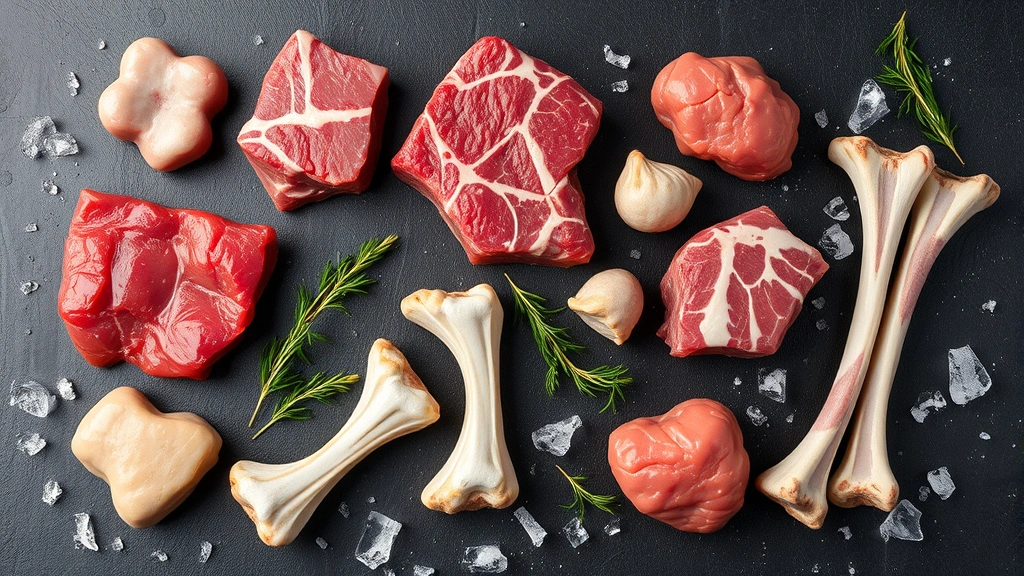
Primal dog food has become the talk of the dog park, and for good reason—it’s basically the canine equivalent of a farm-to-table restaurant, minus the pretentious prices (okay, maybe not that part). If you’re wondering whether this raw diet trend is the real deal or just another marketing gimmick, you’ve come to the right place. Let’s dig into what makes primal dog food tick and whether your furry best friend should be eating like a wolf.
Table of Contents
- What Exactly Is Primal Dog Food?
- The Raw Dog Food Movement: Why Pet Parents Are Going Primal
- Nutritional Benefits: What Primal Dog Food Offers
- The Raw Food Diet Controversy: What Veterinarians Say
- Primal Dog Food vs. Traditional Kibble: The Real Comparison
- Cost Considerations: Is Primal Dog Food Worth the Price Tag?
- Special Considerations: When Primal Dog Food Might Not Be Ideal
- Making the Transition: How to Switch to Primal Dog Food Safely
- Primal Dog Food Brands Worth Considering
- The Bottom Line: Is Primal Dog Food Right for Your Dog?
- Frequently Asked Questions
What Exactly Is Primal Dog Food?
Think of primal dog food as the “back to basics” movement for pups. It’s a raw diet philosophy built on the idea that dogs are descended from wolves and should eat like their wild ancestors—raw meat, organs, bones, and minimal processing. Primal dog food brands typically offer frozen or freeze-dried raw meals that aim to mimic what a dog would hunt and eat in nature. No kibble, no cooking, just pure ancestral vibes.
The concept isn’t entirely new, but it’s gained serious traction in the last decade. Pet parents who’ve made the switch often swear by it, claiming their dogs have shinier coats, better digestion, and more energy. But before you throw out your current dog food and start thawing raw chicken, let’s talk about what the science actually says.
The Raw Dog Food Movement: Why Pet Parents Are Going Primal
The appeal of raw dog food diets is pretty straightforward. Advocates argue that dogs’ digestive systems are built for raw meat, not processed kibble. They point to the fact that commercial dog foods are heavily processed, often containing fillers and synthetic nutrients. Primal dog food supporters believe that feeding raw eliminates these issues and taps into what evolution intended.
Some pet owners report dramatic improvements after switching to raw diets—better coat quality, improved digestion, cleaner teeth, and higher energy levels. These anecdotal success stories have created a passionate community of raw-feeding enthusiasts. However, it’s worth noting that these observations are often subjective, and individual results vary wildly depending on the dog, the specific diet, and other lifestyle factors.
Nutritional Benefits: What Primal Dog Food Offers
Raw diets, including those from primal dog food brands, typically contain whole proteins, healthy fats, and organ meats that are nutrient-dense. The freeze-drying process used by many premium brands preserves nutrients that might otherwise be lost in traditional cooking. Dogs get access to:
- High-quality animal proteins for muscle development
- Natural fats for coat and skin health
- Organ meats rich in vitamins and minerals
- Bone content for calcium and phosphorus
- Minimal carbohydrates and fillers
When compared to some lower-quality kibble options, primal dog food does offer a more species-appropriate nutrient profile. However, this doesn’t automatically mean it’s better than all traditional dog foods. High-quality kibble from brands like Merrick and Victor can also provide excellent nutrition when formulated properly.
The Raw Food Diet Controversy: What Veterinarians Say
Here’s where things get spicy. The veterinary community is genuinely divided on raw diets. While some holistic vets embrace raw feeding, the American Veterinary Medical Association (AAFCO) and most conventional veterinarians express concerns about food safety, nutritional balance, and potential health risks.
The main concerns include:
- Bacterial contamination: Raw meat can harbor E. coli, Salmonella, and Listeria—pathogens that affect both dogs and humans in the household
- Nutritional imbalances: Homemade raw diets often lack proper mineral ratios, especially calcium and phosphorus
- Choking hazards: Whole bones can splinter or cause intestinal blockages
- Parasite risk: Raw meat may contain parasites that cooking would eliminate
That said, commercial primal dog food brands are typically tested for pathogens and formulated to meet nutritional standards, making them safer than home-prepared raw diets. But the risk factor is still higher than with traditional kibble.
Primal Dog Food vs. Traditional Kibble: The Real Comparison
So how does primal dog food stack up against conventional options? It depends on what you’re comparing it to. Premium kibble brands offer convenience, shelf stability, and lower pathogenic risk. Raw diets offer species-appropriate nutrition and fewer additives, but require careful handling and storage.
If you’re currently feeding your dog low-quality grocery store kibble, upgrading to either a premium kibble like Merrick Fresh Dog Food or a raw option could show improvements. But jumping from a quality kibble to raw might not produce the dramatic changes some claim. The difference is often more about diet quality than diet type.
Cost Considerations: Is Primal Dog Food Worth the Price Tag?
Let’s be real—primal dog food isn’t cheap. Most premium raw brands run $3-$5 per pound, while quality kibble typically costs $1-$2 per pound. For a 60-pound dog eating about 1-1.5% of their body weight daily, you’re looking at $60-$150 monthly for raw versus $30-$60 for quality kibble.
The cost factor is significant enough that it eliminates raw feeding as an option for many households. If budget is a concern, investing in a quality kibble from brands like NutriSource might be a more sustainable long-term choice than raw feeding you can’t maintain.
Special Considerations: When Primal Dog Food Might Not Be Ideal
Certain situations make primal dog food less suitable:
- Immunocompromised dogs: Puppies, seniors, and dogs with compromised immune systems face higher risks from pathogenic bacteria
- Specific health conditions: Dogs with kidney disease or certain digestive issues may need specialized diets that raw feeding complicates
- Multi-dog households with children: Handling raw meat increases cross-contamination risks for the whole family
- Picky eaters: Some dogs simply won’t eat raw, making the investment pointless
If your dog falls into any of these categories, discuss raw feeding with your veterinarian before making the switch. For dogs with kidney issues, specialized prescription diets might be more appropriate than raw feeding.
Making the Transition: How to Switch to Primal Dog Food Safely
If you’ve decided to try primal dog food, don’t just dump raw meat into your dog’s bowl. Dogs need a transition period, typically 7-10 days, to adjust their digestive systems. Start by mixing small amounts of raw food with their current diet, gradually increasing the ratio until they’re fully transitioned.
Watch for digestive upset, allergic reactions, or behavioral changes during this period. Some dogs handle the switch beautifully; others experience loose stools or vomiting. If problems persist beyond the transition period, consider returning to their previous diet or trying a different brand.
Primal Dog Food Brands Worth Considering
Not all raw diets are created equal. If you’re going to invest in primal dog food, look for brands that:
- Use high-quality, human-grade ingredients
- Have transparent sourcing practices
- Conduct pathogenic testing
- Offer nutritionally balanced formulas
- Provide clear feeding guidelines
Research any brand thoroughly and check for recalls. The raw pet food industry isn’t as heavily regulated as traditional pet food, so due diligence is essential. For large breed dogs, ensure the formula has appropriate calcium-to-phosphorus ratios to support proper bone development.
The Bottom Line: Is Primal Dog Food Right for Your Dog?
Primal dog food isn’t inherently better or worse than quality traditional diets—it’s different. Some dogs genuinely thrive on raw diets, while others do perfectly fine on premium kibble. The best diet is the one that keeps your dog healthy, maintains appropriate weight, and fits your lifestyle and budget.

Before switching to primal dog food, have an honest conversation with your veterinarian about your dog’s specific needs, health status, and any risk factors. Consider your household situation, your budget, and your willingness to handle raw meat safely. If you decide raw feeding isn’t for you, don’t feel guilty—there are plenty of excellent non-raw options available.
Frequently Asked Questions
Is primal dog food safe for all dogs?
Not necessarily. While healthy adult dogs generally handle raw diets well, puppies, senior dogs, and immunocompromised dogs face higher risks from pathogenic bacteria. Always consult your veterinarian before switching to raw feeding, especially if your dog has health issues.
Will my dog get sick from eating raw meat?
Dogs have stronger stomach acid than humans and can handle some pathogens that would make us ill. However, raw meat still carries bacterial risks like Salmonella and E. coli that can affect your dog and your household. Commercial primal dog food brands test for pathogens, but the risk is never zero.
How much does primal dog food cost compared to kibble?
Primal dog food typically costs $3-$5 per pound, while quality kibble runs $1-$2 per pound. For a medium to large dog, expect to spend $60-$150 monthly on raw versus $30-$60 on quality kibble.
Can I make primal dog food at home?
You can, but homemade raw diets are risky without professional nutritional guidance. They often lack proper mineral ratios and may not meet your dog’s complete nutritional needs. If you want to home-prepare raw food, work with a veterinary nutritionist to create a balanced recipe.
Do dogs really need raw food to be healthy?
No. Dogs can be perfectly healthy on well-formulated kibble, raw diets, or cooked home-prepared meals. The key is nutritional completeness and balance, not the processing method. Some dogs thrive on raw; others thrive on kibble. Individual variation matters more than diet type.
What’s the difference between primal dog food and other raw brands?
Primal is one brand among many raw dog food manufacturers. Each brand has different sourcing practices, ingredient quality, and nutritional formulations. Research specific brands rather than assuming all raw diets are equivalent.
Should I feed my dog raw bones?
Raw bones are safer than cooked bones (which splinter), but they still carry choking and blockage risks. Many primal dog food brands include ground bone or bone meal rather than whole bones to mitigate these dangers. Supervise any bone feeding and choose appropriately sized bones for your dog.
Can I mix primal dog food with kibble?
Yes, many people use a combination approach, feeding raw for some meals and kibble for others. This reduces cost while maintaining some raw diet benefits. Just ensure the overall diet is nutritionally balanced and transition gradually when switching between food types.
Summary: Primal dog food represents a legitimate dietary option for dogs, but it’s not a magic cure-all. It offers species-appropriate nutrition and minimal processing, but comes with higher costs, food safety considerations, and veterinary controversy. Whether it’s right for your dog depends on their individual health status, your household situation, and your budget. Quality matters more than diet type—a premium kibble can be just as beneficial as raw feeding for many dogs. Make the decision based on your dog’s needs and your veterinarian’s guidance, not on trends or peer pressure from other dog owners.





