
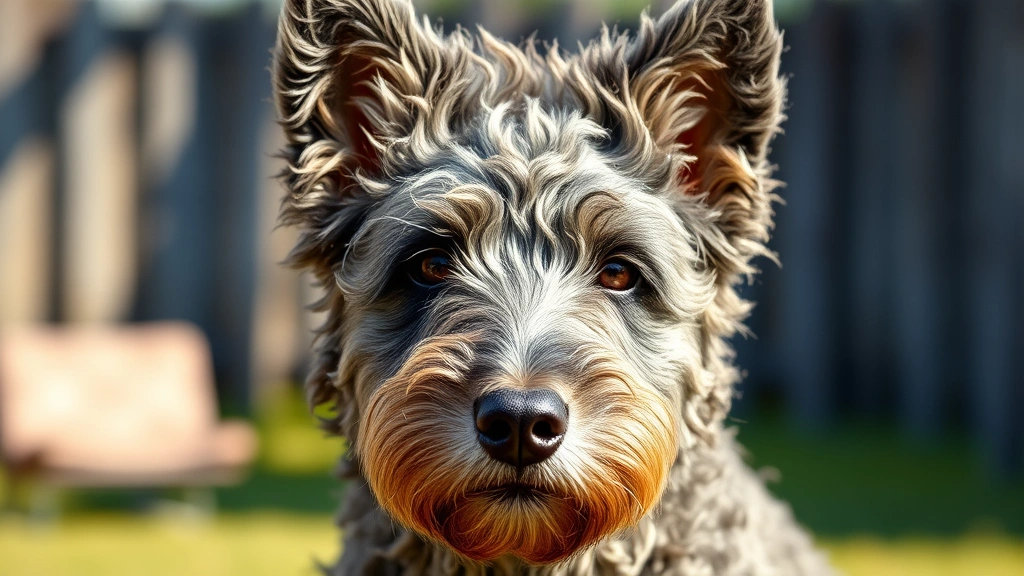
If you’ve never heard of a pumi dog, you’re not alone—this Hungarian herding breed is one of the rarest canine treasures outside of Europe. But if you’re looking for a smart, energetic, and downright hilarious companion with a personality that punches way above its weight, the pumi might just be your perfect match.
Table of Contents
- What Exactly Is a Pumi Dog?
- Physical Characteristics and Appearance
- Pumi Dog Temperament: The Personality Profile
- Energy Levels and Exercise Requirements
- Grooming and Coat Care
- Health Considerations for the Pumi Breed
- Training Your Pumi Dog: What You Need to Know
- Pumi Dogs as Family Companions
- Finding and Selecting a Pumi Puppy
- Pumi Dog Nutrition and Diet
- Common Behavioral Issues and Solutions
- Frequently Asked Questions
- Conclusion: Is a Pumi Dog Right for You?
What Exactly Is a Pumi Dog?
The pumi dog is a medium-sized Hungarian herding breed that’s been around since at least the 18th century. These pups were originally bred to herd sheep and cattle across the Hungarian plains, and boy, do they still have that herding instinct locked in their DNA. Standing about 16-19 inches tall and weighing between 22-29 pounds, pumis are compact powerhouses with a distinctive curly or wavy coat that makes them look like they just walked out of a canine salon—whether they did or not.
What makes the pumi unique is their incredible athleticism combined with a goofy personality that’ll have you laughing at their antics daily. They’re not your typical lap dog, but they’re also not aloof. Pumis are the middle ground between a working dog and a family companion.
Physical Characteristics and Appearance
One of the first things you’ll notice about a pumi is that distinctive coat. Unlike their close relatives, long haired dogs often have silky strands, but pumis rock a medium-length, curly or wavy double coat that’s weather-resistant and surprisingly low-maintenance compared to other curly-coated breeds. Their coat comes in various colors including black, fawn, and white, though solid colors are most common.
Pumis have a square-shaped body, alert ears that stand upright, and an expression that screams “I’m ready for anything.” Their tails are typically docked (though this practice is changing in some countries), and they have dark, intelligent eyes that seem to be constantly assessing their surroundings. These dogs move with purpose and grace, reflecting their herding heritage.
Pumi Dog Temperament: The Personality Profile
Here’s where pumis really shine: they’ve got personality for days. These dogs are intelligent, alert, and possess a sense of humor that rivals many humans. They’re excellent with families and can be great with children, though their herding instinct means they might nip at heels during play—something that needs early training to manage.
Pumis are social butterflies who thrive on human interaction. They’re not the type to be left alone for long stretches, as they can develop anxiety and destructive behaviors. They bond deeply with their families and are protective without being aggressive. Training a pumi is actually enjoyable because they’re eager to please and quick learners, though they can be stubborn when they decide something isn’t worth their effort.
Energy Levels and Exercise Requirements
If you’re thinking about adopting a pumi, clear your calendar for daily activities. These dogs have energy reserves that seem bottomless. They need at least 60-90 minutes of vigorous exercise daily to stay happy and well-behaved. This isn’t a breed for couch potatoes—if you’re looking for lazy dog breeds, keep scrolling.
Pumis excel at agility competitions, obedience trials, and herding events. They also love running, hiking, and playing fetch. Mental stimulation is equally important as physical exercise; puzzle toys, training sessions, and interactive games keep their brilliant minds engaged. A bored pumi is a destructive pumi, so plan accordingly.
Grooming and Coat Care
Despite their curly coat, pumis are actually easier to groom than you’d think. They’re one of the least moulting dogs, which is fantastic for people with allergies or those tired of vacuuming constantly. Their coat doesn’t mat as easily as other curly-haired breeds, but they still need regular maintenance.
Brush your pumi 2-3 times per week to prevent tangles and keep their coat healthy. Bathing every 4-6 weeks with a quality dog shampoo will keep them clean and fresh. Their ears need regular checking since they stand upright and can trap moisture. Nail trimming, dental care, and occasional professional grooming complete the grooming routine.

Health Considerations for the Pumi Breed
Generally speaking, pumis are healthy dogs with a lifespan of 12-13 years. However, like all breeds, they’re prone to certain genetic conditions. Hip dysplasia, progressive retinal atrophy (PRA), and patella luxation have been documented in the breed. Responsible breeders screen their breeding dogs for these conditions.
Regular veterinary check-ups, a balanced diet, and maintaining a healthy weight go a long way in preventing health issues. According to the American Kennel Club, the pumi was officially recognized in 2016, and breed standards continue to emphasize health testing. Always purchase from reputable breeders who provide health clearances for both parents.
Training Your Pumi Dog: What You Need to Know
Training a pumi is rewarding because these dogs are intelligent and food-motivated. They respond best to positive reinforcement methods—harsh corrections will only make them stubborn and resentful. Start socialization and training early, ideally from puppyhood.
Pumis excel in obedience classes and love having a job to do. Their herding instinct means they might try to herd children, other pets, or even you, so redirecting this behavior early is crucial. Consistency, patience, and a sense of humor will serve you well. These dogs appreciate structure but also enjoy the mental challenge of learning new commands and tricks.
Pumi Dogs as Family Companions
While pumis were bred as working dogs, they make fantastic family pets for active households. They’re affectionate with their families and can be great playmates for older children. Their medium size makes them suitable for various living situations, from apartments (with adequate exercise) to homes with large yards.
They can coexist with other pets, though their herding instinct might kick in occasionally. Early socialization with cats, rabbits, and other animals helps them understand appropriate behavior. Pumis thrive in homes where they’re included in family activities and given a sense of purpose.
Finding and Selecting a Pumi Puppy
Because pumis are rare, finding a reputable breeder requires patience and research. Start by checking the American Kennel Club’s breed club directory. Responsible breeders will provide health clearances, allow you to meet the parents, and be willing to answer all your questions.
Expect to be on a waiting list—good breeders don’t have puppies constantly available. Prices typically range from $800-$1,500, depending on the breeder and location. Avoid puppy mills and backyard breeders who prioritize profit over health and temperament.
Pumi Dog Nutrition and Diet
Feed your pumi high-quality dog food appropriate for their age, size, and activity level. Active dogs like pumis benefit from protein-rich diets that support muscle development and maintenance. Most pumis thrive on 1.5-2 cups of food daily, split into two meals, but individual needs vary based on metabolism and exercise level.
Consult with your veterinarian about the best diet for your specific pumi. Some owners prefer commercial kibble, while others opt for raw or home-cooked diets. Whatever you choose, ensure it meets AAFCO standards and provides balanced nutrition. Fresh water should always be available.
Common Behavioral Issues and Solutions
Separation anxiety is common in pumis due to their people-oriented nature. Crate training, gradual desensitization to alone time, and providing interactive toys can help. Excessive barking, another potential issue, is usually a sign of boredom or anxiety—more exercise and mental stimulation are the cure.
The herding instinct might manifest as nipping or chasing, especially with children and smaller pets. Redirect this behavior toward appropriate outlets like agility training or herding trials. Consistency in training and setting clear boundaries will help manage these natural instincts.
Frequently Asked Questions
Are pumi dogs good for first-time dog owners?
Pumis can work for first-time owners who are active and committed to training and exercise. However, their high energy and intelligence require experienced handling. If you’re a couch potato, this probably isn’t your breed.
How much does a pumi dog cost?
A pumi puppy from a reputable breeder typically costs $800-$1,500. Rescue pumis may cost less, though they’re rare to find. Always factor in veterinary care, food, training, and supplies when budgeting.
Do pumi dogs shed a lot?
No, pumis are among the lightest shedding breeds. Their curly coat doesn’t shed like straight-haired dogs, making them suitable for people with allergies, though no dog is truly hypoallergenic.
Can pumi dogs live in apartments?
Yes, if they get adequate exercise. Pumis can adapt to apartment living as long as you commit to daily walks, runs, or play sessions. Without sufficient exercise, they’ll become destructive and unhappy.
What’s the difference between a pumi and a puli?
While both are Hungarian herding breeds, pumis have curly coats and are more athletic and playful, while pulis have long, corded coats and are more independent. Pumis are also smaller and more energetic.
Are pumi dogs aggressive?
No, pumis are not aggressive by nature. They’re protective of their families but friendly with people they know. Early socialization ensures they’re confident and well-mannered around strangers and other animals.
Conclusion: Is a Pumi Dog Right for You?
The pumi dog is an exceptional breed for the right person or family. If you’re active, enjoy training, and want a dog with personality and intelligence, a pumi could be your perfect companion. They’re rare enough to make you feel special but common enough that you can find good breeders with some research. These Hungarian herding dogs will keep you entertained, challenged, and deeply loved. Just remember: pumis demand time, attention, and exercise. Give them that, and you’ll have one of the most rewarding dog ownership experiences of your life. For more information about breed standards and health testing, check out PetMD’s breed guide and consult with local breed clubs. Consider checking out our guide on large dog harness options if you’re planning outdoor adventures with your pumi.





