
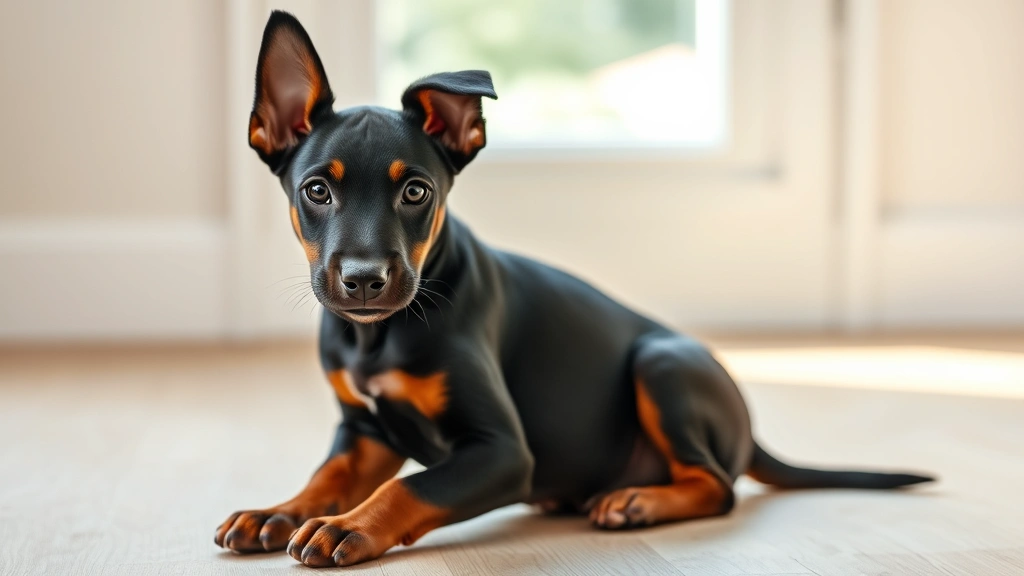
Bringing home a puppy Doberman dog is like inviting a sleek, intelligent shadow into your life—one that will follow you everywhere and demand your complete attention. If you’re considering this breed or just brought one home, you’re probably oscillating between “this is amazing” and “what have I gotten myself into?” Both feelings are valid. Doberman puppies are stunning, loyal, and incredibly smart, but they’re also a commitment that requires real knowledge, patience, and structure from day one.
This guide walks you through everything you need to know about raising a puppy Doberman dog, from socialization and training to health concerns and behavioral quirks. We’ll skip the fluff and focus on what actually works.
Why Doberman Puppies Are Different
A puppy Doberman dog isn’t just a smaller version of an adult Doberman—it’s a compact powerhouse of energy, intelligence, and independence wrapped in sleek fur. Unlike some breeds that are content to lounge and observe, Doberman puppies are bred to think, decide, and act. That means they need owners who can provide clear leadership without being harsh.
According to the American Kennel Club, Dobermans are classified as working dogs with a strong prey drive and protective instinct. Your puppy Doberman dog will likely display these traits early—stalking toys, nipping during play, and showing intense focus on anything that moves. This isn’t aggression; it’s genetics. Understanding this difference is your first step toward success.
Doberman puppies also bond intensely with their families. They’re not “independent” in the aloof-cat sense. They want to be with you, involved in your life, and included in decision-making. This can be wonderful (they’re incredibly loyal) or challenging (they don’t do well with neglect or inconsistency).
Your First Weeks Home: Setting Up for Success
The first two weeks with your puppy Doberman dog are critical for establishing routine and trust. Here’s what actually matters:
- Crate training from day one. A crate isn’t punishment—it’s a den. Doberman puppies naturally want a safe space. Start with short intervals (15-30 minutes) and gradually extend. This prevents accidents, keeps your pup safe when you can’t supervise, and creates a portable home base.
- Establish a potty schedule. Take your puppy Doberman dog out first thing in the morning, after meals, after naps, after playtime, and before bed. Puppies can typically hold it for one hour per month of age (so a 2-month-old holds it for ~2 hours). Expect accidents—they’re normal, not failures.
- Introduce the family calmly. Doberman puppies can be overwhelmed by chaos. Let them meet people one or two at a time in quiet settings. This prevents fear responses and excessive excitement.
- Start basic handling. Touch your puppy Doberman dog’s paws, ears, mouth, and belly regularly. This makes grooming, nail trims, and vet visits easier later. Reward with treats and praise.
Avoid the temptation to let your puppy “explore freely” without boundaries. Dobermans are smart enough to test limits, and they need to know those limits exist from the start.
Socialization: The Critical Window
Between 3 and 16 weeks of age, your puppy Doberman dog experiences a critical socialization window. During this time, positive exposures shape their entire personality and behavior as adults. This isn’t optional—it’s the difference between a confident, well-adjusted dog and a fearful or reactive one.
Socialization doesn’t mean throwing your puppy into a dog park. It means controlled, positive exposure to different environments, people, sounds, and experiences. Here’s how to do it right:
- People exposure. Introduce your puppy Doberman dog to people of different ages, sizes, and appearances. Include people wearing hats, sunglasses, and uniforms. Have them offer treats and praise. Aim for 50+ different people before 16 weeks if possible.
- Environmental sounds. Play recordings of traffic, thunderstorms, fireworks, and vacuum cleaners at low volumes. Gradually increase volume while your puppy eats or plays. This prevents sound sensitivity later.
- Controlled dog meetings. Arrange playdates with vaccinated, friendly adult dogs. Avoid dog parks until your puppy Doberman dog is fully vaccinated (around 16 weeks). Adult dogs teach puppies bite inhibition and social rules better than other puppies do.
- Novel surfaces and objects. Walk on grass, gravel, tile, and wood. Introduce stairs, ramps, and different textures. This builds confidence and prevents surface sensitivity.
- Car rides. Short, positive car trips (with treats and praise) prevent motion sickness anxiety and make vet visits easier.
According to PetMD, puppies who miss this window often struggle with fear and aggression later. For a breed like Dobermans with protective instincts, proper socialization is non-negotiable.
Training Foundation That Sticks
A puppy Doberman dog is highly trainable—but only if you’re consistent and clear. This breed doesn’t respond well to wishy-washy leadership or unpredictable rules. Here’s what works:
Start with sit and come. These are your foundation commands. Use high-value treats (small pieces of cooked chicken or cheese—yes, cheese is fine for dogs in moderation) and short training sessions (5-10 minutes). Train before meals when your puppy is hungry but not desperate.
Use positive reinforcement exclusively. Dobermans respond to rewards, not punishment. Yelling, hitting, or harsh corrections damage your relationship and can trigger defensive behavior. Reward the behavior you want to see more of. Ignore or redirect unwanted behavior.
Teach “leave it” early. Your puppy Doberman dog will find things on walks—sticks, trash, dead animals. Teaching “leave it” could save their life. Start with treats: show a treat in your closed hand, say “leave it,” and when your puppy backs off, reward with a different treat from your other hand. Practice until it’s solid, then move to objects on the ground.
Address nipping immediately. Doberman puppies nip during play. This isn’t aggression—it’s how they explore. But it needs to stop. When your puppy nips, yelp loudly (like another puppy would), stop playing, and walk away. Resume play after 30 seconds. This mimics how puppies learn bite inhibition from littermates.
Crate training is training. Your puppy Doberman dog should see the crate as a reward, not a punishment. Toss treats in, let them leave freely, and never use it as a time-out. Gradually close the door while they’re inside eating or playing. Build duration slowly.
Consider working with a certified professional trainer, especially if this is your first Doberman. Look for trainers certified by the Certification Council for Professional Dog Trainers (CCPDT). Avoid trainers who use dominance-based or aversive methods—they don’t work with Dobermans and often backfire.
Health Essentials for Puppy Doberman Dogs
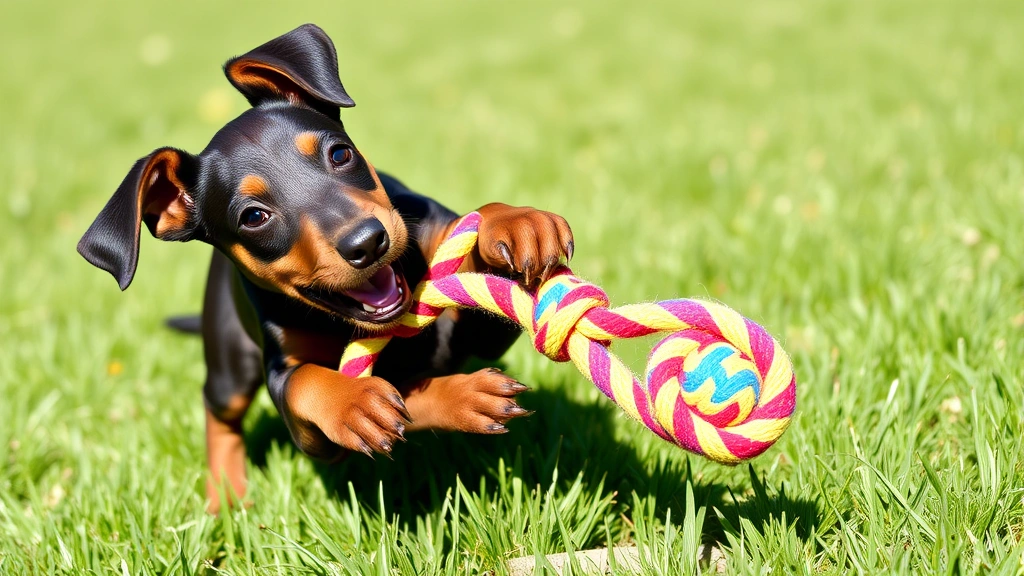
Dobermans have breed-specific health concerns you need to know about. Being proactive now prevents heartbreak and expense later.
Vaccination schedule. Your puppy Doberman dog needs vaccines at 6-8 weeks, 10-12 weeks, and 14-16 weeks. A rabies vaccine is required by law in most places. Follow your vet’s recommendations—they’re based on your local disease risk and your puppy’s individual needs.
Dilated cardiomyopathy (DCM). This heart condition is common in Dobermans. There’s no screening test for puppies, but responsible breeders screen parents with echocardiograms. Ask your breeder for proof. Your puppy Doberman dog should have a vet exam at 8-12 weeks to check for heart murmurs.
von Willebrand’s disease. This is a blood clotting disorder. Responsible breeders test parents. Ask for documentation. If your puppy needs surgery, inform your vet of any family history.
Bloat (gastric dilatation-volvulus). This is a life-threatening emergency where the stomach twists. Deep-chested breeds like Dobermans are at higher risk. Feed multiple small meals rather than one large meal. Avoid exercise immediately after eating. Know the signs: restlessness, unproductive vomiting, abdominal distension, and excessive drooling. Get to an emergency vet immediately if you suspect bloat.
Hip and elbow dysplasia. These joint problems are hereditary. Responsible breeders have parents screened by the Orthopedic Foundation for Animals (OFA). Ask your breeder for OFA scores.
Ear infections. Dobermans have floppy ears (or cropped ears if that’s the breeder’s choice) that can trap moisture. Check and clean ears weekly. Use a vet-recommended ear cleaner. Never put anything deep into the ear canal—just clean the visible part.
Schedule your first vet appointment within a week of bringing your puppy Doberman dog home. Bring any health records from the breeder.
Nutrition and Feeding Your Puppy Doberman Dog
A growing puppy Doberman dog has different nutritional needs than an adult. Feed a high-quality puppy formula (not adult food) until around 12 months. Look for foods with:
- AAFCO certification for puppy growth
- Named protein sources (chicken, beef, fish—not “meat meal”)
- Balanced calcium and phosphorus (critical for large-breed puppies to prevent joint problems)
- Appropriate calorie content for large-breed puppies
Large-breed puppies like your puppy Doberman dog grow fast, and overfeeding or feeding the wrong calcium/phosphorus ratio can damage developing joints. Don’t free-feed (leaving food out all day). Instead, feed measured portions at set times.
Feeding schedule:
- 8-12 weeks: 4 meals per day
- 3-6 months: 3 meals per day
- 6-12 months: 2 meals per day
- 12+ months: 1-2 meals per day (most vets recommend 2 for deep-chested breeds to reduce bloat risk)
Treats should be no more than 10% of daily calories. Your puppy Doberman dog can have most dog-safe human foods: plain cooked chicken, carrots, apples (no seeds), and yes, cheese in small amounts. Avoid chocolate, grapes, raisins, onions, garlic, and xylitol (artificial sweetener)—these are toxic.
Avoid adding supplements or changing diet without vet approval. Too much of certain nutrients can harm growing joints. Your vet can recommend supplements if needed based on your specific puppy’s needs.
Common Behaviors and How to Handle Them
Your puppy Doberman dog will do things that confuse or frustrate you. Here’s what’s normal and what to do about it:
Mouthing and nipping. Puppies explore the world with their mouths. This is normal. Redirect to appropriate toys. If your puppy nips during play, stop the game immediately. Resume after they’ve calmed down. This teaches that nipping ends fun.
Jumping on people. Dobermans are tall and enthusiastic. Jumping is their way of saying hello. Don’t reward it with attention (even negative attention like yelling). Instead, turn away, cross your arms, and ignore. Reward calm greetings with treats and praise. Teach visitors to do the same.
Chewing everything. Your puppy Doberman dog will chew. Provide appropriate outlets: sturdy toys, puzzle toys, and chew toys. Rotate toys to keep interest. Supervise or crate when you can’t watch. Redirect to appropriate toys when you catch chewing on forbidden items. Never punish after the fact—puppies don’t connect punishment to past behavior.
Separation anxiety. Dobermans bond intensely and can struggle when alone. Start with short absences (5 minutes) and gradually increase. Practice leaving without making a big deal of it. Don’t return until your puppy is calm—if you come back when they’re barking, you’re rewarding the noise. Crate training helps. Consider a dog walker or daycare if you work long hours. Most puppies shouldn’t be left alone more than 4-6 hours at a time.
Excessive barking. Dobermans are vocal. They bark to alert, protect, and sometimes just because they’re bored. Don’t reward barking with attention. Teach “quiet” by waiting for a pause, saying “quiet,” and immediately rewarding. Ensure your puppy gets enough exercise and mental stimulation—a tired puppy is a quieter puppy.
Pulling on the leash. Your puppy Doberman dog will pull. They’re strong, even as puppies. Use a front-clip harness (better than a collar for large breeds). When your puppy pulls, stop moving. Wait for slack in the leash, then move forward. This teaches that pulling doesn’t work. Reward walking with a loose leash with praise and treats.
Exercise and Mental Stimulation
A bored puppy Doberman dog becomes a destructive one. This breed needs both physical exercise and mental work.
Physical exercise guidelines. Puppies shouldn’t do intense exercise (like long runs) until their growth plates close (around 12-18 months). Too much impact can damage developing joints. Instead, aim for multiple short play sessions throughout the day. A good rule: 5 minutes of exercise per month of age, twice per day. So a 4-month-old gets about 20 minutes, twice daily.
Walking is great. Fetch is great. Swimming is excellent (low-impact). Avoid jumping, agility work, and repetitive running on hard surfaces until your puppy is mature.
Mental stimulation is just as important. Puzzle toys, training sessions, scent work, and interactive games exercise your puppy’s brain. A mentally tired puppy is calmer than a physically tired one. Rotate toys and activities to prevent boredom.
Socialization outings count as stimulation. Visiting new places, meeting people, and exploring different environments tire your puppy Doberman dog mentally. These count toward daily activity needs.
A tired puppy sleeps well, trains better, and gets into less trouble. Prioritize this.
Frequently Asked Questions
At what age can I start training my puppy Doberman dog?
– Start immediately. Your puppy Doberman dog can learn from day one. Begin with basic handling, crate training, and potty training right away. Formal training commands can start around 8 weeks. Keep sessions short (5-10 minutes) and fun. Dobermans learn incredibly fast.
How much does a puppy Doberman dog cost?
– A well-bred puppy Doberman dog from a responsible breeder costs $800-$2,500. Prices vary by location, breeder reputation, and whether the puppy is pet or show quality. Avoid extremely cheap puppies—they often come from puppy mills or backyard breeders with health and temperament problems. Budget for vet care, training, food, and supplies on top of the purchase price.
Can my puppy Doberman dog live in an apartment?
– Yes, but with caveats. Dobermans are medium-energy indoors if properly exercised. They adapt to apartments if you commit to daily walks, play sessions, and mental stimulation. They shouldn’t be left alone for 8+ hours regularly. A house with a yard is easier, but not required if you’re dedicated.
When should I spay or neuter my puppy Doberman dog?
– Talk to your vet. Traditionally, spaying/neutering happened at 6 months. Recent research suggests waiting until growth plates close (12-18 months) may reduce joint disease and certain cancers in large breeds. Your vet can recommend the best timing for your individual puppy Doberman dog based on health and genetics.
Are Dobermans aggressive?
– Not inherently. Dobermans are protective and have strong prey drives, but aggression is learned or caused by poor socialization, abuse, or fear. A well-socialized, properly trained puppy Doberman dog is loyal and gentle with their family. Aggression problems are almost always human-caused. Socialization and training are your best insurance against behavior problems.
How often should I groom my puppy Doberman dog?
– Dobermans have short coats and don’t need professional grooming. Brush weekly to remove loose hair and distribute natural oils. Trim nails every 3-4 weeks or as needed. Clean ears weekly. Bathe every 4-6 weeks or as needed. Start grooming your puppy Doberman dog early so they’re comfortable with handling.
What if my puppy Doberman dog gets sick?
– Contact your vet immediately if your puppy Doberman dog shows signs of illness: vomiting, diarrhea, lethargy, loss of appetite, difficulty breathing, or unusual behavior. Puppies can get colds and other illnesses, and some are serious. Puppies are also prone to parasites (worms, fleas, ticks). Your vet will recommend prevention and treatment. Don’t wait—puppies decline quickly.
Should I use a collar or harness for my puppy Doberman dog?
– Use a front-clip harness. Dobermans are strong pullers, and collars put pressure on the neck and throat. A front-clip harness redirects pulling to the side, making walks easier and safer. Once your puppy Doberman dog is trained to walk calmly, you can transition to a collar if desired, but a harness is always a good choice for this breed.

Can I use a puppy Doberman dog for protection or guard work?
– Not as a puppy. Wait until your dog is fully mature (18+ months) and has completed basic obedience. Even then, protection work should only be trained by professionals. An untrained or improperly trained puppy Doberman dog becomes a liability. If you want a guard dog, start with proper socialization and training first. The best protection comes from a well-adjusted, confident dog who knows when to alert and when to relax.
How do I find a responsible breeder for a puppy Doberman dog?
– Look for breeders who health-test parents (OFA, echocardiograms, von Willebrand’s testing), provide health guarantees, are transparent about their breeding practices, and stay involved with puppies after sale. Visit in person. Meet both parents if possible. Ask for references from previous puppy buyers. Avoid breeders who have multiple litters at once, don’t ask you questions, or won’t let you visit. A responsible breeder cares where their puppies go. Check the AKC Marketplace for registered breeders and clubs in your area.
Pro Tip: Join a Doberman breed club or online community. These groups are goldmines of information, breeder recommendations, and support from experienced owners. Your local breed club can connect you with mentors who’ve raised multiple Dobermans.





