

Puppy dog eyes are basically nature’s cheat code for getting what you want. You know the look—that irresistible combination of wide eyes, slightly tilted head, and an expression so adorable it should be illegal. But here’s the thing: it’s not just your imagination that those puppy dog eyes are working overtime on your willpower. Science backs this up, and the reasons are way more fascinating than you’d think.
Table of Contents
- What Exactly Are Puppy Dog Eyes?
- Reason #1: They Trigger Your Nurturing Instincts
- Reason #2: They’re a Form of Canine Communication
- Reason #3: The Oxytocin Loop Creates a Bonding Experience
- Reason #4: They Appeal to Your Sense of Fairness and Empathy
- Reason #5: They Exploit Your Fear of Missing Out (FOMO)
- The Science Behind the Expression
- Why You Shouldn’t Feel Bad About Giving In
- Training Your Dog to Use Puppy Dog Eyes (Yes, Really)
- The Dark Side: When Puppy Dog Eyes Become a Problem
- How to Resist Puppy Dog Eyes (If You Must)
- Frequently Asked Questions
- Conclusion: Understanding the Magic of Puppy Dog Eyes
What Exactly Are Puppy Dog Eyes?
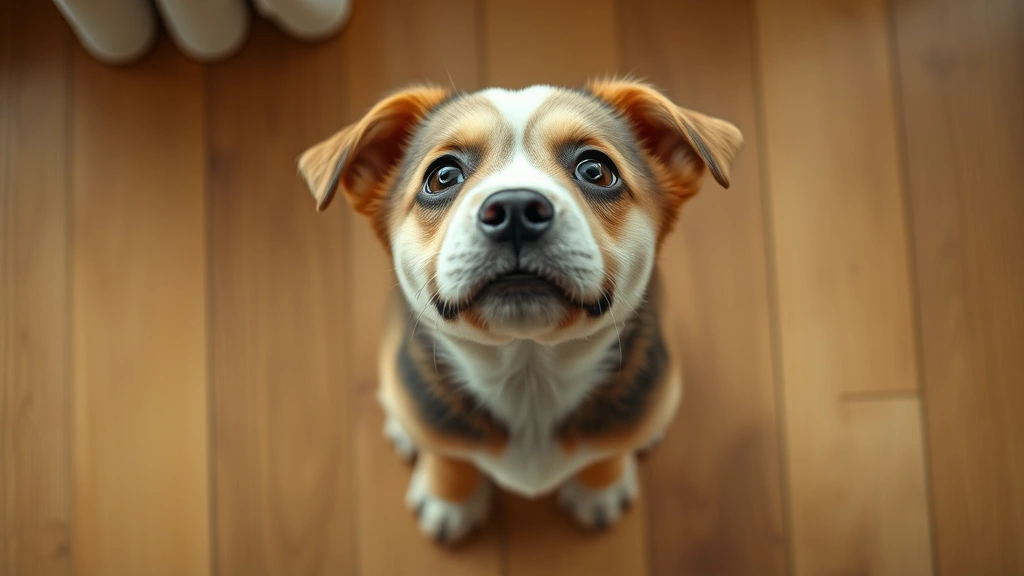
Puppy dog eyes aren’t just a cute expression your dog makes when they want treats. It’s an actual, measurable facial expression that involves specific muscle movements around the eyes and eyebrows. When dogs make this expression, they’re using muscles that pull their eyebrows upward and inward, making their eyes appear larger and more prominent. This creates that classic “sad” or “pleading” look that melts even the hardest hearts. Interestingly, adult dogs have actually evolved to make this expression more pronounced than their wolf ancestors, likely because it’s so effective at getting human attention and resources.
Reason #1: They Trigger Your Nurturing Instincts
When you see puppy dog eyes, your brain doesn’t stand a chance. Those big, round eyes actually mimic the features of human babies—a phenomenon called neoteny. Your brain is hardwired to respond to these juvenile features with protective, nurturing feelings. It’s the same reason you find human babies cute. When your dog hits you with those puppy dog eyes, you’re not being manipulated in a mean way; your brain is literally flooded with oxytocin, the same bonding hormone that connects parents to their children. That’s why saying no feels physically impossible. Your body is literally telling you to care for this creature, even if that means giving them your last French fry.
Reason #2: They’re a Form of Canine Communication
Dogs are incredibly intelligent communicators, and puppy dog eyes are part of their sophisticated language system. Unlike wolves, domestic dogs have learned that making eye contact with humans—especially that specific sad-puppy expression—gets results. They’ve essentially figured out the human emotional code and are using it against us (in the best way possible). When your pup gives you those eyes, they’re not just being cute; they’re actively communicating a need or desire. They’ve learned through experience that this particular expression works better than barking or jumping. It’s manipulative in the way that a toddler saying “I love you” right before asking for ice cream is manipulative—effective but also kind of genius.
Reason #3: The Oxytocin Loop Creates a Bonding Experience
Here’s where it gets really interesting. When your dog makes puppy dog eyes at you, your oxytocin levels spike. But here’s the kicker: your dog’s oxytocin levels spike too. It’s a mutual bonding experience that strengthens your relationship. This isn’t one-directional manipulation; it’s actually a form of emotional connection. Your dog isn’t trying to trick you out of meanness—they’re deepening your bond. Studies have shown that this oxytocin exchange is similar to the bonding that happens between human parents and their babies. So when you give in to those puppy dog eyes, you’re not being weak; you’re participating in a beautiful evolutionary dance of companionship. That said, if you’re concerned about your dog’s overall health and behavior, you might want to explore options like joint supplements for dogs to keep them comfortable and happy.
Reason #4: They Appeal to Your Sense of Fairness and Empathy
Puppy dog eyes work because they make you feel like your dog is communicating genuine emotion. When those big eyes look up at you with what appears to be sadness or longing, your empathy circuits light up like a Christmas tree. You start thinking, “How can I say no to this creature who clearly wants something so badly?” Your sense of fairness kicks in too—if your dog is giving you those eyes, they must really need or want whatever they’re asking for. This is especially true if you have a lazy dog breed that seems perpetually disappointed in life’s offerings. Your brain interprets those eyes as a legitimate emotional plea, and refusing feels cruel. Even though your dog might just want a snack they don’t need, your empathy makes you feel like denying them is basically heartless.
Reason #5: They Exploit Your Fear of Missing Out (FOMO)
There’s a psychological component to puppy dog eyes that ties into FOMO—fear of missing out. When your dog gives you those eyes, there’s an implicit urgency to the request. “Please, please, please, and I’m asking RIGHT NOW,” those eyes seem to say. Your brain starts calculating: “If I don’t give them this treat/attention/walk right now, will I regret it? What if something happens and I didn’t spend quality time with my dog today?” This creates a sense of urgency that makes it harder to resist. Combined with the fact that your dog’s lifespan is shorter than yours, you might feel a subtle pressure to say yes to every request. You don’t want to look back with regrets, so you cave to the puppy dog eyes. It’s not irrational; it’s just your brain doing what it evolved to do—prioritize connection and care.
The Science Behind the Expression
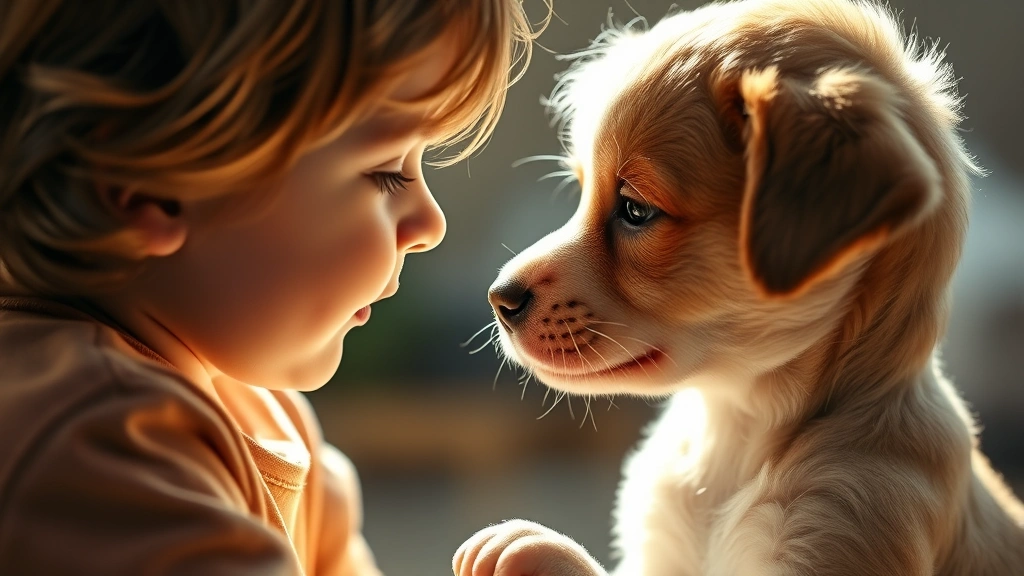
Researchers at the University of Portsmouth conducted a study that found dogs significantly increased their puppy dog eye expression when humans were looking at them. This suggests that dogs have deliberately evolved or learned to use this expression as a communication tool. The study showed that the expression was most pronounced when dogs wanted something from humans. Dogs even use puppy dog eyes more frequently when their owners are paying attention, which indicates they understand the mechanics of human attention and emotional response. According to the American Kennel Club, this behavior is a fascinating example of how domestication has shaped canine behavior over thousands of years. Dogs have literally evolved to be better at manipulating human emotions through facial expressions.
Why You Shouldn’t Feel Bad About Giving In
If you’ve ever felt guilty about caving to puppy dog eyes, stop. There’s nothing wrong with responding to your dog’s requests when they’re communicated through that irresistible expression. As long as you’re not overfeeding or creating behavioral problems, giving in occasionally is actually healthy for your relationship. It reinforces the bond between you and your dog. That said, if you’re concerned about your dog’s diet, you might want to check out articles like is watermelon safe for dogs to make informed decisions about what treats you’re offering. The key is balance. You can enjoy the connection that puppy dog eyes create while still maintaining healthy boundaries around things like nutrition and training. It’s not about being a pushover; it’s about understanding the beautiful evolutionary mechanism at play and choosing to participate in it consciously.
Training Your Dog to Use Puppy Dog Eyes (Yes, Really)
Here’s something wild: you can actually encourage your dog to make puppy dog eyes more intentionally through training. Dogs are smart enough to learn which expressions get the best results. If you consistently respond positively to the expression, your dog will use it more often. This isn’t manipulation in a negative sense; it’s just your dog learning how to communicate effectively with you. You can reinforce this by rewarding eye contact and gentle expressions. Some trainers actually teach dogs to make this expression on command, turning it into a cute trick. If you’re interested in training and behavioral topics, you might also want to explore options like martingale collar for dogs for better control during walks and training sessions.
The Dark Side: When Puppy Dog Eyes Become a Problem
While puppy dog eyes are adorable and scientifically fascinating, they can become problematic if they lead to behavioral issues. If your dog learns that giving you those eyes gets them out of training, prevents necessary medical care, or results in excessive treats, you might be setting yourself up for trouble. Dogs can develop obesity, anxiety, and other behavioral problems if their every whim is indulged. The key is to appreciate the expression for what it is—a form of communication—while still maintaining healthy boundaries. You can love your dog deeply and still say no sometimes. According to PetMD, maintaining consistent training and boundaries is crucial for your dog’s long-term health and happiness. The puppy dog eyes are beautiful, but they shouldn’t override your judgment about what’s actually best for your dog.
How to Resist Puppy Dog Eyes (If You Must)
If you’re trying to stick to a training regimen or dietary plan for your dog, resisting puppy dog eyes is genuinely difficult. Here are some strategies that actually work: First, avoid making eye contact when you’re trying to enforce a boundary. This sounds silly, but it works because you’re reducing the stimulus that triggers your oxytocin response. Second, redirect your dog’s attention to something else—a toy, a puzzle feeder, or a training exercise. Third, remind yourself of your dog’s long-term health goals. That extra treat might feel good in the moment, but your dog’s health is more important. Finally, get your family on the same page. If everyone in your household is giving in to puppy dog eyes, your dog will learn that persistence pays off.
Frequently Asked Questions
Are puppy dog eyes a learned behavior or instinctive?
Puppy dog eyes are a combination of both. Dogs are born with the physical capability to make the expression, but they learn through experience that it’s effective at getting human attention and resources. Studies suggest that dogs use the expression more frequently when they know humans are watching, indicating they understand its power and use it strategically.
Do all dogs make puppy dog eyes?
Most dogs can make some version of puppy dog eyes, but some breeds are more expressive than others. Dogs with larger eyes and more prominent eyebrow markings tend to have a more pronounced effect. Breeds like Cocker Spaniels, Beagles, and Cavalier King Charles Spaniels are particularly good at the expression, while dogs with flatter faces or less expressive features might be less effective at it.
Is it bad to give in to puppy dog eyes?
Occasionally giving in to puppy dog eyes isn’t harmful and can actually strengthen your bond. However, consistently indulging every request can lead to behavioral and health problems. The key is balance—respond to the expression as a form of communication while maintaining healthy boundaries around training, nutrition, and safety.
Why are puppy dog eyes so hard to resist?
Puppy dog eyes trigger multiple psychological and biological responses in humans. The large eyes mimic human baby features, triggering nurturing instincts. The expression also causes your brain to release oxytocin, the bonding hormone. Combined with your empathy and sense of fairness, resisting becomes almost physically impossible.
Can older dogs make puppy dog eyes?
Yes, adult and senior dogs can absolutely make puppy dog eyes. In fact, older dogs often become more skilled at it because they’ve had years to perfect the expression. Many dog owners report that their older dogs seem to pull out the big guns when they want something, suggesting they’ve learned the expression works even better as they age.
Conclusion: Understanding the Magic of Puppy Dog Eyes
Puppy dog eyes are one of nature’s most effective communication tools, and understanding why they work on you doesn’t diminish their charm—it actually makes them more amazing. Your dog isn’t being mean or manipulative; they’re using an evolutionarily refined expression to communicate with you and deepen your bond. The science is clear: those big eyes trigger genuine emotional and biological responses in your brain that make saying no feel almost impossible. From triggering your nurturing instincts to creating an oxytocin loop that strengthens your relationship, puppy dog eyes represent a beautiful intersection of evolution, psychology, and companionship. So the next time your dog hits you with that irresistible expression, you can appreciate both the adorableness and the sophisticated communication happening beneath the surface. Just remember to maintain healthy boundaries when it comes to training and nutrition, and you’ll have the best of both worlds: a deeply bonded relationship with your dog and a pet that’s healthy and well-behaved. Puppy dog eyes might be impossible to resist, but understanding them makes you a better, more informed dog owner.





