
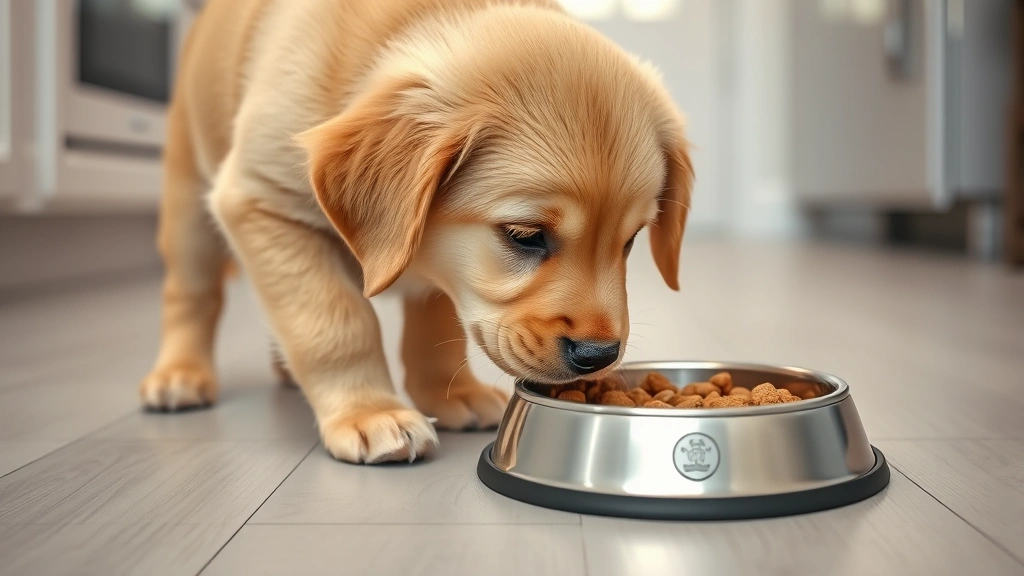
Getting puppy feeding times right is honestly one of the most important things you’ll do as a new dog parent—way more crucial than picking out the cutest collar (though that matters too). Feed your pup at the wrong times, and you’re looking at potty training nightmares, digestive issues, and a hyperactive furball bouncing off your walls at 3 AM. Get it right, and you’ve got a happy, healthy puppy on the path to becoming an awesome adult dog.
Table of Contents
- Why Puppy Feeding Schedule Matters More Than You Think
- Age-Based Puppy Feeding Frequency: The Breakdown
- Sample Daily Puppy Feeding Times Schedule
- Portion Control: Not All Puppies Eat the Same Amount
- Hydration: Water Matters as Much as Food
- Choosing the Right Puppy Food: Quality Counts
- Common Puppy Feeding Mistakes to Avoid
- Transitioning From Puppy to Adult Food
- Special Considerations for Different Puppy Breeds
- Monitoring Your Puppy’s Growth and Health
- Treats and Training: Fitting Them Into the Schedule
- Frequently Asked Questions
- Final Thoughts: You’ve Got This
Why Puppy Feeding Schedule Matters More Than You Think
Your puppy’s stomach is basically a tiny, temperamental dictator. Unlike adult dogs who can handle one or two meals a day, puppies need consistent, frequent feeding because they’re burning calories like crazy while growing. Their metabolism is through the roof—they’re literally building bones, muscles, and organs while playing fetch and chewing on everything you own.
A proper puppy feeding schedule isn’t just about nutrition; it’s about establishing routine and predictability. When your pup knows meals are coming at specific times, their digestive system works like clockwork. This means fewer accidents in the house, better behavior, and less anxiety. Plus, regular feeding times help you monitor how much they’re actually eating, which is crucial for catching health issues early.
Age-Based Puppy Feeding Frequency: The Breakdown
Different ages mean different feeding needs. Your 8-week-old baby has completely different requirements than your 6-month-old adolescent.
8 to 12 Weeks Old: Feed four times daily. Your tiny fluffball has a stomach the size of a walnut and burns energy constantly. Spacing meals 4-5 hours apart keeps their blood sugar stable and prevents hypoglycemia, which is serious business in small breed puppies.
3 to 6 Months Old: Move to three meals per day. Your puppy is getting bigger and their digestive system is maturing. You can extend the time between meals to about 6-8 hours.
6 to 12 Months Old: Transition to two meals daily. Most puppies can handle adult feeding schedules by their first birthday, though some larger breeds benefit from continuing three meals until they’re fully grown.
Sample Daily Puppy Feeding Times Schedule
Let’s get specific because “feed your puppy” isn’t exactly helpful when you’re staring at a hungry pup at 6 AM. Here’s what a realistic schedule looks like:
For 8-12 Week Old Puppies:
– 7:00 AM: Breakfast
– 11:00 AM: Mid-morning meal
– 3:00 PM: Afternoon meal
– 7:00 PM: Dinner
For 3-6 Month Old Puppies:
– 7:00 AM: Breakfast
– 12:00 PM: Lunch
– 6:00 PM: Dinner
For 6+ Month Old Puppies:
– 7:00 AM: Breakfast
– 6:00 PM: Dinner

The beauty of this setup? It aligns with your schedule and your pup’s bathroom needs. Feed them, wait 15-30 minutes, then take them outside. Your house stays clean, and your puppy learns when to expect potty breaks.
Portion Control: Not All Puppies Eat the Same Amount
This is where things get tricky because your Golden Retriever puppy needs way more food than your Chihuahua. Check your puppy food bag—seriously, read those guidelines. They’re based on your pup’s current weight and age. Most quality puppy foods recommend portions in cups per day, divided by feeding frequency.
Here’s the real talk: those guidelines are starting points, not gospel. Some puppies are little vacuum cleaners who’d eat until they exploded; others are picky eaters. Monitor your pup’s body condition. You should feel their ribs easily but not see them prominently. If your puppy is chunky or too skinny, adjust portions accordingly and talk to your vet.
Consider adding Pet Supplement Dosage Guidance to your feeding routine after consulting your veterinarian, especially if your puppy has specific nutritional needs.
Hydration: Water Matters as Much as Food
Fresh water should be available constantly, but here’s the pro tip: limit water intake an hour before bedtime if you’re working on potty training. Your puppy doesn’t have bladder control yet, and unlimited water means midnight accidents. During the day, provide water at all times. Puppies get dehydrated quickly, especially during play or in warm weather.
Watch for signs of proper hydration—your pup’s gums should be moist and pink. If they seem dry or your puppy is lethargic, contact your vet immediately.
Choosing the Right Puppy Food: Quality Counts
Not all puppy food is created equal. Your puppy’s food should be specifically formulated for puppies, not adult dogs. Puppies need higher protein and fat for growth, plus specific calcium-to-phosphorus ratios for bone development.
Look for foods with named meat sources (chicken, beef, fish) as the first ingredient, not meat by-products. According to the Association of American Feed Control Officials (AAFCO), puppy food should meet specific nutritional standards. If your puppy has a sensitive stomach, you might need limited ingredient formulas or prescription diets recommended by your vet.
Common Puppy Feeding Mistakes to Avoid
Let’s talk about what NOT to do, because I see these mistakes constantly:
Free Feeding (Leaving Food Out All Day): This destroys your ability to track intake and makes potty training nearly impossible. You won’t know when your pup last ate, so you can’t predict bathroom breaks.
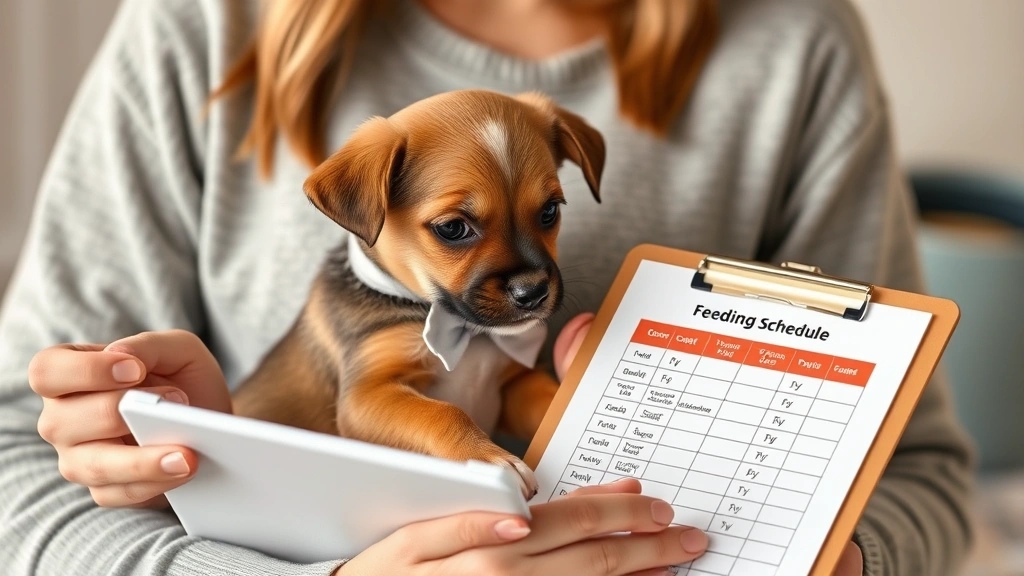
Feeding Table Scraps: Your puppy doesn’t need your pizza crust. Human food is often too rich for puppy digestive systems and can cause pancreatitis. Plus, it creates begging behavior that’s annoying when your dog weighs 80 pounds.
Switching Foods Too Quickly: Change food gradually over 7-10 days, mixing increasing amounts of new food with old food. Abrupt changes cause diarrhea and upset stomachs.
Overfeeding: Chubby puppies look cute but face serious joint and heart problems later. Large breed puppies especially shouldn’t grow too fast—it stresses their developing bones.
Ignoring Your Vet’s Advice: Every puppy is different. What works for your friend’s puppy might not work for yours. Your vet knows your specific pup’s health history and can give personalized recommendations.
Transitioning From Puppy to Adult Food
Around 12 months (or up to 18-24 months for large breeds), your pup is ready to transition to adult food. This isn’t a light switch—it’s a gradual process over 7-10 days. Mix increasing amounts of adult food with puppy food until you’ve completely switched over.
The PetMD puppy feeding guide offers detailed transition recommendations based on breed size. Larger breeds actually benefit from staying on large-breed puppy formulas longer because they grow more slowly and need different nutrient ratios.
Special Considerations for Different Puppy Breeds
Your breed matters. A lot. Toy breeds like Chihuahuas are prone to hypoglycemia and need frequent meals. Giant breeds like Great Danes need carefully controlled growth to prevent joint problems. Working breeds might need higher protein and fat for energy.
If you’re feeding a large or giant breed puppy, invest in Professional Grade Pet Supplements designed for bone and joint support, especially if your breed is prone to hip dysplasia. Your vet or breed club can recommend appropriate products.
Monitoring Your Puppy’s Growth and Health
Schedule regular vet checkups—usually every 3-4 weeks until 16 weeks old, then every 6-8 weeks until one year. Your vet monitors growth curves, checks for developmental issues, and adjusts feeding recommendations as needed.
Keep notes on your puppy’s weight, appetite, stool quality, and energy levels. If your pup suddenly loses interest in food, has diarrhea or constipation, or seems lethargic, contact your vet. These can signal health issues that need immediate attention.

Consider having Pet First Aid Guidance on hand for emergencies, and bookmark your vet’s phone number.
Treats and Training: Fitting Them Into the Schedule
Training treats should make up no more than 10% of your puppy’s daily calorie intake. If you’re doing lots of training (which you should be), use tiny pieces of their regular kibble as treats. This keeps calories in check and maintains consistent nutrition.
Avoid giving treats right before meals—it can spoil their appetite for proper food. Space treats throughout the day between meals, or use them as part of mealtime training.
Frequently Asked Questions
How long after eating should I take my puppy outside to potty?
Most puppies need to go outside 15-30 minutes after eating. Some need to go immediately. Learn your individual puppy’s pattern and stick to it. This consistency is gold for potty training success.
Can I feed my puppy once a day?
No, not until they’re at least 12 months old. Young puppies have small stomachs and fast metabolisms. Once-daily feeding can cause hypoglycemia, digestive upset, and behavioral problems. Even adult dogs benefit from two meals daily for better digestion and stable energy levels.
What if my puppy won’t eat at scheduled times?
Leave food down for 15-20 minutes, then remove it. Don’t leave food out all day. If your pup consistently skips meals, contact your vet. Loss of appetite can indicate illness. Also, make sure you’re not offering treats or snacks that kill their appetite for regular meals.
Is wet food or dry kibble better for puppies?
Both work fine if they’re quality puppy formulas. Dry kibble is convenient and supports dental health. Wet food has higher moisture content, which some puppies prefer. Many people mix both. The most important thing is that it’s formulated for puppies and meets AAFCO standards.
Should I soak puppy kibble in water?
For very young puppies (8-10 weeks), soaking kibble in warm water creates a porridge-like consistency that’s easier to chew and digest. As they age, gradually reduce soaking time. By 12-16 weeks, most puppies can handle dry kibble fine.
Can I feed my puppy the same food my adult dog eats?
No. Puppies need different nutrient ratios than adult dogs. Adult food doesn’t have enough protein, fat, or specific minerals for proper puppy development. Stick with puppy formulas until your pup reaches adult age.
Final Thoughts: You’ve Got This
Establishing solid puppy feeding times sets your dog up for a lifetime of health and good behavior. It might seem complicated at first, but after a few weeks, it becomes second nature. Your puppy thrives on routine, your house stays cleaner, and training becomes easier because your pup knows what to expect.
Remember: every puppy is unique. These guidelines are starting points. Watch your individual pup, trust your vet’s recommendations, and don’t hesitate to adjust as needed. You’re doing great, and your puppy is lucky to have someone who cares enough to get feeding right.





