
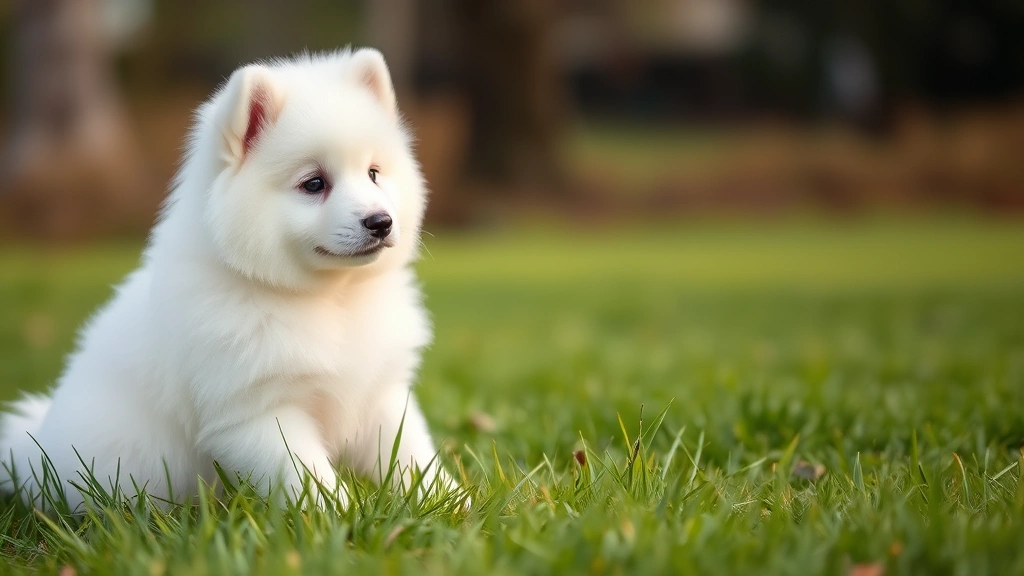
So you’ve decided to bring home a puppy Samoyed dog—congratulations on choosing one of the fluffiest, most charming breeds on the planet! If you’re picturing a living cloud with a perpetual smile, you’re not far off. Samoyeds are absolutely adorable, but they’re also a serious commitment that requires knowledge, patience, and a good vacuum cleaner. Let’s dive into everything you need to know about raising a happy, healthy Samoyed pup.
Table of Contents
- Understanding the Samoyed Breed: What Makes Them Special?
- Puppy Samoyed Dog Grooming: Prepare for the Fluff
- Nutrition and Diet: Fueling Your Growing Pup
- Training Your Samoyed Puppy: Intelligence Meets Stubbornness
- Exercise Requirements: They’re Not Couch Potatoes
- Health Concerns in Samoyed Puppies
- Socialization and Temperament: Building a Well-Rounded Pup
- Choosing the Right Gear and Accessories
- Common Behavioral Challenges and Solutions
- Finding a Reputable Breeder
- First Vet Visit and Preventative Care
- Long-term Commitment: What the Future Holds
- Frequently Asked Questions
- Conclusion: Your Samoyed Adventure Awaits
Understanding the Samoyed Breed: What Makes Them Special?
Before you bring your puppy Samoyed dog home, it’s worth understanding what you’re getting into. Samoyeds were originally bred by the Samoyede people of Siberia to herd reindeer and pull sleds in freezing conditions. This heritage means your pup comes with some serious genetic programming: they’re built for cold weather, they have an incredible work ethic, and they’re incredibly social animals.
These dogs are part of the spitz family and are known for their striking white coat, black noses, and those iconic “smiling” expressions. They’re medium to large-sized dogs, typically weighing between 35-65 pounds when fully grown. The breed is also famously known as the “smiling Sammie” because of their naturally upturned mouth corners.

Puppy Samoyed Dog Grooming: Prepare for the Fluff
Let’s be real: if you’re getting a puppy Samoyed dog, you’re signing up for serious grooming commitments. Samoyeds have a double coat that sheds year-round and undergoes massive seasonal blowouts twice a year. During these periods, you’ll find enough fur to knit a second dog.
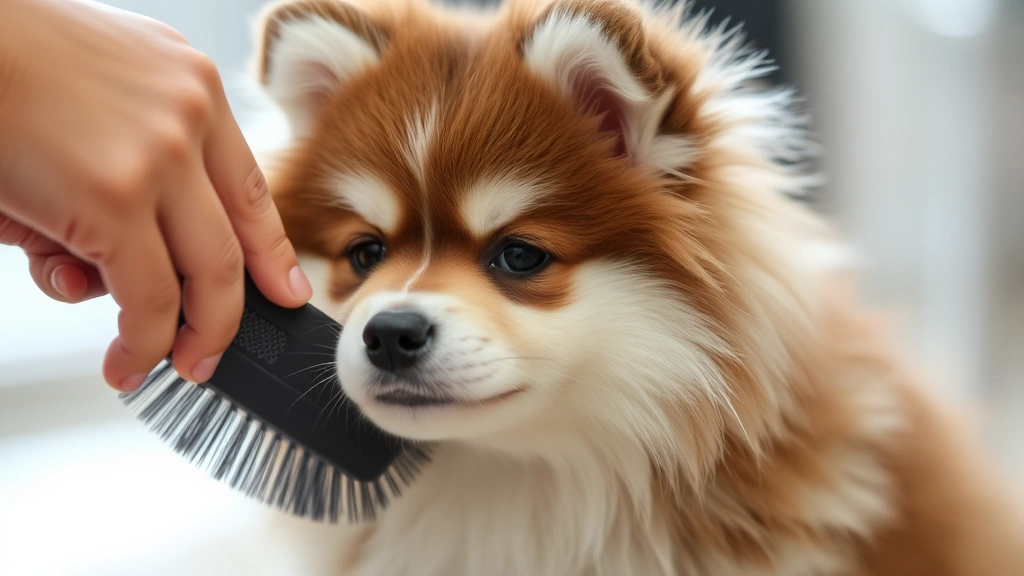
Brush your puppy at least 3-4 times per week, and daily during shedding season. Invest in a quality undercoat rake and slicker brush—they’re non-negotiable. You might also want to look into mobile dog clippers for professional grooming every 6-8 weeks. Their long-haired coat requires consistent maintenance to prevent matting and keep them comfortable.
Bath your Samoyed puppy monthly with a high-quality dog shampoo. Pro tip: use a dryer on low heat after bathing to prevent moisture from getting trapped in that dense undercoat, which can lead to skin issues.
Nutrition and Diet: Fueling Your Growing Pup
A growing puppy Samoyed dog needs high-quality nutrition to develop properly. Choose a large-breed puppy formula, as Samoyeds grow relatively quickly and need balanced calcium and phosphorus to support bone development.

Feed your puppy 3-4 times daily until 6 months old, then transition to twice daily feeding. Most Samoyed puppies need about 1-1.5 cups of food per feeding, but always follow the feeding guidelines on your chosen food’s packaging and consult with your veterinarian.
Avoid feeding table scraps, but if you want to give your pup treats, consider healthier options. Many owners wonder about supplementing their dog’s diet—for instance, is Greek yogurt good for dogs? In moderation, it can be a nice probiotic treat, but always check with your vet first.
Training Your Samoyed Puppy: Intelligence Meets Stubbornness
Here’s the thing about puppy Samoyed dog training: they’re smart, but they’ve got an independent streak a mile wide. Originally bred to make decisions while herding reindeer in the Siberian wilderness, your pup will sometimes decide they know better than you.
Start training immediately using positive reinforcement methods. Samoyeds respond well to praise, treats, and play—they absolutely hate being scolded or experiencing harsh corrections. Consistency is key. Train in short 5-10 minute sessions multiple times daily rather than one long session.
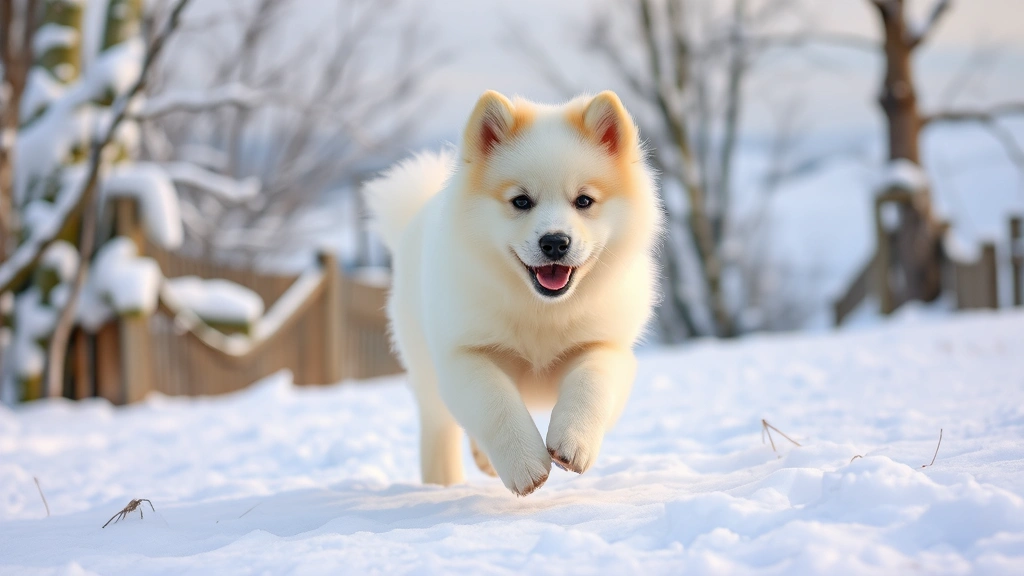
Socialization is critical during the first 16 weeks of life. Expose your puppy to different people, environments, sounds, and other dogs. Samoyeds are naturally friendly, but proper socialization ensures they grow into well-adjusted adults.
Exercise Requirements: They’re Not Couch Potatoes
Don’t let those adorable puppy eyes fool you—your puppy Samoyed dog has serious energy to burn. Samoyeds were bred to work all day in harsh conditions, so they need substantial daily exercise.

For puppies under 6 months, aim for 5 minutes of exercise per month of age, twice daily. So a 3-month-old pup needs about 15 minutes of exercise, twice daily. Avoid high-impact activities like jumping or running on hard surfaces until growth plates close (around 12-18 months), as this can cause joint damage.
Mental stimulation is just as important as physical exercise. Puzzle toys, training sessions, and interactive games keep their brilliant minds engaged and help prevent destructive behaviors born from boredom.

Health Concerns in Samoyed Puppies
While Samoyeds are generally healthy dogs, the breed is prone to certain genetic conditions. Hip dysplasia, elbow dysplasia, and progressive retinal atrophy (PRA) are concerns in the breed. Always purchase from a reputable breeder who conducts health testing on parent dogs.
Your puppy should visit the vet every 3-4 weeks until 16 weeks old for vaccinations and health checks. Ask your vet about the appropriate vaccination schedule and parasite prevention. Samoyeds can also be prone to hypothyroidism and heart conditions, so regular vet checkups throughout their life are essential.
Socialization and Temperament: Building a Well-Rounded Pup
Samoyeds are known for their gentle, friendly temperament, and your puppy Samoyed dog will likely be a social butterfly. However, this doesn’t mean they’ll automatically be comfortable in all situations without proper exposure.
Introduce your puppy to various surfaces (grass, tile, gravel), different weather conditions, car rides, grooming experiences, and veterinary handling. Create positive associations with each experience using treats and praise. This early socialization prevents fear-based behaviors later in life.
Choosing the Right Gear and Accessories
Invest in quality equipment for your growing pup. A sturdy leather dog collar is more durable than nylon and comfortable for daily wear. You’ll also need a properly fitted harness for walks—front-clip harnesses work well for Samoyeds to prevent pulling.
Other essentials include a quality leash, food and water bowls, a comfortable bed, crate for house training, and age-appropriate toys. Samoyeds love to chew, so provide durable chew toys to protect your furniture.
Common Behavioral Challenges and Solutions
Your puppy Samoyed dog might develop some challenging behaviors if not properly managed. Excessive barking is common—Samoyeds were bred to alert their owners to approaching predators. Address this through training and ensuring adequate exercise and mental stimulation.
Separation anxiety can develop if puppies aren’t gradually acclimated to alone time. Start with short absences and gradually increase duration. Destructive chewing often indicates boredom or anxiety, so ensure your pup has appropriate outlets and sufficient activity.

Jumping on people is adorable when they’re small but becomes problematic as they grow. Teach an “off” command and reward calm greetings with attention and treats.
Finding a Reputable Breeder
When searching for your puppy Samoyed dog, finding a reputable breeder is crucial. Visit the American Kennel Club (AKC) website to locate registered breeders in your area. Reputable breeders conduct health testing, provide health guarantees, and are genuinely interested in their puppies’ welfare.
Ask breeders about health testing results for both parents, request references from previous puppy buyers, and visit in person if possible. Be wary of breeders who seem only interested in making a sale or who have multiple litters available.
First Vet Visit and Preventative Care
Schedule your puppy’s first vet appointment within the first week of bringing them home. Your veterinarian will conduct a thorough health examination, establish a vaccination schedule, and discuss parasite prevention. According to PetMD, puppies typically need a series of vaccinations starting at 6-8 weeks of age.
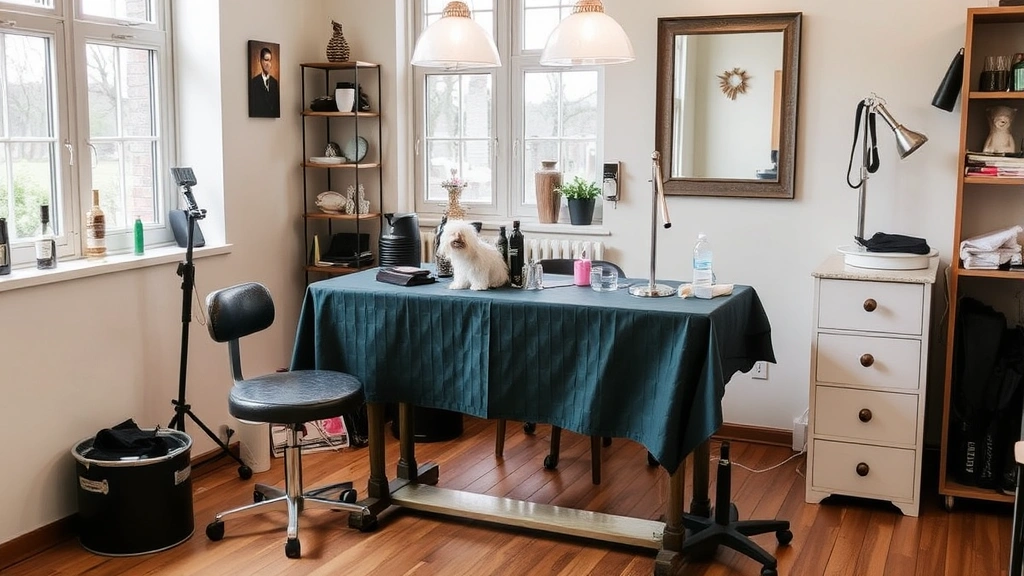
Discuss microchipping, spaying/neutering timing (often recommended between 6-12 months for large breeds), and any breed-specific health concerns. Establish a relationship with your vet early—they’ll be your partner in keeping your Samoyed healthy throughout their life.
Long-term Commitment: What the Future Holds
Bringing home a puppy Samoyed dog isn’t a short-term commitment. Samoyeds typically live 12-14 years, so you’re signing up for more than a decade of companionship. These dogs thrive on being part of the family and don’t do well if left alone for extended periods.

Plan for ongoing expenses including food, grooming, veterinary care, training, and unexpected health issues. Samoyeds are prone to some expensive conditions, so pet insurance might be worth considering.
Frequently Asked Questions
How much does a Samoyed puppy cost?
A puppy Samoyed dog from a reputable breeder typically costs between $600-$1,500. Prices vary based on lineage, health testing, and breeder reputation. Be cautious of puppies priced significantly lower, as this often indicates poor breeding practices or health issues.
Are Samoyed puppies good for first-time dog owners?
Samoyeds can work for first-time owners, but they require commitment to training, socialization, and grooming. Their independent nature and exercise requirements mean they’re not the easiest breed. However, their friendly temperament and intelligence make them rewarding for dedicated owners.
When do Samoyed puppies stop growing?
Most Samoyed puppies reach their full size by 12-15 months, though they continue filling out until 18-24 months. Growth plates typically close between 12-18 months, so avoid strenuous exercise before this point.
Do Samoyed puppies require professional training?
While professional training isn’t mandatory, many owners find it helpful, especially for first-time dog owners. Group puppy classes provide socialization opportunities and teach owners effective training techniques. However, consistent home training is equally important.
How often should I bathe my Samoyed puppy?
Bathe your puppy Samoyed dog monthly or as needed if they get particularly dirty. Over-bathing can strip natural oils from their coat. During shedding season, increase bathing frequency to help manage loose fur.
What’s the best way to house-train a Samoyed puppy?
Use crate training combined with frequent potty breaks. Take your puppy outside after meals, naps, playtime, and before bedtime. Praise and reward immediately when they eliminate outside. Expect house-training to take 4-6 months or longer—patience is essential.
Conclusion: Your Samoyed Adventure Awaits
Bringing home a puppy Samoyed dog is an exciting journey filled with cuddles, challenges, and countless memorable moments. These fluffy bundles of joy will reward your dedication with unwavering loyalty, endless affection, and probably a lot of fur on your furniture.
Success with your Samoyed puppy comes down to preparation, consistency, and genuine love for the breed. Invest time in training and socialization during those critical early months, maintain their grooming needs, provide adequate exercise and mental stimulation, and schedule regular veterinary care. With proper care and attention, your puppy Samoyed dog will grow into a well-adjusted, happy companion that brings joy to your life for years to come.
Remember, every puppy is unique, so don’t hesitate to reach out to your veterinarian or a professional trainer if you have questions or concerns. The Samoyed community is also incredibly supportive—don’t be shy about connecting with other Samoyed owners for advice and encouragement. Welcome to the wonderful world of Samoyed ownership!





