
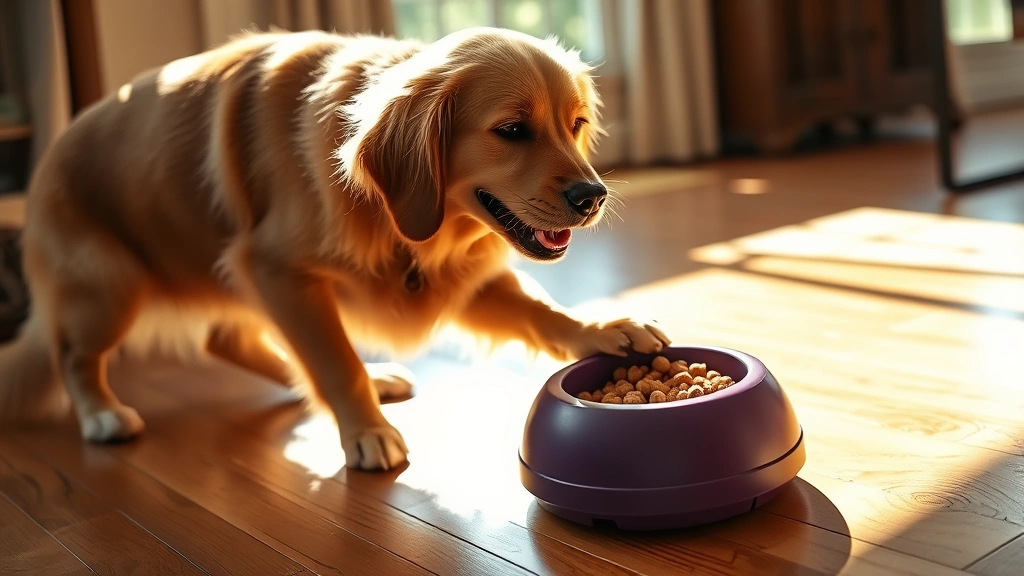
Puzzle feeders for dogs are game-changers for keeping your pup mentally stimulated while slowing down their eating speed. If your dog scarfs down meals in seconds flat or spends their day staring at you with the “I’m bored out of my mind” look, it’s time to level up their feeding game. These interactive toys turn mealtime into an actual challenge—and trust me, your dog will thank you (even if they grumble at first).
Table of Contents
- Why Puzzle Feeders Are a Game-Changer for Your Pup
- The Benefits of Interactive Feeding Toys
- Different Types of Puzzle Feeders for Dogs
- Top Pick #1: The Kong Wobbler
- Top Pick #2: The Outward Hound Nina Ottosson Level 2
- Top Pick #3: The West Paw Qwizl Treat Toy
- Top Pick #4: The Snuffle Mat Alternative
- Top Pick #5: The IQ Treat Ball
- How to Introduce Puzzle Feeders to Your Dog
- Combining Puzzle Feeders with Supplements
- Budget-Friendly Options
- Pairing Puzzle Feeders with Calming Support
- Maintenance and Safety Tips
- Frequently Asked Questions
- Summary: Give Your Dog the Mental Workout They Deserve
Why Puzzle Feeders Are a Game-Changer for Your Pup
Let’s be real: dogs get bored. Like, really bored. A bored dog is a destructive dog—chewing your favorite shoes, shredding the couch, or becoming a professional hole-digger in your backyard. Puzzle feeders solve this problem by transforming ordinary kibble into an engaging activity. When dogs have to work for their food, they’re mentally exercising their brains, which is just as important as physical exercise. In fact, the American Kennel Club emphasizes that mental stimulation is crucial for canine well-being. Plus, slower eating means better digestion and reduced risk of bloat—a serious condition in dogs.
The Benefits of Interactive Feeding Toys
Beyond just keeping your dog entertained, interactive feeding toys offer legitimate health benefits. Dogs that eat too quickly are prone to digestive issues and can develop dangerous bloat. Puzzle feeders naturally slow down consumption. They also provide enrichment that mimics natural foraging behaviors, tapping into your dog’s ancestral instincts. Think of it as giving your pup a job to do—and dogs love having jobs. PetMD notes that enrichment activities reduce anxiety and destructive behaviors while boosting overall happiness.
Different Types of Puzzle Feeders for Dogs
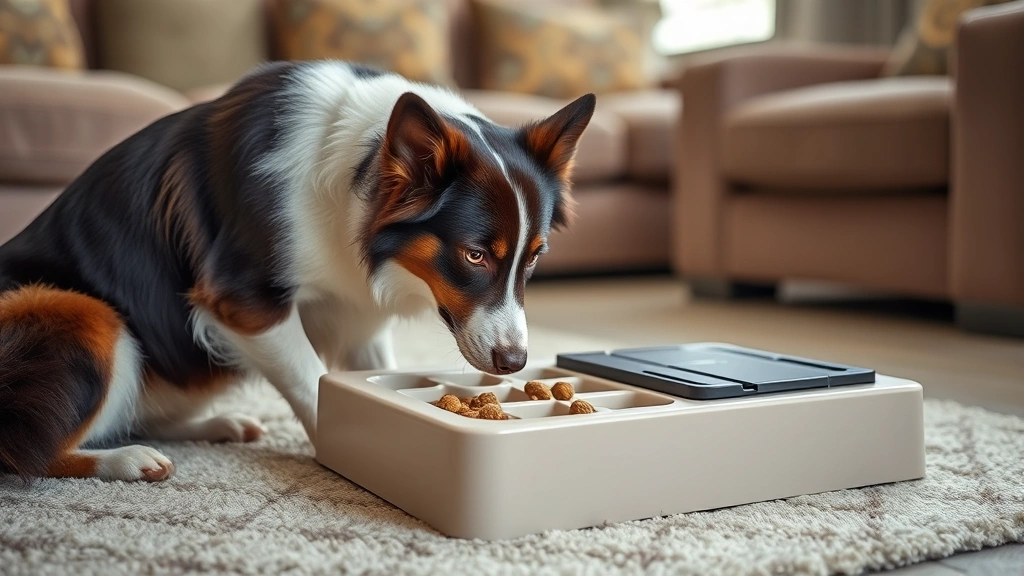
Not all puzzle feeders are created equal. There are several categories to choose from, depending on your dog’s skill level and personality. Some feature sliding compartments, others have rotating dials, and some require your dog to flip, spin, or lift pieces. Beginner-friendly options work great for dogs new to puzzle toys, while advanced models challenge even the smartest pups. The key is matching the difficulty level to your dog’s age, intelligence, and experience with puzzle toys.
Top Pick #1: The Kong Wobbler
The Kong Wobbler is a classic for a reason. This egg-shaped feeder wobbles unpredictably when your dog nudges it, dispensing kibble as they push it around. It’s perfect for dogs of all sizes and works on any floor surface. The slow-feed design means your pup spends 10-15 minutes on a meal instead of inhaling it in 30 seconds. Plus, it’s nearly indestructible—Kong’s reputation for durability is well-earned. The only downside? Some dogs figure it out faster than others, so you might need to graduate them to something trickier eventually.
Top Pick #2: The Outward Hound Nina Ottosson Level 2
If your dog is ready to level up their puzzle game, the Nina Ottosson Level 2 puzzle is where it’s at. This interactive toy features multiple compartments with sliding covers, flipping lids, and spinning dials. It’s designed by animal behaviorists and comes in different difficulty levels, so you can progress your dog as they master each stage. It’s also dishwasher safe, which is clutch when you’ve got a messy eater. Dogs typically spend 20-30 minutes working through this one, making it excellent for mental stimulation.
Top Pick #3: The West Paw Qwizl Treat Toy
The West Paw Qwizl is a durable, eco-friendly option made from natural rubber. You stuff it with treats or kibble, and your dog has to work it out through the openings. It’s tough enough for aggressive chewers and comes in multiple sizes. What sets it apart is the company’s commitment to sustainability—they even have a recycling program for worn-out toys. If your dog loves to chew while they eat, this is your answer. It’s also great for pairing with behavioral support supplements if your pup needs extra help with anxiety during feeding time.
Top Pick #4: The Snuffle Mat Alternative
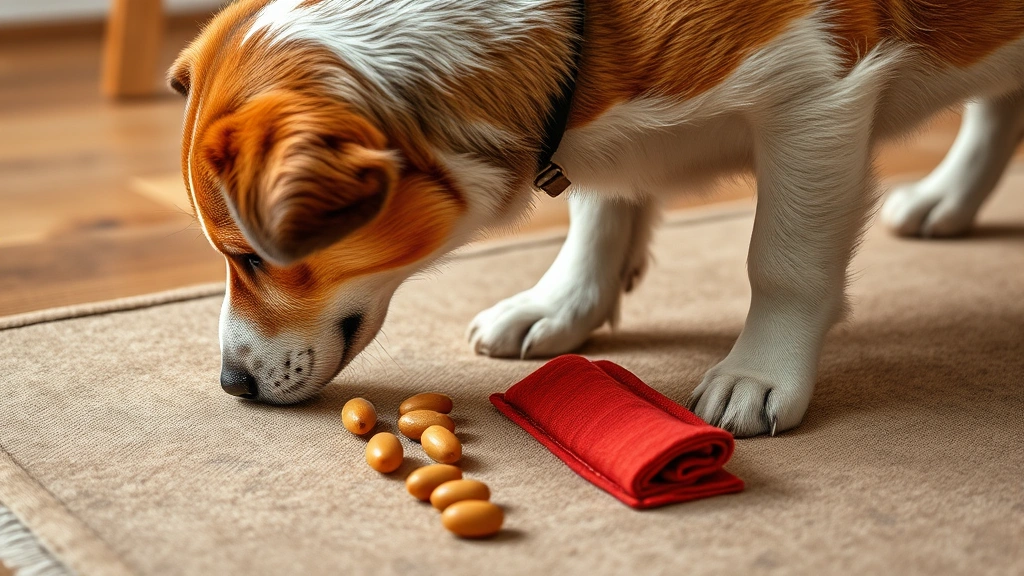
While technically not a traditional puzzle feeder, snuffle mats deserve mention here. You scatter kibble or treats across a mat with hidden pockets, and your dog sniffs and searches for their meal. It’s perfect for dogs with strong prey drives and mimics natural foraging. Snuffle mats are also portable, machine washable, and incredibly affordable. They work especially well for senior dogs or those with mobility issues who might struggle with more complex puzzle feeders.
Top Pick #5: The IQ Treat Ball
The IQ Treat Ball is compact, portable, and works great for travel or quick mental breaks. You fill it with kibble, and your dog rolls it around to dispense treats. It’s adjustable, so you can control the difficulty level by changing the hole sizes. Dogs can use it independently, making it perfect for crate training or keeping them occupied while you’re busy. At a budget-friendly price point, it’s an excellent starter puzzle feeder.
How to Introduce Puzzle Feeders to Your Dog
Don’t just plop a puzzle feeder down and expect instant success. Start by showing your dog how it works. Let them watch as you place treats inside and demonstrate how to open or move pieces. Some dogs catch on immediately; others need a few practice sessions. Begin with easier toys and gradually introduce more complex ones as their skills improve. And here’s the pro tip: use these feeders during times when your dog might otherwise get into trouble—like when you’re working from home or need them occupied during meal prep.
Combining Puzzle Feeders with Supplements
For dogs with anxiety or behavioral issues, combining puzzle feeders with proper nutrition makes a huge difference. Consider pairing interactive feeding toys with pet supplement starter kits to support overall wellness. Mental enrichment plus nutritional support creates a holistic approach to canine health. Some dogs benefit from tasty pet supplements that make the puzzle feeding experience even more rewarding.
Budget-Friendly Options
Not all puzzle feeders cost a fortune. DIY options include muffin tins with tennis balls in each cup (hide kibble under the balls) or toilet paper tubes stuffed with treats and folded at the ends. You can also check out budget friendly pet supplements to pair with affordable puzzle toys for a complete enrichment package. The investment doesn’t have to be huge—what matters is the mental stimulation your dog receives.
Pairing Puzzle Feeders with Calming Support
Some anxious dogs might initially stress over puzzle feeders. If that’s your pup, pair these toys with calming chews for dogs to help them relax while they learn. The combination of mental enrichment and calming support creates a positive feeding experience. Over time, as your dog becomes more confident with the puzzle, you can reduce reliance on calming aids.
Maintenance and Safety Tips
Always supervise your dog with new toys, especially at first. Check puzzle feeders regularly for wear and tear—loose pieces are a choking hazard. Wash them frequently to prevent bacteria buildup, and replace them when they show signs of damage. Store them in a cool, dry place, and never leave them out unsupervised with aggressive chewers. Safety first, fun second.
Frequently Asked Questions
Are puzzle feeders good for all dogs?
Puzzle feeders work for most dogs, but puppies under 6 months old and senior dogs with arthritis might need modified options. Always choose a size and difficulty level appropriate for your dog’s age and ability.
How often should I use puzzle feeders?
You can use them daily as a replacement for regular feeding bowls. Many owners rotate between puzzle feeders and regular bowls to keep things interesting and prevent boredom from setting in.
Can puzzle feeders help with weight management?
Absolutely. By slowing down eating and providing mental stimulation, puzzle feeders can help prevent overeating and obesity. Combined with proper portion control and exercise, they’re an effective tool for weight management.
What’s the best puzzle feeder for aggressive chewers?
The West Paw Qwizl and Kong Wobbler are both excellent for dogs that chew aggressively. Avoid plastic-heavy options that can break into sharp pieces.
Are puzzle feeders expensive?
Prices range from $10 to $50 depending on the brand and complexity. DIY options are even cheaper, making puzzle feeding accessible for any budget.
Summary: Give Your Dog the Mental Workout They Deserve
Puzzle feeders for dogs transform mealtime from a boring routine into an engaging activity that keeps your pup mentally sharp and physically satisfied. Whether you choose a Kong Wobbler for simplicity, a Nina Ottosson for advanced challenges, or a snuffle mat for natural foraging, your dog will benefit from the enrichment. Start with beginner-friendly options, gradually increase difficulty, and watch your dog’s confidence and happiness soar. Combined with proper nutrition, supplements, and regular exercise, puzzle feeders are one of the best investments you can make in your dog’s overall well-being. Your furniture will thank you, and your dog will have a blast.





