
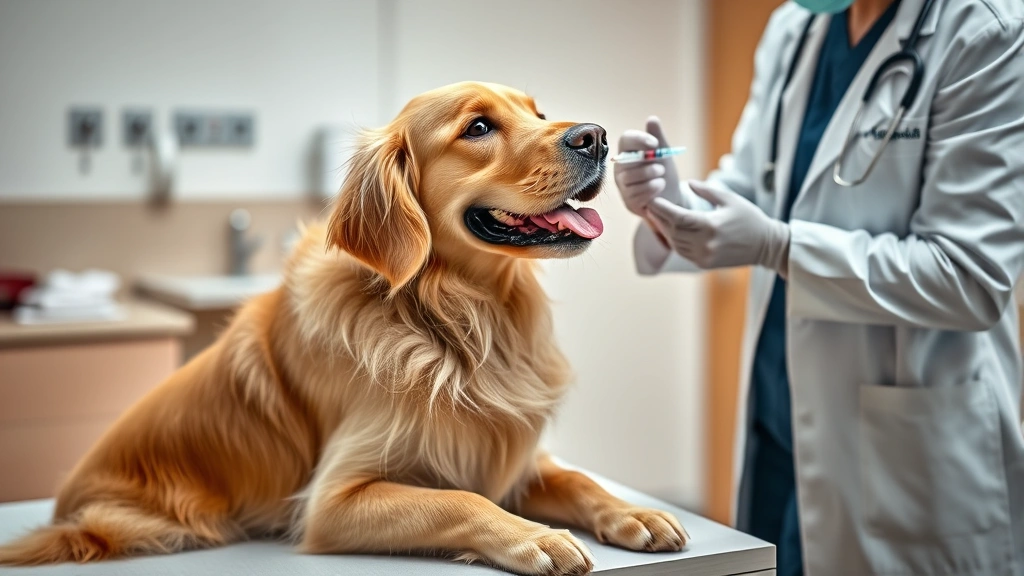
Listen up, dog parents—rabies shots for dogs aren’t just some optional wellness trend your vet mentions in passing. They’re literally a legal requirement in most places, a public health necessity, and frankly, the easiest way to keep your furry best friend from contracting one of the deadliest viruses known to humankind. Dramatic? Maybe. Accurate? Absolutely.
Table of Contents
- Why Rabies Shots for Dogs Actually Matter (Beyond the Legal Stuff)
- Understanding the Rabies Vaccination Schedule for Dogs
- Types of Rabies Vaccines Available for Dogs
- What Happens During a Rabies Vaccination Appointment
- Legal Requirements and Dog Licensing Laws
- Cost of Rabies Shots for Dogs: What to Budget
- What to Do If Your Dog Is Bitten by a Wild Animal
- Common Myths About Rabies Shots for Dogs
- Rabies Vaccination for Senior Dogs and Special Cases
- Traveling with Your Dog: Rabies Vaccination Requirements
- Side Effects and Safety Concerns
- Frequently Asked Questions
- Summary: Making Rabies Shots a Non-Negotiable Part of Dog Care
If you’ve ever wondered why your vet gets all serious when rabies comes up, or why animal control takes it so seriously, you’re about to find out. Let’s dive into everything you need to know about protecting your pup from this terrifying disease.
Why Rabies Shots for Dogs Actually Matter (Beyond the Legal Stuff)
Rabies isn’t some ancient disease that disappeared with the dinosaurs. It’s alive and well in wildlife populations across North America, Europe, and beyond. We’re talking raccoons, bats, skunks, and foxes—basically the neighbors your dog might encounter on a regular walk or backyard adventure.
Here’s the terrifying part: once symptoms appear, rabies is almost 100% fatal in dogs. Not 99%. Not 95%. Nearly 100%. There’s no treatment, no miracle cure, no second chances. Your dog gets bitten by a rabid animal, and without proper rabies vaccination for dogs, you’re looking at a death sentence.
But here’s the good news—rabies shots work incredibly well. We’re talking nearly 100% effective protection when administered properly. That’s why vets are so insistent about keeping your dog’s rabies vaccination current. It’s the difference between a preventable problem and a tragedy.
Understanding the Rabies Vaccination Schedule for Dogs
Your vet didn’t make up the vaccination schedule to be annoying. There’s actual science behind it. Most puppies receive their first rabies shot for dogs between 8 and 16 weeks of age, depending on your vet’s protocol and local laws.
Here’s the typical timeline:
- Initial vaccination: 8-16 weeks old
- Booster: 1 year later
- Subsequent boosters: Every 1-3 years, depending on the vaccine type and local regulations
Some vaccines are labeled for 1-year protection, while others provide 3-year coverage. Your vet will recommend what’s best for your specific situation. If you’re adopting an adult dog and don’t know their vaccination history? Start fresh with a new series. It’s not worth the risk.
Types of Rabies Vaccines Available for Dogs
Not all rabies vaccines are created equal, though they all do the job of protecting your pup. Your vet might offer:
Inactivated (Killed) Vaccines: These contain virus particles that have been killed, so they can’t cause the disease. They’re safe and effective, though they sometimes require a booster series initially.
Modified Live Vaccines: These contain weakened virus that can replicate but won’t cause disease in vaccinated dogs. They typically provide longer-lasting immunity with fewer boosters needed.
Both types work well. Your vet will choose based on your dog’s age, health status, and local availability. The most important thing? Get one of them into your dog’s system and keep it current.
What Happens During a Rabies Vaccination Appointment
If you’ve never taken your dog for rabies shots, here’s what to expect. Your vet will do a basic health check first—they won’t vaccinate a sick dog because the immune system needs to be functioning properly to build immunity.
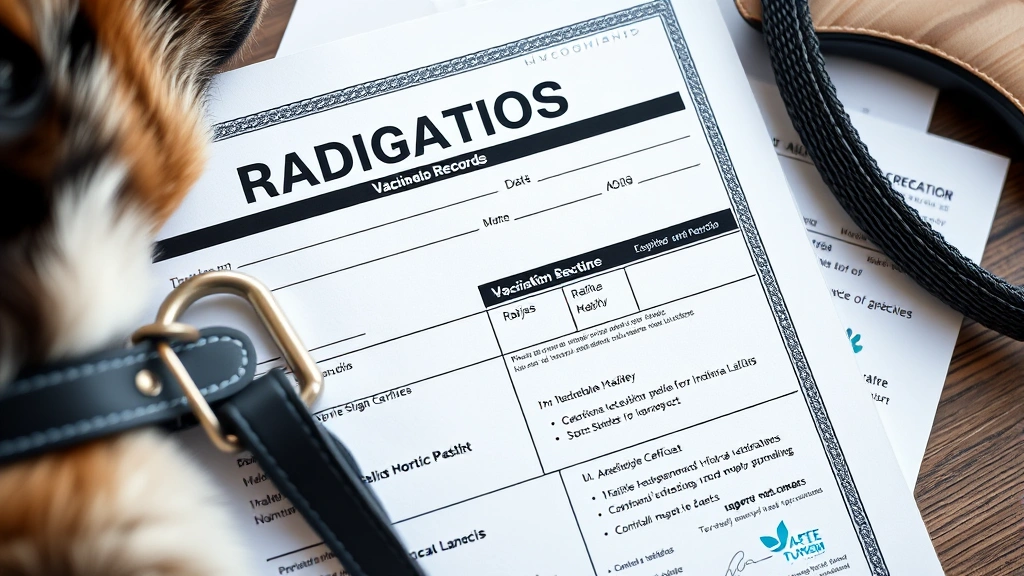
Then comes the injection itself, usually given under the skin (subcutaneously) or sometimes intramuscularly. It takes about 30 seconds. Most dogs barely notice it. Your vet will give you a vaccination certificate, which you’ll need for licensing, boarding, or travel.
Some vets recommend keeping your dog calm for 24 hours post-vaccination, though most dogs are totally fine to resume normal activities immediately. Mild side effects like slight lethargy or soreness at the injection site are normal and resolve within a day or two.
Legal Requirements and Dog Licensing Laws
Here’s where things get serious from a legal standpoint. In virtually every U.S. state and most countries worldwide, dog rabies vaccination is legally mandatory. Not suggested. Not recommended. Required.
The specific requirements vary by location:
- Some areas require vaccination by 12 weeks of age
- Others mandate it by 16 weeks
- Booster schedules vary from 1 to 3 years
- Some jurisdictions require proof for dog licensing
Failing to vaccinate your dog can result in fines ranging from $50 to several hundred dollars. If your unvaccinated dog bites someone? You’re looking at potential lawsuits, liability claims, and in worst cases, your dog being quarantined or euthanized regardless of whether it actually had rabies.
Beyond the legal stuff, there’s the ethical angle. Vaccinating your dog protects not just your pet, but your family, your neighbors, and the community. It’s one of the easiest ways to be a responsible pet owner.
Cost of Rabies Shots for Dogs: What to Budget
Let’s talk money. Rabies vaccination typically costs between $15 and $50 per shot, depending on your location and vet clinic. Urban areas tend to be pricier than rural ones. Fancy specialty clinics charge more than basic veterinary practices.
Some clinics offer rabies vaccines as part of package deals during puppy wellness exams. Others bundle them with other routine shots. Low-cost vaccination clinics in many areas offer rabies shots for $10-20, making it affordable even for budget-conscious owners.
Compare that cost to the potential expenses of treating a dog bite wound, dealing with post-exposure prophylaxis (PEP) if someone gets bitten, or the emotional devastation of losing your dog to rabies. The vaccine is basically free compared to those alternatives.
What to Do If Your Dog Is Bitten by a Wild Animal
Despite your best efforts, sometimes accidents happen. Your dog gets loose and tangles with a raccoon. A bat gets into your house. A coyote wanders through your yard.
If your dog is bitten or scratched by any wild animal:
- Don’t panic, but do act fast. Contact your vet immediately, even if it’s after hours. Many clinics have emergency numbers.
- Wash the wound thoroughly with soap and water if you can do so safely.
- If your dog is currently vaccinated: Your vet will likely give a rabies booster immediately. Your dog will be monitored, but the prognosis is excellent with current vaccination.
- If your dog is NOT vaccinated: This is where things get complicated. Depending on local laws, your dog may need to be quarantined for 10 days to 6 months. If the wild animal tests positive for rabies, unvaccinated dogs are often euthanized.
- If a human was bitten: Report it to animal control and public health immediately. The human will likely need post-exposure rabies treatment.
This is another reason current rabies vaccination is so critical. It’s literally the difference between a manageable situation and a catastrophic one. If you ever need to reference your dog’s vaccination status, keep that certificate somewhere safe and accessible.
Common Myths About Rabies Shots for Dogs
There’s a lot of misinformation floating around about dog rabies immunization, so let’s bust some myths:
Myth #1: Indoor dogs don’t need rabies shots. False. Bats can get into houses. Rabid animals can escape yards. One accident is all it takes. Plus, it’s legally required in most places regardless of lifestyle.
Myth #2: Rabies vaccines cause autism in dogs. This myth exists for humans too, and it’s completely false. There’s zero scientific evidence linking rabies vaccines to autism or developmental disorders in dogs.
Myth #3: My dog had rabies once and survived. Impossible. Rabies is fatal once clinical signs appear. If your dog survived, it either didn’t have rabies or the story is incomplete.
Myth #4: Natural immunity is better than vaccination. You can’t get natural immunity to rabies without catching the disease, and catching it means death. Vaccination is the only safe way to build immunity.
Myth #5: One rabies shot lasts forever. Depends on the vaccine. Some last 1 year, others 3 years. Your vet will tell you when your dog needs a booster.
Rabies Vaccination for Senior Dogs and Special Cases
What if your dog is older? What if they have health issues? Can they still get rabies shots?
In most cases, yes. Senior dogs can and should be vaccinated. Age alone isn’t a contraindication. However, dogs with certain health conditions might need special consideration. Immune-compromised dogs, dogs with severe allergies, or those with previous vaccine reactions need individualized assessment from your vet.
Even then, the benefits of rabies vaccination usually outweigh the risks. Your vet might recommend:
- Pre-medication with antihistamines or anti-inflammatory drugs
- Spacing out vaccines rather than combining them
- Using a specific vaccine type that’s gentler
- Monitoring more closely after vaccination
The key is having an honest conversation with your vet about your dog’s specific health situation. They can help determine the safest approach while still ensuring your dog gets protected.
Traveling with Your Dog: Rabies Vaccination Requirements
Planning a road trip or international adventure with your pup? Rabies vaccination documentation is often required.
Within the U.S., requirements vary by state, but most require proof of current rabies vaccination if you’re traveling across state lines or using certain services like boarding facilities or groomers.
For international travel, requirements are much stricter:
- Most countries require proof of rabies vaccination
- Some require vaccination at least 30 days before travel
- Others require a rabies titer test (blood work proving immunity)
- Some countries have quarantine periods for unvaccinated dogs
Always check with your destination country’s requirements well in advance. Your vet can help ensure your dog meets all necessary requirements. Keep that vaccination certificate accessible during travel—you might need to show it at borders or veterinary checkpoints.
Side Effects and Safety Concerns
Let’s be honest about potential side effects. While rabies vaccines are generally very safe, some dogs experience reactions.
Common, mild side effects:
- Slight swelling or soreness at injection site
- Low-grade fever
- Lethargy or reduced appetite for 24 hours
- Mild behavioral changes
These typically resolve within 48 hours without treatment.
Rare, serious side effects:
- Allergic reactions (facial swelling, difficulty breathing)
- Severe lethargy or collapse
- Seizures
- Anaphylaxis
If you notice any severe reactions, contact your vet immediately. That said, serious reactions are genuinely rare. Millions of dogs get rabies vaccines safely every year.
For dogs with documented vaccine allergies, your vet can discuss alternatives or pre-treatment options. The goal is to find a way to protect your dog while minimizing risk.
If you’re concerned about vaccines in general, check out our article on whether triple antibiotic ointment is safe for dogs to understand how we approach pet health and safety comprehensively. We also have resources on what to do if your dog ate chocolate and managing diarrhea in dogs to help you navigate other health concerns.
Frequently Asked Questions
How often does my dog need rabies shots?
It depends on the vaccine type and local regulations. Most vaccines require a booster every 1-3 years. Your vet will recommend the schedule based on which vaccine they use. Always check your local requirements, as some areas mandate specific intervals.
Can I give my dog a rabies shot at home?
No. Rabies vaccines must be administered by a licensed veterinarian. This ensures proper storage, handling, and documentation. The vet also assesses whether your dog is healthy enough to receive the vaccine. DIY vaccination is illegal and ineffective.
What if I can’t afford rabies shots for my dog?
Look for low-cost vaccination clinics in your area. Many communities offer discounted or free rabies vaccines through animal control or non-profit organizations. Some vets offer payment plans. The cost is minimal compared to potential consequences of not vaccinating.
Is there an age limit for rabies vaccination?
No. Dogs can be vaccinated at any age, from puppies to seniors. Age alone is not a reason to skip vaccination. Health status matters more than age, and your vet can assess whether vaccination is appropriate for your individual dog.
What happens if my dog’s rabies vaccination lapses?
If your dog’s rabies vaccination expires, you’ll need to get them re-vaccinated as soon as possible. If your dog bites someone before being re-vaccinated, the consequences can be serious. Some areas require quarantine or even euthanasia for unvaccinated dogs involved in bite incidents.
Can I get a rabies titer instead of vaccination?
A rabies titer is a blood test that measures antibody levels, proving immunity. While useful for international travel or specific situations, it’s not a substitute for vaccination in most places. Your vet can explain whether a titer makes sense for your dog’s situation.
Do indoor cats need rabies shots too?
Yes, cats should also be rabies vaccinated. The requirements and schedule are similar to dogs. Bats and other wildlife can enter homes, and cats are curious creatures who might encounter dangers. Rabies vaccination is just as important for cats as for dogs.
Summary: Making Rabies Shots a Non-Negotiable Part of Dog Care
Here’s the bottom line: rabies shots for dogs aren’t optional. They’re not something to debate or delay. They’re a fundamental part of responsible dog ownership.
Your dog depends on you to make decisions that keep them safe. Rabies vaccination is one of the easiest, most effective decisions you can make. It’s affordable, quick, and potentially life-saving.
Keep your dog’s vaccination certificate in a safe place. Mark your calendar for booster appointments. Talk to your vet about the best vaccine and schedule for your specific dog. If you travel, check requirements in advance.
Most importantly, don’t skip it. The stakes are too high, the prevention is too easy, and the protection is too valuable. Your dog is counting on you to keep them safe from one of the world’s deadliest diseases.
For other important pet health topics, check out our guide on whether diatomaceous earth is safe for dogs. Staying informed about pet health helps you make the best decisions for your furry family member.





