

If you’ve ever wondered whether your dog might have rage syndrome dogs condition, you’re not alone—and honestly, it’s terrifying to even consider. Picture this: your normally sweet golden retriever suddenly snaps at you unprovoked, or your usually gentle family pet transforms into an aggressive machine without warning. That’s the nightmare scenario we’re diving into today, and trust me, understanding this condition could literally save your dog’s life and protect your family.
Table of Contents
- What Exactly Is Rage Syndrome in Dogs?
- Warning Sign #1: Sudden Unprovoked Aggression Episodes
- Warning Sign #2: The “Blank Stare” Before Aggression
- Warning Sign #3: Aggression Followed by Apparent Confusion
- Warning Sign #4: No Clear Trigger or Pattern
- Warning Sign #5: Escalating Frequency or Intensity
- Medical Conditions Masquerading as Rage Syndrome
- Breed-Specific Considerations and Genetic Factors
- What NOT to Do If You Suspect Rage Syndrome
- Management and Treatment Options
- When to Seek Professional Help
- Living Safely With a Dog Suspected of Rage Syndrome
- Frequently Asked Questions
- Conclusion: Taking Action on Rage Syndrome Dogs
What Exactly Is Rage Syndrome in Dogs?
Rage syndrome in dogs—also called sudden-onset aggression or episodic aggression—is a rare but serious behavioral condition where a dog experiences sudden, unprovoked outbursts of extreme aggression. Unlike typical dog aggression that builds gradually, rage syndrome hits like a lightning bolt. One moment your pup is chilling on the couch, the next they’re lunging and snapping at anyone nearby.
The scary part? Rage syndrome dogs often show little to no warning signs before an episode. This isn’t your typical territorial or resource-guarding aggression. This is something different entirely. Some veterinarians and behaviorists believe it might be linked to neurological issues, brain tumors, or metabolic disorders, though the exact cause remains somewhat mysterious.
According to the American Kennel Club, certain breeds seem more predisposed to this condition, particularly English Cocker Spaniels and Springer Spaniels, though it can occur in any breed.
Warning Sign #1: Sudden Unprovoked Aggression Episodes
The hallmark of rage syndrome dogs is aggression that appears completely out of nowhere. Your dog isn’t guarding food, protecting territory, or reacting to perceived threats. They’re just… snapping. Hard. Violently.
These episodes typically last anywhere from a few seconds to several minutes, and during this time, your dog might:
- Bite without apparent reason
- Growl intensely at family members
- Chase people around the house
- Display glazed or dilated eyes
- Seem almost unaware of their surroundings
What makes this particularly dangerous is that these outbursts can happen multiple times per day or only occasionally, making it impossible for owners to predict when the next episode will strike. It’s like living with a time bomb you can’t defuse.
Warning Sign #2: The “Blank Stare” Before Aggression
Many owners of rage syndrome dogs report a peculiar phenomenon: their dog’s eyes seem to glaze over or become unfocused right before an aggressive episode. Some describe it as a “thousand-yard stare” or as if their dog has suddenly left the building mentally.
This blank stare might last just a few seconds before the aggression kicks in, but it’s often one of the most reliable warning indicators owners learn to recognize. It’s almost like watching a switch flip in your dog’s brain. During this moment, your pup might seem completely disconnected from reality and unresponsive to commands or familiar voices.
If you notice your dog developing this pattern, document it carefully and report it to your veterinarian immediately. This symptom alone warrants professional evaluation, as it could indicate a neurological issue or other underlying medical condition.
Warning Sign #3: Aggression Followed by Apparent Confusion
Here’s something that really sets rage syndrome dogs apart from other aggressive dogs: after an episode, they often seem confused or disoriented, as if they have no memory of what just happened. Your dog might look around bewildered, wag their tail, and try to snuggle with you—the very person they just tried to bite.
This post-episode confusion is actually a significant diagnostic clue. It suggests that during the rage episode, your dog wasn’t in full conscious control of their actions. This is very different from a dog who knows exactly what they’re doing when they’re being aggressive and shows no remorse afterward.
Some owners describe it as their dog “coming back to themselves” after the episode passes. They’ll seem almost apologetic, which is heartbreaking because you know your pup didn’t mean it—but that doesn’t make the bite any less dangerous.
Warning Sign #4: No Clear Trigger or Pattern
Normal dog aggression usually has identifiable triggers: a stranger at the door, someone touching their food bowl, or a perceived threat to their territory. But rage syndrome dogs often attack for no discernible reason. Your dog might be lying peacefully, then suddenly explode into violence.
This unpredictability is what makes rage syndrome so challenging to manage. You can’t simply avoid triggers because there often aren’t any obvious ones. Your dog might attack family members they’ve lived with peacefully for years, then show no aggression for weeks, lulling you into a false sense of security.
This lack of pattern makes it nearly impossible to manage through behavioral training alone. That’s why professional veterinary evaluation is absolutely crucial. Issues like liver disease in dogs or other metabolic disorders can sometimes cause similar behavioral changes.
Warning Sign #5: Escalating Frequency or Intensity
If your dog has had one aggressive episode, pay close attention to whether the episodes are increasing in frequency or becoming more severe. Many owners report that once rage syndrome appears, the episodes tend to get worse over time.
What might start as one bite per month could escalate to multiple incidents per week. The intensity might also increase—from a quick snap to a sustained, serious attack. This escalation pattern is a red flag that demands immediate professional attention.
Keep a detailed log of every incident, including:
- Date and time of the episode
- Duration of the aggression
- What your dog was doing beforehand
- Any potential triggers you noticed
- Severity of the aggression
- How your dog behaved afterward
This documentation will be invaluable when you visit your veterinarian and will help them determine whether this is truly rage syndrome or another condition entirely.
Medical Conditions Masquerading as Rage Syndrome
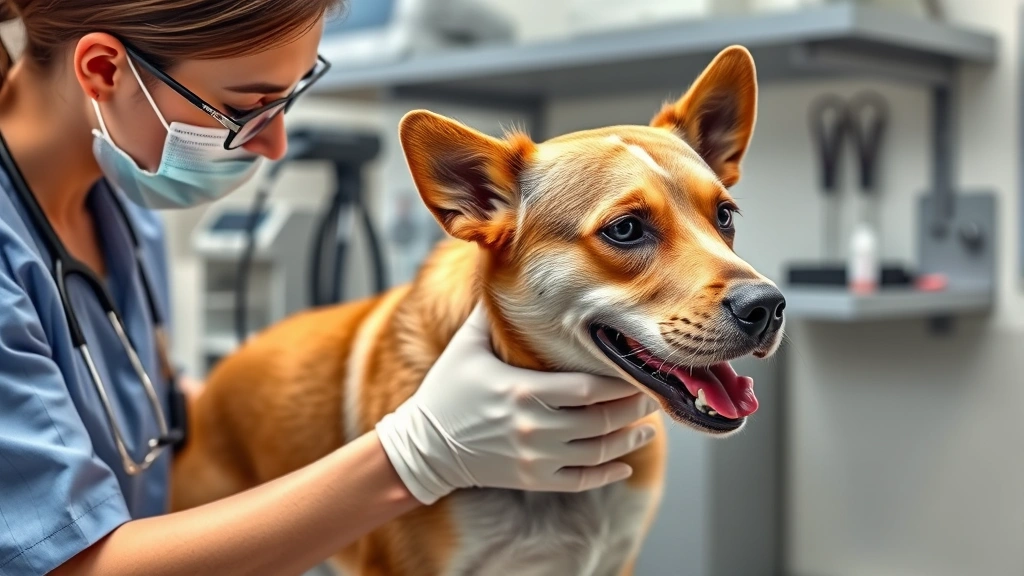
Here’s the crucial part that every dog owner needs to understand: what looks like rage syndrome might actually be a medical issue. Conditions like brain tumors, encephalitis, thyroid problems, and other neurological disorders can all cause sudden aggressive episodes.
According to PetMD, before any behavioral diagnosis is made, your vet should rule out medical causes first. This means bloodwork, possibly imaging, and a thorough physical examination. Some cases of apparent rage syndrome dogs have actually been caused by treatable conditions like hyperthyroidism or vitamin deficiencies.
This is why self-diagnosing your dog with rage syndrome is dangerous. You need professional veterinary evaluation to determine what’s really going on.
Breed-Specific Considerations and Genetic Factors
While rage syndrome can occur in any breed, certain breeds have shown higher predisposition. English Cocker Spaniels and Springer Spaniels have historically been associated with “rage syndrome” or what was sometimes called “cocker rage.” However, modern research suggests this might be more about individual genetics and breeding practices than breed-wide traits.
Some researchers believe that selective breeding for certain temperament traits might have inadvertently selected for neurological vulnerabilities in some lines. This doesn’t mean all dogs of these breeds are at risk—far from it. But if you own one of these breeds and notice concerning behavioral changes, it’s worth discussing breed-specific risk factors with your vet.
Interestingly, mixed breeds can develop rage syndrome too, suggesting that individual genetic factors matter more than breed alone.
What NOT to Do If You Suspect Rage Syndrome
Before we talk about management strategies, let’s be clear about what you should absolutely avoid:
- Don’t punish your dog. Punishment won’t help and might actually make things worse by creating fear and anxiety.
- Don’t try to “train it out.” This isn’t a behavior problem that responds to traditional training methods.
- Don’t wait and hope it goes away. Rage syndrome typically doesn’t resolve on its own and often worsens.
- Don’t put your family at risk. If your dog is dangerous, prioritize safety over sentiment.
- Don’t rely solely on online advice. You need professional evaluation from a veterinarian and possibly a board-certified veterinary behaviorist.
These aggressive episodes can cause serious injury. We’re talking deep bites, lacerations, and trauma. This isn’t something to manage casually.
Management and Treatment Options
If your veterinarian confirms your dog has rage syndrome, there are several management strategies to consider:
Medication: Some dogs respond well to anti-anxiety medications or mood stabilizers. Your vet might recommend drugs like fluoxetine (Prozac) or other SSRIs. These won’t cure rage syndrome, but they can reduce episode frequency and severity.
Environmental Management: Minimize stress triggers where possible. Keep your dog in a calm, predictable environment. Avoid situations that might escalate anxiety.
Behavioral Modification: While traditional training won’t “fix” rage syndrome, working with a board-certified veterinary behaviorist might help you learn to recognize pre-episode signs and manage your dog more safely.
Dietary Considerations: Some owners report improvements with specific diets or supplements, though scientific evidence is limited. Discuss nutritional options with your vet.

Sometimes, despite all efforts, the safest option is euthanasia. This is heartbreaking to consider, but if your dog poses a serious safety risk to your family and treatment isn’t effective, it might be the most responsible choice. Your veterinarian can help you make this difficult decision.
When to Seek Professional Help
Don’t wait to contact your veterinarian if you notice any of these warning signs. Schedule an appointment if your dog:
- Shows sudden, unprovoked aggression
- Has episodes where they seem disconnected from reality
- Displays confusion after aggressive outbursts
- Shows escalating frequency or severity of aggression
- Bites family members without clear provocation
If possible, consult with a board-certified veterinary behaviorist (you can find them through the American College of Veterinary Behaviorists website). These specialists have extensive training in diagnosing and managing behavioral conditions.
Interestingly, some dogs with underlying health issues like Lyme disease in dogs can develop behavioral changes, so comprehensive medical evaluation is essential.
Living Safely With a Dog Suspected of Rage Syndrome
If you’re currently living with a dog showing these symptoms, prioritize safety:
- Never leave your dog unsupervised with children
- Keep your dog separated from other pets when you can’t monitor them closely
- Wear protective clothing if episodes have resulted in bites
- Have a safety plan for family members
- Consider crate training for times when you can’t actively supervise
- Keep a first aid kit readily available
This might sound extreme, but a serious bite can cause permanent scarring, infection, or even life-threatening injuries. Safety comes first, always.
Frequently Asked Questions
Is rage syndrome curable?
Rage syndrome is rarely “cured” in the traditional sense, but it can often be managed with medication, environmental modifications, and behavioral strategies. Some cases improve significantly with treatment, while others remain challenging despite intervention. The prognosis depends on the underlying cause and individual dog factors.
Can rage syndrome develop suddenly in an older dog?
Yes, absolutely. While rage syndrome can appear at any age, sudden behavioral changes in older dogs often indicate medical issues like cognitive dysfunction, pain, or neurological problems. Always rule out medical causes first, especially in senior dogs.
Is a dog with rage syndrome dangerous forever?
Not necessarily. With proper treatment and management, many dogs show significant improvement. However, some dogs remain unpredictable and dangerous despite all intervention efforts. In these cases, euthanasia might be the most responsible option.
Can I prevent rage syndrome in my dog?
There’s no guaranteed prevention, but responsible breeding practices, proper socialization, minimizing stress, and maintaining good health through regular veterinary care might help reduce risk. However, some cases seem to have a strong genetic component that’s difficult to prevent.
Should I report my dog to authorities if they have rage syndrome?
This depends on your local laws and whether your dog has actually bitten someone. Some jurisdictions require reporting of dog bites. Consult with your veterinarian and local animal control about your legal obligations.
Conclusion: Taking Action on Rage Syndrome Dogs
Rage syndrome in dogs is a serious, potentially dangerous condition that demands professional attention. If you’ve noticed any of these five warning signs—sudden unprovoked aggression, blank stares before episodes, post-episode confusion, lack of clear triggers, or escalating frequency—don’t hesitate to contact your veterinarian.
Remember, what looks like a behavior problem might actually be a medical issue. Your vet needs to rule out underlying health conditions before any behavioral diagnosis can be made. Keep detailed records of episodes, prioritize your family’s safety, and work with qualified professionals including veterinarians and board-certified behaviorists.
Living with a dog showing signs of rage syndrome is stressful and scary, but you’re not alone. Many owners have faced this challenge and found ways to manage it successfully. The key is taking it seriously, seeking professional help promptly, and making decisions based on safety and your dog’s quality of life.
Your dog might be experiencing something they can’t control. That doesn’t make them a “bad dog”—it makes them a dog who needs help. And you, as their owner, are in the best position to get them that help.





