

The rainbow bridge for dogs is a beautiful metaphor that helps pet owners process the grief of losing their furry best friend. If you’ve recently lost a dog or are facing that heartbreaking moment, understanding this concept can provide comfort during one of life’s toughest transitions.
Table of Contents
- What Is the Rainbow Bridge for Dogs?
- Understanding Pet Grief and Loss
- The Original Rainbow Bridge Poem
- Stages of Pet Loss and Grief
- How the Rainbow Bridge Helps with Healing
- Creating Meaningful Pet Memorials
- When to Seek Professional Pet Loss Support
- Helping Children Understand Pet Loss
- The Science Behind Pet Attachment and Loss
- Moving Forward While Honoring Their Memory
- Frequently Asked Questions
- Summary: The Rainbow Bridge as a Healing Tool
What Is the Rainbow Bridge for Dogs?
The rainbow bridge is a poetic concept describing a peaceful place where deceased pets wait for their owners after death. The term comes from a popular poem written in the 1980s that depicts a lush meadow where healthy, happy versions of our beloved pets roam freely. Dogs that were sick, injured, or elderly are restored to perfect health, playing and frolicking until their humans arrive.
This metaphorical bridge serves as a gentle way to explain death to children and adults alike. It acknowledges that our pets aren’t truly gone—they’re just waiting on the other side, healthy and whole. Many veterinarians and pet loss counselors recommend discussing the rainbow bridge concept with grieving families because it offers hope without dismissing the very real pain of loss.
Understanding Pet Grief and Loss
Losing a dog isn’t just losing a pet; it’s losing a family member, routine companion, and source of unconditional love. Your dog was there for your morning walks, your stressful workdays, and your quiet evenings. That absence hits hard.
Pet grief is legitimate grief. Studies show that losing a dog can trigger the same emotional responses as losing a human family member. Your brain has to adjust to the absence of daily rituals—no more feeding time, no more walks, no more excited greetings at the door. These aren’t small things. They’re the fabric of your daily life.
The rainbow bridge concept helps because it validates your grief while offering a framework for healing. It says: “Your dog was important. Your dog mattered. Your dog still matters.”
The Original Rainbow Bridge Poem
The most famous version of the rainbow bridge poem was penned by an unknown author in the 1980s, though various versions exist. The poem describes a beautiful land where pets wait after death—a place of perfect weather, endless food, and joyful play. Sick and elderly pets are restored to youth and vigor, free from pain and suffering.
The poem’s most powerful moment comes at the end when the deceased pet sees their owner approaching and runs across the rainbow bridge to reunite. It’s a tearjerker, but in the best way—it transforms grief into hope.
Many pet owners print this poem, frame it, or read it during memorial services. Some veterinary clinics display it in their waiting rooms. The poem’s enduring popularity speaks to how deeply it resonates with anyone who’s loved a dog.
Stages of Pet Loss and Grief
Just like human grief, pet loss follows recognizable stages. Understanding these can help you navigate your emotions without feeling like you’re going crazy.
Denial: “This can’t be happening.” Your mind tries to protect you from the full weight of loss by refusing to accept it initially.
Anger: “Why my dog? Why now?” You might feel angry at yourself, your vet, or even your dog for leaving you. This is normal.
Bargaining: “If only I had…” You replay moments, wondering if different choices would’ve changed the outcome. Spoiler alert: Usually, you did everything right.
Depression: The reality settles in. You feel the weight of absence. This is when the rainbow bridge concept becomes most meaningful—it offers a gentle narrative that your dog isn’t suffering anymore.
Acceptance: You begin to remember your dog with more smiles than tears. The pain doesn’t disappear, but it transforms into gratitude for the time you had together.
How the Rainbow Bridge Helps with Healing
The rainbow bridge narrative provides several psychological benefits during pet loss. First, it offers closure without finality. Your dog isn’t gone forever—they’re waiting. This perspective helps many people feel connected to their pets even after death.
Second, it emphasizes that your dog’s suffering has ended. If your dog was dealing with chronic illness, kidney disease, or age-related conditions, the rainbow bridge concept suggests they’re now pain-free and healthy. That can bring genuine comfort.
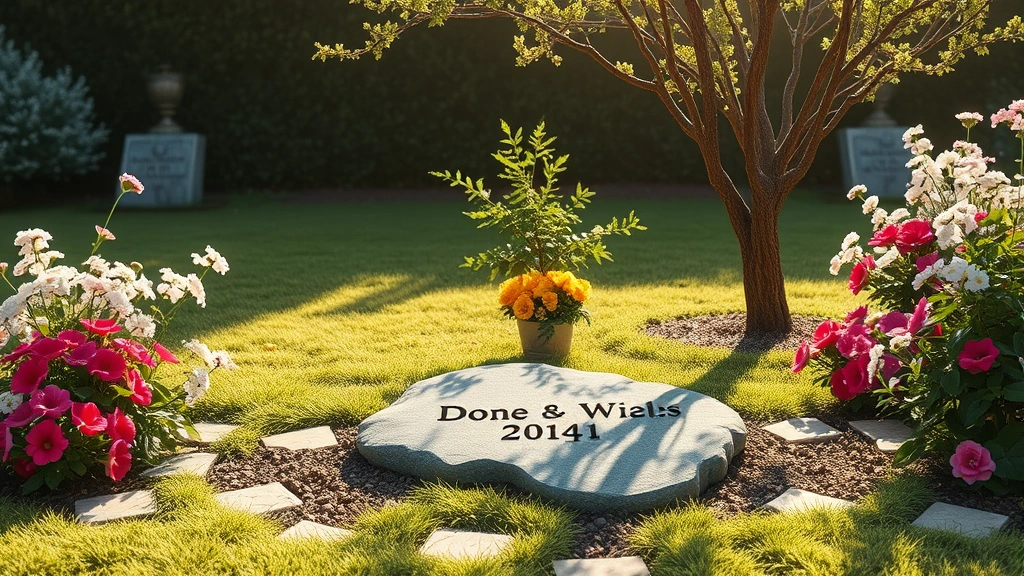
Third, it normalizes pet grief. By acknowledging that this loss deserves recognition and that your pet deserves remembrance, the rainbow bridge validates your emotions. You’re not “just” mourning a dog—you’re honoring a loved one.
Many people find that visualizing their dog healthy and happy on the rainbow bridge—free from the pain of lipomas, arthritis, or other ailments—helps them let go with peace rather than anguish.
Creating Meaningful Pet Memorials
Beyond the rainbow bridge concept, creating tangible memorials helps process grief. Consider these options:
Photo albums: Gather your favorite pictures and create a physical or digital album. Flipping through memories helps celebrate your dog’s life rather than focusing solely on their death.
Paw print keepsakes: Many vets offer clay paw print impressions or ink pads. Having your dog’s actual paw print immortalized is deeply comforting.
Planting a tree: Some families plant a tree in their yard as a living memorial. Every time it grows, you’re reminded of your dog’s lasting impact on your life.
Donation in their name: Contributing to animal shelters or rescue organizations in your dog’s memory turns grief into action. Your dog’s legacy helps other animals.
Custom art: Commission a portrait or illustration of your dog. Many artists specialize in pet memorials and can create beautiful, personalized tributes.
The Your Local Scoop Blog has additional resources on honoring your pet’s memory in meaningful ways.
When to Seek Professional Pet Loss Support
If your grief feels overwhelming or isn’t improving after several months, professional support can help. Pet loss counselors and grief therapists understand that this loss is real and significant.
Many veterinary clinics, including those affiliated with the American Animal Hospital Association (AAHA), offer grief counseling resources. The Association for Pet Loss and Bereavement (APLB) provides support hotlines and online communities where you can connect with others experiencing similar loss.
Don’t minimize your grief by thinking “it was just a dog.” That dog was your companion, your responsibility, and your friend. Seeking help is a sign of strength, not weakness.
Helping Children Understand Pet Loss
Explaining death to children is challenging, but the rainbow bridge concept is age-appropriate and comforting. You can tell children that their dog isn’t suffering anymore and is playing happily in a beautiful place.
Frame it around what your dog loved: “Buddy is on the rainbow bridge now, running through fields without his sore joints hurting. He’s healthy and happy, and he’ll always be in our hearts.”
Allow children to participate in memorials. Let them draw pictures, write letters, or plant flowers. These activities help them process grief in concrete ways.
If your dog had special needs—like blindness or mobility issues—you can explain that on the rainbow bridge, their dog can see and run perfectly again. This reframes the dog’s earthly limitations into a hopeful afterlife.

The Science Behind Pet Attachment and Loss
Your grief isn’t sentimental—it’s neurological. When you bond with a dog, your brain releases oxytocin, the same bonding hormone that strengthens human relationships. Your dog literally shaped your brain’s neural pathways.
Research from institutions like UC Davis veterinary school confirms that pet loss activates the same grief centers in the brain as human loss. Your body doesn’t distinguish between mourning a person and mourning a pet—the pain is equally real.
This is why the rainbow bridge concept matters scientifically, not just emotionally. It gives your brain a narrative framework to process the neurological void left by your dog’s absence. It’s not denial; it’s a healthy way to reorganize your emotional understanding of loss.
Moving Forward While Honoring Their Memory
Healing doesn’t mean forgetting. It means integrating your dog’s memory into your life in a way that brings comfort rather than pain. The rainbow bridge concept supports this beautifully.
Some people find that after grieving, they’re ready for a new dog. Others need years. Both are okay. The rainbow bridge doesn’t require you to replace your dog or move on quickly. It simply offers a gentle framework: your dog is at peace, and your love for them transcends their physical presence.
You might notice that certain moments trigger memories—a dog that looks like yours, a favorite walking route, their birthday. These moments don’t mean you’re not healing. They mean your dog mattered enough to leave permanent imprints on your life. That’s beautiful.
Frequently Asked Questions
Is the rainbow bridge a religious concept?
No, the rainbow bridge is secular and metaphorical. It doesn’t depend on any particular religious belief system, though people of all faiths find comfort in it. Some interpret it spiritually; others see it as a poetic way to process loss. Both interpretations are valid.
When should I consider getting another dog?
There’s no timeline. Some people feel ready after a few weeks; others need years. Don’t let anyone pressure you. A new dog isn’t a replacement—it’s a new relationship. You’ll know when you’re ready because you’ll be excited about a new companion rather than trying to fill a void.
How do I explain my dog’s death to my other pets?
Pets grieve too. Continue normal routines, maintain their exercise and feeding schedules, and offer extra comfort. Your other pets will sense your grief, so managing your own emotions helps them. You don’t need to explain death to them in words—just provide stability and love.
Is it normal to feel guilty after my dog dies?
Absolutely. Most pet owners experience guilt: “Should I have caught the illness earlier? Should I have chosen different treatment?” This is part of grief. Remember: you made the best decisions you could with the information you had. Your dog knew they were loved. That’s what matters.
Can I have my dog cremated and keep their ashes?
Yes. Many pet cremation services offer individual cremation so you receive your specific dog’s ashes. You can keep them in an urn, scatter them in a meaningful location, or incorporate them into memorial jewelry. This creates a physical connection to your dog’s memory.
Summary: The Rainbow Bridge as a Healing Tool
The rainbow bridge for dogs is more than a cute poem—it’s a powerful grief framework that validates your loss while offering hope. It acknowledges that your dog was important, that their absence is real, and that the bond you shared transcends death.
Whether you’re in the depths of fresh grief or remembering a beloved companion from years past, the rainbow bridge concept provides comfort. Your dog isn’t suffering. They’re healthy, happy, and waiting. And the love you shared? That’s eternal.
Grieve fully. Honor your dog’s memory. Create meaningful memorials. Seek support when you need it. And when you’re ready, remember your dog with joy rather than just sadness. That’s what they’d want.
For additional resources on pet health and care topics, visit our guide on common dog health issues to learn more about caring for your living pets.





