
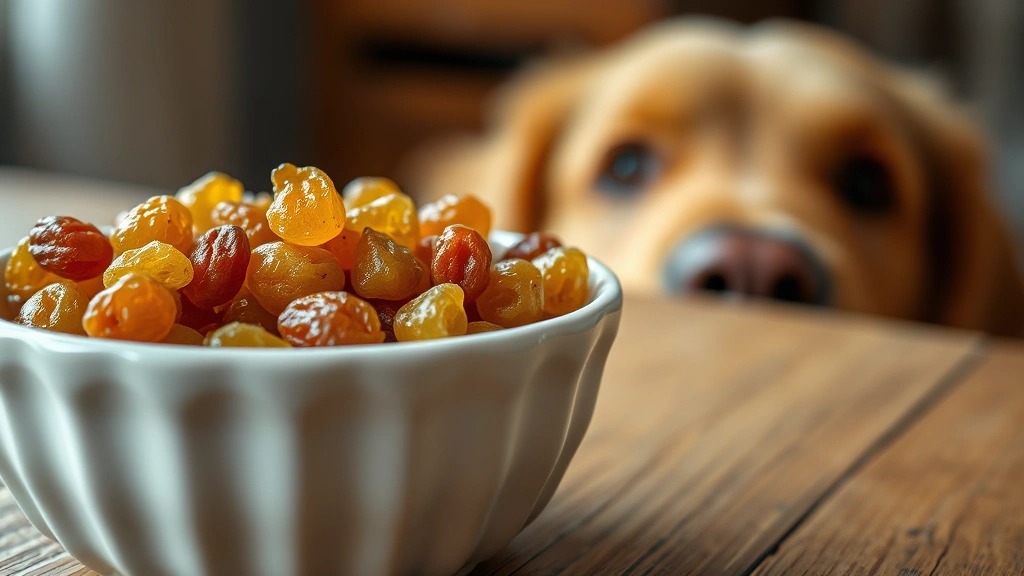
If you’re wondering whether raisins and dogs mix safely, here’s the straight answer: they absolutely don’t. Raisins are toxic to dogs and should never be part of your pup’s diet, no matter how small the amount or how much those puppy dog eyes beg for a taste of your snack. This isn’t some myth floating around dog parks—it’s a serious health concern backed by veterinary science that every responsible pet owner needs to understand.
Table of Contents
- Why Are Raisins Toxic to Dogs?
- Grape and Raisin Poisoning: Understanding the Connection
- Symptoms of Raisin Toxicity in Dogs
- What to Do If Your Dog Eats Raisins
- Hidden Sources of Raisins You Should Know About
- Safe Alternatives to Raisins for Dog Treats
- Quality Dog Food: The Foundation of Safety
- Teaching Family Members and Visitors About Raisin Safety
- When to Call the Vet vs. Emergency Care
- Frequently Asked Questions
- The Bottom Line on Raisins and Dogs
Why Are Raisins Toxic to Dogs?
The toxicity of raisins in dogs remains somewhat mysterious even to veterinary researchers, which honestly makes it scarier. What we know is that raisins contain a compound that causes acute kidney failure in canines, but scientists haven’t pinpointed exactly which component is the culprit. It could be a pesticide residue, a naturally occurring toxin in the grape, or some combination of compounds that only affects dogs’ kidneys.
The scary part? The toxicity is dose-dependent, meaning even a tiny amount could potentially trigger a reaction in some dogs, while others might need to consume more. This unpredictability is precisely why veterinarians recommend complete avoidance. There’s no safe threshold, no magical number of raisins your dog can eat without consequences.
Grape and Raisin Poisoning: Understanding the Connection
Raisins are just dried grapes, so it makes sense that grape and raisin poisoning share the same toxic mechanism. Both fresh grapes and dried raisins contain whatever compound causes kidney damage in dogs. Some dogs have shown sensitivity to grapes, while others have developed severe illness from raisins—the dried version concentrates whatever toxins are present.
The ASPCA Animal Poison Control Center has documented hundreds of cases of grape and raisin toxicity in dogs over the years. What’s particularly troubling is that the reaction can be delayed, making it harder to connect the symptom to the cause if you’re not certain what your dog ate.
Symptoms of Raisin Toxicity in Dogs
If your dog has consumed raisins, watch for these warning signs within 24-72 hours (though sometimes symptoms appear within just a few hours):
- Vomiting and diarrhea – Often the first sign something’s wrong
- Loss of appetite – Your normally enthusiastic eater suddenly turns their nose up
- Lethargy – Unusual tiredness or lack of interest in activities
- Abdominal pain – Whining, hunching, or reluctance to move
- Increased thirst and urination – Could indicate kidney involvement
- Dehydration – Dry gums, sunken eyes
- Kidney failure symptoms – In severe cases, this can be fatal
The progression from mild symptoms to serious kidney failure can happen rapidly, which is why immediate veterinary attention is crucial. Don’t wait to see if symptoms improve on their own.
What to Do If Your Dog Eats Raisins
Panic won’t help, but quick action will. Here’s your game plan:
Step 1: Don’t Delay – Contact your veterinarian or emergency vet clinic immediately, even if it’s the middle of the night. Bring the raisin box or packaging so your vet knows exactly what your dog consumed.
Step 2: Provide Information – Tell your vet your dog’s weight, the approximate number of raisins eaten (if you know), and when the ingestion occurred. This helps them assess the risk level.
Step 3: Follow Professional Guidance – Your vet might recommend inducing vomiting if caught early enough, or they might want to monitor your dog with bloodwork to check kidney function. Don’t attempt home remedies or induce vomiting without professional instruction.

Step 4: Monitor Closely – Even if your dog seems fine initially, kidney damage can develop over days. Your vet will likely recommend follow-up bloodwork to ensure kidney values remain normal.
The good news? If caught early, some cases of raisin toxicity can be managed successfully with aggressive supportive care. But prevention is infinitely better than treatment.
Hidden Sources of Raisins You Should Know About
The obvious culprits are raisins sitting in a bowl on your counter, but raisins hide in surprising places:
- Baked goods – Cookies, muffins, bread, and granola bars often contain raisins
- Breakfast cereals – Many popular brands include raisins
- Trail mix and snack mixes – A common ingredient mixed with nuts and chocolate (which is also toxic)
- Oatmeal packets – Some flavored instant oatmeals contain raisins
- Protein bars and energy bars – Check those labels carefully
- Dried fruit mixes – Obviously, but easy to forget when sharing snacks
- Certain dog treats – Yes, some poorly formulated dog treats actually contain raisins, which is infuriating
Always read ingredient labels before sharing any human food with your dog. This connects to other toxic foods like onion powder and pepperoni, which also require vigilance.
Safe Alternatives to Raisins for Dog Treats
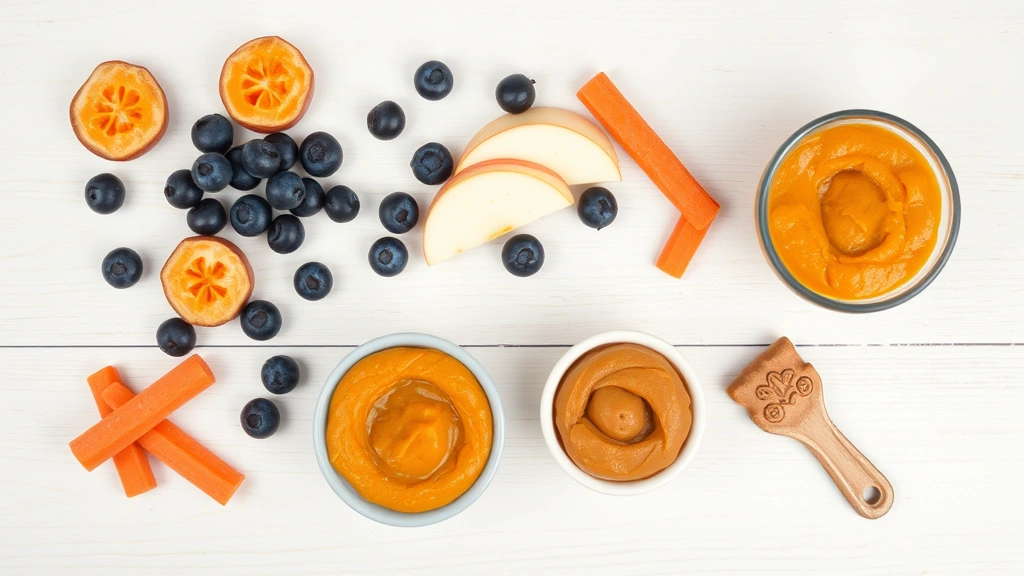
Your dog doesn’t need raisins to enjoy a delicious snack. There are plenty of dog-safe alternatives that provide similar nutritional benefits without the toxicity risk:
- Fresh berries – Blueberries, strawberries, and raspberries are safe and packed with antioxidants
- Apples – Remove seeds first, but the flesh is perfectly fine
- Carrots – Great for dental health and low in calories
- Pumpkin – Excellent for digestion and a favorite of most dogs
- Watermelon – Hydrating and refreshing, especially in summer
- Sweet potatoes – Sweet potatoes are genuinely good for dogs and make satisfying chews
- Bananas – In moderation, these are fine and provide potassium
- Peanut butter – Most dogs go crazy for it (make sure it’s xylitol-free, as xanthan gum and other additives can be problematic)
These alternatives satisfy your dog’s desire for treats while keeping them safe and healthy.
Quality Dog Food: The Foundation of Safety
Beyond avoiding toxic foods like raisins, ensuring your dog eats quality nutrition is the best preventative health measure. A well-balanced diet supports kidney function and overall health, making your dog more resilient. When selecting commercial dog food, look for brands that prioritize whole meat sources and avoid fillers. Quality dog food brands like Merrick focus on nutritional integrity, while lamb meat provides excellent protein for many dogs.
Teaching Family Members and Visitors About Raisin Safety
You can control what your dog eats when you’re home, but visitors, kids, and family members might not realize raisins are dangerous. Have a conversation with everyone who interacts with your dog about the raisin rule. Post a note on your fridge if necessary. Make it clear that no human food should be shared without asking first.
Kids especially need to understand that just because something is safe for them doesn’t mean it’s safe for their furry friend. Make it a teachable moment about how different species have different dietary needs and sensitivities.
When to Call the Vet vs. Emergency Care
If your dog ate raisins during business hours, call your regular veterinarian immediately. If it happens after hours or on a weekend, don’t wait—call an emergency veterinary clinic. Raisin toxicity is time-sensitive, and the sooner your dog receives evaluation and treatment, the better the prognosis.
Don’t assume a small amount is harmless or that your dog will be fine. The unpredictable nature of raisin toxicity means even tiny quantities warrant professional evaluation. It’s better to be overly cautious with potential toxins.
Frequently Asked Questions
Can a single raisin hurt my dog?
Potentially, yes. Because the toxic threshold is unknown and varies between individual dogs, even one raisin could theoretically cause a reaction in a sensitive dog. This is why veterinarians recommend zero tolerance for raisin consumption. Don’t risk it.
Are sultanas and currants also toxic to dogs?
Yes. Sultanas and currants are dried grapes just like raisins, so they contain the same toxic compounds. Treat them with the same level of caution and avoid them completely.
How long does it take for raisin poisoning symptoms to appear?
Symptoms can appear within 24-72 hours, though in some cases they develop within just a few hours. This variability makes it harder to identify the cause, so always mention raisin consumption to your vet if your dog shows any of these symptoms.
Can my dog recover from raisin toxicity?
If caught very early and treated aggressively with IV fluids and supportive care, some dogs recover fully. However, severe cases can result in permanent kidney damage or death. Prevention through complete avoidance is far better than hoping for recovery.
Are there any dog breeds more susceptible to raisin toxicity?
No breed is immune. All dogs, regardless of size, age, or breed, should avoid raisins. Small dogs might show symptoms from smaller quantities, but large dogs are equally at risk.
What if my dog ate raisins weeks ago and seems fine?
While it’s possible your dog was fortunate and suffered no ill effects, kidney damage from toxin ingestion can be subtle. Consider requesting a veterinary checkup with bloodwork to ensure kidney function is normal. Peace of mind is worth the appointment.
The Bottom Line on Raisins and Dogs
Raisins and dogs are fundamentally incompatible. The risk isn’t worth any momentary joy your dog might get from eating a forbidden snack. The potential consequences—acute kidney failure and death—are far too serious to gamble with.
Your responsibility as a dog owner includes knowing which foods are dangerous and protecting your pup accordingly. Keep raisins, grapes, and all their hidden forms away from your dog’s reach. Educate everyone in your household about this toxin. And if accidental ingestion occurs, act immediately by contacting your veterinarian.
Your dog depends on you to keep them safe. When it comes to raisins and dogs, the only safe choice is complete avoidance. Your dog will thrive on the many safe, delicious treats available instead, and you’ll have the peace of mind knowing you’ve protected them from a serious health threat.





