
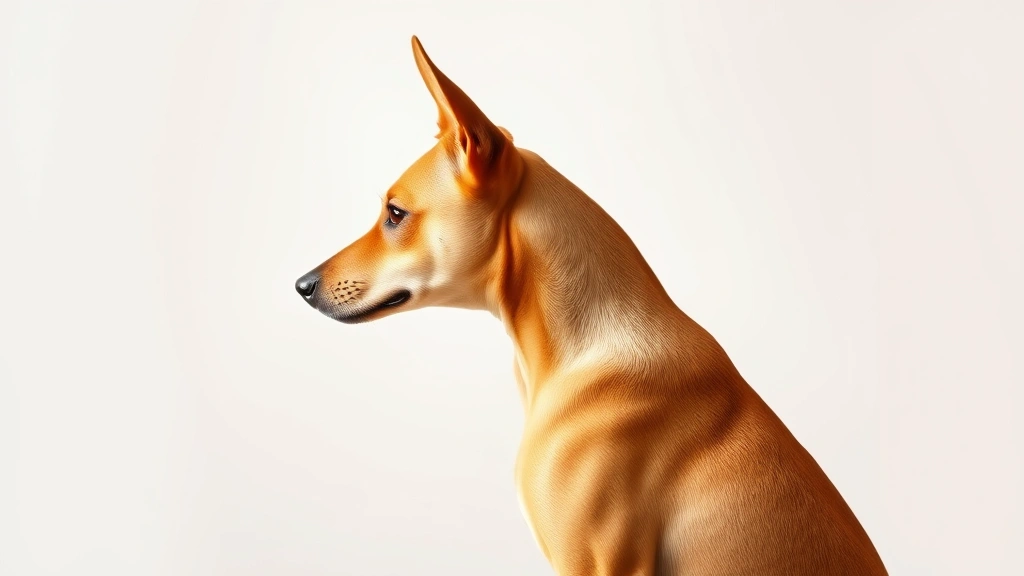
If you’re tired of seeing the same Golden Retrievers and Labrador Retrievers at every dog park, it’s time to explore rare dog breeds that’ll make your canine companion the talk of the neighborhood. These hidden gems aren’t just different—they’re absolutely fascinating, often with rich histories and unique personalities that’ll blow your mind.
Table of Contents
- What Makes a Dog Breed Rare?
- The Basenji: Africa’s Barkless Wonder
- The Lagotto Romagnolo: Truffle Hunter Extraordinaire
- The Xoloitzcuintli: Mexico’s Ancient Hairless Hound
- The Pharaoh Hound: Egypt’s Regal Runner
- The Norwegian Lundehund: The Six-Toed Wonder
- The Azawakh: The African Sighthound
- The Tibetan Mastiff: The Mountain Guardian
- The Kakapo: New Zealand’s Flightless… Wait, That’s a Bird
- The Sloughi: North Africa’s Elegant Sighthound
- The Komondor: The Mop-Like Guardian
- The Catahoula Leopard Dog: Louisiana’s State Dog
- Frequently Asked Questions
- Conclusion: Finding Your Perfect Rare Companion
What Makes a Dog Breed Rare?
Before we dive into our list, let’s clarify what we mean by “rare.” A rare dog breed is typically one that’s not recognized by major kennel clubs, has extremely limited populations, or simply hasn’t caught mainstream attention yet. Some are ancient breeds that nearly went extinct, while others are newer creations from dedicated breeders. The rarity factor makes them special, but it also means you’ll need to do your homework before bringing one home.
The Basenji: Africa’s Barkless Wonder
Meet the Basenji—a dog that literally doesn’t bark. Instead, this African beauty produces a unique yodel-like sound called a “baroo.” These compact, athletic pups have been around for thousands of years, originally used as hunting dogs in Central Africa. They’re independent, curious, and require experienced owners who understand their stubborn streak. Their short coat is low-maintenance, and they’re surprisingly clean animals. If you want a conversation starter at the vet’s office, this is your breed.
The Lagotto Romagnolo: Truffle Hunter Extraordinaire
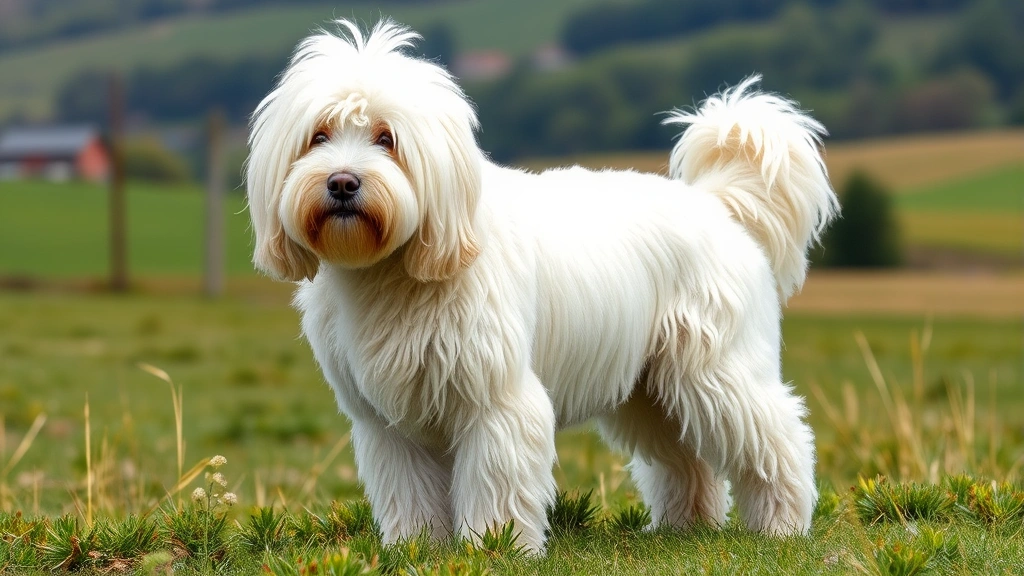
This Italian water dog was originally bred to hunt truffles—yes, those fancy mushrooms that cost more than gold. The Lagotto has a curly, woolly coat that’s hypoallergenic and low-shedding, making it perfect for allergy sufferers. These medium-sized pups are intelligent, eager to please, and thrive on having a job to do. They’re water lovers with webbed paws, so if you have a pool or live near water, they’ll be in heaven. Their friendly nature makes them excellent family pets despite their hunting heritage.
The Xoloitzcuintli: Mexico’s Ancient Hairless Hound
Try saying that three times fast! The Xoloitzcuintli (or Xolo for short) is one of the oldest dog breeds in the Americas, dating back to the Aztec empire. These hairless wonders come in three sizes and are known for their warm skin temperature—Aztecs actually used them as living hot water bottles. They’re loyal, alert, and surprisingly affectionate despite their somewhat alien appearance. Their lack of fur means they need sunscreen and sweaters in cold weather, but they’re perfect for low-shedding households.
The Pharaoh Hound: Egypt’s Regal Runner
With ears that stand at attention and a sleek, muscular build, the Pharaoh Hound looks like it walked straight out of an Egyptian tomb. These dogs are incredibly fast, intelligent, and have an amazing ability to follow scent trails. They’re sensitive souls despite their athletic prowess and respond best to positive reinforcement. Interestingly, their ears and nose actually blush when they’re excited or happy—a unique trait that makes them instantly recognizable. They need plenty of exercise and mental stimulation to stay happy.
The Norwegian Lundehund: The Six-Toed Wonder
Here’s something wild: the Norwegian Lundehund has six toes on each foot (most dogs have five). This rare Scandinavian breed was originally used to hunt puffins on steep cliffs, which explains their incredible flexibility and climbing ability. They’re small, energetic, and have a playful personality that rivals any terrier. Their double coat sheds seasonally, so grooming is essential during shedding season. Fair warning: they’re escape artists and need secure fencing.
The Azawakh: The African Sighthound
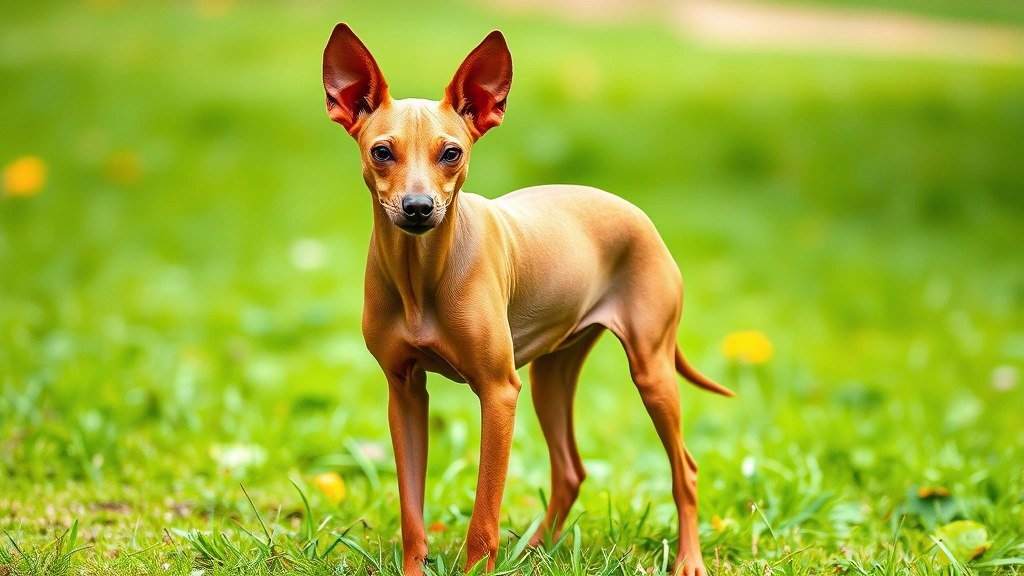
If you want a dog that looks like living art, the Azawakh is it. This West African sighthound is incredibly lean, standing tall on long, elegant legs. They were bred by nomadic tribes to hunt game across the Sahara Desert, so they’re built for speed and endurance. Azawakhs are independent thinkers with strong prey drives, making them best suited for experienced dog owners. Their short coat requires minimal grooming, and they’re surprisingly affectionate with their families despite their aloof appearance. These dogs form deep bonds with their people while maintaining an air of mystery.
The Tibetan Mastiff: The Mountain Guardian
Don’t let the “mastiff” name fool you—Tibetan Mastiffs aren’t typical guard dogs. These massive, fluffy giants were bred to protect livestock in the Himalayas and are known for their independent nature and strong-willed personalities. They can weigh up to 160 pounds and have a luxurious double coat that sheds heavily. They’re fiercely loyal to their families but can be aloof with strangers. These aren’t apartment dogs; they need space and experienced owners who understand their guardian instincts.
The Kakapo: New Zealand’s Flightless… Wait, That’s a Bird
Just kidding! But seriously, let’s talk about the uncommon dog breeds from New Zealand. The New Zealand Heading Dog, also called the Huntaway, is a lesser-known herding breed that’s absolutely incredible with livestock. These medium to large dogs have incredible work ethic and intelligence. They’re energetic, responsive, and excel in dog sports. If you’re looking for a working dog that’s not a Border Collie, this breed deserves your attention. Their medium to large frame makes them perfect outdoor dogs.
The Sloughi: North Africa’s Elegant Sighthound
Often confused with the Saluki, the Sloughi is a distinct North African breed with a more muscular build. These dogs were bred by Berber tribes for hunting and have incredible speed and agility. They’re sensitive, affectionate with their families, and surprisingly gentle despite their hunting heritage. Their short coat is easy to maintain, and they don’t require excessive grooming. Sloughis are quiet dogs that bond deeply with their owners, making them excellent companions for those willing to provide proper socialization and exercise.
The Komondor: The Mop-Like Guardian
Imagine a dog that looks like a mop—that’s the Komondor! This Hungarian livestock guardian has a unique corded coat that naturally forms dreadlock-like mats. These massive dogs were bred to protect sheep flocks and take their job seriously. They’re independent, intelligent, and require owners who understand their guardian nature. The coat maintenance is serious business; it takes hours to properly dry and maintain those cords. But if you’re committed to the grooming, you’ll have one of the most unique-looking dogs around.
The Catahoula Leopard Dog: Louisiana’s State Dog
Louisiana’s official state dog, the Catahoula Leopard Dog, is a rare breed with a striking spotted or “leopard” coat pattern. These versatile hunting dogs have incredible intelligence and drive. They’re known for their unique “glass eyes”—light-colored eyes that look almost translucent. Catahoulas are energetic, loyal, and require experienced owners who can provide proper training and exercise. They excel in hunting and can display merle coloring patterns similar to other working breeds. Their protective nature makes them excellent guardians.
Frequently Asked Questions
Are rare dog breeds more expensive than common breeds?
Generally, yes. Rare dog breeds often cost more because there are fewer breeders, limited availability, and potentially higher breeding costs. You might pay $1,500-$5,000+ for a rare breed puppy, while common breeds might cost $500-$2,000. However, price shouldn’t be your only consideration—health testing and responsible breeding matter more than rarity.
Do rare dog breeds have more health problems?
Not necessarily. Some rare breeds have been carefully maintained with excellent genetic diversity, while others may have limited gene pools leading to health issues. Always research breed-specific health concerns and get health clearances from reputable breeders. Working with responsible breeders who conduct health testing is crucial regardless of breed rarity.
Where can I find rare dog breed puppies?
Start with breed-specific clubs and the American Kennel Club (AKC) website, which maintains directories of registered breeders. Attend dog shows to meet breed enthusiasts. Avoid puppy mills and backyard breeders at all costs. Reputable breeders will ask you questions, provide health guarantees, and offer lifetime support.
Are rare dog breeds good for first-time dog owners?
It depends on the breed. Some rare breeds like the Lagotto Romagnolo are great for first-timers, while others like the Tibetan Mastiff require experienced handlers. Research each breed’s temperament, exercise needs, and training requirements before committing. Consider working with a professional trainer if you’re new to dog ownership.
How do I ensure I’m working with a responsible breeder?
Check if they’re registered with breed clubs, ask for health certifications from PetMD or veterinary organizations, request references from previous buyers, and visit their facilities in person. Responsible breeders welcome questions, provide contracts, offer health guarantees, and maintain relationships with their dogs’ owners throughout the dog’s life.
Conclusion: Finding Your Perfect Rare Companion
Rare dog breeds offer something special—a chance to own a piece of canine history while enjoying a unique companion that stands out from the crowd. Whether you’re drawn to the barkless Basenji, the elegant Pharaoh Hound, or the majestic Tibetan Mastiff, these hidden gems each bring their own personality and charm to the table. The key is doing your research, finding responsible breeders, and honestly assessing whether a particular breed fits your lifestyle. Visit the AKC website for breed standards and breeder directories. Remember, owning a rare breed comes with responsibility—these dogs deserve owners who understand their unique needs and are committed to their wellbeing. With proper care, training, and love, a rare dog breed can become your most treasured companion and a conversation starter wherever you go.





