
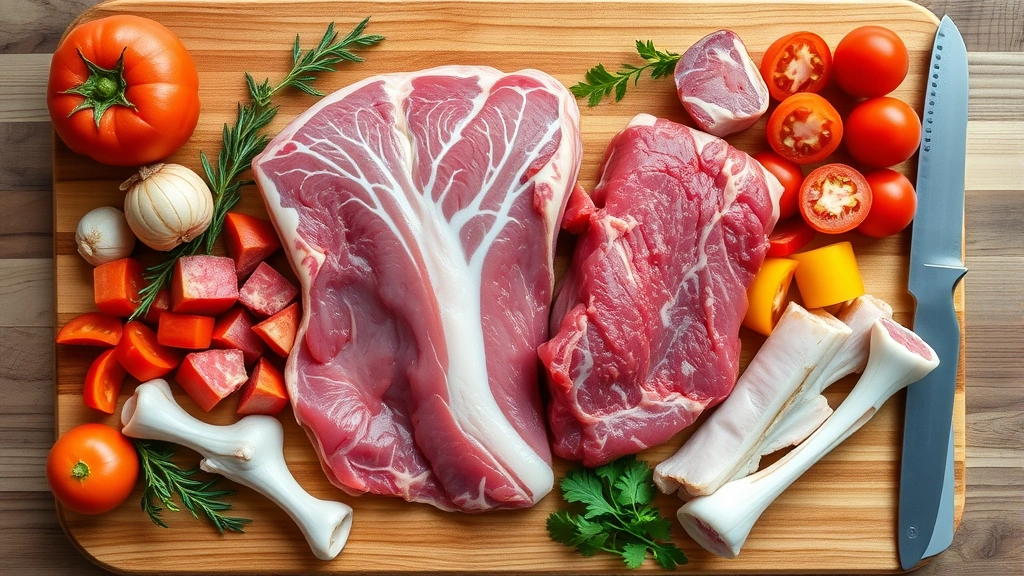
A raw feeding schedule might sound like you’re about to turn your kitchen into a butcher shop, but it’s actually one of the smartest nutritional choices you can make for your furry friend. If you’re tired of the kibble debate and ready to dive into the world of whole foods for pets, you’ve landed in the right place. Let’s break down everything you need to know about feeding your pet a raw diet the right way.
Table of Contents
- What Exactly Is a Raw Feeding Schedule?
- Why Your Pet Needs a Consistent Raw Diet Plan
- The Basics: How Often Should You Feed Raw?
- Puppies and Young Animals: Starting Them Right
- Adult Dogs: The Sweet Spot for Raw Feeding
- Senior Pets: Adjusting the Raw Feeding Schedule
- Creating Your Raw Feeding Schedule: The Practical Blueprint
- Meal Prep and Storage: Making Raw Feeding Practical
- Transitioning to a Raw Feeding Schedule
- Nutritional Balance: The Science Behind Your Raw Feeding Schedule
- Common Raw Feeding Schedule Mistakes to Avoid
- Monitoring Your Pet’s Health on a Raw Diet
- Raw Feeding Schedule for Specific Health Conditions
- Cost Considerations for Your Raw Feeding Schedule
- Frequently Asked Questions
- Making the Raw Feeding Schedule Work for Your Lifestyle
- Summary: Your Raw Feeding Schedule Success Plan
What Exactly Is a Raw Feeding Schedule?
A raw feeding schedule is a structured meal plan that provides your pet with uncooked, whole foods—think raw meat, organs, bones, and vegetables. Unlike processed kibble, this approach mimics what your pet’s ancestors ate in the wild. The schedule part is crucial because consistency matters just as much as the food itself. You’re not just throwing random chunks of meat at your pup and calling it dinner; you’re creating a balanced, predictable eating pattern that keeps their digestive system happy and their energy levels stable.
Why Your Pet Needs a Consistent Raw Diet Plan
Your pet’s body is like a finely-tuned engine, and raw feeding schedules are the premium fuel it craves. When you establish a consistent schedule, you’re helping your pet’s digestive system know exactly when to expect food and how to process it efficiently. This consistency reduces digestive upset, improves nutrient absorption, and can even help with weight management. Plus, a structured raw feeding routine makes it easier to monitor your pet’s health and catch any nutritional imbalances before they become problems. Check out our guide on Pet Health Monitoring to learn how to track your pet’s progress on a raw diet.
The Basics: How Often Should You Feed Raw?
Here’s where it gets practical. Most adult dogs thrive on a raw feeding schedule of once or twice daily, depending on their age, size, and activity level. Puppies? They need more frequent meals—think three to four times daily until they’re about six months old. Cats are pickier and typically do well with one or two meals daily. The key is finding the rhythm that works for your specific pet. A general rule of thumb: feed 2-3% of your pet’s body weight daily, split across however many meals you’re doing.
Puppies and Young Animals: Starting Them Right
If you’re introducing a puppy to a raw feeding schedule, congratulations on getting ahead of the curve. Young animals have different nutritional needs than their adult counterparts. Puppies need more calories, more frequent meals, and a carefully balanced ratio of muscle meat, organ meat, and bone. A typical puppy raw feeding schedule might look like breakfast, lunch, afternoon snack, and dinner—all carefully portioned to support growth without causing digestive distress. As they age, you’ll gradually transition to fewer, larger meals.
Adult Dogs: The Sweet Spot for Raw Feeding
Once your dog hits adulthood (around one year old), your raw feeding schedule can settle into a comfortable rhythm. Most adult dogs do brilliantly on a once-daily or twice-daily feeding schedule. The beauty here is flexibility—some owners prefer feeding in the morning, others at night, and some split it into two meals. What matters is consistency. Your dog’s body will adjust to the schedule you set, and they’ll start getting excited at feeding time like clockwork. This predictability also makes it easier to monitor for any changes in appetite or digestion that might signal a health issue.
Senior Pets: Adjusting the Raw Feeding Schedule
As your pet enters their golden years, their nutritional needs shift. Senior animals often benefit from more frequent, smaller meals because their digestive systems aren’t quite as robust as they used to be. Some older pets also develop preferences for slightly warmed food, which can improve palatability and digestion. You might find that adjusting to three smaller meals instead of two larger ones keeps your senior pet more energetic and comfortable. This is also the perfect time to incorporate Pet Supplement Dosage Guidance to support joint health and overall wellness.
Creating Your Raw Feeding Schedule: The Practical Blueprint
Let’s get down to the nitty-gritty. A solid raw feeding schedule for an average adult dog might look like this: 70% muscle meat (chicken, beef, lamb, turkey), 10% organ meat (liver, kidney, heart), 10% bone content (raw meaty bones or ground bone), and 10% vegetables and supplements. You’ll rotate proteins to ensure variety and complete nutrition. Monday might be chicken, Wednesday beef, Friday lamb, and so on. This rotation prevents nutrient imbalances and keeps your pet’s palate from getting bored. Consider using Premium Pet Supplements to fill any nutritional gaps in your raw diet plan.
Meal Prep and Storage: Making Raw Feeding Practical
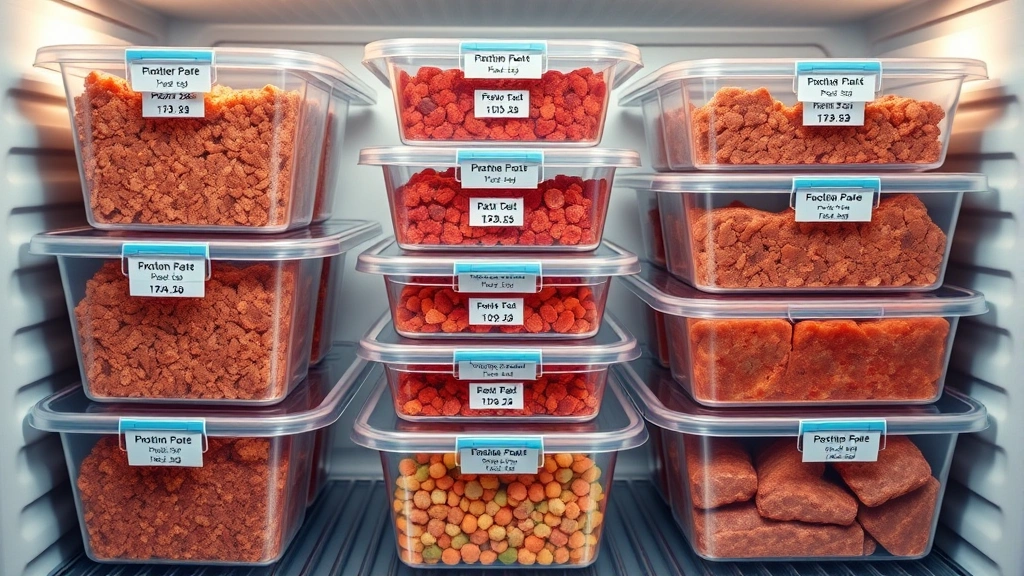
Here’s the truth: a raw feeding schedule only works if it’s actually manageable for you. Many pet parents prep meals in bulk, portioning out daily servings into containers and freezing them. This approach saves time and ensures consistency. You can spend a couple hours on the weekend preparing a month’s worth of meals, then just grab and thaw as needed. Pro tip: use a label maker to mark dates on containers. Thaw meals in the refrigerator overnight, and always use them within 24-48 hours of thawing. Your freezer becomes your best friend in this lifestyle.

Transitioning to a Raw Feeding Schedule
If your pet is currently on kibble or wet food, jumping straight to raw can cause digestive upset. A gradual transition is your friend here. Start by replacing 25% of their current diet with raw food for about a week. Then move to 50% for another week, 75% the following week, and finally 100% by week four. Some pets transition faster, others slower—watch your individual animal’s digestion and adjust accordingly. You might see some detox symptoms like loose stools during the transition, but this usually settles within a couple weeks.
Nutritional Balance: The Science Behind Your Raw Feeding Schedule
You can’t just feed your pet random raw ingredients and expect optimal health. A balanced raw feeding schedule requires understanding the nutritional needs specific to your pet’s species, age, size, and health status. Dogs are facultative carnivores (they can eat some plant matter), while cats are obligate carnivores (they need meat). This means your raw feeding schedule for a cat will look significantly different from one for a dog. Many pet parents work with a veterinary nutritionist to ensure their raw feeding schedule hits all the nutritional targets. Organizations like the AAFCO (Association of American Feed Control Officials) provide guidelines, and resources from the AAFCO website can help you understand these standards.
Common Raw Feeding Schedule Mistakes to Avoid
Even with the best intentions, people mess up their raw feeding schedules. The most common mistake? Not including enough organ meat or bone content, which leads to nutritional deficiencies over time. Another biggie: inconsistent feeding times that confuse your pet’s digestive system. Some people also make the error of feeding the same protein every single day, which can create nutritional imbalances and even allergies. And please, for the love of your pet’s health, don’t feed cooked bones on a raw feeding schedule—they splinter and can cause serious internal damage. Always use raw meaty bones.
Monitoring Your Pet’s Health on a Raw Diet
Once you’ve established your raw feeding schedule, the work doesn’t stop. You need to regularly monitor your pet for signs of nutritional balance or deficiency. Healthy indicators include a shiny coat, consistent energy levels, healthy weight, good digestion, and bright eyes. Warning signs that your raw feeding schedule might need adjustment include dull coat, lethargy, weight loss or gain, digestive issues, or behavioral changes. Regular vet check-ups become even more important on a raw diet. Your veterinarian can run bloodwork to ensure your pet is getting all necessary nutrients. For comprehensive monitoring strategies, check out our Pet Health Monitoring guide.
Raw Feeding Schedule for Specific Health Conditions
Pets with certain health conditions might need modifications to a standard raw feeding schedule. Dogs with pancreatitis might need lower-fat protein sources. Pets with kidney disease require careful phosphorus and protein management. Diabetic pets benefit from specific meal timing that helps regulate blood sugar. This is where working with a veterinary nutritionist becomes invaluable. They can create a customized raw feeding schedule that addresses your pet’s specific health needs while maintaining nutritional completeness. Never attempt to manage serious health conditions solely through diet without professional guidance.
Cost Considerations for Your Raw Feeding Schedule
Let’s be real: raw feeding can be more expensive than kibble, but it doesn’t have to break the bank. Buying in bulk, sourcing from local farms or wholesale suppliers, and taking advantage of sales significantly reduces costs. Some pet parents find that the money they save on vet bills (due to improved health) offsets the higher food costs. Plus, you might discover that your raw feeding schedule actually costs less than premium commercial diets once you optimize your sourcing strategy.
Frequently Asked Questions
Is a raw feeding schedule safe for all pets?
Raw feeding is generally safe for healthy adult dogs and cats, but it’s not ideal for immunocompromised pets, very young animals without proper supervision, or pets with certain health conditions. Always consult your veterinarian before starting a raw feeding schedule, especially if your pet has existing health issues.
How do I prevent bacterial contamination with a raw feeding schedule?
Practice excellent food safety: use separate cutting boards for raw pet food, wash your hands thoroughly after handling, store raw meals at proper temperatures, and use them within recommended timeframes. Freezing kills some pathogens but not all, so proper handling is crucial.
Can I mix raw and kibble in the same raw feeding schedule?
Technically yes, but it’s not ideal. Raw and kibble digest at different rates, which can cause digestive upset. If you’re mixing, feed them at different times of day rather than in the same meal.
What’s the best raw feeding schedule for weight management?
For weight loss, reduce portions slightly (aim for 1.5-2% body weight daily instead of 2-3%) while maintaining nutritional balance. For weight gain, increase portions and add higher-fat protein sources. Always adjust gradually and monitor progress.
How often should I change proteins in my raw feeding schedule?
Rotate proteins every 3-7 days to ensure variety and prevent nutritional gaps. A good system is having 4-5 different proteins in regular rotation throughout the month.
Do I need supplements with a raw feeding schedule?
A well-balanced raw feeding schedule should provide most nutrients, but many veterinarians recommend fish oil for omega-3s and possibly a vitamin E supplement. Some pets benefit from additional supplements depending on their health status. Check out our Pet Supplement Dosage Guidance for more information.
Making the Raw Feeding Schedule Work for Your Lifestyle
The best raw feeding schedule is the one you’ll actually stick with. If meal prep overwhelms you, consider pre-made raw diets from reputable companies. If you love the DIY approach, batch cooking becomes your ritual. Some people feed raw at home but use commercial diets when traveling—and that’s perfectly fine. The goal is providing your pet with nutritious whole foods on a consistent schedule, however that looks for your unique situation.
Summary: Your Raw Feeding Schedule Success Plan
A raw feeding schedule isn’t just about throwing raw meat at your pet—it’s a thoughtful, structured approach to nutrition that can transform your pet’s health. Start by understanding your specific pet’s nutritional needs, create a consistent feeding schedule that works for your lifestyle, source quality ingredients, and monitor your pet’s health regularly. Work with your veterinarian, especially when starting out, and don’t hesitate to adjust your raw feeding schedule as your pet ages or their health status changes. The investment of time and thought you put into establishing a solid raw feeding schedule pays dividends in energy, health, and longevity for your beloved companion. Your pet will thank you with those bright eyes, shiny coat, and boundless enthusiasm that makes all the effort worthwhile.





