

When it comes to keeping your furry best friend entertained and their teeth clean, rawhide for dogs has been a go-to choice for pet parents for decades. But here’s the thing—not all rawhide chews are created equal, and what seems like an innocent treat could potentially turn into a veterinary emergency if you’re not careful. Let’s dive into the real deal about rawhide and what you absolutely need to know before tossing one to your pup.
Table of Contents
- What Exactly Is Rawhide for Dogs?
- Safety Fact #1: Choking and Blockage Risks Are Real
- Safety Fact #2: Not All Dogs Can Handle Rawhide Safely
- Safety Fact #3: Chemical Treatments and Processing Methods Matter
- Safety Fact #4: Supervision Is Non-Negotiable
- Safety Fact #5: There Are Safer Alternatives Available
- Signs Your Dog Is Having Trouble with Rawhide
- How to Choose Safe Rawhide Products
- The Bottom Line on Rawhide for Dogs
- Frequently Asked Questions
What Exactly Is Rawhide for Dogs?
Rawhide is the inner layer of cow or horse hide that’s been cleaned, dried, and shaped into chews. It’s basically the leather before it becomes leather. The process involves removing the outer hair and fat, then treating the remaining material to make it palatable for dogs. Sounds straightforward, right? Well, there’s more to the story. Rawhide can be sourced from different countries with varying quality standards, and some manufacturers use chemical treatments that might not be ideal for your pup’s health.

Safety Fact #1: Choking and Blockage Risks Are Real
This is the big one, folks. Dogs have a tendency to tear off chunks of rawhide and swallow them whole without proper chewing. Unlike humans who use our teeth to break down food into manageable pieces, many dogs—especially enthusiastic ones—just gulp and go. These chunks can lodge in the throat, esophagus, or intestines, creating a blockage that requires emergency surgery. According to the American Kennel Club, gastrointestinal blockages from rawhide are one of the most common reasons dogs end up in emergency vet clinics. If your dog shows signs of vomiting, loss of appetite, or abdominal pain after chewing rawhide, get to the vet immediately.
Safety Fact #2: Not All Dogs Can Handle Rawhide Safely
Age matters. Puppies and senior dogs have different digestive capabilities than adult dogs in their prime. Puppies haven’t developed fully functioning digestive systems, and senior dogs often have compromised digestion. Additionally, if your dog has a history of digestive sensitivities or requires low protein dog food, rawhide might not be the best choice. Small breed dogs also face higher risks since smaller pieces can more easily become lodged. Giant breeds like Great Danes and German Shepherds need extra supervision since they can consume rawhide faster than their bodies can process it.
Safety Fact #3: Chemical Treatments and Processing Methods Matter
Here’s where it gets sketchy. Some rawhide manufacturers use chemical preservatives, artificial colors, and processing agents that aren’t exactly wholesome. Sodium benzoate, lead, and other heavy metals have been found in some rawhide products, particularly those sourced from countries with less stringent regulations. The PetMD veterinary team recommends choosing rawhide products that are minimally processed and sourced from reputable manufacturers. Look for products labeled as “natural” or “grain-free” and check the country of origin. If you’re considering rawhide as part of your dog’s overall nutrition, pair it with quality food options like Merrick dog food or Simply Nourish dog food to ensure balanced nutrition.

Safety Fact #4: Supervision Is Non-Negotiable
Never leave your dog alone with a rawhide chew. Period. I know it’s tempting to give your pup something to gnaw on while you run errands, but that’s when accidents happen. The ideal scenario is to supervise your dog while they’re enjoying rawhide, limiting chewing sessions to 15-30 minutes. Once the rawhide becomes small enough to be a choking hazard—basically when it’s the size of a marble or smaller—remove it immediately. Some vets recommend soaking rawhide in water first to soften it, which can make it easier to digest if accidentally swallowed.

Safety Fact #5: There Are Safer Alternatives Available
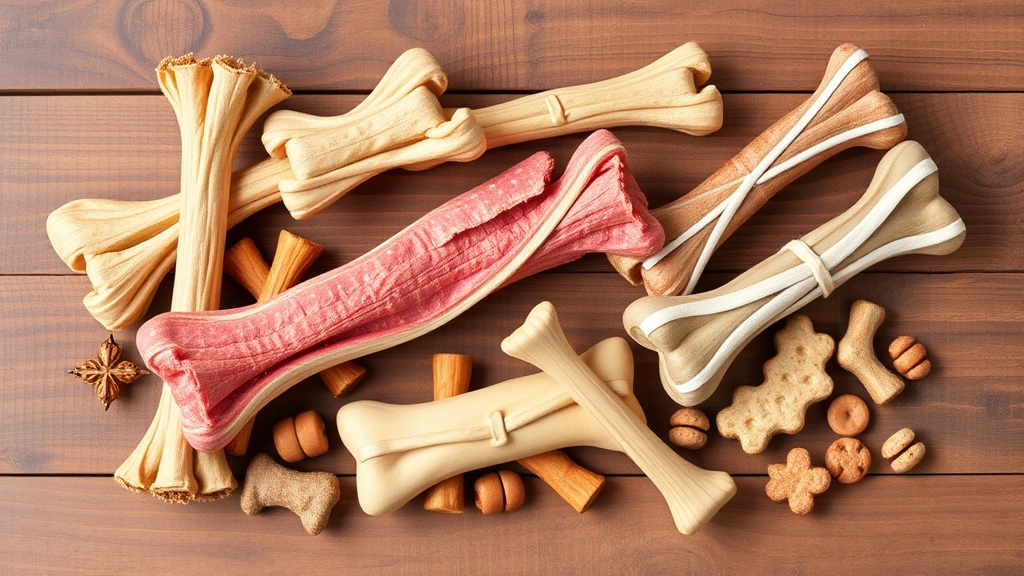
If you’re nervous about rawhide (and honestly, many vets are too), there’s good news: tons of alternatives exist. Bully sticks, yak chews, and dental chews made from natural ingredients offer similar benefits without the same risks. You could also consider scrambled eggs as a healthy treat option or even tofu-based treats for variety. For large breed dogs, extra-durable chews specifically designed for power chewers are worth exploring.
Signs Your Dog Is Having Trouble with Rawhide
Watch for these red flags: excessive drooling, difficulty swallowing, gagging, vomiting, loss of appetite, lethargy, or constipation. If your dog hasn’t pooped in more than 24 hours after eating rawhide, that’s concerning. Abdominal pain—indicated by whining, hunched posture, or reluctance to move—is an emergency. Don’t wait to see if it passes. Contact your vet or emergency animal hospital immediately.
How to Choose Safe Rawhide Products
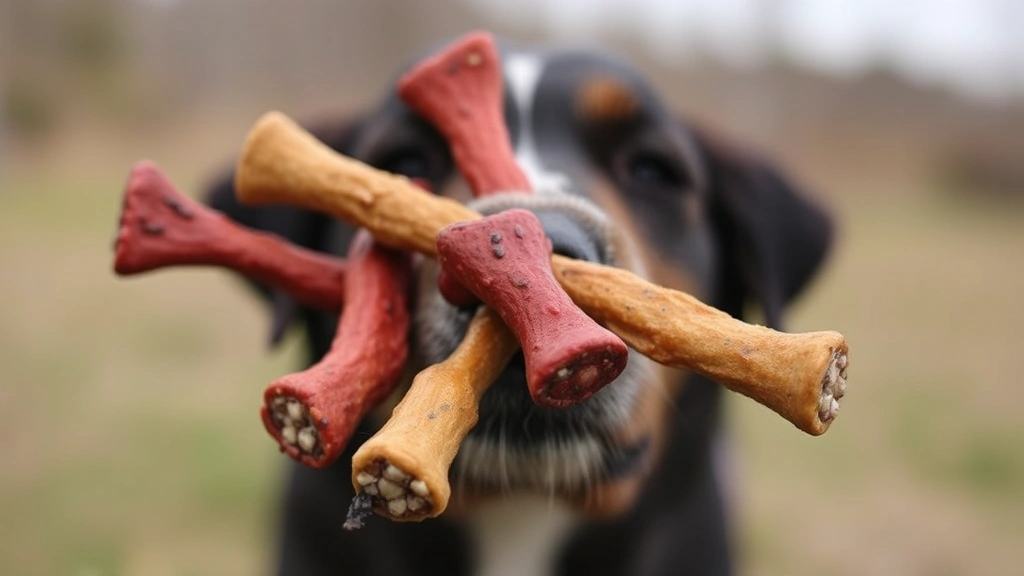
If you decide rawhide is right for your dog, be selective. Look for products that are sourced from the United States or Canada, as these countries have stricter food safety regulations. Avoid rawhide with artificial colors or flavors. Check the ingredient list—it should be simple, ideally just beef hide or similar. Read customer reviews and ask your vet for recommendations. Some brands are significantly better than others, and your veterinarian can point you toward the safest options available.

The Bottom Line on Rawhide for Dogs
Rawhide for dogs isn’t inherently evil, but it does come with legitimate risks that every dog owner should understand. The key is making an informed decision based on your individual dog’s age, size, chewing habits, and digestive health. If you do offer rawhide, do it safely: supervise closely, remove it when it becomes too small, choose quality products, and watch for any signs of distress. If you’re uncomfortable with the risks or your dog has any digestive issues, there are plenty of safer alternatives that will keep your pup just as happy and entertained.

Frequently Asked Questions
Is rawhide safe for all dogs?
No. Rawhide is risky for puppies, senior dogs, small breeds, and dogs with digestive sensitivities. Even for healthy adult dogs, rawhide requires careful supervision and carries inherent choking and blockage risks.
How long can I leave my dog with a rawhide chew?
Limit rawhide chewing to 15-30 minutes maximum, and always supervise. Remove the chew immediately once it becomes small enough to be a choking hazard.
What are the best alternatives to rawhide?
Bully sticks, yak chews, dental chews made from natural ingredients, and appropriately-sized rubber toys are safer alternatives. You can also offer healthy food treats like scrambled eggs or specialized dog treats.
Can rawhide cause digestive blockages?
Yes. Dogs often swallow rawhide chunks without properly chewing them, which can cause blockages in the throat, esophagus, or intestines. This is a serious emergency requiring veterinary surgery in many cases.
How do I know if my dog is choking on rawhide?
Signs include gagging, excessive drooling, difficulty swallowing, vomiting, loss of appetite, and abdominal pain. If you suspect a blockage, contact your vet or emergency animal hospital immediately.
Are there safer brands of rawhide?
Yes. Choose rawhide sourced from the United States or Canada, with minimal processing and no artificial additives. Ask your veterinarian for brand recommendations they trust.





