

Finding the right recommended senior dog food is one of the most important decisions you’ll make for your aging furry friend. As your dog enters their golden years, their nutritional needs shift dramatically—kind of like how you can’t survive on pizza and energy drinks anymore (though we all wish we could). Senior dogs need different calorie levels, joint support, and easier-to-digest ingredients than their younger counterparts. This guide breaks down everything you need to know to keep your old pup thriving.
Table of Contents
- Why Senior Dogs Need Different Nutrition
- Key Nutrients Every Senior Dog Needs
- Hill’s Science Diet Senior Dog Food
- Royal Canin Senior Dog Food Formula
- Purina Pro Plan Senior Nutrition
- Orijen Senior Dog Food
- Taste of the Wild High Prairie Senior Formula
- Special Considerations for Senior Dogs with Health Issues
- Transitioning Your Dog to Senior Food
- How Much Should You Feed Your Senior Dog?
- Reading Senior Dog Food Labels Like a Pro
- Budget-Friendly Senior Dog Food Options
- Frequently Asked Questions
- Conclusion: Finding Your Senior Dog’s Perfect Match
Why Senior Dogs Need Different Nutrition
Here’s the thing: your 12-year-old golden retriever isn’t the same dog who ate anything and everything at age 3. Senior dogs have slower metabolisms, less active lifestyles, and more health issues. They’re prone to weight gain, joint problems, and digestive sensitivity. The best senior dog food recommendations account for these changes by reducing calories while boosting joint-supporting nutrients like glucosamine and chondroitin. Think of it as upgrading from economy to business class—your dog deserves the comfort upgrade after all those years of loyalty.

Key Nutrients Every Senior Dog Needs
When evaluating recommended senior dog food options, look for these essential nutrients. High-quality protein (around 18-25%) helps maintain muscle mass despite reduced activity. Omega-3 and omega-6 fatty acids support cognitive function and joint health. Lower fat content (8-12%) prevents obesity while still providing energy. Fiber aids digestion, which becomes more sensitive in older dogs. Antioxidants like vitamins E and C support brain health. You’ll also want added glucosamine and chondroitin for those creaky joints. Some senior formulas include probiotics to improve gut health, which is clutch when your dog’s digestive system starts acting like a temperamental teenager.

Hill’s Science Diet Senior Dog Food
Hill’s Science Diet Senior is practically the gold standard in veterinary nutrition circles. This formula contains clinically proven antioxidants and is specifically designed for dogs 7 years and older. It’s easier to digest than regular formulas, which matters when your senior pup’s stomach becomes pickier than a toddler at dinner time. The calorie content is reduced to prevent weight gain, and it includes glucosamine for joint support. Many vets recommend Hill’s because it’s backed by actual research, not just marketing fluff. If your dog has specific health concerns, Hill’s offers prescription diet options too. It’s pricier than grocery store brands, but your vet will thank you for the choice.

Royal Canin Senior Dog Food Formula
Royal Canin Senior is another veterinarian favorite that takes a science-based approach to aging pets. This formula is tailored for dogs 8 years and older and includes a blend of fibers to support digestive health. The kibble size is slightly smaller, making it easier for senior dogs with dental issues to chew and digest. Royal Canin includes specific amino acid profiles to help maintain lean muscle mass—critical since senior dogs naturally lose muscle. The brand also offers breed-specific senior formulas for large breed dogs and smaller breeds. If your senior pup is dealing with large breed dog food needs, Royal Canin has excellent options. The price point is similar to Hill’s, and both are considered premium choices for good reason.
Purina Pro Plan Senior Nutrition
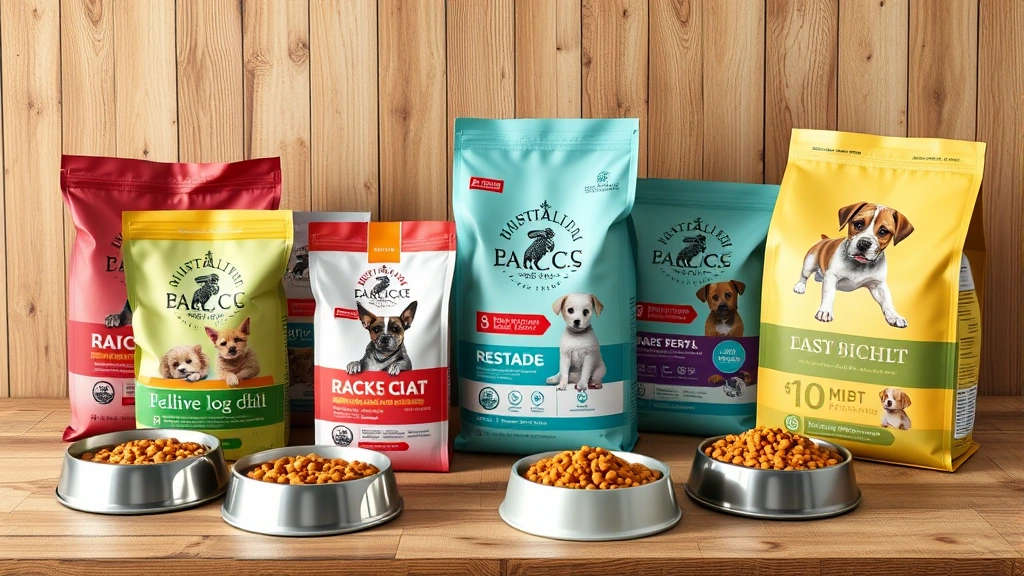
Purina Pro Plan Senior offers a solid middle ground between budget brands and ultra-premium options. It’s formulated with enhanced levels of glucosamine and chondroitin to support joint health—essential for aging pups who move slower than molasses in January. The formula includes probiotics for digestive support and antioxidants for cognitive function. Purina Pro Plan is widely available at most pet stores and online retailers, making it convenient for regular refills. The brand is backed by extensive research and is often recommended by veterinarians as a reliable choice. If your senior dog experiences diarrhea but is acting fine, switching to Purina Pro Plan’s digestive care formula might help. It’s a great option if you want quality without breaking the bank.
Orijen Senior Dog Food
Orijen Senior takes a high-protein, grain-free approach to senior nutrition. This formula contains 38% protein from meat sources—significantly higher than most competitors—which helps preserve muscle mass in aging dogs. The calorie content is moderate, preventing obesity while fueling active seniors. Orijen uses fresh, whole ingredients without fillers or artificial additives. The brand is known for transparency about sourcing and manufacturing. If your senior dog thrives on higher protein diets and you’re concerned about grain sensitivities, Orijen is worth considering. It’s one of the pricier options on the market, but many pet parents swear by it. Some seniors do better on lamb dog food formulas, and Orijen offers excellent lamb-based senior options.

Taste of the Wild High Prairie Senior Formula
Taste of the Wild Senior combines grain-free ingredients with a focus on natural protein sources. This formula features beef, lamb, and fish as primary ingredients—no corn, wheat, or soy. The high protein content (25%) supports muscle maintenance, while added glucosamine and chondroitin address joint concerns. Taste of the Wild is more affordable than Orijen but still positioned as a premium brand. The formula includes probiotics and omega fatty acids for overall wellness. If your senior dog has sensitivities, the grain-free approach might help. The brand is available online and at specialty pet retailers. For dogs with low fat dog food for pancreatitis needs, check with your vet before choosing this option, as it’s moderate in fat content.

Special Considerations for Senior Dogs with Health Issues
Not all senior dogs can eat standard senior formulas. Dogs with pancreatitis need lower fat options. Simply Nourish dog food offers some limited ingredient options that might work for sensitive seniors. Dogs with kidney disease need prescription diets lower in protein and phosphorus. Diabetic seniors require carefully controlled carbohydrate levels. If your dog is lethargic, it might indicate a nutrition issue or underlying health problem requiring a vet visit. Always consult your veterinarian before switching senior dog foods, especially if your pup has existing health conditions. Your vet might recommend a prescription diet tailored to your dog’s specific needs rather than over-the-counter options.

Transitioning Your Dog to Senior Food
Don’t just dump a new bag of senior kibble in your dog’s bowl and hope for the best. Transition gradually over 7-10 days by mixing increasing amounts of new food with their current diet. Start with 25% new food and 75% old food, gradually increasing the new food ratio. This prevents digestive upset and gives your dog’s stomach time to adjust. Some seniors are pickier eaters than others, so patience is key. If your dog refuses the new food, try moistening the kibble with warm water or low-sodium broth. Some seniors prefer softer food as their teeth weaken, so consider adding water or switching to a softer formula if needed.

How Much Should You Feed Your Senior Dog?
Senior dogs need fewer calories than younger adults because they’re less active. Most senior formulas recommend feeding amounts based on your dog’s weight, but individual needs vary. A moderately active senior might need 10-15% fewer calories than a younger adult dog. If your senior is gaining weight, reduce portions by 10-15% and increase exercise if possible. If they’re losing weight, you might need more calories or a higher-protein formula. Your vet can recommend specific portion sizes based on your dog’s body condition score. Obesity in senior dogs accelerates joint problems and other age-related issues, so maintaining a healthy weight is crucial. Use a measuring cup rather than free-feeding to control portions accurately.

Reading Senior Dog Food Labels Like a Pro
Don’t get fooled by marketing buzzwords like “natural” or “premium.” Check the ingredient list—meat should be the first ingredient, not meat by-products or grain fillers. Look for named protein sources (chicken, beef, fish) rather than vague terms like “meat meal.” The guaranteed analysis should show protein percentage, fat percentage, and fiber content. Compare the calorie content per cup across brands—some are more calorie-dense than others. Check for added joint support ingredients like glucosamine, chondroitin, and MSM. Look for AAFCO certification, which means the food meets nutritional standards. Third-party testing is a bonus that indicates quality control. Don’t assume expensive automatically means better—some mid-range brands offer excellent nutrition at reasonable prices.

Budget-Friendly Senior Dog Food Options
Premium senior formulas can get pricey, especially for large dogs. If budget is a concern, several solid options exist at lower price points. Purina Pro Plan offers quality at a more accessible price than ultra-premium brands. Some grocery store brands have decent senior formulas—check the ingredient list carefully. Consider buying in bulk online for discounts. Some veterinary clinics offer their own branded senior formulas at competitive prices. Your vet might also recommend mixing a premium formula with a budget option to balance cost and nutrition. Feeding your senior dog well doesn’t require spending $100+ per month, but it does require choosing wisely over choosing cheaply.
Frequently Asked Questions
At what age should I switch my dog to senior food?
Most vets recommend switching to senior food around age 7-8 for small to medium breeds, and age 5-6 for large breeds, which age faster. However, individual dogs vary—consult your vet about the right timing for your specific pup. Some active seniors don’t need senior formulas as early as less active dogs.
Can I mix senior dog food with regular dog food?
Yes, mixing is fine during transitions or if it helps your picky eater adjust. However, make sure you’re controlling overall portions to avoid overfeeding. Mixing can also make it harder to identify which food causes digestive issues if problems arise.
Is wet food or dry food better for senior dogs?
Both can work—it depends on your dog’s preferences and needs. Dry kibble is more convenient and better for dental health. Wet food is easier for dogs with dental problems and can increase water intake. Many seniors do well with a mix of both.
What if my senior dog won’t eat the new senior food?
Try mixing it gradually with their current food, warming it with broth, or softening the kibble. Some dogs prefer different textures or flavors. Give transitions 7-10 days before assuming rejection. If your dog still refuses and seems unwell, contact your vet.
How often should senior dogs eat?
Most senior dogs do well on one or two meals daily. Some vets recommend splitting daily calories into two smaller meals to aid digestion and prevent bloating. Consistency matters more than frequency—stick to a regular schedule.
Can senior dogs eat the same food their whole life?
Not necessarily. As your dog ages, their nutritional needs change further. A dog at 8 years old might need different nutrition than at 12 years old. Monitor your dog’s condition and adjust as needed, consulting your vet about formula changes.
Conclusion: Finding Your Senior Dog’s Perfect Match
Choosing the right recommended senior dog food is an investment in your aging companion’s quality of life. Whether you go with veterinary-recommended brands like Hill’s and Royal Canin, mid-range options like Purina Pro Plan, or premium choices like Orijen, the key is selecting a formula that meets your specific dog’s nutritional needs and health conditions. Pay attention to your dog’s response—changes in energy, coat quality, digestion, and weight will tell you if you’ve made the right choice. Your senior dog has earned the best care possible, and that starts with proper nutrition. Consult your veterinarian before making significant dietary changes, especially if your dog has existing health issues. With the right senior dog food and regular vet checkups, your old friend can enjoy their golden years in comfort and good health.





