
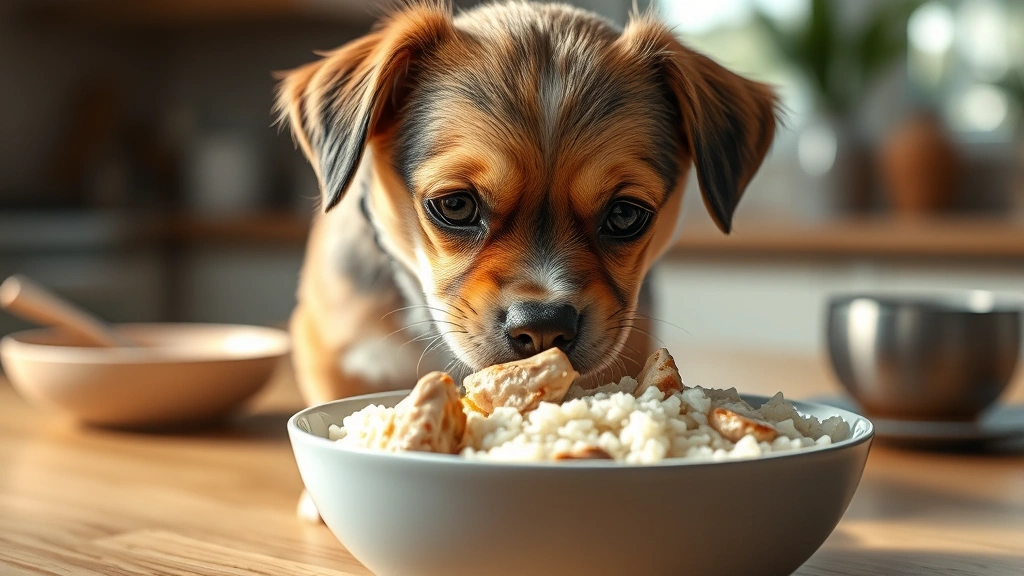
A recovery feeding schedule is absolutely crucial when your furry friend is bouncing back from surgery, illness, or injury—and honestly, getting it right can mean the difference between a smooth comeback and a frustrating setback. Think of it like this: your pet’s body is basically running a construction project inside, and you’re the foreman deciding what materials get delivered and when. Feed them too much, and you’re asking for digestive disaster. Feed them too little, and they won’t have the energy to heal. Let’s dig into how to nail this delicate balance.
Table of Contents
- Why Your Pet’s Feeding Schedule Matters During Recovery
- The First 24 Hours: Starting Slow and Steady
- Days 2-7: The Gradual Transition Phase
- Understanding Post-Operative Nutrition Needs
- Feeding Frequency: More Meals, Smaller Portions
- Special Considerations for Different Types of Recovery
- Hydration: The Forgotten Piece of Recovery
- Recognizing When Recovery Feeding Isn’t Working
- The Transition Back to Normal Feeding
- Practical Tips for Managing Recovery Feeding Schedules
- Working with Your Veterinarian on Recovery Plans
- Frequently Asked Questions
- Summary: Mastering Your Pet’s Recovery Feeding Schedule
Why Your Pet’s Feeding Schedule Matters During Recovery
When your pet is healing, their body is working overtime. Every cell is busy repairing damage, fighting inflammation, and rebuilding strength. That’s why a thoughtful post-operative feeding plan isn’t just a nice-to-have—it’s essential. During this vulnerable period, the wrong food at the wrong time can trigger vomiting, constipation, or worse complications.
Your vet isn’t just being cautious when they hand you recovery instructions. They’re protecting your pet from preventable problems that could extend healing time by weeks. The stakes are higher than a regular Tuesday dinner.
The First 24 Hours: Starting Slow and Steady
The first day after surgery is like introducing your pet to solid food all over again. Most vets recommend withholding food for 6-12 hours post-surgery while your pet’s digestive system wakes up from anesthesia. Sounds harsh, but it prevents post-operative nausea and vomiting—trust me, cleaning that up is nobody’s idea of fun.
After that initial fasting period, offer small amounts of bland food. We’re talking plain boiled chicken, white rice, or a prescription recovery diet. Portions should be about 25% of their normal meal size. If they keep it down without any dramatic retching performances, you’re golden. If they puke it back up, wait another 2-3 hours before trying again.
Water is your friend here too. Offer small amounts frequently rather than one big bowl. Think of it like giving your pet tiny sips rather than letting them chug like they’re at a water fountain.
Days 2-7: The Gradual Transition Phase
Now things get interesting. Your pet’s appetite is probably returning with the force of a golden retriever spotting a tennis ball. This is when discipline becomes your superpower. Resist those puppy-dog eyes asking for regular portions.
During this phase, gradually increase meal sizes by about 25% every 2-3 days. If your dog normally eats 2 cups twice daily, you might go 0.5 cups → 0.75 cups → 1 cup → 1.5 cups over the course of a week. Slow and steady wins the race, and your pet’s stomach will thank you.
Continue feeding bland, easily digestible foods. If your vet has recommended post-surgery supplements for pets, this is when you’d start incorporating them into meals. These supplements often contain probiotics and omega-3s that support healing and reduce inflammation.
Understanding Post-Operative Nutrition Needs
Your recovering pet needs more protein than usual—their body is literally rebuilding tissue. Quality matters here. Look for easily digestible proteins like chicken, turkey, or fish rather than tough cuts. Fat content should be moderate; too much can upset a sensitive post-op stomach.
Calories matter too. Your vet might recommend increasing caloric intake by 10-25% during recovery to fuel the healing process. But this doesn’t mean free-for-all snacking. It means strategic, measured increases in nutrient-dense foods.
Some vets suggest prescription recovery diets specifically formulated for post-operative pets. These are engineered to be easily digestible while packing in the nutrients your pet needs. They’re not cheap, but they’re designed by nutritionists who understand the unique demands of healing bodies.
Feeding Frequency: More Meals, Smaller Portions
Forget the standard twice-daily feeding schedule during recovery. Your pet’s digestive system is like a recovering athlete—it handles frequent, smaller meals better than heavy loads. Consider shifting to three or four smaller meals daily for the first 2-3 weeks.
This approach has multiple benefits: it keeps blood sugar stable, reduces strain on the digestive system, and helps prevent overeating (which is surprisingly common in recovering pets who suddenly feel better). Plus, more frequent meals mean more opportunities to monitor appetite, which is a key indicator of recovery progress.
As your pet progresses—typically after 3-4 weeks—you can gradually shift back to their normal feeding schedule.
Special Considerations for Different Types of Recovery
Post-surgical recovery looks different from recovery from an acute illness or injury. After orthopedic surgery (like ACL repair or hip dysplasia treatment), your pet might need hip and joint supplements to support mobility and reduce pain. These should be incorporated into your recovery feeding schedule once your vet gives the all-clear.

Digestive illness recovery requires a different approach—often a temporary shift to prescription digestive diets followed by a gradual return to normal food. Illness-related recovery feeding schedules usually last 1-2 weeks before transitioning back.
Injury recovery (like broken bones) demands sustained nutritional support for 6-12 weeks. These pets often need elevated protein and calorie intake for longer periods than post-surgical patients.
Hydration: The Forgotten Piece of Recovery
While we’re talking about feeding schedules, let’s not ignore water. Proper hydration is absolutely non-negotiable during recovery. Dehydration can complicate healing and increase infection risk.
Offer fresh water frequently, but don’t force it. Some recovering pets naturally drink less because they’re resting more. If your pet seems dehydrated (dry gums, lethargy, sunken eyes), contact your vet immediately. They might recommend electrolyte solutions or IV fluids.
Monitor water intake as carefully as food intake. Both are indicators of your pet’s recovery trajectory.
Recognizing When Recovery Feeding Isn’t Working
Not every pet follows the textbook recovery plan. Some have sensitive stomachs, food allergies, or just stubborn personalities. Watch for red flags: persistent vomiting, diarrhea, loss of appetite, or signs of pain during eating.
If your pet isn’t tolerating their recovery diet, don’t just power through. Contact your vet. They might switch you to a different protein source, recommend recovery supplements with added digestive support, or suggest a prescription diet. The goal is healing, not stubbornness.
Some pets also benefit from appetite stimulants if recovery-related stress has killed their interest in food. Your vet can prescribe these if needed.
The Transition Back to Normal Feeding
Eventually—usually after 3-6 weeks depending on the type of recovery—your pet can return to their normal diet. But don’t flip a switch. Transition gradually over 7-10 days, mixing increasing amounts of regular food with decreasing amounts of recovery diet.
This prevents digestive upset and gives your pet’s system time to readjust. A sudden switch back to regular kibble after weeks of bland food is a recipe for loose stools and unhappy vet visits.
During the transition, watch for any signs that your pet isn’t ready. If they seem uncomfortable or have digestive issues, slow down the transition.
Practical Tips for Managing Recovery Feeding Schedules
Set phone reminders for feeding times—consistency matters more during recovery than at any other time. Your pet’s body thrives on routine, and predictable meal times support healing.
Keep a feeding log. Note what you fed, how much, when, and any reactions. This information is gold if complications arise and your vet needs to troubleshoot.
Prepare meals in advance if possible. Having bland chicken and rice ready to go means you won’t be tempted to skip meals or offer inappropriate foods out of convenience.
Keep high-value treats locked away. Even a small piece of people food or a special treat can upset a recovering digestive system. Out of sight, out of mind.
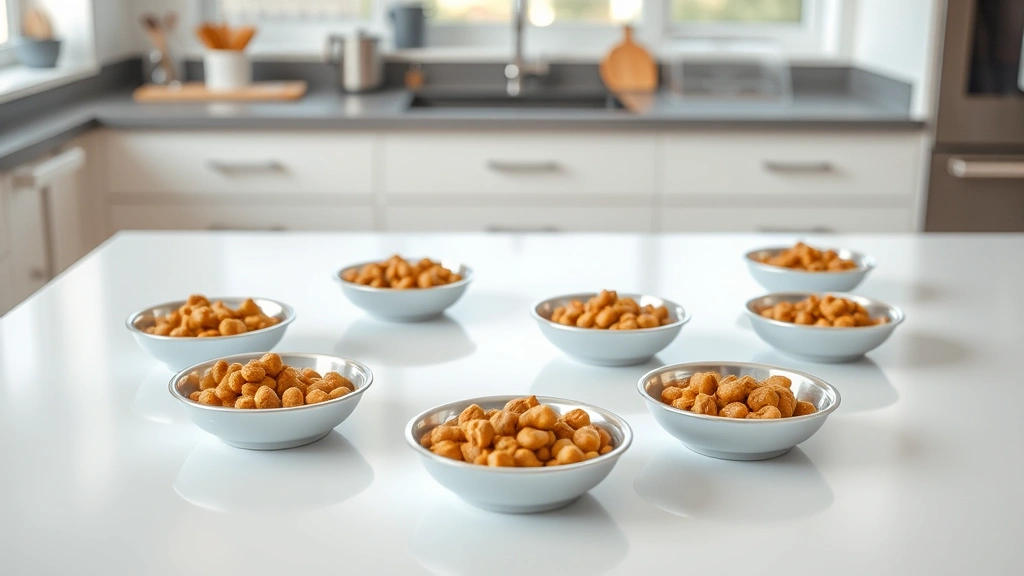
Consider using puzzle feeders or slow feeders if your pet is a gulper. Eating slowly aids digestion and reduces the risk of bloating.
Working with Your Veterinarian on Recovery Plans
Your vet should provide specific feeding instructions before your pet leaves the clinic. If they don’t, ask. Get details about portion sizes, feeding frequency, food type, and duration of the recovery feeding schedule.
Ask about supplements too. Your vet might recommend pet longevity supplements to support overall recovery and long-term health. Understanding the why behind these recommendations helps you commit to the plan.
Don’t hesitate to call with questions. If your pet isn’t eating, seems uncomfortable, or shows concerning symptoms, that’s what your vet is there for. Recovery complications are easier to manage when caught early.
Frequently Asked Questions
How long should I follow a recovery feeding schedule?
Most recovery feeding schedules last 3-6 weeks depending on the type of surgery or illness. Your vet will give you specific guidance based on your pet’s condition. Some orthopedic recoveries require longer nutritional support than routine surgeries.
Can I use my pet’s regular food during recovery?
Not usually, at least not initially. Regular kibble can be too rich or hard to digest for a recovering pet. Bland, easily digestible foods are standard for the first 1-2 weeks. After that, you can gradually introduce regular food as your pet improves.
What if my pet refuses to eat?
A complete loss of appetite is concerning and warrants a vet call. Try warming the food slightly to make it more aromatic, hand-feeding small amounts, or offering different bland options. If nothing works, your vet might prescribe appetite stimulants or investigate underlying complications.
Is it okay to give treats during recovery?
Not during the initial recovery phase. After 2-3 weeks, you might introduce tiny, bland treats like small pieces of boiled chicken. Avoid anything with added ingredients, seasonings, or high fat content. When in doubt, ask your vet.
How do I know if my pet is recovering well nutritionally?
Good signs include stable or improving weight, consistent appetite, normal energy levels, and healthy coat condition. Your vet will assess these factors at follow-up appointments. If your pet is losing weight or seems lethargic, that’s a red flag.
Should I use a prescription diet or home-cooked meals?
Both can work, but prescription diets are formulated specifically for recovery needs. Home-cooked meals require careful planning to ensure balanced nutrition. Many vets recommend prescription diets for simplicity and guaranteed nutritional balance, then transitioning to home-cooked or regular food after recovery.
Summary: Mastering Your Pet’s Recovery Feeding Schedule
A successful recovery feeding schedule balances nutrition with digestive sensitivity, frequency with portion control, and patience with progress. Start slow after surgery, gradually increase meals over weeks, monitor your pet closely, and work closely with your vet to adjust as needed.
Remember: recovery isn’t a sprint, it’s a marathon. The feeding choices you make now directly impact how quickly and completely your pet heals. Your dedication to following a thoughtful recovery feeding schedule is one of the most powerful tools you have to bring your pet back to full health.
Your vet is your partner in this process. Don’t hesitate to ask questions, share concerns, or request adjustments. Every pet is unique, and what works for one might need tweaking for another. The goal is getting your beloved companion back to their happy, healthy self—and a well-planned recovery feeding schedule is your roadmap to get there.
For additional support during your pet’s recovery journey, explore resources on pet first aid guidance to understand emergency signs and proper home care techniques.
Disclaimer: This article is for informational purposes only and should not replace professional veterinary advice. Always consult with your veterinarian regarding your pet’s specific recovery needs and feeding plan.





