

If your dog or cat is acting like they’re defending Fort Knox every time you put down their dinner bowl, you’re dealing with resource guarding feeding management – and you’re definitely not alone. Food aggression is one of the most common behavioral issues pet owners face, and it’s way more fixable than you might think.
Table of Contents
- What Is Resource Guarding and Why Do Pets Do It?
- Solution 1: Create Separate Feeding Spaces (The Nuclear Option)
- Solution 2: Hand-Feeding and Desensitization Training
- Solution 3: Use Feeding Enrichment Toys and Puzzle Feeders
- Solution 4: Establish a Consistent Feeding Schedule and Routine
- Solution 5: Work with a Certified Animal Behaviorist
- Bonus Strategy: The Kong Feeding Routine
- What NOT to Do: Common Mistakes in Resource Guarding Feeding Management
- Nutritional Considerations for Anxious Eaters
- Success Stories: Real Pets, Real Results
- Frequently Asked Questions
- Final Thoughts: Managing Resource Guarding Feeding Management Successfully
Picture this: You walk toward your pup’s food bowl, and suddenly they’re growling like they’ve got a Rottweiler’s attitude in a Chihuahua’s body. Or maybe your cat hisses and swats at their sibling whenever kibble appears. That’s resource guarding in action, and while it looks scary, it’s actually a manageable problem with the right approach.
What Is Resource Guarding and Why Do Pets Do It?
Resource guarding is when pets display aggressive or possessive behavior over something they value – usually food, toys, or even their favorite sleeping spot. It’s not necessarily a sign your pet is “bad” or “broken.” In fact, it’s a completely natural canine and feline instinct rooted in survival. In the wild, animals protect resources because their next meal isn’t guaranteed.
Your domesticated furball doesn’t actually need to worry about starving, but their brain doesn’t always know that. Some pets are more prone to resource guarding than others due to genetics, early experiences, or past trauma. A dog rescued from a shelter where food was scarce might be extra protective, while a puppy raised in a home with littermates might have learned to eat fast or face competition.
The key to successful resource guarding feeding management is understanding that this behavior is communication – your pet is saying, “Back off, this is mine!” Our job is to teach them that people and other pets approaching their food is actually a good thing.
Solution 1: Create Separate Feeding Spaces (The Nuclear Option)
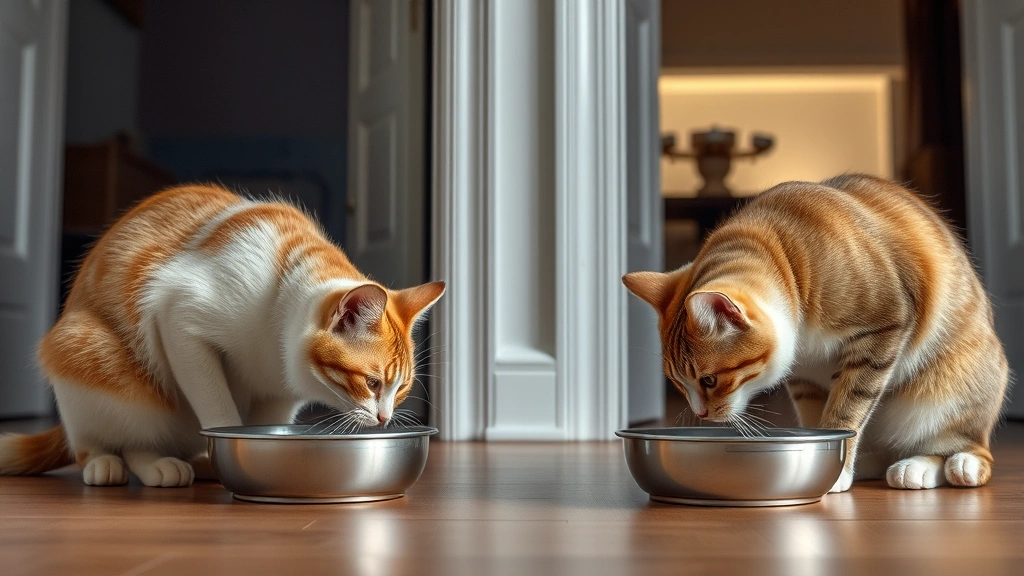
Sometimes the simplest solution is the best one. If you’ve got multiple pets, the easiest way to prevent resource guarding during mealtimes is to feed them in completely separate locations. This eliminates competition right from the start and removes the trigger for aggressive behavior.
Set up feeding stations in different rooms or areas of your home. Your dog gets their bowl in the kitchen, your cat gets theirs in the bedroom, and boom – problem solved. This is especially effective for multiple cat feeding solutions and multi-pet households where tension runs high during mealtimes.
The beauty of this approach? It works immediately while you’re working on the underlying behavior. You’re not ignoring the problem; you’re managing the environment while you address the root cause. Think of it as putting a band-aid on a wound while the medicine kicks in.
Solution 2: Hand-Feeding and Desensitization Training
This is where things get a bit more hands-on (literally). Hand-feeding teaches your pet that your presence near their food is actually a positive thing. Start by offering high-value treats directly from your hand during non-meal times. Your dog or cat learns: “Person near food = good stuff happens.”
Once your pet is comfortable with that, gradually progress to sitting near their food bowl while they eat, then eventually placing treats into their bowl while they’re eating. The goal is to completely flip the script – instead of thinking your approach means danger, they’ll think it means bonus treats.
This process takes patience and consistency, but it’s incredibly rewarding. You’re essentially reprogramming your pet’s emotional response to your proximity during feeding. According to the American Kennel Club, desensitization is one of the most effective long-term solutions for resource guarding.
Solution 3: Use Feeding Enrichment Toys and Puzzle Feeders
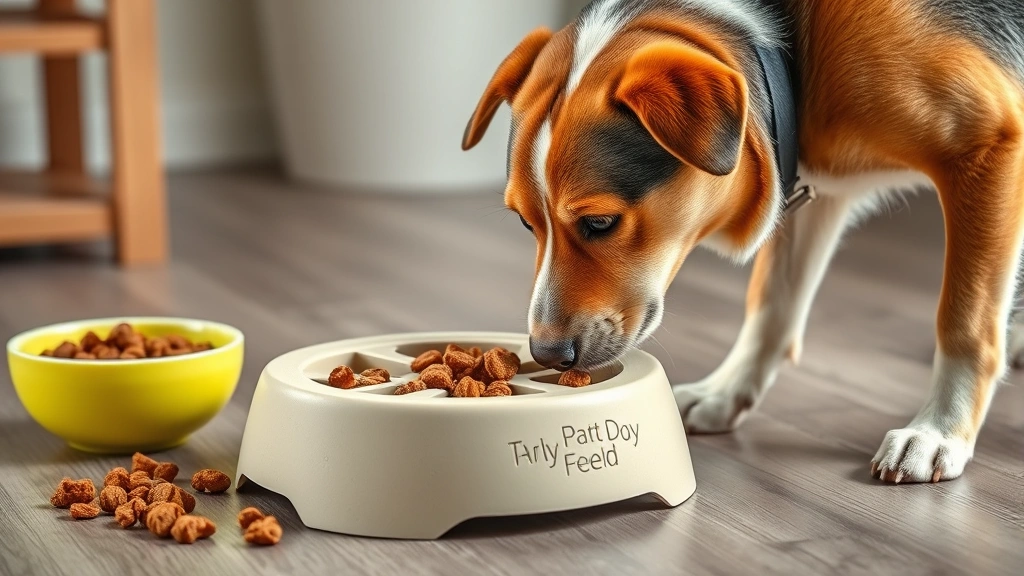
Make mealtimes more engaging and less stressful by switching to feeding enrichment toys and puzzle feeders. These contraptions slow down eating, extend feeding time, and make the experience more about problem-solving than pure consumption.
When your pet has to work for their food, a few magical things happen: they’re mentally stimulated, they eat slower (which is healthier anyway), and their focus shifts from guarding to figuring out how to get the kibble out. Puzzle feeders also reduce the intensity of the feeding experience, making it less of a high-stakes resource situation.
Your vet or a certified animal behaviorist can recommend specific enrichment toys based on your pet’s age, size, and intelligence level. Some pets are puzzle-solving geniuses; others need simpler options. Either way, the enrichment approach is a game-changer for resource guarding feeding management.
Solution 4: Establish a Consistent Feeding Schedule and Routine
Predictability is calming. Pets with anxiety or resource guarding issues often feel more secure when they know exactly when meals are coming. Instead of free-feeding (leaving food out all day), establish set meal times – typically twice daily for dogs and cats.
This routine creates structure and reduces anxiety around food availability. Your pet learns, “Food comes at 7 AM and 5 PM, every single day. I don’t need to stress about it.” Check out our guide on finicky eater schedules for more details on establishing meal timing that works for your household.
Additionally, remove the bowl after 15-20 minutes if your pet hasn’t finished eating. This reinforces the idea that food appears and disappears on a schedule – it’s not an unlimited resource to guard. This psychological shift is surprisingly powerful in reducing guarding behaviors.
Solution 5: Work with a Certified Animal Behaviorist
If your pet’s resource guarding is severe – like if they’ve bitten someone or the behavior is escalating – it’s time to call in the professionals. A certified animal behaviorist can create a customized training plan tailored to your specific situation.
Behaviorists use proven techniques like systematic desensitization and counterconditioning to address the underlying anxiety driving the guarding behavior. According to PetMD, professional intervention is especially important when safety is a concern.
Don’t think of this as admitting defeat – think of it as getting expert help for a complex behavioral issue. A behaviorist might recommend medication (yes, anti-anxiety meds for pets exist), specific training protocols, or a combination of approaches. The investment pays off in a safer, happier household.
Bonus Strategy: The Kong Feeding Routine
Here’s a clever hack that combines enrichment with feeding management: the Kong feeding routine. Fill a Kong toy with wet food or kibble mixed with peanut butter, freeze it, and give it to your pet as their meal.
This approach is gold for resource guarding because it transforms feeding into a solo, engaging activity. Your pet is focused on extracting food from the toy, not defending it from perceived threats. Plus, the extended feeding time and mental stimulation reduce anxiety overall.
What NOT to Do: Common Mistakes in Resource Guarding Feeding Management
Let’s talk about what doesn’t work. Never punish your pet for resource guarding – this only increases anxiety and can make aggression worse. Your dog isn’t being “dominant” or “disrespectful”; they’re scared. Punishment teaches them to hide the behavior, not eliminate it.
Avoid forcing interaction with the bowl or reaching for it while your pet eats, especially early in the training process. This triggers the guarding response and sets back your progress. Let your pet eat in peace while you’re still in the early stages of desensitization.
Don’t assume your pet will “grow out of it” or that it’s not a big deal. Resource guarding typically escalates over time if left unaddressed. What starts as mild growling can progress to serious bites, so early intervention is crucial.
Nutritional Considerations for Anxious Eaters
Sometimes resource guarding is connected to nutritional anxiety or food sensitivities. If your pet has food allergies or feeding routine issues, addressing those can help reduce overall anxiety and guarding behaviors.
Work with your vet to ensure your pet is on an appropriate diet. High-quality, nutrient-dense food can support better mood regulation and reduce stress-related behaviors. Some pets also benefit from supplements like omega-3 fatty acids or calming herbs, which can take the edge off anxiety.
Success Stories: Real Pets, Real Results
Meet Buster, a two-year-old rescue Shepherd mix who wouldn’t let anyone near his food bowl. His owners implemented separate feeding spaces combined with hand-feeding desensitization. Within three months, Buster was actually looking for his owner’s presence during meals – a complete 180 from his original behavior.
Then there’s Mittens, a cat with severe resource guarding around her food and favorite toys. Her owner switched to puzzle feeders and a strict feeding schedule, and the guarding behavior dropped significantly within weeks. The routine and enrichment gave Mittens the security she needed.
These aren’t miracle stories – they’re the result of consistent, evidence-based strategies. Your pet can improve too with patience and the right approach.
Frequently Asked Questions
Is resource guarding a sign of dominance?
Nope! This is a common myth. Resource guarding is rooted in anxiety and insecurity, not dominance. Your pet isn’t trying to “assert dominance” over you; they’re scared someone will take their food. Understanding this changes how you approach the problem.
Can resource guarding be cured completely?
In many cases, yes. With consistent training and management, most pets show significant improvement or complete resolution of guarding behaviors. Some may always have a slight tendency to guard, but it can be managed effectively to prevent aggression.
How long does it take to fix resource guarding?
It depends on the severity and your pet’s history. Mild cases might improve in weeks, while severe cases could take months. Consistency is more important than speed – slow, steady progress is better than rushing and triggering setbacks.
Should I punish my pet for resource guarding?
Absolutely not. Punishment increases anxiety and makes the behavior worse. Your pet isn’t being “bad” – they’re communicating fear. Positive reinforcement and management are the way to go.
Can I prevent resource guarding in puppies?
Yes! Early socialization, hand-feeding, and exposure to people near their food bowl during puppyhood can prevent resource guarding from developing. Prevention is always easier than treatment.
What if my pet guards multiple resources, not just food?
If your pet guards toys, beds, or other items, the same principles apply – desensitization, management, and professional help if needed. Some pets are generally possessive, so addressing the underlying anxiety is key.
Final Thoughts: Managing Resource Guarding Feeding Management Successfully
Resource guarding feeding management isn’t about forcing your pet to “get over it” – it’s about understanding their anxiety and systematically teaching them that your presence and other pets near their food is actually a good thing. Whether you choose separate feeding spaces, hand-feeding desensitization, enrichment toys, consistent schedules, or professional help, the goal is the same: a calm, safe feeding environment for everyone in your household.
Start with the strategy that feels most manageable for your situation. Separate feeding spaces offer immediate relief while you work on long-term solutions. Hand-feeding builds trust and positive associations. Enrichment toys reduce stress and extend feeding time. A consistent schedule creates predictability and calm. And professional help ensures you’re on the right track if things are serious.
Your pet isn’t broken, and you’re not failing. Resource guarding is a solvable problem with the right approach and patience. Take it one day at a time, celebrate small victories, and remember that your pet is doing their best with the emotional tools they have. With your help and consistency, they’ll learn that mealtime is safe, predictable, and nothing to guard against.





