
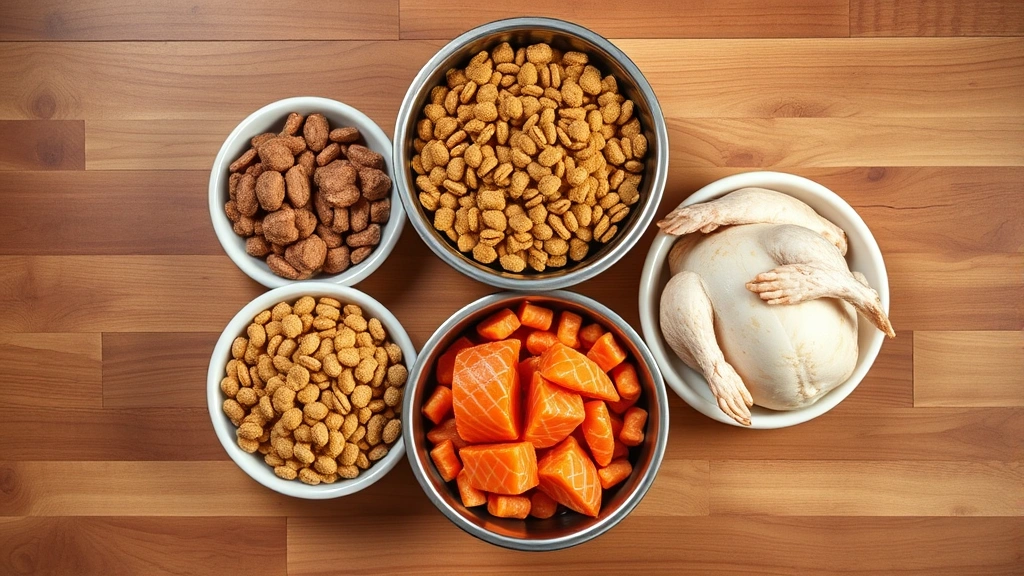
A rotating protein feeding schedule is one of the smartest moves you can make for your pet’s long-term health, and honestly, it’s way simpler than it sounds. Instead of feeding your dog or cat the same protein source day after day, you’re switching things up—rotating between chicken, beef, fish, turkey, and lamb throughout the week or month. Think of it like meal prep for your furry friend, except you’re actually preventing digestive issues, reducing allergies, and keeping their taste buds from getting bored out of their mind.
Table of Contents
- Why Your Pet’s Gut Needs Protein Variety
- Understanding Protein Rotation vs. Limited Ingredient Diets
- The Four-Week Rotation System Explained
- Transitioning Your Pet to a Rotating Schedule
- Best Protein Sources for Rotation
- Practical Implementation: Weekly vs. Monthly Rotation
- Signs Your Pet is Thriving on Rotation
- Common Mistakes to Avoid
- Rotation for Weight Management
- Budget-Friendly Rotation Strategies
- Frequently Asked Questions
- Conclusion: Building Your Rotation Plan
The concept isn’t new, but it’s gaining serious traction among veterinarians and pet nutritionists because the results speak for themselves. Pets on a rotating protein diet often have shinier coats, better digestion, more stable energy levels, and fewer food sensitivities. Plus, you’re not stuck buying the same expensive kibble forever. Let’s dive into why this approach works and how to implement it without turning mealtime into a logistical nightmare.
Why Your Pet’s Gut Needs Protein Variety
Your pet’s digestive system is incredibly smart—maybe too smart for its own good. When you feed the same protein consistently, their gut bacteria adapt and specialize in breaking down just that one protein source. Sounds efficient, right? Wrong. This specialization can actually make your pet more sensitive to that specific protein over time, leading to digestive upset, itching, and inflammation.
When you implement a dog feeding routine that includes varied proteins, you’re keeping those gut bacteria on their toes. Different proteins require different digestive enzymes and gut bacteria to break down properly. By rotating between chicken, beef, and fish, you’re essentially training your pet’s digestive system to be more resilient and adaptable. It’s like cross-training for the gut.
Research from veterinary nutritionists suggests that protein rotation can reduce the development of food sensitivities by up to 40%. Your pet’s immune system also benefits because it’s not constantly exposed to the same antigens, which can trigger inflammatory responses over months or years.
Understanding Protein Rotation vs. Limited Ingredient Diets
Here’s where people get confused: rotating proteins isn’t the same as a limited ingredient diet timing approach. A limited ingredient diet is therapeutic—you use it when your pet already has allergies or sensitivities to narrow down the culprit. Protein rotation is preventative. You’re using it to stop problems before they start.
That said, if your pet already has diagnosed food allergies, you can still rotate between safe proteins. For example, if your dog is allergic to chicken, you might rotate between beef, fish, and lamb. The key is working with your vet to identify which proteins are safe first, then rotating among those options.
The beauty of a rotating protocol is that it gives you flexibility. You’re not locked into one brand or one ingredient list. You can switch between different kibble brands, wet food, and even raw feeding schedule options if you’re into that. Just keep the rotation consistent.
The Four-Week Rotation System Explained
The most popular approach is a four-week cycle, and it’s dead simple to execute. Here’s how it works: pick four different protein sources that your pet tolerates well. Let’s say you go with chicken (Week 1), beef (Week 2), fish (Week 3), and turkey (Week 4). Then you repeat the cycle.
Each week, you feed that single protein source exclusively. You’re not mixing proteins in the same meal—that defeats the purpose because your gut bacteria don’t get time to adapt to each individual protein. The goal is to give your digestive system a full week to work with one protein, then switch it up.
Pro tip: don’t just rotate the kibble brand. Rotate the actual protein source. Many commercial dog foods have multiple protein sources mixed together, which actually prevents the rotation benefit. Look for single-protein kibbles or consider whole food options if you’re willing to put in the effort.
Transitioning Your Pet to a Rotating Schedule
Here’s where most people mess up: they switch proteins too fast and end up with a pet with digestive upset. Your pet’s gut needs time to adjust to each new protein. The transition should take 7-10 days, even though you’re planning to rotate every week or month.
For the first rotation, introduce each new protein gradually over a week. Mix 25% new protein with 75% old protein for days 1-2, then 50/50 for days 3-4, then 75% new with 25% old for days 5-6, and finally 100% new protein on day 7. After you’ve completed the first full cycle and your pet’s gut is adapted, future transitions are easier—you can often switch more quickly.
If your pet has a sensitive stomach feeding schedule, extend the transition period to 10-14 days. Some sensitive pets do better with a two-week rotation instead of weekly. There’s no rigid rule—you’re adapting based on your pet’s individual needs.
Best Protein Sources for Rotation
Not all proteins are created equal. Some are easier to digest, some are more nutrient-dense, and some are better for specific health conditions. Here are the top rotation candidates:
Chicken: The gateway protein. Highly digestible, affordable, and well-tolerated by most pets. Good source of B vitamins and selenium.
Beef: Rich in iron, zinc, and B12. Great for pets needing extra calories or those with lower energy levels. Some pets with sensitivities do better with grass-fed beef.

Fish: Omega-3 powerhouse. Excellent for skin and coat health, joint support, and brain function. Salmon and sardines are particularly nutrient-dense.
Turkey: Leaner than chicken but equally digestible. Good for weight management while maintaining muscle. Often tolerated by pets sensitive to chicken.
Lamb: Novel protein that’s less common in commercial foods, making it great for rotation. Higher in fat than other options, so good for underweight pets.
Duck: Another novel protein. Hypoallergenic and rich in iron. Slightly gamey taste that many pets love.
Avoid rotating between proteins that are too similar (like chicken and turkey back-to-back) since they have similar amino acid profiles. Mix it up so your gut bacteria really have to adapt.
Practical Implementation: Weekly vs. Monthly Rotation
The frequency of your rotation depends on your pet’s age, health status, and your lifestyle. Weekly rotation (like the four-week cycle mentioned earlier) is more work but provides maximum digestive benefits. Monthly rotation (feeding the same protein for a full month before switching) is easier to manage and still provides solid benefits.
For puppies and senior pets, monthly rotation is often better because their digestive systems are more sensitive. For adult pets in good health, weekly rotation is ideal. You can also do a hybrid approach: rotate weekly for three months, then switch to monthly rotation.
When you’re measuring pet food, keep portions consistent even when rotating proteins. Different proteins have different caloric densities—fish is often fattier than chicken, for example. Adjust portions slightly if needed based on your pet’s weight and energy levels, but use the feeding guidelines on each food as your baseline.
Signs Your Pet is Thriving on Rotation
After 4-8 weeks on a rotating schedule, you should notice positive changes. Your pet’s coat should be shinier and softer. Energy levels should stabilize—no more afternoon crashes. Stools should be firmer and less frequent, indicating better digestion. Itching and scratching should decrease significantly.
Some pets lose weight naturally because their metabolism is more efficient when digestion improves. Others gain appropriate muscle mass because they’re absorbing nutrients better. Breath might even improve because oral health is linked to digestive health.
If you’re not seeing improvements after 8 weeks, something’s off. Maybe your pet has a true food allergy that requires a limited ingredient approach. Maybe the kibble quality is poor. Or maybe your pet needs a different rotation frequency. This is when you consult your vet.
Common Mistakes to Avoid
Mistake #1: Rotating too many proteins at once. Stick with 3-4 proteins maximum. More than that becomes confusing and defeats the purpose of giving each protein adequate time.
Mistake #2: Mixing proteins in the same meal. This prevents your gut bacteria from adapting properly. One protein per feeding period.
Mistake #3: Rotating between low-quality kibbles. If the food quality is poor, rotation won’t help much. Invest in foods with real meat as the first ingredient and minimal fillers.
Mistake #4: Ignoring your pet’s individual response. Some pets do better with slower transitions or longer rotation periods. Pay attention to your pet’s specific needs rather than following a generic schedule.
Mistake #5: Forgetting about treats and supplements. If you’re rotating kibble but feeding the same treats every day, you’re not getting full benefits. Rotate treats and check supplement ingredients too.
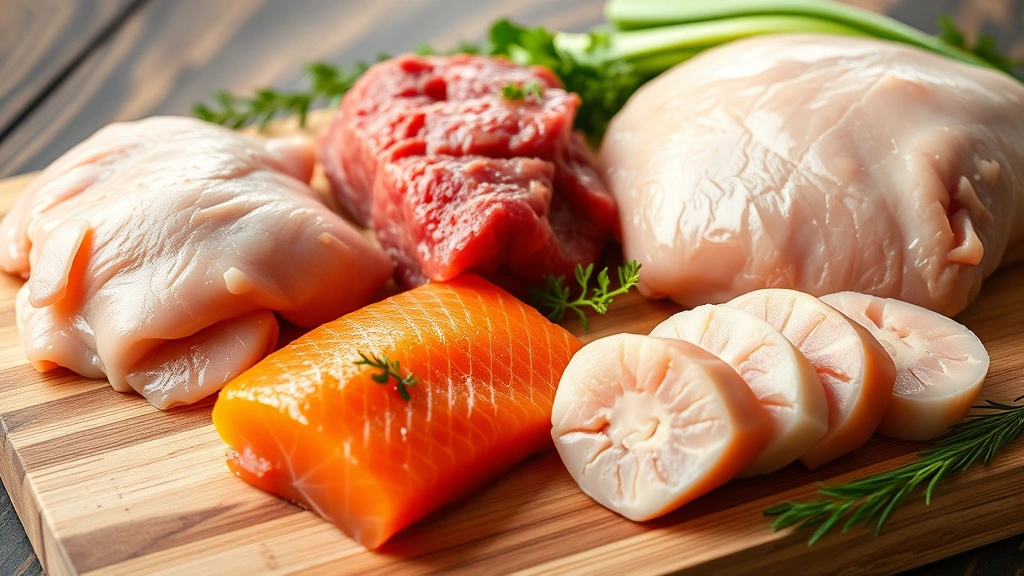
Mistake #6: Switching too frequently within the rotation. Stick to your schedule. Changing proteins randomly confuses your pet’s digestive system instead of training it.
Rotation for Weight Management
A rotating protein schedule works beautifully for weight management. Different proteins have different thermic effects—meaning they require different amounts of energy to digest. Fish and lean proteins have higher thermic effects than fattier proteins.
If your pet needs to lose weight, you might rotate more frequently between leaner proteins (chicken, turkey, fish) and save fattier proteins (lamb, duck, beef) for maintenance weeks or reduce portions when feeding them. Use your weight-based feeding guide as your foundation, then adjust based on the protein you’re feeding.
The variety also prevents the boredom that can lead to begging and overeating. Your pet stays excited about mealtime because something different is coming each week.
Budget-Friendly Rotation Strategies
You don’t need to spend a fortune to rotate proteins. Buy proteins on sale and freeze them. Most kibbles last 2-3 months after opening, so you can stock up when prices drop. Rotate between budget-friendly options like chicken and turkey, with occasional splurges on fish or lamb.
Consider mixing kibble with whole food proteins. You might do 75% kibble and 25% cooked chicken one week, then 75% kibble and 25% ground beef the next week. This stretches your budget while still providing rotation benefits.
Some people do a hybrid approach: rotate between two affordable kibble brands on a weekly basis, then do monthly switches between fish, beef, and chicken-based foods. Find what works for your budget and stick with it.
Frequently Asked Questions
Can I rotate proteins for cats too?
Absolutely. Cats are pickier eaters than dogs, but they benefit equally from protein rotation. Introduce new proteins even more slowly with cats—extend the transition to 2-3 weeks. Cats often prefer warmer food, so let canned options come to room temperature before serving.
What if my pet has a sensitive stomach?
Start with a longer rotation period (monthly instead of weekly) and extend transitions to 2-3 weeks. Consider working with a veterinary nutritionist to identify which proteins your pet tolerates best before building your rotation schedule.
Can I rotate between wet and dry food?
Yes, but keep the protein consistent within each rotation period. You might feed chicken kibble one week and canned chicken the next, then switch to beef kibble and canned beef. The key is rotating the protein source, not the food type.
How do I know if my pet is allergic to a protein?
Common signs include itching, ear infections, vomiting, diarrhea, and skin rashes that appear within a few days to weeks of eating the protein. If you suspect an allergy, eliminate the protein for 4-6 weeks, then reintroduce it to confirm. Work with your vet to rule out other causes.
Is rotation necessary if my pet is doing fine on one protein?
Not strictly necessary, but preventative. Some pets never develop sensitivities on a single protein. However, rotation provides insurance against future problems and ensures broader nutrient diversity. It’s an investment in long-term health.
Can I rotate between raw, kibble, and canned food?
You can, but it’s more complex. Raw, kibble, and canned foods digest differently and have different nutritional profiles. If you’re mixing feeding types, keep the protein consistent and extend transition periods. Many vets recommend sticking to one feeding type for simplicity.
Conclusion: Building Your Rotation Plan
A rotating protein feeding schedule isn’t complicated, but it does require intentionality. Pick 3-4 proteins your pet tolerates well, decide on your rotation frequency (weekly or monthly), plan your transitions carefully, and monitor your pet’s response. The investment in time and planning pays dividends through better digestion, healthier skin and coat, fewer health issues, and a pet that actually gets excited about mealtime again.
Start with a simple four-week rotation using chicken, beef, fish, and turkey. Transition slowly, stick to the schedule, and adjust based on your pet’s individual needs. Most pets thrive within 4-8 weeks, and you’ll have a framework you can use for the rest of their life. Your pet’s gut will thank you, your vet will be impressed with the health improvements, and you’ll have the satisfaction of knowing you’re doing something genuinely beneficial for your best friend.





