
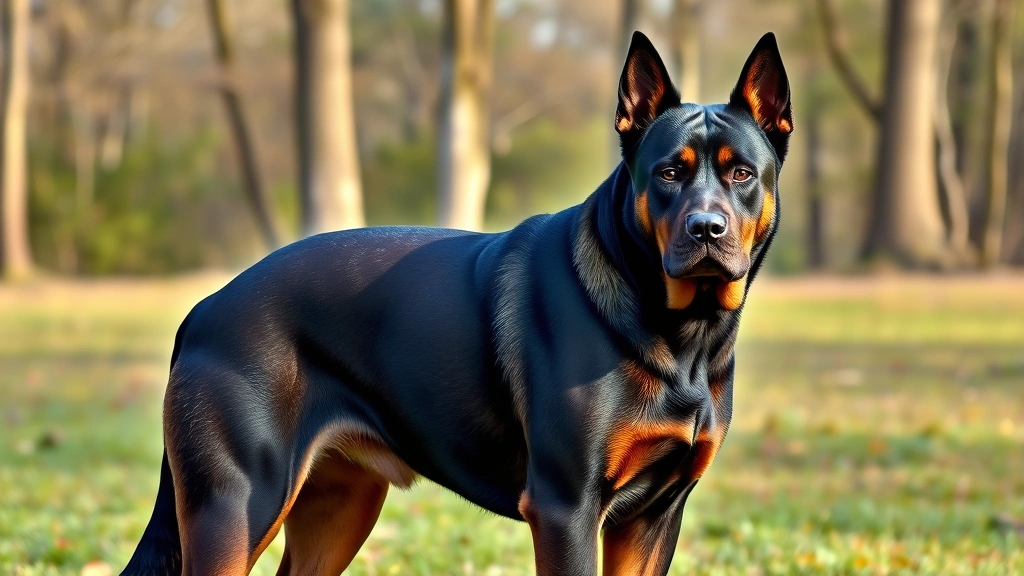
A rottweiler and german shepherd mix dog is basically nature’s way of saying, “Let’s combine two of the most intimidating-looking breeds and see what happens.” Spoiler alert: you get an absolutely magnificent, loyal, and hilariously goofy companion that weighs about as much as a small refrigerator. Often called a “Shepweiler” or “Rottie Shepherd,” this hybrid has exploded in popularity among dog lovers who want a guardian with brains, brawn, and enough personality to make your friends nervous just by walking into the room.
Table of Contents
- What Exactly Is a Rottweiler German Shepherd Mix?
- Physical Characteristics and Size
- Temperament: The Personality Breakdown
- Intelligence and Trainability
- Exercise Requirements and Activity Levels
- Health Considerations for This Hybrid Mix
- Grooming and Coat Maintenance
- Training Essentials and Behavioral Management
- Socialization: Preventing Aggression Issues
- Equipment and Gear Recommendations
- Finding and Choosing a Reputable Breeder
- Cost of Ownership
- Is a Rottweiler German Shepherd Mix Right for You?
- Frequently Asked Questions
- Conclusion
What Exactly Is a Rottweiler German Shepherd Mix?
Let’s start with the basics. A rottweiler and german shepherd mix dog is a cross between two working dog breeds with serious credentials. The German Shepherd comes from, well, Germany, where they were bred for herding sheep and later police work. The Rottweiler traces back to Roman times and was used for driving cattle and guarding property. When you combine these two powerhouses, you get a dog that’s part protector, part detective, and 100% convinced they’re a lap dog.
This isn’t some random designer breed cooked up by Instagram influencers. Both parent breeds have legitimate working histories, which means your Shepweiler likely inherited some serious work ethic. These dogs aren’t just pretty faces (though they’re objectively gorgeous)—they’ve got the temperament and intelligence to back up their intimidating appearance.
Physical Characteristics and Size
If you’re imagining a dog the size of a small bear, you’re on the right track. A rottweiler and german shepherd mix dog typically weighs between 80 to 135 pounds, depending on which parent breed’s genetics decided to show up for the party. They usually stand 22 to 28 inches tall at the shoulder, making them genuinely large breed dogs that require adequate space.
Physically, these dogs often sport the black and tan or black and rust coloring from both parents, though some inherit the Rottweiler’s solid black coat or the German Shepherd’s sable patterns. Their ears might be floppy, pointed, or somewhere hilariously in between during puppyhood. Most end up with the German Shepherd’s alert, pointed ears as they mature. Their build is muscular and athletic—these aren’t couch potatoes, though they’ll definitely try to be.
Temperament: The Personality Breakdown
Here’s where things get interesting. A rottweiler and german shepherd mix dog combines the German Shepherd’s intelligence and loyalty with the Rottweiler’s confidence and protective instincts. Translation: you’ve got a dog that’s smart enough to outsmart you but loyal enough to never actually do it (usually).
These dogs are naturally protective of their families, which makes them excellent guard dogs. However—and this is crucial—they’re not aggressive without reason. Both parent breeds have gotten bad raps over the years, but responsible breeding produces dogs that are discerning protectors, not indiscriminate biters. They’ll assess threats and respond appropriately, which is honestly more useful than constant barking at the mailman.
Shepweilers are also surprisingly affectionate with their people. They love being involved in family activities and can develop separation anxiety if left alone too long. Despite their size and tough appearance, many owners report their mixes are absolute goofballs who think they’re lap dogs. Yes, 120 pounds of dog trying to sit on your lap is hilarious and impractical in equal measure.
Intelligence and Trainability
Both German Shepherds and Rottweilers rank among the smartest dog breeds, so their offspring inherit serious brain power. This is fantastic news if you enjoy training—and a potential nightmare if you don’t. A rottweiler and german shepherd mix dog needs mental stimulation as much as physical exercise, or they’ll get bored and creative about destruction.
These dogs excel at advanced obedience, protection training, and even agility work. They’re eager to please and respond well to positive reinforcement. However, they need an owner who understands how to establish leadership without being harsh. These intelligent dogs will test boundaries and need consistent, fair rules. Think of it like having a really smart teenager who respects you but will absolutely call you out if you’re being inconsistent.
Start training early and be prepared for a dog that remembers everything—good and bad. If you train them to sit, they’ll sit forever. If you accidentally reward jumping, they’ll jump forever. Consistency is your best friend here.
Exercise Requirements and Activity Levels
A rottweiler and german shepherd mix dog is not a low-energy breed, despite what that cute puppy face might suggest. These dogs need substantial daily exercise—we’re talking 1-2 hours minimum of quality activity. This includes physical exercise like running, hiking, or playing fetch, plus mental stimulation like training sessions or puzzle toys.
Without adequate exercise, Shepweilers become destructive. They might eat your couch, dig craters in your yard, or develop behavioral issues. It’s not malice; it’s boredom manifesting as chaos. If you work long hours without dog-walking services, this might not be your ideal breed. These dogs thrive with owners who enjoy outdoor activities and can commit to their exercise needs.
Health Considerations for This Hybrid Mix
Generally, mixed breeds benefit from hybrid vigor, meaning they’re often healthier than their purebred parents. However, a rottweiler and german shepherd mix dog can inherit health issues from either parent breed. Common concerns include hip and elbow dysplasia, which affects large breeds. Both parent breeds have documented instances of these conditions, so responsible breeders screen for them.
Other potential health issues include bloat (gastric dilatation-volvulus), a serious emergency condition common in deep-chested dogs. Degenerative myelopathy and exocrine pancreatic insufficiency occasionally appear in German Shepherds and can be inherited. Regular veterinary checkups, appropriate nutrition from quality large breed dog food, and maintaining healthy weight help prevent or manage many issues.
Always get health clearances from reputable breeders, and maintain regular veterinary care throughout your dog’s life. These dogs typically live 9-13 years with proper care.
Grooming and Coat Maintenance
Prepare yourself: a rottweiler and german shepherd mix dog sheds. A lot. Both parent breeds are heavy shedders, and their offspring usually inherit this delightful trait. Expect fur on your clothes, furniture, and basically everywhere. If you’re looking for low shedding dog breeds, this isn’t it.
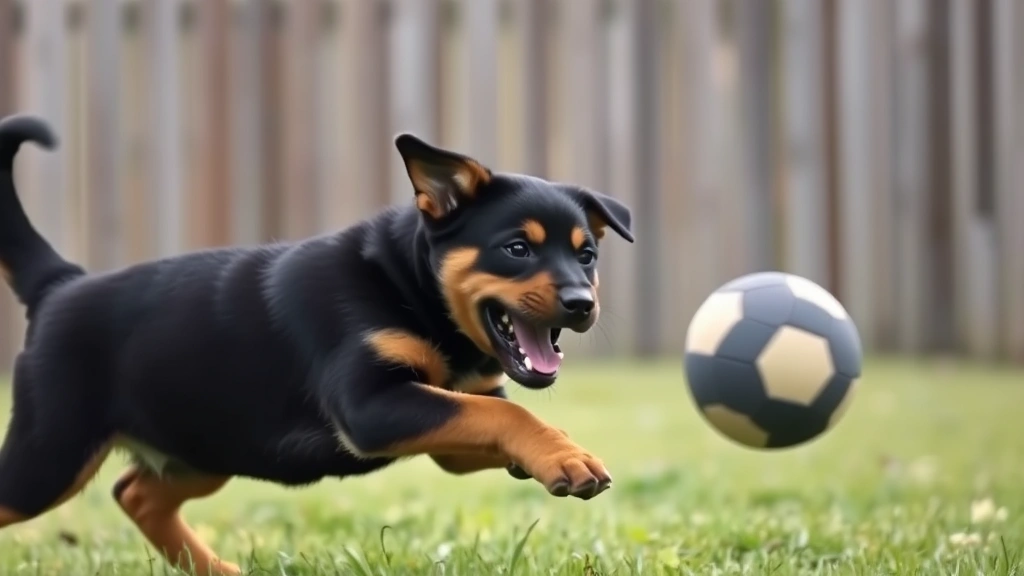
Regular brushing—ideally several times weekly—helps manage shedding and keeps their coat healthy. During shedding season (usually spring and fall), daily brushing becomes your new hobby. Invest in a quality de-shedding tool; it’s not optional, it’s survival equipment.
Bathing every 6-8 weeks with quality dog shampoo keeps their coat healthy. Their nails need regular trimming, ears should be checked weekly, and dental care is important. These maintenance tasks are manageable but require commitment.
Training Essentials and Behavioral Management
Successfully raising a rottweiler and german shepherd mix dog requires understanding their protective instincts and channeling them appropriately. Early socialization is absolutely critical. Expose your puppy to various people, environments, and experiences so they develop confidence rather than fear-based aggression.
These dogs need clear leadership and consistent boundaries. They respond beautifully to positive reinforcement but will ignore commands from owners they don’t respect. Use treats, praise, and play as rewards. Avoid harsh corrections; these intelligent dogs learn better through understanding than punishment.
Obedience training should include commands like “sit,” “stay,” “down,” and a reliable “leave it.” Given their size and strength, having reliable control is essential for safety. Consider working with a professional trainer experienced with large, protective breeds if you’re a first-time owner.
Socialization: Preventing Aggression Issues
Here’s the truth nobody wants to hear: a poorly socialized rottweiler and german shepherd mix dog can become dangerous. Conversely, a well-socialized one is typically friendly and confident. Socialization isn’t about making them love everyone—it’s about teaching them to assess situations calmly.
Start socialization early, ideally from 3 weeks onward. Introduce puppies to different people (including children), other dogs, various environments, and novel experiences. This builds confidence and prevents fear-based reactivity. Adult rescue dogs also benefit from socialization, though it takes more patience and consistency.
Proper socialization combined with training creates a dog that’s protective without being paranoid, confident without being aggressive, and loyal without being reactive.
Equipment and Gear Recommendations
Given their size and strength, proper equipment matters. A well-fitted collar is essential—many owners prefer leather dog collars for durability and comfort. For training and better control, consider a martingale collar for dogs, which provides gentle control without choking.
A sturdy 6-foot leash (not those retractable ones that give false security) is necessary for walks. Harnesses can be helpful for large dogs, distributing pressure across the chest rather than the neck. Invest in quality gear; cheap equipment fails when you need it most.
For your home, ensure your yard is securely fenced. A rottweiler and german shepherd mix dog’s size means they can clear many fences if motivated. Reinforced fencing prevents escapes and keeps them safe from theft, which is unfortunately common for impressive-looking dogs.
Finding and Choosing a Reputable Breeder
If you’re getting a puppy, breeder selection is crucial. Look for breeders who health-test their dogs, can provide documentation of hip and elbow clearances, and genuinely care about where puppies go. Reputable breeders ask you lots of questions because they want their puppies in appropriate homes.
Avoid breeders who have multiple litters available, can’t provide health records, or seem primarily motivated by profit. Visit in person, meet the parents if possible, and ask about their socialization practices. Expect to pay $800-$2,000 for a well-bred puppy from a responsible breeder.
Alternatively, consider rescue organizations specializing in German Shepherds or Rottweilers—they often have mixed breeds available and can provide detailed information about each dog’s temperament and needs.
Cost of Ownership
Beyond the initial purchase price, owning a rottweiler and german shepherd mix dog involves ongoing expenses. Quality food costs more for large breeds—budget $50-$100+ monthly depending on your choice of large breed dog food. Veterinary care, including annual checkups, vaccinations, and preventative medications for heartworm and parasites, runs $500-$1,500 yearly.
Training classes, grooming supplies, quality toys, and equipment add up quickly. Emergency veterinary care for a large dog can cost thousands. Pet insurance specifically for large breeds is worth considering. Plan for $2,500-$5,000+ annually in total ownership costs.
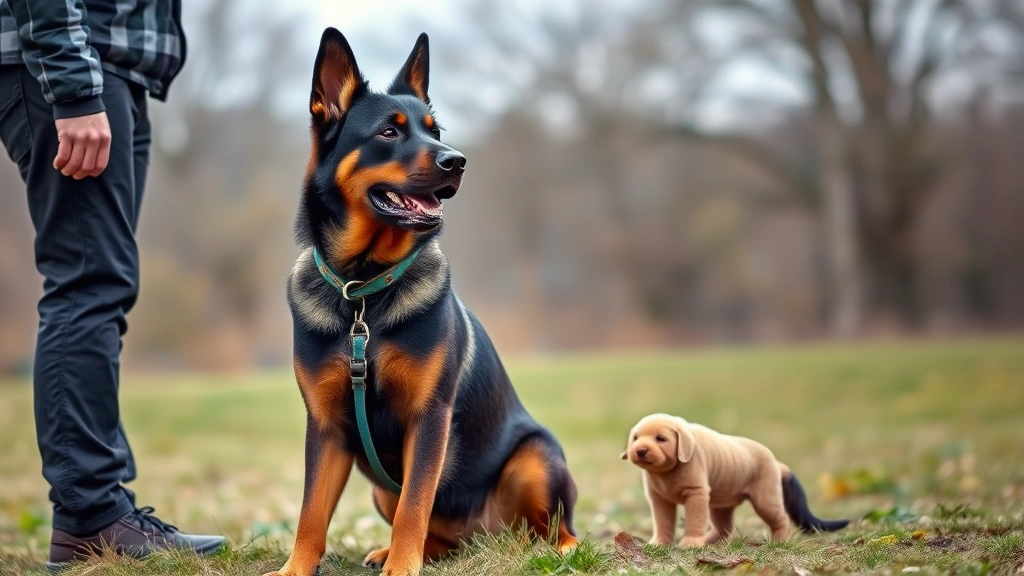
Is a Rottweiler German Shepherd Mix Right for You?
This breed isn’t for everyone, and that’s okay. Honestly assess whether you can provide:
• 1-2 hours of daily exercise and mental stimulation
• Consistent, fair training and leadership
• Commitment to early socialization
• Secure fencing and safe containment
• Financial resources for quality food, veterinary care, and training
• Time and patience for grooming and maintenance
• Understanding of their protective nature and appropriate management
• A 10+ year commitment to their care
If you’re checking all those boxes and love the idea of a loyal, intelligent, powerful companion, a rottweiler and german shepherd mix dog might be perfect. If you’re looking for a low-maintenance, apartment-friendly lap dog, keep looking.
Frequently Asked Questions
Are Rottweiler German Shepherd mixes aggressive?
Not inherently. Both parent breeds have protective instincts, but aggression isn’t guaranteed. Proper socialization, training, and responsible ownership create confident, discerning dogs that protect without being indiscriminately aggressive. Poorly socialized or abused dogs of any breed can develop aggression issues.
How much exercise does a Shepweiler need daily?
Aim for 1-2 hours of quality exercise daily, including physical activity and mental stimulation. This might be running, hiking, fetch, training sessions, or puzzle toys. Without adequate exercise, these intelligent dogs become destructive and develop behavioral problems.
Do Rottweiler German Shepherd mixes shed a lot?
Yes, significantly. Both parent breeds are heavy shedders, and most mixes inherit this trait. Expect fur everywhere and commit to regular brushing, especially during shedding seasons. If shedding is a dealbreaker, this breed isn’t ideal.
What’s the average lifespan of this mix?
Typically 9-13 years with proper care, though some live longer. Factors include genetics, diet, exercise, veterinary care, and overall health management.
Can Shepweilers live in apartments?
Technically yes, but they’re not ideal apartment dogs. Their size, exercise needs, and protective instincts make them better suited to homes with yards. If you live in an apartment, you’d need to commit to extensive daily exercise and training.
How much does a Rottweiler German Shepherd mix puppy cost?
Expect $800-$2,000 from reputable breeders. Cheaper puppies often come from puppy mills or irresponsible breeders. Adoption from rescue organizations is more affordable and gives a home to a dog in need.
Are they good with children?
Generally yes, especially when socialized early and raised with children. Their size requires supervision around small children—not because they’re aggressive, but because they might accidentally knock over toddlers during play. Teach children to respect the dog’s space and boundaries.
Conclusion
A rottweiler and german shepherd mix dog is an impressive, loyal, and intelligent companion for the right owner. These dogs combine the best traits of their parent breeds: the German Shepherd’s trainability and the Rottweiler’s confidence and protective nature. They’re not for casual dog owners, but for committed individuals willing to invest time in training, socialization, and exercise, they’re absolutely rewarding.
These aren’t dogs that will live quietly in the background of your life. They’ll be involved in everything, protective of their people, and occasionally hilarious in their goofy antics. They’ll challenge you, teach you, and love you unconditionally. If that sounds like your kind of dog, start your search with reputable breeders or rescue organizations. If it doesn’t, that’s perfectly fine—plenty of other breeds exist.
The key to success with any rottweiler and german shepherd mix dog is understanding what you’re getting into, committing fully to their needs, and respecting their nature. Do that, and you’ll have one of the most magnificent, loyal companions a dog lover could ask for.
Sources: American Kennel Club – German Shepherd Dog, PetMD – Rottweiler Breed Guide, Cornell University College of Veterinary Medicine





