

If you’ve scrolled through social media lately, you’ve probably seen a sad dog meme that hits a little too close to home—especially if your own pooch has been looking like they’re auditioning for a melancholy indie film. But here’s the thing: when your dog actually looks like those memes in real life, it’s time to figure out what’s going on and how to help them feel better.
Table of Contents
- Understanding Why Your Dog Looks Like a Sad Dog Meme
- 1. Increase Physical Exercise and Playtime
- 2. Create a Safe Space and Comfortable Environment
- 3. Establish a Consistent Routine
- 4. Try Calming Supplements and Natural Remedies
- 5. Invest in Interactive Toys and Puzzle Feeders
- 6. Use Positive Reinforcement and Training
- 7. Ensure Proper Nutrition and Hydration
- 8. Introduce Socialization Opportunities
- 9. Consider Anxiety Medication
- 10. Use Calming Music and White Noise
- 11. Practice Massage and Physical Touch
- 12. Manage Separation Anxiety Strategically
- 13. Address Environmental Stressors
- 14. Spend Quality One-on-One Time
- 15. Monitor Progress and Adjust Strategies
- When to Seek Professional Help
- Why the Sad Dog Meme Resonates So Much
- Frequently Asked Questions
- Conclusion: Turning That Sad Dog Meme Into a Happy Tail
Dogs experience anxiety, depression, and emotional distress just like humans do. Whether it’s separation anxiety, environmental changes, or just a bad day, a sad-looking pup deserves some serious TLC. Let’s explore 15 practical ways to brighten your anxious dog’s day and get them back to their tail-wagging self.
Understanding Why Your Dog Looks Like a Sad Dog Meme
Before you can cheer up your anxious pet, you need to understand what’s causing the sadness. Dogs communicate through body language, and a droopy face, tucked tail, and lack of interest in activities are classic signs of emotional distress. Sometimes it’s behavioral; sometimes it’s medical. A lethargic dog might be dealing with underlying health issues, so always rule out physical problems first by consulting your veterinarian.
1. Increase Physical Exercise and Playtime
One of the most effective ways to combat anxiety in dogs is through exercise. A tired dog is a happy dog—that’s not just a saying, it’s science. Daily walks, fetch sessions, or trips to the dog park can dramatically improve your pup’s mood. Aim for at least 30 minutes of moderate exercise daily, depending on your dog’s age and breed. This releases endorphins, reduces anxiety, and gives your dog something positive to focus on.
2. Create a Safe Space and Comfortable Environment
Dogs need a sanctuary where they feel secure. Set up a cozy den with their favorite bed, blankets, and toys. This could be a corner of your living room, a crate, or a dedicated dog room. When your anxious pet has a safe space to retreat to, they’re more likely to feel calm and less prone to exhibiting sad dog meme-worthy expressions. Make sure this space is quiet and away from household chaos.
3. Establish a Consistent Routine
Predictability is comforting for dogs. Establish consistent times for meals, walks, playtime, and bedtime. When dogs know what to expect, anxiety decreases significantly. If your schedule has been chaotic, that could be why your pup is looking so glum. Dogs thrive on routine, and sticking to one can dramatically improve their emotional well-being.
4. Try Calming Supplements and Natural Remedies
Consider adding calming supplements to your dog’s diet. Options include CBD oil (where legal), L-theanine, chamomile, and valerian root. Many dogs also benefit from joint supplements for dogs that contain ingredients like omega-3 fatty acids, which support both physical and mental health. Always consult your vet before introducing new supplements to ensure they’re appropriate for your dog’s age and health status.
5. Invest in Interactive Toys and Puzzle Feeders
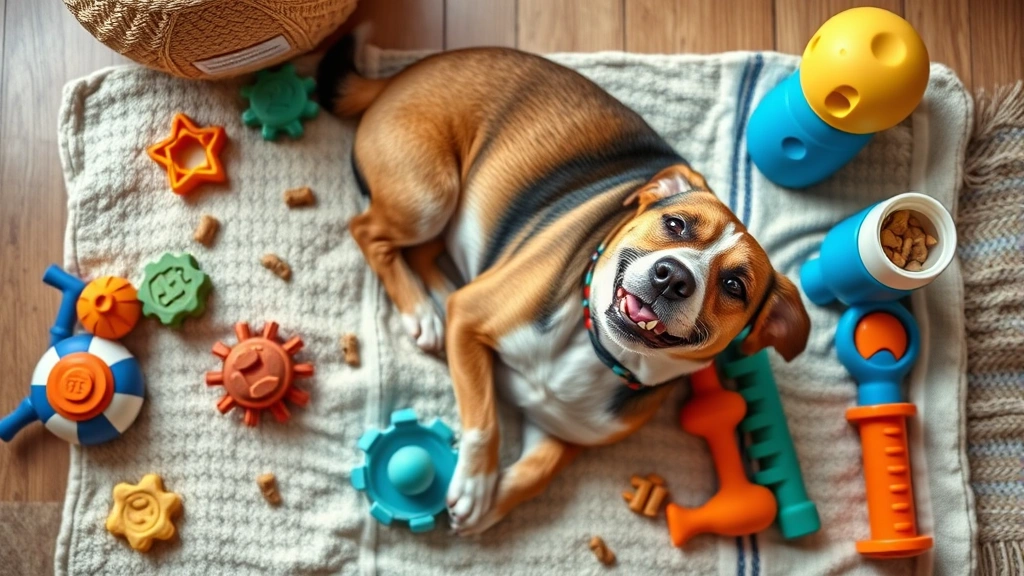
Mental stimulation is just as important as physical exercise. Interactive toys, puzzle feeders, and treat-dispensing toys keep your dog’s brain engaged and provide a sense of accomplishment. This is especially helpful for anxious dogs, as it redirects their nervous energy toward something productive and rewarding. Rotate toys regularly to keep things fresh and interesting.
6. Use Positive Reinforcement and Training
Never punish a sad or anxious dog. Instead, use positive reinforcement to encourage good behavior and build confidence. Reward your pup with treats, praise, and affection when they display calm, happy behavior. Simple training sessions can also boost their self-esteem and strengthen your bond, making them feel more secure and less prone to anxiety.
7. Ensure Proper Nutrition and Hydration
A dog’s diet directly impacts their mood and energy levels. Feed high-quality dog food with balanced nutrients, including omega-3 fatty acids, which support brain health. Make sure your dog always has access to fresh water. Poor nutrition can contribute to lethargy and depression-like symptoms. If you suspect your dog has underlying health issues, consult your vet about dietary adjustments, especially if your dog is dealing with conditions like liver disease in dogs.
8. Introduce Socialization Opportunities
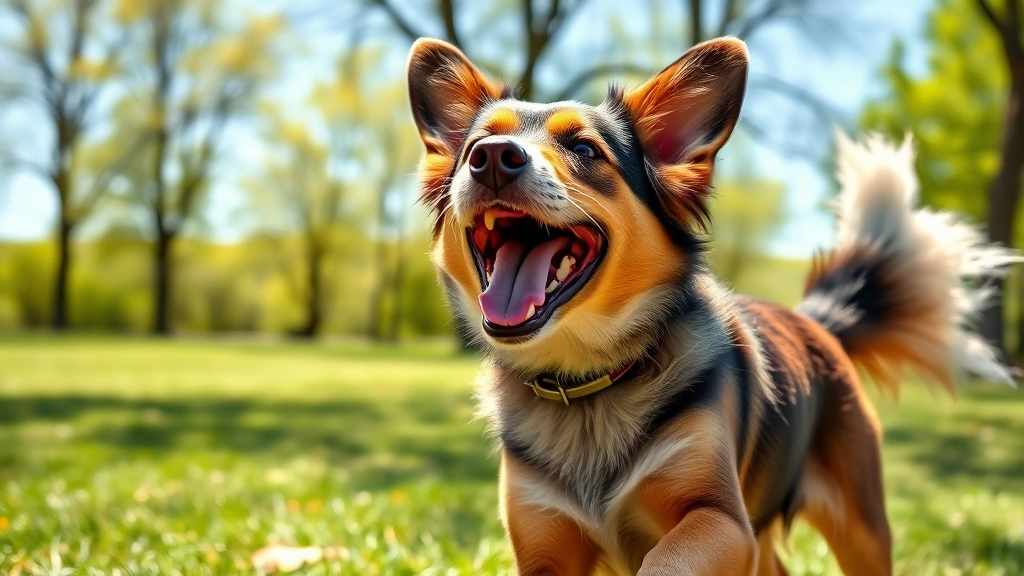
Some anxious dogs benefit from controlled socialization with other dogs and people. If your pup is comfortable with it, arrange playdates with friendly dogs or visit dog-friendly locations. Social interaction can boost mood and reduce anxiety. However, if your dog is extremely anxious, go slow and let them set the pace—forcing socialization can backfire.
9. Consider Anxiety Medication
If your dog’s anxiety is severe, prescription medication might be necessary. Common options include SSRIs like fluoxetine or sertraline. These medications can take several weeks to show effects, and they work best when combined with behavioral modifications and training. Discuss medication options with your veterinarian to determine if it’s appropriate for your anxious pet.
10. Use Calming Music and White Noise
Sound therapy is surprisingly effective for anxious dogs. Play soft, calming music specifically designed for dogs, or use white noise to mask stressful environmental sounds. Many dogs respond well to classical music or specially curated playlists. This is particularly helpful if your dog experiences separation anxiety or gets stressed by thunderstorms or fireworks.
11. Practice Massage and Physical Touch
Gentle massage can have a profound calming effect on anxious dogs. Spend time petting and massaging your dog, paying attention to areas where they hold tension. Physical touch releases oxytocin in both you and your dog, strengthening your bond and reducing stress levels. Even just sitting quietly with your dog and stroking their fur can work wonders.
12. Manage Separation Anxiety Strategically
If your dog gets sad when you leave, practice leaving them alone for short periods and gradually increasing the duration. Use positive associations—give them a special treat or toy only when you leave. Consider hiring a dog walker or pet sitter to break up long periods of solitude. Some dogs benefit from crate training, which provides a sense of security when you’re away.
13. Address Environmental Stressors
Identify what’s triggering your dog’s anxiety. Is it loud noises? Changes in the household? Lack of attention? Once you pinpoint the stressor, work on managing or eliminating it. This might mean using blackout curtains for noise-sensitive dogs, maintaining a calm household atmosphere, or ensuring your dog gets adequate attention. Sometimes the solution is as simple as reducing chaos and creating a more peaceful environment.
14. Spend Quality One-on-One Time
Your presence is therapeutic. Dedicate time each day to focused, quality interaction with your dog—no phone distractions. Play games, take walks, or simply sit together. This strengthens your bond and reassures your dog that they’re loved and valued. Many anxious dogs just need more connection with their humans to feel secure and happy.
15. Monitor Progress and Adjust Strategies
Every dog is unique, so what works for one might not work for another. Keep track of what helps your anxious pet and what doesn’t. Be patient—behavioral changes take time. If your dog isn’t improving after a few weeks of consistent effort, consult your vet to rule out medical issues or discuss other intervention options. You might also want to learn from inspiring stories like the long-term shelter dog Jackie, whose transformation shows what patience and love can achieve.
When to Seek Professional Help
If your dog’s sad demeanor persists despite your best efforts, it’s time to see a veterinarian. They can rule out medical conditions, assess whether medication is needed, and potentially refer you to a certified animal behaviorist. Some dogs benefit from professional training or behavior modification programs designed specifically for anxiety. Don’t hesitate to seek help—your dog’s mental health is just as important as their physical health.
Why the Sad Dog Meme Resonates So Much
The reason sad dog memes are so popular is because dog owners genuinely relate to them. We’ve all seen that pouty face, those sad eyes, that defeated posture. It’s hilarious when it’s a meme, but when it’s your actual dog, it’s heartbreaking. Understanding that these expressions are real emotional responses—not just cute quirks—helps us take our dogs’ well-being seriously.
Frequently Asked Questions
What does a sad dog meme typically show?
A sad dog meme typically features a dog with droopy eyes, a frown-like expression, or a defeated posture. Common examples include dogs looking disappointed, guilty, or forlorn. These images are paired with relatable, humorous captions about human problems or situations.
Can dogs actually feel sad or depressed?
Yes, absolutely. Dogs experience genuine emotions including sadness, anxiety, and depression. While they may not experience these emotions exactly as humans do, behavioral and neurological evidence shows that dogs have emotional lives and can suffer from depression and anxiety disorders.
How long does it take for a dog to recover from anxiety?
Recovery time varies depending on the cause and severity of anxiety. Some dogs improve within weeks with behavioral changes and routine, while others may take months. Medication can take 4-6 weeks to show full effects. Consistency and patience are key.
Are there breeds more prone to anxiety?
Certain breeds, including Border Collies, German Shepherds, and Cavalier King Charles Spaniels, may be more genetically predisposed to anxiety. However, any dog can develop anxiety regardless of breed, depending on their experiences and environment.
Should I be concerned if my dog looks like a sad dog meme all the time?
Yes, persistent sadness or lethargy warrants veterinary attention. While occasional sad expressions are normal, if your dog consistently appears depressed, lacks interest in activities, or shows other behavioral changes, schedule a vet appointment to rule out medical issues and discuss behavioral interventions.
Conclusion: Turning That Sad Dog Meme Into a Happy Tail
Your anxious pet doesn’t have to spend their days looking like they belong in a sad dog meme. By implementing these 15 strategies—from increasing exercise and creating safe spaces to considering professional help when needed—you can significantly improve your dog’s emotional well-being. Remember that every dog is different, so be patient and willing to adjust your approach based on what works for your individual pup. The investment you make in your dog’s mental health now will pay dividends in a happier, more confident companion for years to come. Your dog’s happiness is worth the effort, and they’ll repay you with unconditional love and those tail wags that prove the sad dog meme days are behind them.





