
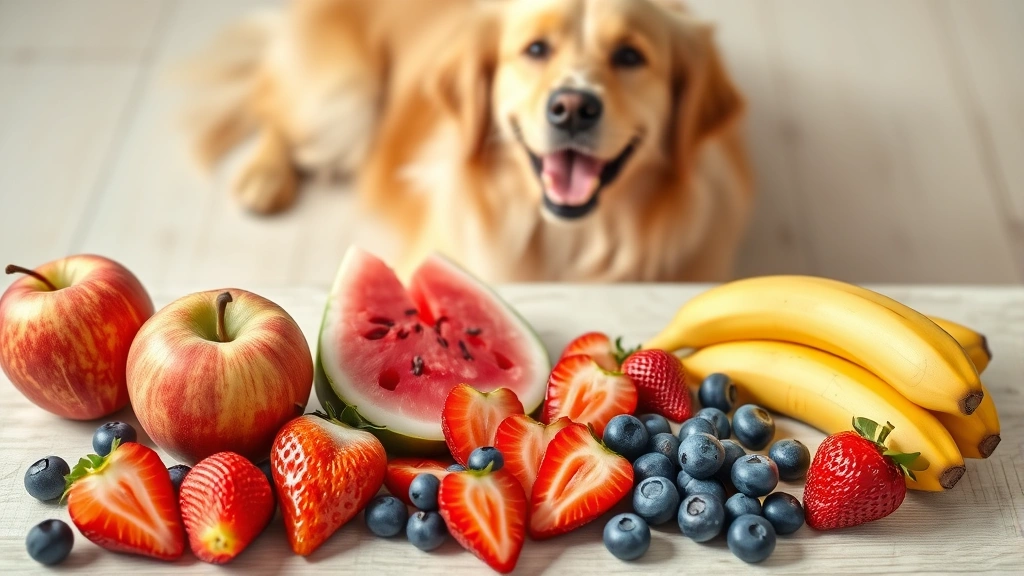
Let’s be real—watching your dog’s eyes light up when you’re eating something delicious is basically the cutest form of emotional manipulation known to mankind. But before you toss Fido a slice of whatever you’re snacking on, you need to know which safe fruits for dogs actually make the cut. Not all fruits are created equal in the canine world, and some can seriously mess with your pup’s digestive system or worse. That’s why we’re breaking down exactly which fruits your vet actually approves of and how to serve them without turning your kitchen into a doggy emergency room.
Table of Contents
- Why Fruits Can Be Great (and Terrible) for Dogs
- The Top 10 Safe Fruits for Dogs (Vet-Approved)
- Fruits to Absolutely Avoid (Seriously, Don’t Even Think About It)
- How to Safely Introduce Fruits to Your Dog’s Diet
- Portion Control: How Much Fruit Can Your Dog Actually Eat?
- Creative Ways to Serve Safe Fruits for Dogs
- Signs Your Dog Isn’t Tolerating Fruit Well
- The Vet’s Take: What Professionals Actually Recommend
- Frequently Asked Questions
- Final Thoughts: Keeping Your Dog Healthy and Happy
Why Fruits Can Be Great (and Terrible) for Dogs
Here’s the thing about fruits: they’re packed with vitamins, fiber, and antioxidants that can genuinely benefit your dog’s health. But—and this is a big but—dogs aren’t exactly built the same way we are. Their digestive systems evolved to process meat, not a fruit salad. Some fruits contain compounds that are straight-up toxic to dogs, while others are perfectly fine in moderation. The key word here is moderation. We’re talking treats, not meal replacements. According to the American Kennel Club, treats (including fruits) should make up no more than 10% of your dog’s daily caloric intake. The remaining 90% should come from a balanced, complete dog food diet. If you’re unsure about your dog’s nutritional needs, check out our guide on adolescent dog nutrition or establish a solid dog feeding routine.
The Top 10 Safe Fruits for Dogs (Vet-Approved)
1. Apples
Apples are basically the gateway fruit for dog treats. They’re crunchy, refreshing, and packed with vitamin C. Just remove the seeds and core first—apple seeds contain cyanogenic compounds that can be harmful in large quantities. A few thin slices as an occasional treat? Your dog will think you’re a hero. Pro tip: freeze them for a refreshing summer snack.
2. Bananas
Bananas are potassium powerhouses and most dogs go absolutely bonkers for them. They’re naturally sweet, so your pup gets that satisfying treat feeling without added sugar. The downside? They’re calorie-dense and high in natural sugars, so keep portions small. A few thin slices, not the whole fruit.
3. Blueberries
These little blue nuggets are nutritional superstars. They’re loaded with antioxidants and are small enough that you can toss them to your dog as training treats without worrying about choking hazards. Plus, they won’t stain your carpet (unlike some other berries). Frozen blueberries are especially great for teething puppies.
4. Watermelon
Nothing says summer like watermelon, and your dog can totally join the party. It’s 92% water, so it’s hydrating and low in calories. Remove all the seeds and rind, though—seeds can cause intestinal blockages, and the rind is a choking hazard. Stick to the pink flesh only.
5. Strawberries
Strawberries are safe for dogs and contain beneficial fiber and vitamin C. They’re naturally sweet, so many dogs find them irresistible. Cut them into manageable pieces, especially for smaller breeds. These work great as occasional treats or training rewards.
6. Cantaloupe
Cantaloupe is another hydrating fruit that’s safe for dogs in moderation. It’s low in calories and contains vitamins A and C. Remove the seeds and rind, and cut the flesh into bite-sized pieces. It’s particularly good for dogs with sensitive stomach feeding schedules since it’s gentle on digestion.
7. Pears
Pears are safe, nutritious, and most dogs tolerate them well. They’re high in fiber, which can support digestive health. Remove the seeds (they contain trace amounts of cyanide) and cut into manageable chunks. Some dogs prefer them chilled.
8. Peaches
Fresh peaches are safe and delicious, but the pit is a major no-go. The pit contains cyanogenic compounds and presents a serious choking hazard. Remove the pit entirely, cut the flesh into appropriate sizes, and you’ve got a summer treat your dog will love.

9. Oranges
Most dogs can handle small amounts of orange flesh (not the pith or seeds). They’re vitamin C-packed, though the acidity might upset sensitive stomachs. If your dog has digestive issues, consult our resource on limited ingredient diet timing before introducing citrus.
10. Cranberries
Fresh cranberries are safe for dogs, though most find them pretty tart. They’re often recommended for urinary tract health in dogs. Avoid cranberry sauce or dried cranberries with added sugar. Stick to fresh berries in small quantities.
Fruits to Absolutely Avoid (Seriously, Don’t Even Think About It)
Now for the scary stuff. Some fruits are genuinely dangerous for dogs and should never make it into their mouths. Grapes and raisins are at the top of the danger list—they can cause acute kidney failure in dogs, and nobody knows exactly why. It’s not about the quantity; even a few grapes can trigger a reaction in some dogs. Avocados contain persin, a fungal toxin that can cause vomiting and diarrhea. Cherries have cyanogenic compounds in the pit and leaves. Plums, apricots, and nectarines all have pits containing cyanide. Citrus fruits like lemons and limes are too acidic. And coconut? It’s not toxic, but the high fat content can upset your dog’s stomach. When in doubt, ask your vet before introducing any new fruit.
How to Safely Introduce Fruits to Your Dog’s Diet
You can’t just dump a bowl of fruit in front of your dog and hope for the best. Start small—we’re talking a single piece or a small amount. Watch for any signs of digestive upset over the next 24-48 hours. Diarrhea, vomiting, or unusual behavior means that particular fruit isn’t working for your pup. Remember that every dog is different; what works for your neighbor’s Golden Retriever might not work for your French Bulldog. If your dog has a sensitive stomach or is on a sensitive stomach feeding schedule, introduce new foods even more carefully. Some dogs with health conditions might need to avoid certain fruits entirely—this is especially important if your dog is feeding during illness or recovery.
Portion Control: How Much Fruit Can Your Dog Actually Eat?
This is where a lot of dog owners mess up. Just because a fruit is safe doesn’t mean your dog should eat unlimited amounts. The 10% rule applies here: treats (including fruit) should make up no more than 10% of your dog’s daily calories. For a 50-pound dog eating about 1,000 calories daily, that’s roughly 100 calories from treats. A medium apple has about 95 calories, so that’s basically your entire treat allowance right there. Smaller fruits like blueberries or strawberries give you more flexibility. The point is: measure it out, don’t eyeball it. Your dog’s waistline will thank you.
Creative Ways to Serve Safe Fruits for Dogs
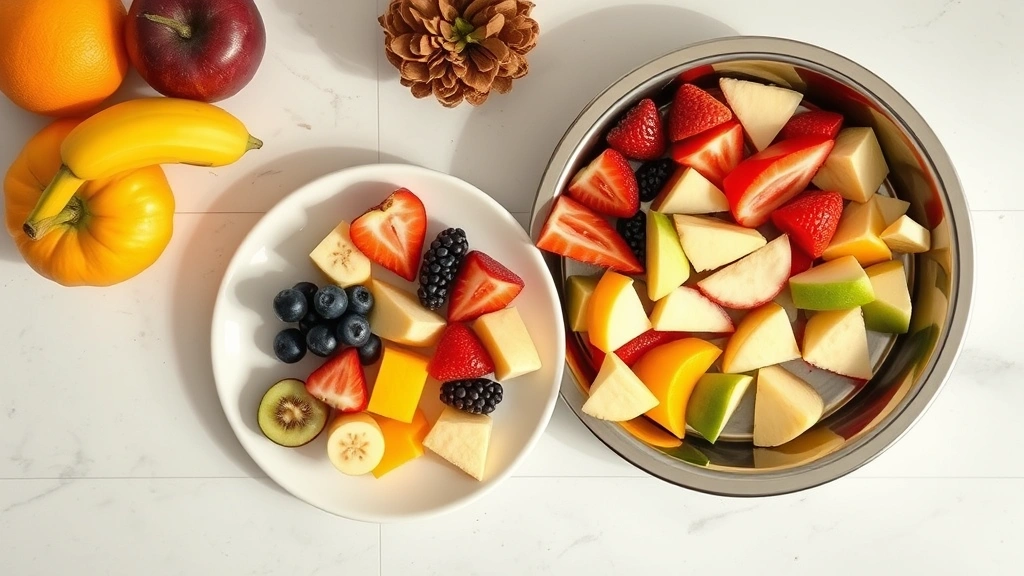
Frozen fruit treats are a game-changer, especially during summer. Freeze blueberries, strawberries, or watermelon chunks in ice cube trays for refreshing snacks. You can also blend safe fruits with plain yogurt and freeze them in Kong toys for a longer-lasting treat. Puree safe fruits and freeze them in popsicle molds—your dog will feel fancy. Some people even make fruit and peanut butter (xylitol-free!) biscuits for special occasions. The key is keeping portions reasonable and treating fruit as a special addition to their diet, not a dietary staple.
Signs Your Dog Isn’t Tolerating Fruit Well
Not every dog’s digestive system is thrilled about fruit. Watch for loose stools, vomiting, excessive gas, or changes in appetite. Some dogs might experience itching or skin irritation if they have sensitivities. If your dog shows any of these signs after eating fruit, eliminate it from their diet and talk to your vet. Certain breeds and individual dogs are more prone to digestive issues, so what works for one dog might not work for another. This is especially important if your dog has pre-existing health conditions or dietary restrictions.
The Vet’s Take: What Professionals Actually Recommend
According to PetMD, veterinarians generally agree that safe fruits for dogs are fine in moderation as occasional treats. The American Veterinary Medical Association emphasizes that a complete and balanced commercial dog food should be the foundation of your dog’s diet. Fruits should enhance, not replace, proper nutrition. Many vets recommend fruits as training treats or occasional snacks rather than regular meal components. If your dog has specific health conditions—diabetes, obesity, kidney disease—your vet might recommend avoiding certain fruits altogether or limiting them significantly. Always check with your veterinarian before making major dietary changes, especially if your dog is on prescription food or has health concerns.
Frequently Asked Questions
Can dogs eat all berries?
Not quite. While blueberries, strawberries, and cranberries are safe, you should avoid grapes and raisins entirely—they’re toxic to dogs. Other berries like raspberries and blackberries are generally safe in small amounts, but always introduce new foods gradually and watch for digestive upset.
Is it okay to give my dog fruit every day?
While occasional fruit treats are fine, daily fruit might be overkill. Remember the 10% treat rule—your dog’s primary nutrition should come from balanced dog food. If you want to give fruit daily, keep portions tiny and rotate between different safe options to provide variety without overdoing it.
What’s the safest way to prepare fruit for dogs?
Always remove pits, seeds, and tough outer skins. Cut fruit into appropriate sizes for your dog’s mouth—you want to avoid choking hazards. Wash fruit thoroughly to remove pesticides. Serve fruit fresh or frozen; avoid canned fruits with added sugars or syrups. Never serve fruit that’s been treated with xylitol, a sugar substitute that’s toxic to dogs.
Can puppies eat the same fruits as adult dogs?
Yes, but with even more caution. Puppies have developing digestive systems, so introduce fruits very gradually and in tiny portions. Stick to the safest options like blueberries and apples. Monitor carefully for any digestive upset. For more on puppy nutrition, check out our guide on adolescent dog nutrition.
My dog ate a grape—should I panic?
Contact your veterinarian immediately. While not all dogs react to grapes the same way, some experience acute kidney failure from even a small amount. Your vet might recommend inducing vomiting or other treatments depending on your dog’s size and how recently they ate the grape. Don’t wait to see if symptoms develop; get professional advice right away.
Are dried fruits safe for dogs?
Most dried fruits should be avoided because the drying process concentrates sugars and can create choking hazards. Dried grapes (raisins) and dried currants are definitely off-limits. If you want to give your dog dried fruit, stick to specially prepared dog-safe options and keep portions tiny.
Final Thoughts: Keeping Your Dog Healthy and Happy
Safe fruits for dogs can be a wonderful addition to your pup’s treat rotation when you know what you’re doing. Apples, bananas, blueberries, watermelon, strawberries, cantaloupe, pears, peaches, oranges, and cranberries are all vet-approved options that most dogs can enjoy in moderation. The key is remembering that these are treats, not meal replacements, and they should never exceed 10% of your dog’s daily caloric intake. Always remove pits, seeds, and tough skins. Introduce new fruits slowly and watch for signs of digestive upset. And when in doubt, ask your veterinarian—they know your dog’s individual health situation better than anyone.
Your dog doesn’t need fancy fruit treats to be happy; they just need you, consistent nutrition from quality dog food, and the occasional special snack to make their tail wag. Stick to these guidelines, and you’ll be giving your pup safe, nutritious treats they’ll absolutely love without putting their health at risk.





