
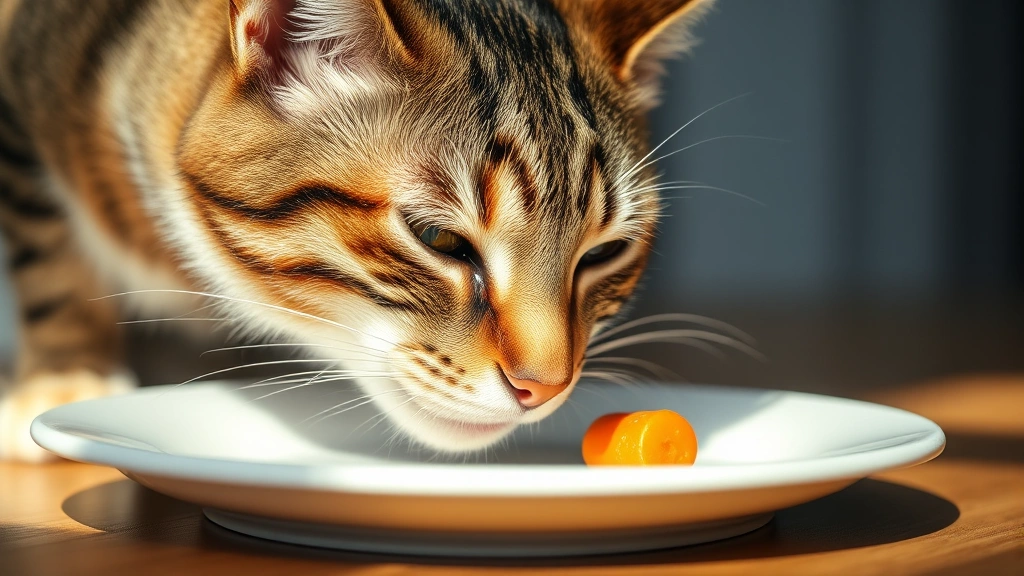
When it comes to keeping your feline friend healthy, understanding which safe vegetables for cats can be incorporated into their diet is crucial for responsible pet ownership. While cats are obligate carnivores, meaning they primarily need meat to survive, certain vegetables can provide beneficial nutrients and even help with digestive health when offered in moderation. Let’s dive into what your whiskered companion can safely munch on.
Table of Contents
- Why Consider Vegetables for Your Cat?
- Best Vegetables Safe for Cats to Eat
- Vegetables to Avoid: The Danger Zone
- How to Safely Introduce Vegetables to Your Cat’s Diet
- Portion Control: How Much is Too Much?
- Signs Your Cat Isn’t Tolerating Vegetables Well
- The Role of Fiber in Feline Nutrition
- Commercial Cat Foods with Vegetables: Are They Safe?
- Special Considerations for Senior and Kitten Cats
- Frequently Asked Questions
- Summary: The Bottom Line on Safe Vegetables for Cats
Why Consider Vegetables for Your Cat?
Here’s the thing: cats don’t actually need vegetables to survive. They’re built differently than dogs or humans. However, some veggies can offer supplementary benefits like fiber for digestive health, hydration, and certain vitamins. Think of vegetables as occasional treats rather than dietary staples. Some cats even enjoy the crunch factor, which can be mentally stimulating. When you’re feeding indoor vs outdoor cats, understanding their unique nutritional needs becomes even more important.
Best Vegetables Safe for Cats to Eat
Not all vegetables are created equal when it comes to feline safety. Here are the top contenders that won’t send your kitty to the emergency vet:
Cooked Carrots: These orange powerhouses are packed with beta-carotene and are generally safe when cooked and cut into small, manageable pieces. Raw carrots can be a choking hazard, so stick with steamed or boiled options.
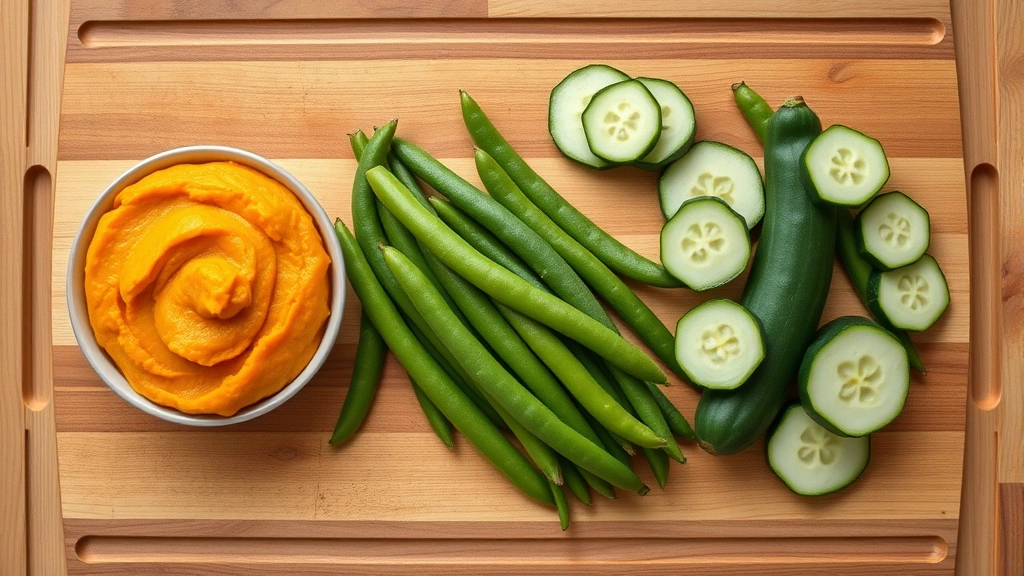
Pumpkin: This fall favorite is a digestive superstar. Plain pumpkin puree (not pie filling) can help with both constipation and diarrhea. Many vets recommend it for cats with sensitive stomachs. If your cat has digestive issues, check out our guide on sensitive stomach supplements.
Green Beans: Low in calories and safe for cats, green beans provide a nice crunch and some fiber. Serve them cooked and plain—no seasonings allowed.
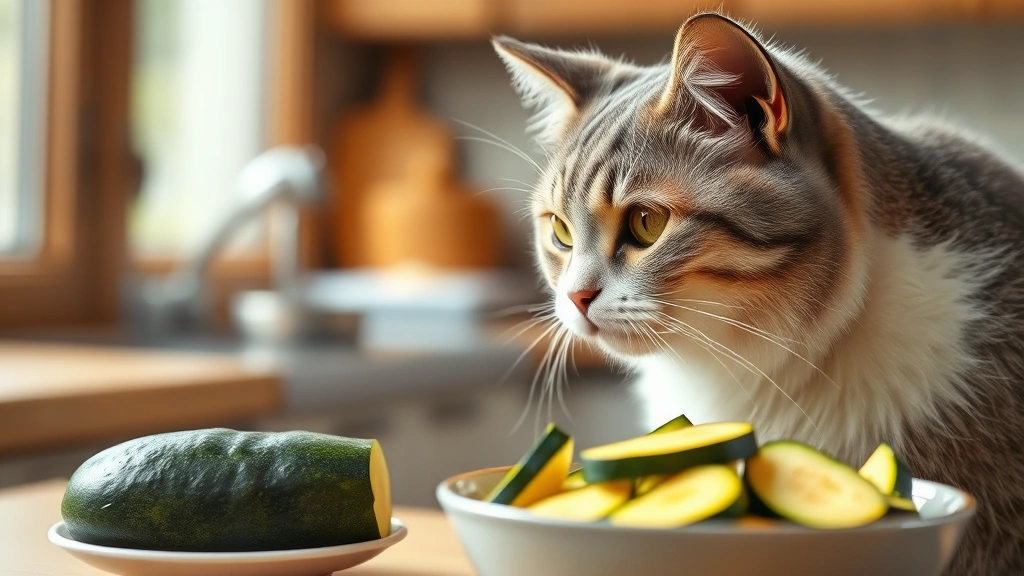
Cucumbers: These hydrating vegetables are mostly water and can be a refreshing treat on hot days. Cut them into small pieces and remove any seeds.
Zucchini: Another hydrating option that’s gentle on the feline digestive system. Cooked zucchini is easier for cats to digest than raw.
Vegetables to Avoid: The Danger Zone
Just because a vegetable is healthy for humans doesn’t mean it’s safe for your cat. Some vegetables are downright toxic and should never appear in your cat’s food bowl:
Onions and Garlic: These contain thiosulfates that damage red blood cells and cause hemolytic anemia in cats. Even small amounts can be dangerous. Keep these far away from your feline friend’s diet.
Tomatoes: Raw tomatoes contain solanine, which is toxic to cats. Cooked tomatoes in small amounts might be okay, but it’s better to skip them entirely.
Avocado: Contains persin, which can cause vomiting and diarrhea in cats. Definitely a no-go.
Potatoes: Raw potatoes contain solanine and should be avoided. Even cooked potatoes offer little nutritional value for cats.
Corn: While not toxic, corn is difficult for cats to digest and offers minimal nutritional benefit. Many commercial cat foods use corn as a filler, which isn’t ideal.
How to Safely Introduce Vegetables to Your Cat’s Diet
If you’ve decided to add some veggie variety to your cat’s menu, do it slowly and carefully. Start with tiny portions—we’re talking about a piece the size of a pea. Observe your cat for any signs of digestive upset like vomiting, diarrhea, or constipation over the next 24-48 hours.
Always cook vegetables before offering them to your cat. Raw vegetables can be choking hazards and are harder to digest. Cut everything into small, bite-sized pieces. Remove all seeds and stems. Never add seasonings, salt, or butter—keep it plain and simple.
When introducing new foods, consider using a pet food transition schedule to ensure your cat’s digestive system adjusts properly. This is especially important if your cat has a history of food allergies feeding routine issues.
Portion Control: How Much is Too Much?
Vegetables should never exceed 10% of your cat’s daily caloric intake. For most cats eating a standard diet, this means just a tablespoon or two of cooked vegetables per week. Think of veggies as occasional treats, not meal replacements.
Your cat’s primary nutrition should come from high-quality protein sources. According to the Association of American Feed Control Officials (AAFCO), cats require specific amino acids like taurine that are found in meat, not vegetables.
Signs Your Cat Isn’t Tolerating Vegetables Well
Every cat has a unique digestive system. Some cats thrive with occasional veggie treats, while others can’t tolerate them at all. Watch for these warning signs:
Vomiting after eating vegetables, diarrhea or constipation, loss of appetite, lethargy, or excessive grooming around the digestive area. If you notice any of these symptoms, discontinue the vegetables immediately and consult your veterinarian.
Ensure your cat stays properly hydrated when consuming vegetables. Check out our article on hydration with feeding to learn more about keeping your cat’s water intake optimal.
The Role of Fiber in Feline Nutrition
Fiber from vegetables can help prevent hairballs and promote healthy bowel movements. However, cats don’t actually need much fiber compared to dogs. Their natural diet (raw prey) contains minimal fiber, and their digestive systems are optimized for protein metabolism.
If your cat is struggling with hairballs or constipation, consult your vet before adding vegetables. Sometimes the issue requires professional intervention rather than DIY dietary changes. According to PetMD, excessive fiber can actually cause problems in cats with certain health conditions.
Commercial Cat Foods with Vegetables: Are They Safe?
Many commercial cat foods include vegetables as fillers or nutrient sources. While these are generally safe, they’re not necessarily beneficial. Look for foods where meat is the primary ingredient, not vegetables or grains.
High-quality cat foods list specific meat sources (like chicken or fish) first, followed by other ingredients. Avoid foods where corn, wheat, or soy are listed in the top ingredients. These fillers don’t provide the amino acids cats need and can trigger food allergies feeding routine issues in sensitive cats.
Special Considerations for Senior and Kitten Cats
Senior cats may benefit more from certain vegetables due to digestive changes, but introduce them even more cautiously than you would with adult cats. Kittens, on the other hand, should focus almost exclusively on kitten-formulated foods with proper taurine levels.
If you have a senior cat, pumpkin puree can be particularly beneficial for digestive health. However, always check with your veterinarian before making dietary changes for older cats, as they may have underlying health conditions that affect their ability to digest vegetables.
Frequently Asked Questions
Can cats eat raw vegetables?
While some cats can nibble on raw vegetables like cucumber or carrot, cooked vegetables are generally safer. Raw vegetables pose choking hazards and are harder for cats to digest. Always cook vegetables until soft and cut them into small pieces.
Is it okay to give my cat vegetable scraps from dinner?
Only if those scraps are from cat-safe vegetables prepared without salt, oil, seasonings, or harmful ingredients like garlic and onions. Most dinner scraps contain seasonings that aren’t appropriate for cats, so it’s better to prepare plain cooked vegetables specifically for your feline friend.
Can cats be vegetarian or vegan?
No. Cats are obligate carnivores and require specific amino acids like taurine that are found almost exclusively in animal products. A vegetarian or vegan diet can cause serious health problems in cats, including blindness and heart disease. Always prioritize meat-based nutrition for your cat.
How do I know if my cat is allergic to a vegetable?
Common allergy symptoms include itching, vomiting, diarrhea, or skin issues appearing within 24-48 hours of eating a new food. If you suspect an allergy, eliminate the vegetable and consult your veterinarian. They may recommend an elimination diet to identify the culprit.
Are frozen vegetables safe for cats?
Yes, frozen vegetables are safe as long as they contain no added salt or seasonings. Thaw them completely before serving and cut into appropriate sizes. Some cats even enjoy frozen vegetables as a cooling treat during hot weather.
Can vegetables replace cat treats?
Vegetables can supplement your cat’s treat intake, but they shouldn’t completely replace commercial treats. Cats need the nutritional balance provided by proper cat treats or their regular food. Use vegetables as occasional, low-calorie treat options for weight management.
Summary: The Bottom Line on Safe Vegetables for Cats
While safe vegetables for cats can occasionally supplement their diet, they’re not essential and should never replace meat-based nutrition. Stick to cat-safe options like cooked carrots, pumpkin, green beans, cucumbers, and zucchini in tiny portions. Always avoid toxic vegetables like onions, garlic, avocado, and raw tomatoes.
Remember that cats are obligate carnivores with unique nutritional requirements. Any dietary changes should be introduced slowly and monitored carefully. When in doubt, consult your veterinarian before adding vegetables to your cat’s diet. Your feline friend’s health depends on making informed nutritional choices, and a vet can provide personalized guidance based on your cat’s individual needs and health status.





