
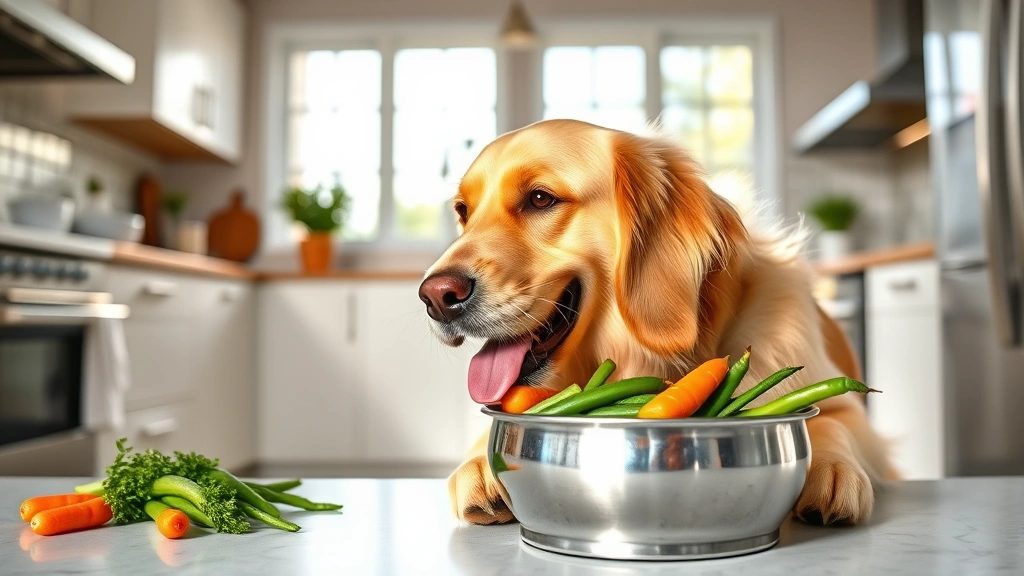
If you’re wondering whether safe vegetables for dogs actually exist beyond the kibble in their bowl, the answer is a resounding yes—and your pup’s taste buds will thank you. Vegetables aren’t just rabbit food; they’re nutritional powerhouses that can make your dog healthier, happier, and way less bored with dinner time. But here’s the catch: not all veggies are created equal, and some can actually make your furry friend seriously sick. Let’s dig into which vegetables are safe, which ones to avoid like the plague, and how to serve them without turning your kitchen into a veterinary emergency room.
Table of Contents
- Why Vegetables Matter for Your Dog’s Diet
- The Green Superstars: Best Vegetables for Dogs
- The Caution Zone: Vegetables to Serve Carefully
- The No-Go List: Vegetables That Are Actually Toxic
- How to Prepare Vegetables: The Right Way
- Portion Control: How Much Is Too Much?
- Vegetables and Special Dietary Needs
- Creative Ways to Serve Vegetables to Picky Dogs
- When to Call the Vet: Signs of Vegetable-Related Issues
- Vegetables as Part of a Balanced Diet
- Frequently Asked Questions
- Final Thoughts: Keep Your Pup Happy and Healthy
Why Vegetables Matter for Your Dog’s Diet
Your dog’s ancestors weren’t exactly dining on five-star kibble, and while modern commercial dog food is scientifically formulated, adding vegetables to their diet provides real benefits. Vegetables are loaded with fiber, vitamins, minerals, and antioxidants that support digestive health, boost immunity, and keep those joints moving smoothly. They’re also low in calories, making them perfect for dogs who need to shed a few pounds without feeling like they’re on a punishment diet.
When you incorporate vegetables into your dog’s feeding routine, you’re not just giving them snacks—you’re enhancing their overall nutrition. Many vets recommend mixed diet feeding that combines quality kibble with whole foods like vegetables. This approach mirrors what dogs would naturally eat in the wild, minus the raw meat part (unless you’re into that whole raw feeding thing).
The Green Superstars: Best Vegetables for Dogs
Let’s start with the vegetables that are basically kryptonite for keeping your dog healthy. These are the A-list veggies that vets actually recommend.
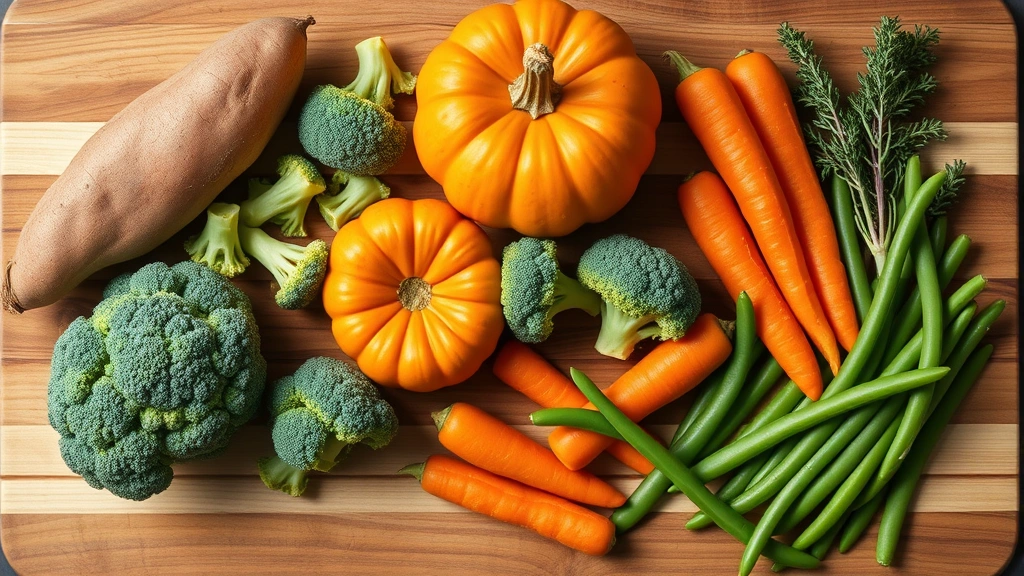
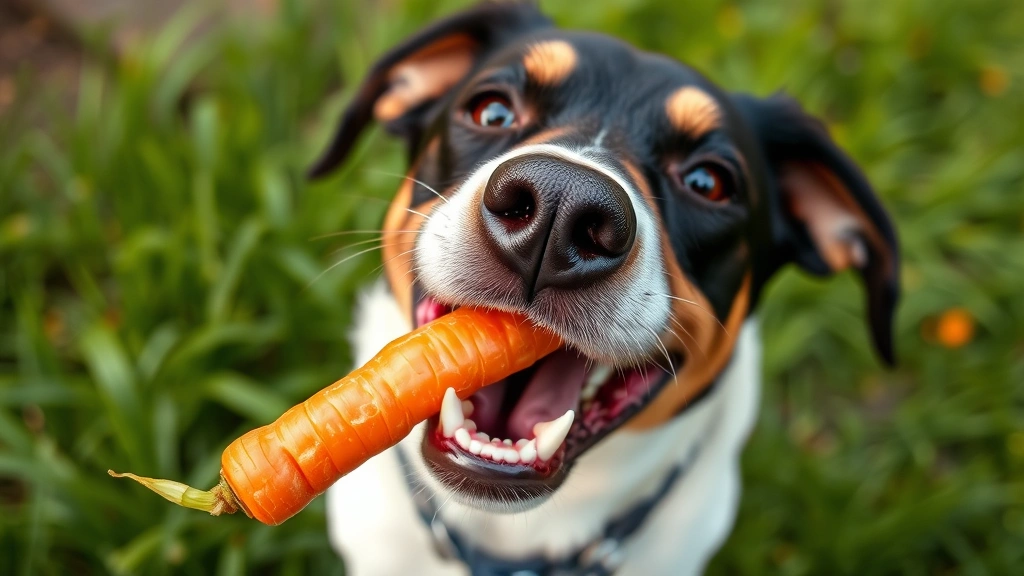
Carrots are the MVP of dog vegetables. They’re crunchy, they’re sweet, and they’re packed with beta-carotene. Plus, chewing on a raw carrot is like a natural toothbrush for your pup. You can serve them raw, cooked, or even frozen on a hot day. Your dog’s teeth will be so clean you could eat off them.
Sweet potatoes are another winner. They’re rich in vitamin A, fiber, and potassium. Bake them, boil them, or mash them—just don’t add butter, brown sugar, or marshmallows (looking at you, Thanksgiving). Plain sweet potato is the way to go.
Pumpkin is basically the Swiss Army knife of dog nutrition. It helps with both constipation and diarrhea, supports digestive health, and most dogs go absolutely bonkers for it. Plain canned pumpkin (not pie filling) is your friend here.
Green beans are low in calories and high in nutrients. They’re perfect for dogs who need to watch their waistline. Serve them fresh, steamed, or canned (as long as there’s no added salt).
Broccoli in small amounts is safe and nutritious. The key word is small amounts—too much can cause digestive upset. Think of it as a occasional treat, not a daily staple.
The Caution Zone: Vegetables to Serve Carefully
Some vegetables aren’t exactly toxic, but they require a bit more finesse and moderation. These are the vegetables where timing and portion control matter.
Corn is often found in dog food, but whole corn kernels should be given sparingly. They’re harder to digest and offer less nutritional value than other vegetables. If you do serve corn, make sure it’s off the cob (the cob itself is a choking hazard).
Peas are safe and nutritious, but there’s been some debate in recent years about their connection to heart health in dogs. The science is still evolving, so moderation is wise. They’re fine as an occasional treat.
Potatoes (regular, not sweet) are okay when cooked plain, but they’re basically empty calories for dogs. Skip the salt, butter, and seasoning. Raw potatoes, however, are a no-go because they contain solanine, which is toxic.
The No-Go List: Vegetables That Are Actually Toxic
Now we get serious. These vegetables can genuinely harm your dog and should never make it into their bowl. Ever. Not even a tiny piece.
Onions and garlic are the villains here. They contain compounds called thiosulfates that damage red blood cells and cause hemolytic anemia in dogs. This applies to all forms: raw, cooked, powdered, or in seasoning. Your dog’s body literally cannot process them safely.
Avocado contains persin, a fungicidal toxin that can cause vomiting, diarrhea, and pancreatitis. Even though the flesh has lower concentrations than the pit and leaves, it’s just not worth the risk. Guacamole? Absolutely not.
Mushrooms are a hard pass. While store-bought edible mushrooms might be okay in tiny amounts, wild mushrooms can be lethal. Unless you’re a mycologist with a PhD, don’t let your dog near any mushrooms.
Tomatoes (especially unripe ones) contain solanine and can cause digestive upset and neurological issues. Ripe tomatoes in very small amounts might be okay, but why risk it? There are so many better options.
Rhubarb contains oxalates that can damage the kidneys and digestive system. The leaves are especially dangerous. Just keep this away from your pup entirely.
How to Prepare Vegetables: The Right Way
Preparation matters just as much as selection. You can’t just throw raw veggies at your dog and hope for the best.
Raw vegetables are generally safe and provide great dental benefits. Carrots, green beans, and bell peppers can be served raw. Just cut them into appropriate sizes to prevent choking—think dog-mouth-sized, not human-sized.
Cooked vegetables are often easier to digest and can be more palatable. Steam or boil them without adding salt, oil, or seasonings. Cooking also breaks down cell walls, making nutrients more bioavailable. It’s basically like unlocking the nutritional treasure chest.
Frozen vegetables are convenient and just as nutritious as fresh. They’re actually frozen at peak ripeness, so you’re getting maximum nutrition. Just thaw them before serving to prevent digestive upset.
Avoid seasoning entirely. No salt, no garlic powder, no onion powder, no oil, no butter. Your dog doesn’t need it, and many seasonings are actively harmful. Plain is perfect.
Portion Control: How Much Is Too Much?
Just because something is safe doesn’t mean your dog should eat unlimited amounts. Vegetables should make up no more than 10% of your dog’s daily caloric intake. The remaining 90% should come from their regular dog food.
For a medium-sized dog, this typically means a small handful of vegetables per day, split into one or two servings. If your dog is particularly active, check out our guide on feeding active vs inactive dogs to determine the right amount for their energy level.
Start with small portions and monitor your dog for any digestive upset. Every dog is different, and what works for your neighbor’s Golden Retriever might not work for yours. Think of vegetables as a supplement to their main diet, not a replacement.
Vegetables and Special Dietary Needs
Different dogs have different nutritional requirements. Some breeds have specific feeding needs that affect how many vegetables they should eat. Breed specific feeding needs can significantly impact whether your dog should get more or fewer vegetables.
Dogs with kidney disease, for example, might need to avoid certain vegetables high in potassium. Dogs with diabetes might benefit from lower-glycemic vegetables. Puppies have different caloric needs than senior dogs. If your dog has any health issues, chat with your vet before making major dietary changes.
Understanding your dog’s caloric needs for dogs helps you figure out the right vegetable portions. A Chihuahua’s caloric needs are vastly different from a Great Dane’s, so portion sizes should reflect that reality.
Creative Ways to Serve Vegetables to Picky Dogs
If your dog turns their nose up at vegetables, you’re not alone. Some dogs are vegetable snobs. Here are some tricks to make veggies more appealing.
Mix them into their regular food. Finely chop or puree vegetables and mix them into kibble or wet food. Your dog might not even notice they’re eating vegetables.
Freeze them into treats. Puree vegetables and freeze them in ice cube trays. On hot days, these frozen veggie cubes are refreshing and nutritious.
Use them as training treats. Small pieces of carrot or green bean can be surprisingly effective training rewards, especially for dogs watching their weight.
Make a vegetable broth. Simmer safe vegetables in water (no salt or seasonings) and pour the broth over their kibble for added flavor and nutrition.
Stuff them in toys. Stuff steamed vegetables into a Kong or similar toy and freeze it. Your dog gets entertainment and nutrition simultaneously.
When to Call the Vet: Signs of Vegetable-Related Issues
Most dogs do fine with vegetables, but watch for warning signs that something isn’t right.
If your dog experiences vomiting, diarrhea, lethargy, or loss of appetite after eating vegetables, stop serving them immediately and contact your vet. These could be signs of an allergic reaction or digestive upset.
If you suspect your dog ate something toxic (like onions or avocado), don’t wait—call your vet or an emergency veterinary clinic right away. Time matters with toxin exposure. The ASPCA Animal Poison Control Center is also available 24/7 at (888) 426-4435.
For authoritative information on pet toxins, the PetMD guide to vegetables for dogs is an excellent resource. The American Kennel Club also provides breed-specific feeding recommendations that can help you make better choices for your specific dog.
Vegetables as Part of a Balanced Diet
Safe vegetables for dogs aren’t a magic bullet, but they’re a valuable part of a comprehensive nutrition strategy. Combined with high-quality dog food and appropriate exercise, vegetables can significantly improve your dog’s health outcomes.
Think of vegetables as the supporting actors in your dog’s nutritional story. The main character is still their regular dog food, which provides the bulk of their calories and essential nutrients. Vegetables are the supporting cast that makes the whole production better.
If you’re considering a more comprehensive dietary shift, our article on mixed diet feeding explores how to balance different food types effectively.
Frequently Asked Questions
Can dogs eat raw vegetables?
Yes, most safe vegetables can be served raw. Raw vegetables provide excellent dental benefits and retain maximum nutrients. Just cut them into appropriate sizes to prevent choking, and wash them thoroughly to remove pesticides and bacteria.
Are frozen vegetables safe for dogs?
Absolutely. Frozen vegetables are just as nutritious as fresh and are often frozen at peak ripeness. Thaw them before serving to prevent digestive upset, or serve them frozen as a refreshing treat on hot days.
How often should I give my dog vegetables?
You can give your dog safe vegetables daily, as long as they don’t exceed 10% of their daily caloric intake. Most dogs do well with a small handful of vegetables once or twice daily.
What if my dog ate a toxic vegetable?
Contact your veterinarian or the ASPCA Animal Poison Control Center immediately at (888) 426-4435. Don’t wait to see if symptoms develop. Time is critical with toxin exposure.
Can vegetables replace dog food?
No. Vegetables should never replace commercial dog food. They lack the complete nutritional profile dogs need. Vegetables should supplement a balanced diet, not substitute for it.
Are canned vegetables safe for dogs?
Plain canned vegetables with no added salt or seasonings are safe. However, fresh or frozen vegetables are generally better options because canned vegetables often contain added sodium.
Final Thoughts: Keep Your Pup Happy and Healthy
Safe vegetables for dogs are a fantastic way to enhance their diet, support their health, and add some excitement to mealtime. The key is knowing which vegetables are safe, preparing them correctly, and serving them in appropriate portions.
Start with the green superstars like carrots, sweet potatoes, and pumpkin. Avoid the toxic vegetables like onions, garlic, and avocado completely. Monitor your dog for any adverse reactions, and when in doubt, ask your vet.
Your dog depends on you to make smart nutritional choices, and incorporating safe vegetables is one of the smartest moves you can make. So go ahead—give your pup that carrot stick with confidence. Their tail will wag, their health will improve, and you’ll feel like the best dog parent ever.





