

When it comes to scary dogs, appearances can be wildly deceiving—and that’s exactly what makes these misunderstood pups so fascinating. You’ve probably crossed the street when you saw a massive dog heading your way, only to discover it wanted nothing more than to lick your face and be your best friend. The truth is, some of the most intimidating-looking dog breeds are actually gentle giants with hearts the size of their oversized paws.
Table of Contents
- Why Do Scary Dogs Get Such a Bad Reputation?
- The Gentle Giant Phenomenon: Understanding Large Breed Dogs
- Great Danes: The Couch Potato Titans
- Pit Bulls: Breaking the Stereotype
- Rottweilers: Misunderstood Protectors
- Maremma Sheepdogs: The Fluffy Guardians
- Bernese Mountain Dogs: The Gentle Guardians
- Newfoundlands: The Water-Loving Nannies
- Training and Socialization: The Real Key to Behavior
- Health Considerations for Giant Breed Dogs
- Frequently Asked Questions
- Conclusion: Don’t Judge a Dog by Its Size
Let’s debunk the myth that all big, imposing dogs are aggressive monsters. In fact, many of these so-called scary dogs are among the sweetest, most patient, and most family-friendly companions you could ever bring home. Their size might make them look like they could take down a small car, but their temperament tells a completely different story.
Why Do Scary Dogs Get Such a Bad Reputation?
The stigma around certain dog breeds often comes from media sensationalism, irresponsible breeding, and a lack of understanding about canine behavior. When a large dog makes headlines for aggression, it sticks in people’s minds far more than the thousands of gentle interactions happening every single day. It’s the same reason airplane crashes get more attention than the millions of safe flights—fear sells, and nuance doesn’t.
According to the American Kennel Club (AKC), temperament is breed-specific, but individual personality and training matter exponentially more. A poorly trained Chihuahua can be more aggressive than a well-socialized Great Dane. The size difference just makes one more noticeable.
The Gentle Giant Phenomenon: Understanding Large Breed Dogs
Large breed dogs often develop what experts call “gentle giant” syndrome—a natural awareness of their own size and strength that makes them surprisingly cautious around smaller creatures, including humans. These dogs seem to understand they could accidentally hurt someone, so they move with deliberate gentleness. It’s like watching a professional wrestler play with a toddler; the power is there, but it’s carefully controlled.
This behavior isn’t just anecdotal either. Research shows that larger dogs often have lower bite incident rates per capita than smaller breeds, yet they’re the ones people cross streets to avoid. The irony is palpable.
Great Danes: The Couch Potato Titans
Despite their massive frame—often weighing over 100 pounds—Great Danes are basically living couch cushions with souls. These intimidating dog breeds were originally bred as hunting dogs, but modern Great Danes are content to lounge around like they own the place (and let’s be honest, they think they do).
Great Danes are remarkably patient with children and other pets. They’re so laid-back that some people joke they’re basically furniture that occasionally needs to be fed. Their size might make them look scary, but their temperament is consistently ranked as excellent for families. They’ll happily follow you from room to room, not out of aggression, but because they genuinely want to be near you.
The biggest challenge with Great Danes isn’t their behavior—it’s their short lifespan (typically 7-10 years) and health issues common in giant breeds. But personality-wise? They’re absolute sweethearts.
Pit Bulls: Breaking the Stereotype
Let’s address the elephant in the room: pit bulls have been unfairly demonized by media coverage and breed-specific legislation. The term “pit bull” actually refers to several breeds, and when properly trained and socialized, they’re incredibly loyal, affectionate, and playful companions.
Historical context matters here. Pit bulls were originally bred as nanny dogs because of their patience and gentleness with children. It wasn’t until the 20th century that they were unfortunately used in dog fighting, which created the aggressive reputation that persists today. The breed itself isn’t inherently dangerous; irresponsible ownership and abuse are the culprits.
According to PetMD, pit bulls score favorably in temperament tests and are known for their enthusiasm, confidence, and love for their families. Many are certified therapy dogs working in hospitals and schools.
Rottweilers: Misunderstood Protectors
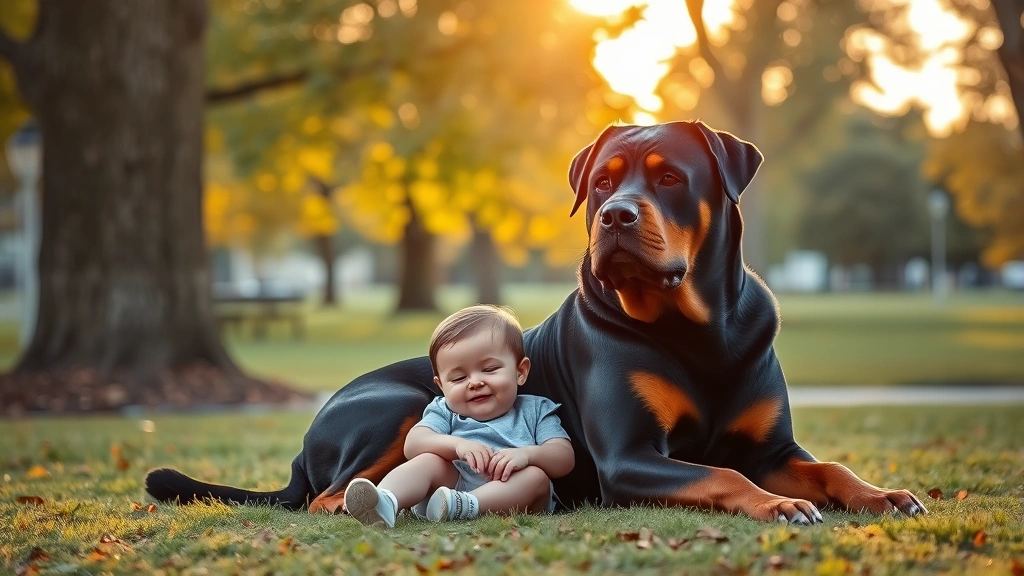
Rottweilers look like they were designed in a lab specifically to intimidate people, but the reality is far different. These muscular dogs are incredibly loyal, intelligent, and—when properly trained—exceptionally well-behaved family members.
The AKC describes Rottweilers as confident, courageous, and good-natured. They’re protective of their families not because they’re inherently aggressive, but because they’re devoted guardians. A Rottweiler won’t attack without reason; they’ll assess a situation with remarkable intelligence before reacting.
The key with Rottweilers is socialization and training from puppyhood. They need an owner who understands that their size and strength require responsibility. Give them that, and you’ll have one of the most loyal, loving companions imaginable.
Maremma Sheepdogs: The Fluffy Guardians
If you’re looking for a large breed dog that looks like it could swallow you whole but is actually a gentle giant, the Maremma Sheepdog is your answer. These massive white dogs were bred to protect livestock, and that protective instinct remains strong, but it’s directed toward their family, not against them.
Maremmass are known for their calm, patient demeanor. They’re independent thinkers (which can make training interesting), but they’re not aggressive by nature. They’re more likely to calmly position themselves between you and a perceived threat than to actually attack. It’s like having a furry bodyguard who’s also your best friend.
Bernese Mountain Dogs: The Gentle Guardians
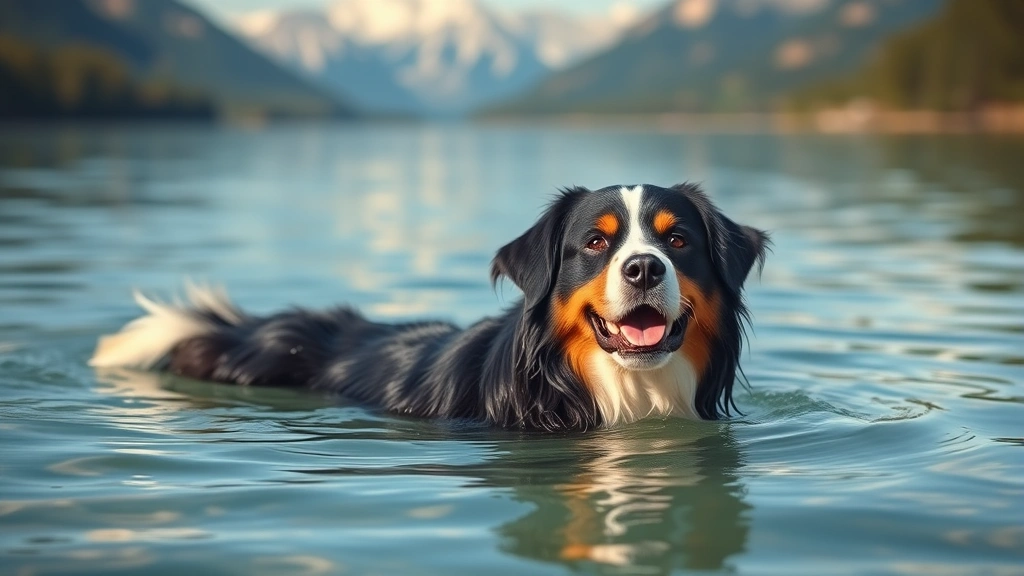
Bernese Mountain Dogs are another breed that looks intimidating but acts like a big softie. These Swiss working dogs were originally bred to herd cattle and pull carts, but today they’re primarily family companions who happen to be absolutely massive.
Bernese Mountain Dogs are known for their patience, loyalty, and calm temperament. They’re excellent with children and other pets, and they have a natural gentleness that makes them perfect therapy dogs. Despite their size and strength, they’re remarkably non-aggressive and seem to genuinely enjoy being around people.
Newfoundlands: The Water-Loving Nannies
Newfoundlands are essentially giant water dogs with an incredible instinct to rescue and protect. These dogs can weigh up to 150 pounds and look absolutely terrifying when wet and shaking water everywhere, but they’re among the most gentle, patient dogs in existence.
Historically, Newfoundlands were used as water rescue dogs, and they still retain that protective, nurturing instinct. They’re excellent swimmers and have been known to save people from drowning. But on land, they’re happy to lounge around, play with kids, and be generally adorable despite their massive size.
Training and Socialization: The Real Key to Behavior
Here’s the critical truth that often gets overlooked in discussions about scary dogs: any dog’s behavior is shaped far more by training and socialization than by breed. A well-trained, properly socialized large breed dog will be better behaved than an untrained small breed dog.
Socialization from puppyhood is crucial. Exposing your large breed dog to different people, environments, and experiences teaches them that the world isn’t a threat. Training gives them the tools to respond appropriately to commands and situations. Without these elements, even the gentlest breed can develop behavioral issues.
Health Considerations for Giant Breed Dogs
While we’re celebrating the gentle nature of large breed dogs, it’s important to mention that they do face specific health challenges. Hip dysplasia, heart conditions, and joint problems are more common in giant breeds. If you’re considering a large dog, be prepared for potentially higher veterinary costs and a shorter lifespan than smaller breeds.
That said, these challenges don’t diminish their value as companions. Many giant breed owners find that the love and companionship these dogs provide far outweighs the health concerns.
Frequently Asked Questions
Are scary-looking dogs actually dangerous?
Not necessarily. A dog’s appearance doesn’t determine its behavior. Proper training, socialization, and responsible ownership are far better predictors of whether a dog will be safe and well-behaved. Many large, intimidating-looking breeds are among the gentlest dogs available.
What’s the best way to approach a large dog you don’t know?
Always ask the owner for permission before approaching. If given permission, approach slowly from the side rather than head-on, let the dog sniff your closed hand, and avoid sudden movements or loud noises. Never assume a large dog is aggressive based on appearance alone.
Are pit bulls good family pets?
Yes, pit bulls can be excellent family pets when properly trained and socialized. They’re known for their loyalty, affection, and patience with children. The breed has been unfairly stigmatized by media coverage, but temperament tests show they’re reliable and loving companions.
Do large breed dogs require special training?
While all dogs benefit from training, large breed dogs do require consistent, responsible ownership because of their size and strength. They need clear boundaries, socialization, and obedience training to ensure they’re well-behaved and safe. This isn’t because they’re inherently aggressive, but because accidents involving large dogs can be more serious.
What’s the lifespan of giant breed dogs?
Giant breed dogs typically live 7-12 years, which is shorter than smaller breeds. Great Danes average 7-10 years, while Bernese Mountain Dogs average 7-10 years as well. Newfoundlands typically live 8-10 years. This is an important consideration when deciding to bring a large breed into your home.
Conclusion: Don’t Judge a Dog by Its Size
The world of scary dogs teaches us an important lesson: appearances can be completely deceiving. Some of the most intimidating-looking breeds are actually gentle giants with incredible patience, loyalty, and love to give. From the couch-potato Great Dane to the protective Rottweiler, these dogs prove that size and appearance have nothing to do with kindness and temperament.
If you’re considering bringing a large breed dog into your home, don’t let their intimidating appearance scare you away. Instead, focus on finding a reputable breeder or rescue organization, commit to proper training and socialization, and be prepared for the health considerations that come with giant breeds. You might just find that your scary-looking dog becomes your most loyal, loving companion.
The next time you see a large dog and feel that initial fear, remember: that big, scary-looking pup probably just wants to be your friend. And honestly, what’s scarier than that?





