

The debate over scheduled feeding vs grazing has divided pet owners for decades, and honestly, there’s no one-size-fits-all answer that’ll make everyone happy. Some folks swear by the regimented approach of scheduled meals, while others let their furry friends munch whenever they please. Let’s dig into this meaty topic and figure out what actually works best for your beloved companion.
Table of Contents
- Understanding Scheduled Feeding: The Structured Approach
- What Is Grazing? The Free-Feeding Philosophy
- The Metabolic Reality: Why Timing Matters
- Obesity Concerns: The Grazing Downside
- Behavioral Benefits of Scheduled Feeding
- When Grazing Might Make Sense
- The Practical Reality: Implementation Tips
- Health Monitoring Through Feeding Schedules
- Special Considerations for Different Pets
- Frequently Asked Questions
- The Verdict: Scheduled Feeding Wins for Most Pets
Understanding Scheduled Feeding: The Structured Approach
Scheduled feeding means you’re the boss—you decide when your pet eats, typically once, twice, or three times per day depending on age and species. Think of it like meal time at a fancy restaurant with fixed seating times. Your dog or cat knows exactly when to expect their bowl, and you know exactly how much they’re consuming.
This method gives you serious control over portion sizes, which is crucial for pet obesity prevention. You can monitor intake precisely, spot health changes quickly, and adjust calories based on activity level or life stage. It’s particularly useful for growth phase feeding schedule management in puppies and kittens who need careful caloric tracking.
According to the American Kennel Club, scheduled feeding helps establish predictable bathroom habits and reduces house-training accidents in dogs. Plus, it makes identifying health issues easier since you’re literally watching your pet’s appetite patterns.
What Is Grazing? The Free-Feeding Philosophy
Grazing, also called free-feeding or ad libitum feeding, means leaving food available 24/7 for your pet to eat whenever hunger strikes. It’s the “all you can eat buffet” approach—convenient, hands-off, and seemingly natural since wild animals eat opportunistically.
The appeal is obvious: no scheduled mealtimes, no stress about forgetting to feed your pet, and theoretically, your animal eats only when genuinely hungry. Some pet owners genuinely believe this mimics natural eating patterns and reduces food anxiety in their companions.
The Metabolic Reality: Why Timing Matters
Here’s where science gets interesting. Dogs and cats don’t actually have the same eating instincts as their wild ancestors. Domestication has fundamentally changed how they respond to food availability. A wild dog hunts sporadically and gorges when successful. Your house pet? They’ve lost that ancestral restraint.
Scheduled feeding actually works WITH your pet’s metabolism rather than against it. When you feed at consistent times, your pet’s digestive system prepares for incoming food, enzymes activate predictably, and metabolism runs like a well-oiled machine. It’s metabolically efficient and helps maintain stable blood sugar levels.
Free-feeding often leads to constant grazing, which keeps digestive enzymes constantly activated and can contribute to overfeeding pets without owners realizing it. Your cat might eat ten small meals throughout the day instead of three intentional ones.
Obesity Concerns: The Grazing Downside
Let’s be brutally honest: grazing is a primary culprit in pet obesity. Studies show that free-fed pets consume significantly more calories than scheduled-fed counterparts, even when the same food is available. Boredom eating, habit eating, and the simple fact that food is THERE all the time creates a perfect storm for weight gain.
Overweight pets develop diabetes, joint problems, heart disease, and shortened lifespans. The veterinary community largely agrees that scheduled feeding prevents obesity more effectively than grazing. When you use size-based portion control with scheduled meals, you’re literally controlling calorie intake.
The PetMD research team found that pets on scheduled feeding regimens maintain healthier weights and require fewer medical interventions for weight-related conditions.
Behavioral Benefits of Scheduled Feeding
Beyond metabolism, scheduled feeding creates behavioral structure that benefits both pet and owner. Dogs especially thrive on routine—it reduces anxiety, creates predictability, and strengthens the bond between you and your companion. Mealtime becomes a positive ritual rather than a constant background activity.
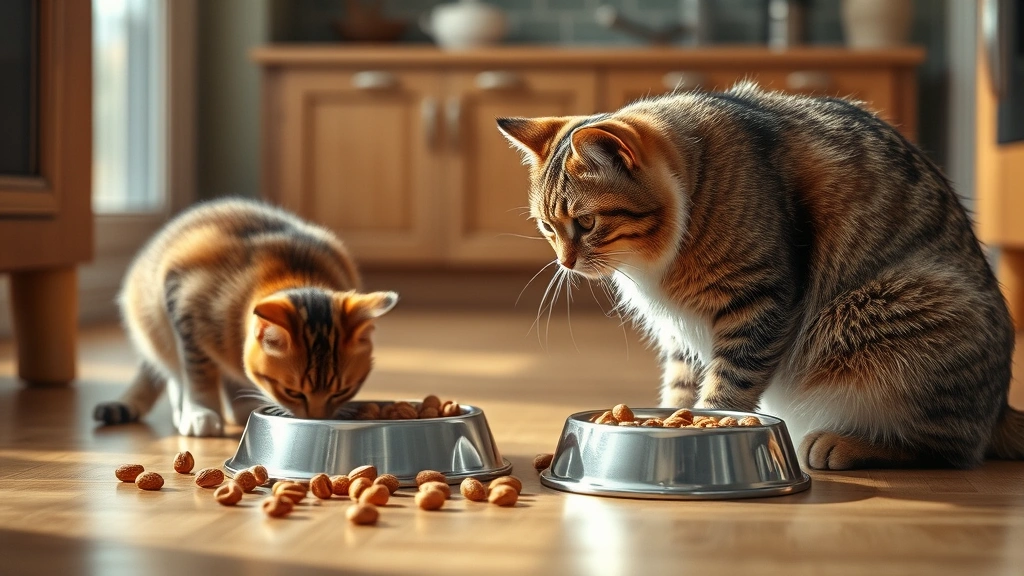
Scheduled feeding also prevents resource guarding and food aggression issues. When food appears at specific times and disappears after eating, pets develop healthier relationships with eating. Free-fed animals sometimes develop anxiety around food because it’s always present, creating subtle stress.
Additionally, scheduled feeding makes training easier. Food rewards mean more during training sessions because your pet actually experiences hunger and anticipation. Free-fed animals are less motivated by treats since they’re never truly hungry.
When Grazing Might Make Sense
We can’t completely dismiss grazing—certain situations warrant consideration. Nursing mothers need constant food access to support milk production. Some animals with specific medical conditions, like those requiring pancreatitis feeding schedule modifications, might benefit from smaller, more frequent meals (though this is still controlled, not true grazing).
Very young animals like kitten feeding schedule guidelines often recommend multiple small meals throughout the day, though these are still scheduled rather than free-fed. Elderly pets with dental issues might benefit from softer food available more frequently, though again, portion control remains important.
Some extremely active working dogs or outdoor cats might naturally self-regulate better, though this is rare and shouldn’t be assumed without veterinary guidance.
The Practical Reality: Implementation Tips
If you’re switching to scheduled feeding, start gradually. Establish specific mealtimes—breakfast, dinner, or breakfast-lunch-dinner depending on your pet’s age and needs. Remove uneaten food after 15-20 minutes to create a clear eating window.
Most adult dogs thrive on two meals daily, while cats often do better with multiple smaller portions. Growth phase feeding schedule for young animals typically requires three to four meals daily until six months old.
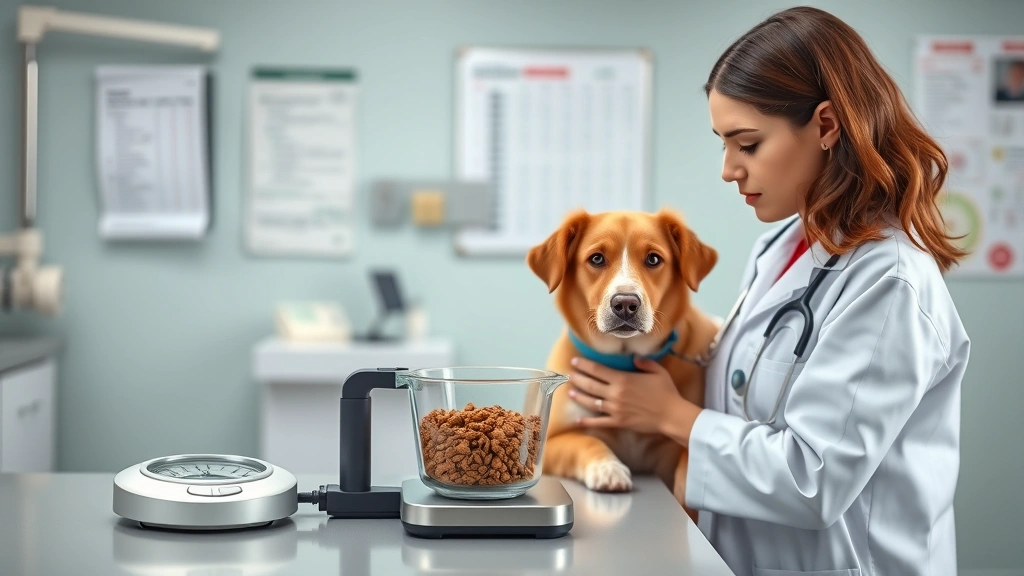
Use measuring cups to track portions accurately. This isn’t about restriction—it’s about knowing your pet receives appropriate nutrition. Adjust portions based on activity level, age, and body condition scoring from your veterinarian.
Health Monitoring Through Feeding Schedules
One underrated benefit of scheduled feeding is health monitoring. When you control feeding times and portions, you immediately notice changes. Suddenly refusing meals? That’s a red flag worth investigating. Eating more than usual? Could indicate diabetes or thyroid issues.
With grazing, these subtle health indicators disappear into background noise. You can’t tell if your pet ate less today because you weren’t watching. Scheduled feeding creates a health surveillance system you don’t even realize you’re using.
Special Considerations for Different Pets
Dogs generally do better with scheduled feeding. They’re descended from wolves, which hunt in organized packs at scheduled times. Cats are more complicated—they’re solitary hunters who naturally eat multiple small meals. However, even cats benefit from portion control and scheduled feeding rather than unlimited grazing.
Rabbits, guinea pigs, and other small animals should have constant hay access but scheduled portions of pellets and vegetables. Ferrets require frequent small meals due to fast metabolism. Fish require once or twice-daily feeding. The species matters enormously.
Frequently Asked Questions
Will my pet go hungry on a scheduled feeding routine?
No. Appropriate portion sizes for scheduled feeding provide complete nutrition. Your pet might experience brief hunger between meals, which is actually healthy and prevents obesity. This is different from starvation or malnutrition.
Can I combine scheduled feeding and grazing?
Technically yes, but it defeats the purpose. If you leave food out all day AND feed scheduled meals, you’re essentially grazing with extra steps. True scheduled feeding means food is only available during designated eating windows.
How do I know the right portion size for scheduled feeding?
Consult your veterinarian for species-specific, age-specific, and weight-specific recommendations. Most pet food packages provide guidelines based on weight, but individual metabolism varies. Your vet can adjust portions based on your pet’s body condition.
Is it cruel to not leave food available 24/7?
Not at all. Scheduled feeding is healthier, more natural (in terms of how wild animals actually eat), and supported by veterinary science. Pets adapt quickly to routine, and the structure actually reduces anxiety for many animals.
What if I work long hours and can’t feed my pet on schedule?
Consider automatic feeders that dispense portions at set times, or hire a pet sitter or dog walker to feed your pet midday. Many pets can handle two meals daily even with work schedules—breakfast before you leave, dinner when you return.
Do senior pets need different feeding schedules?
Senior pets often benefit from smaller, more frequent meals to aid digestion and maintain stable energy. However, this should still be scheduled portions rather than free-feeding. Discuss age-appropriate feeding with your veterinarian.
The Verdict: Scheduled Feeding Wins for Most Pets
After examining the evidence, scheduled feeding emerges as the superior choice for most companion animals. It provides better weight management, clearer health monitoring, improved behavioral outcomes, and metabolic efficiency. The structure benefits both pets and owners.
Grazing might seem convenient and natural, but it contradicts modern veterinary science and typically leads to obesity and related health problems. The short-term convenience isn’t worth the long-term health consequences.
Your pet doesn’t need food available 24/7 to be happy and healthy. What they actually need is appropriate nutrition delivered at consistent times, paired with love, exercise, and veterinary care. That’s the recipe for a long, healthy life together.
Talk with your veterinarian about the best feeding schedule for your specific pet’s age, health status, and lifestyle. Then commit to the routine—your pet’s future health depends on it.





