

When spring rolls around and your furry friend starts itching like they’ve got fleas (but they don’t), it’s time to talk about seasonal allergies feeding adjustments that can genuinely help your pet feel better without resorting to expensive vet visits every other week.
Table of Contents
- Understanding Seasonal Allergies in Pets
- The Connection Between Diet and Allergy Response
- Implementing a Fresh Food Feeding Routine
- Omega-3 Fatty Acids: Your Secret Weapon
- Limited Ingredient Diet Timing
- Anti-Inflammatory Supplements Worth Adding
- Hydration and Moisture Content Matter
- Rotating Proteins and Avoiding Common Triggers
- Breed-Specific Feeding Considerations
- Monitoring Your Pet’s Response and Adjusting
- Flaxseed and Plant-Based Omega Sources
- Frequently Asked Questions
- Summary: Your Seasonal Allergy Action Plan
Let’s be real—seasonal allergies in pets are about as fun as a root canal performed by an overzealous dentist. Your dog scratches until their skin turns red, your cat stops grooming properly, and suddenly you’re googling “why does my pet sound like they’re auditioning for a scratching symphony?” The good news? What you feed your pet during allergy season can make a massive difference in their comfort level.
Understanding Seasonal Allergies in Pets
Seasonal allergies hit pets just like they hit us humans, except your dog can’t complain about pollen counts or blame the weather. These allergies typically flare up in spring and fall when pollen levels spike. Your pet’s immune system goes into overdrive, treating harmless pollen particles like they’re invading aliens.
The itching, scratching, and general grumpiness your pet displays? That’s inflammation doing its thing. And here’s where feeding adjustments come in—your pet’s diet can either fuel that inflammation or help fight it. Think of it like choosing between gasoline and water to put out a fire.
The Connection Between Diet and Allergy Response
Your pet’s gut health directly impacts how their immune system responds to allergens. A diet rich in omega-3 fatty acids, antioxidants, and probiotics acts like a shield against inflammation. Conversely, feeding your pet low-quality kibble loaded with fillers during allergy season is like bringing a plastic knife to a gunfight.
The intestinal barrier in pets with poor diets becomes compromised, allowing inflammatory compounds to pass through more easily. This amplifies allergic reactions. When you switch to nutrient-dense foods during high-allergy seasons, you’re essentially reinforcing your pet’s internal defenses. According to AAFCO standards, proper nutrition supports immune function—and that’s not just marketing speak.
Implementing a Fresh Food Feeding Routine
One of the most effective seasonal allergies feeding adjustments you can make is switching to fresh, whole-food diets during peak allergy seasons. I’m not saying you need to become a pet chef overnight, but introducing fresh ingredients can work wonders.
Start with a fresh food feeding routine that includes lean proteins like chicken, turkey, or fish, paired with easily digestible carbs like sweet potatoes or rice. The difference between kibble and fresh food is night and day—your pet’s digestive system doesn’t have to work overtime processing mystery ingredients.
Fresh diets are naturally lower in inflammatory compounds and higher in bioavailable nutrients. Your pet’s body actually absorbs what you’re feeding them instead of passing 70% of it through as waste.
Omega-3 Fatty Acids: Your Secret Weapon
If there’s one supplement that deserves a standing ovation for allergy relief, it’s omega-3 fatty acids. These bad boys actively reduce inflammation throughout your pet’s body, including their skin and respiratory system. Fish oil, salmon, and sardines should become your best friends during allergy season.
The anti-inflammatory effects of omega-3s are scientifically proven—this isn’t some wellness trend. According to PetMD’s research, pets receiving adequate omega-3 supplementation show measurable improvement in allergy symptoms within 4-6 weeks.
Add a high-quality fish oil supplement or feed your pet fatty fish 2-3 times weekly. Your pet’s coat will look shinier, their skin will itch less, and they’ll thank you by being less of a scratching machine at 3 AM.
Limited Ingredient Diet Timing
During peak allergy season, consider rotating to a limited ingredient diet that eliminates common allergens. The timing matters because you want to make dietary changes before allergy season hits, not in the middle of the itching chaos.
Start introducing limited ingredient foods 2-3 weeks before your area’s typical allergy peak. This gives your pet’s digestive system time to adjust and allows the anti-inflammatory benefits to build up. Common culprits to eliminate include corn, wheat, soy, and artificial additives—basically all the stuff that makes kibble shelf-stable but does your pet zero favors.
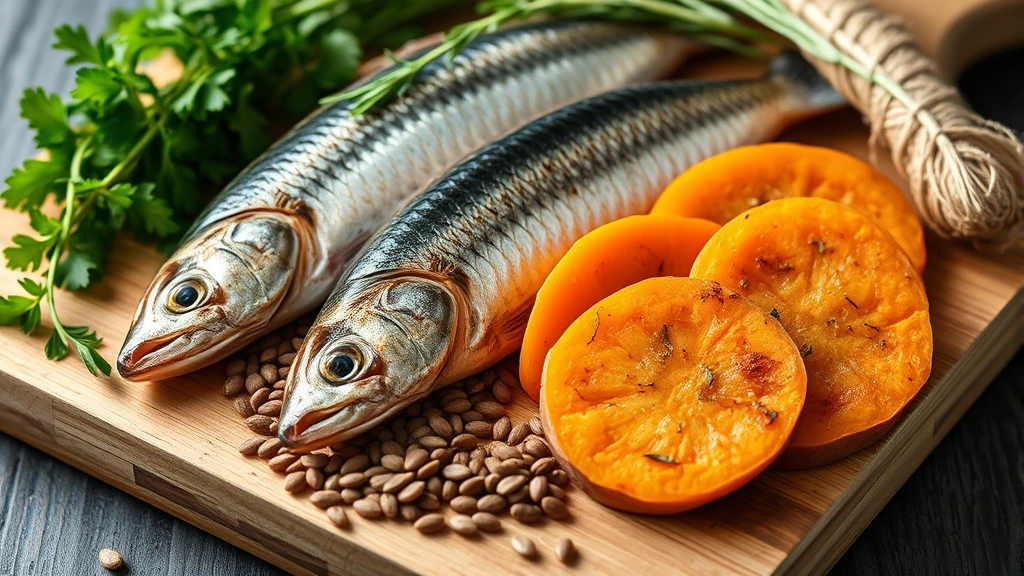
A limited ingredient approach means your pet eats simpler, cleaner food with fewer potential triggers. Think of it like giving your pet’s immune system fewer puzzle pieces to solve.
Anti-Inflammatory Supplements Worth Adding
Beyond omega-3s, several supplements deserve a spot in your seasonal allergy arsenal. Probiotics restore healthy gut bacteria, which directly impacts immune response. A healthy microbiome means better barrier function and less systemic inflammation.
Check out anti-inflammatory supplements for cats and similar options for dogs. Quercetin, a natural antihistamine found in plants, works like nature’s Benadryl. Turmeric (curcumin) reduces inflammation without the side effects of medications. These aren’t miracle cures, but they’re solid supporting players in your allergy management game.
Start supplements 4-6 weeks before allergy season peaks for maximum effectiveness. Your vet can recommend dosages based on your pet’s weight and health status.
Hydration and Moisture Content Matter
Here’s something people overlook: moisture content in food affects how your pet’s body processes allergens. Dry kibble dehydrates your pet’s system, making inflammation worse. Fresh food and wet food have higher moisture content, supporting better kidney function and toxin elimination.
Increase your pet’s water intake during allergy season and consider adding bone broth to their meals. The collagen in bone broth supports gut lining integrity, which reduces the “leaky gut” phenomenon that exacerbates allergies. Your pet will also think it’s the best thing since sliced bread.
Rotating Proteins and Avoiding Common Triggers
If your pet has seasonal allergies, there’s a decent chance they also have food sensitivities. During allergy season, stick to novel proteins your pet hasn’t eaten before or rarely eats. If your dog has always eaten chicken, switch to duck, venison, or kangaroo for a few months.
Rotating proteins prevents your pet’s immune system from developing sensitivities to the same protein year-round. Plus, novel proteins are less likely to trigger cross-reactions with environmental allergens. It’s like giving your pet’s immune system a different puzzle to solve instead of the same frustrating one.
Breed-Specific Feeding Considerations
Some breeds are genetically predisposed to worse allergies. Breed-specific feeding needs become especially important during allergy season. Golden Retrievers, Labradors, and Bulldogs tend to have more severe reactions, so they benefit even more from premium, anti-inflammatory diets.
Smaller breeds sometimes have different digestive capabilities, so adjust portion sizes and meal frequency accordingly. Your vet can provide breed-specific recommendations, but generally, premium fresh food beats budget kibble for allergic breeds every single time.
Monitoring Your Pet’s Response and Adjusting
Not every pet responds identically to dietary changes. Some see improvement in two weeks; others take a month. Keep detailed notes about your pet’s scratching frequency, skin condition, and energy levels as you make adjustments.
Use pet health monitoring tools to track symptoms objectively. Take photos of any skin issues, note scratching episodes, and monitor coat quality. This data helps you and your vet determine what’s actually working versus what’s just placebo effect.
If you’re not seeing improvement after 6 weeks of dietary adjustments, consult your vet. Sometimes allergies require medication alongside dietary support, and that’s perfectly fine.

Flaxseed and Plant-Based Omega Sources
If your pet has fish allergies (yes, that’s a thing), flaxseed supplements for dogs and similar plant-based options provide alternative omega-3 sources. Flaxseed, chia seeds, and hemp seeds offer ALA omega-3s, though they’re less bioavailable than fish-based sources.
If going the plant-based route, you’ll need slightly higher quantities to achieve similar anti-inflammatory effects. Grind flaxseeds before feeding to improve absorption—whole seeds pass through undigested, which defeats the purpose.
Frequently Asked Questions
How quickly will dietary changes help my pet’s seasonal allergies?
Most pets show noticeable improvement within 4-6 weeks of starting anti-inflammatory feeding adjustments. However, some respond faster (2-3 weeks) while others take 8 weeks. Consistency matters more than speed—stick with your dietary changes throughout the allergy season for best results.
Can I switch my pet’s food abruptly during allergy season?
Absolutely not. Abrupt food changes cause digestive upset, which makes allergy symptoms worse. Transition over 7-10 days by gradually mixing new food with old food in increasing ratios. Your pet’s gut bacteria need time to adjust to new ingredients.
Is fresh food feeding more expensive than regular kibble?
Yes, fresh food typically costs more upfront, but consider the savings on vet visits, medications, and supplements. Many pet parents find that investing in quality food during allergy season costs less than treating constant ear infections, skin infections, and other allergy complications.
Should I give my pet allergy medication and make dietary changes simultaneously?
Discuss this with your vet, but generally yes. Medication provides immediate relief while dietary changes build long-term immune support. They work synergistically rather than against each other. As allergy symptoms improve, your vet might reduce medication needs.
What if my pet has multiple food allergies?
Work with a veterinary nutritionist to identify safe proteins and ingredients. Elimination diets help pinpoint triggers, though they require patience. Once you identify safe foods, build your seasonal diet around those ingredients exclusively.
Are there any foods I should absolutely avoid during allergy season?
Yes—avoid corn, wheat, soy, artificial colors, and artificial preservatives. These ingredients commonly trigger or worsen allergic responses. Also minimize beef and dairy if your pet shows sensitivities, as these are common allergens in pets.
Summary: Your Seasonal Allergy Action Plan
Managing your pet’s seasonal allergies through feeding adjustments isn’t rocket science, but it does require intentionality. Start implementing changes 4-6 weeks before allergy season peaks. Prioritize fresh, whole foods rich in omega-3 fatty acids and antioxidants. Add strategic supplements like probiotics and quercetin. Ensure adequate hydration and consider limited ingredient diets during high-allergy months.
Track your pet’s symptoms carefully and adjust as needed. Work with your vet to balance dietary changes with any necessary medications. Remember, every pet is unique—what works for your neighbor’s dog might not work identically for yours.
The investment in quality nutrition during allergy season pays dividends in comfort, reduced vet bills, and a happier pet who stops scratching like they’re auditioning for a percussion ensemble. Your pet will thank you, even if they can’t explicitly say “thanks for adjusting my diet, human.”





