
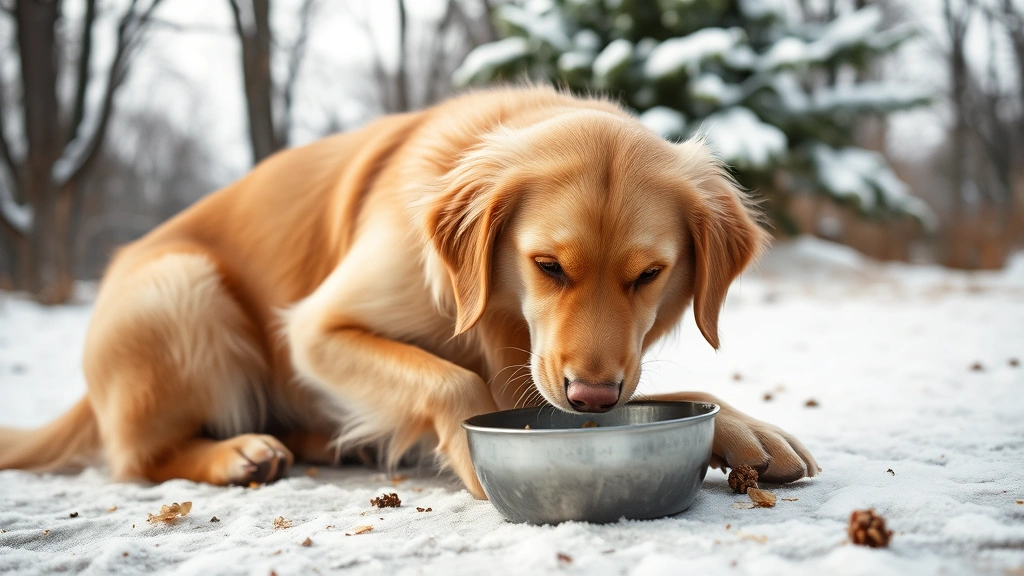
Just like humans crave different foods when the temperature drops or the sun blazes overhead, your furry friends need seasonal feeding adjustments to stay healthy, energetic, and thriving year-round. Whether your dog is panting through summer or shivering through winter, their nutritional needs shift with the seasons—and honestly, ignoring this can lead to weight gain, lethargy, or even nutritional deficiencies.
Table of Contents
- Why Seasonal Feeding Adjustments Matter for Your Pet
- Tip #1: Increase Calories During Cold Months
- Tip #2: Prioritize Protein and Healthy Fats in Winter
- Tip #3: Reduce Portions and Increase Activity in Summer
- Tip #4: Address Seasonal Allergies with Proper Nutrition
- Tip #5: Maintain Consistent Hydration Year-Round
- Seasonal Feeding Adjustments for Different Pet Types
- Transitioning Between Seasonal Diets
- Monitoring Your Pet’s Response to Seasonal Changes
- Working with Your Vet on Seasonal Nutrition Plans
- Frequently Asked Questions
- Summary: Getting Seasonal Feeding Adjustments Right
As a vet tech who’s seen countless pets struggle with seasonal transitions, I’m here to break down exactly how to adjust your pet’s diet when the seasons change. Let’s dig in.
Why Seasonal Feeding Adjustments Matter for Your Pet
Your pet’s metabolism isn’t a static thing. When winter rolls around, animals naturally want to eat more to maintain body temperature and build up energy reserves. Come summer, they’re less active, pant more (losing water), and often lose their appetite. Seasonal feeding adjustments aren’t just a nice-to-have—they’re essential for preventing obesity, maintaining muscle tone, and supporting immune function.
Research from veterinary nutritionists shows that pets fed the same amount year-round are significantly more prone to seasonal weight fluctuations. This is especially true for dogs and cats living in climates with dramatic seasonal changes. The key is recognizing these patterns and adjusting portions, protein levels, and hydration accordingly.
Tip #1: Increase Calories During Cold Months
Winter is when your pet’s body works overtime. Whether they’re an outdoor adventurer or a cozy indoor companion, cold weather increases caloric demands. Animals expend more energy maintaining body temperature, and if they spend time outside, they’re burning extra fuel just staying warm.
Here’s the practical approach: during fall and winter months, consider increasing your pet’s daily caloric intake by 10-25%, depending on their activity level and breed. A large, active dog might need more; a small indoor cat might need less. This is the perfect time to incorporate immune-boosting supplements for winter to support their overall health during the season when illness spreads faster.

Watch your pet’s body condition score (you should be able to feel their ribs without pressing hard). If they’re getting chunky, dial it back. If they’re looking lean and hungry, add more.
Tip #2: Prioritize Protein and Healthy Fats in Winter
Not all calories are created equal. When temperatures drop, your pet needs higher-quality fuel. Protein and healthy fats are your friends here. These macronutrients help maintain muscle mass, support skin and coat health (crucial when dry winter air is harsh), and provide sustained energy.
Look for pet foods with real meat as the primary ingredient and adequate fat content (around 12-18% for dogs, depending on age and activity). Omega-3 and omega-6 fatty acids become especially important—they combat dry skin and reduce inflammation that winter weather can trigger.
Consider adding small amounts of fish oil or incorporating foods rich in healthy fats like salmon. Just make sure any additions don’t exceed 10% of their daily caloric intake, or you’ll throw off their nutritional balance.
Tip #3: Reduce Portions and Increase Activity in Summer
Summer is when many pets become couch potatoes. The heat makes them sluggish, they’re less motivated to play, and their appetites often decrease naturally. This is your cue to reduce portion sizes by 10-15% compared to winter amounts.

However—and this is important—don’t just cut food and call it a day. Summer is the perfect time to encourage more activity during cooler morning and evening hours. A well-exercised pet maintains better muscle tone and metabolic health, which means they’ll be in better shape when winter returns.
Also, summer heat increases water loss through panting. Make sure fresh water is always available, and consider feeding slightly more moisture-rich foods (like adding a bit of wet food to kibble) to support hydration.
Tip #4: Address Seasonal Allergies with Proper Nutrition
Spring and fall bring allergies for many pets. Itchy skin, ear infections, and digestive upset become common complaints. While seasonal feeding adjustments alone won’t cure allergies, the right nutritional approach can significantly reduce symptoms.
During allergy seasons, consider switching to limited-ingredient diets or novel protein sources if your pet has food sensitivities. Add allergy season supplements that support immune function and reduce inflammatory responses. Probiotics are also excellent for maintaining gut health, which directly impacts immune response and skin health.
The American Kennel Club recommends consulting with your vet before making major dietary shifts, especially if your pet has known allergies. They can help you identify trigger foods and create a seasonal nutrition plan that minimizes flare-ups.
Tip #5: Maintain Consistent Hydration Year-Round
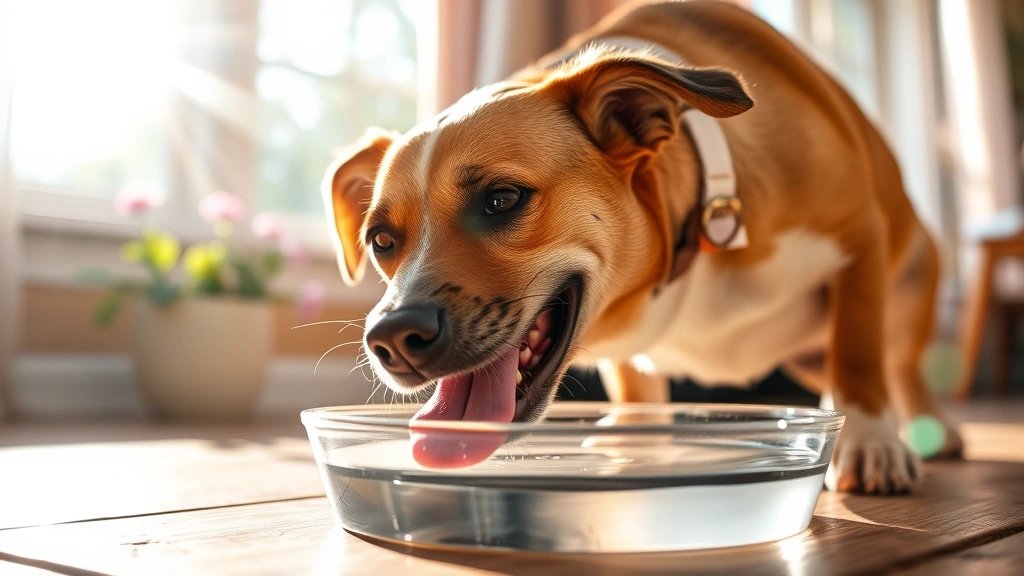
This one’s often overlooked, but hydration needs shift seasonally too. Winter’s dry indoor air and summer’s heat both increase dehydration risk, just for different reasons. Dehydration affects everything from kidney function to coat quality to cognitive function.
In winter, the dry air from heating systems is brutal. In summer, panting and heat exposure increase water loss. Make sure your pet has constant access to fresh, clean water. Some pets drink more from fountains, so consider adding one if your pet seems indifferent to still water.
Monitor urine color (should be pale yellow, not dark amber) and skin turgor (gently pull the skin on their neck—it should snap back immediately, not stay tented). These are signs of adequate hydration.
Seasonal Feeding Adjustments for Different Pet Types
Dogs and cats have different nutritional needs, and these vary seasonally too. Dogs are more adaptable to seasonal changes and usually handle transitions well with portion adjustments. Cats, being more finicky and having different metabolic rates, sometimes need more gradual transitions and might benefit from pet multivitamins during seasonal shifts.
Small breeds often struggle more with temperature regulation, so they might need more aggressive caloric increases in winter. Large breeds, conversely, are more prone to heat stress in summer and might need more significant portion reductions.

Senior pets and puppies have their own considerations too. Puppies need consistent nutrition for growth; seasonal adjustments should focus on quality rather than dramatic quantity changes. Senior pets often have slower metabolisms and might benefit from preventative care supplements that support joint health and mobility during harsh seasons.
Transitioning Between Seasonal Diets
Never make abrupt dietary changes. Whether you’re switching foods or adjusting portions, do it gradually over 7-10 days. Sudden changes cause digestive upset—vomiting, diarrhea, and general GI distress.
Here’s the transition protocol: Days 1-2, mix 25% new food with 75% old food. Days 3-4, go 50/50. Days 5-6, use 75% new and 25% old. Days 7-10, transition to 100% new. If your pet shows any digestive upset, slow the transition down.
This gradual approach also helps you monitor how your pet responds to seasonal changes. Some pets thrive with minimal adjustments; others need more significant modifications.
Monitoring Your Pet’s Response to Seasonal Changes
The best indicator of whether your seasonal feeding adjustments are working is your pet’s body condition. Use the body condition score system: you should feel ribs easily without pressing, see a waist when viewed from above, and notice an abdominal tuck when viewed from the side.

Also pay attention to energy levels, coat quality, and overall mood. A pet that’s properly nourished for the season will have a shiny coat, good energy, and stable weight. If you’re seeing weight gain, lethargy, or coat issues, it’s time to reassess.
Keep a simple log: note portions, any supplements, and your pet’s condition. This becomes invaluable when discussing seasonal nutrition with your vet. The PetMD Nutrition Center offers great resources for understanding your pet’s individual needs across seasons.
Working with Your Vet on Seasonal Nutrition Plans
While these tips are solid starting points, your vet is your best resource for personalized seasonal feeding adjustments. They know your pet’s health history, breed tendencies, and individual metabolism. A vet can also recommend specific supplements or dietary modifications based on your pet’s unique needs.
During your annual wellness visits, ask your vet about seasonal nutrition strategies. They might recommend pet supplement dosage guidance tailored to your pet’s age, weight, and health status. This professional input ensures you’re making informed decisions rather than guessing.
Frequently Asked Questions
How much should I increase my pet’s food in winter?
Generally, increase portions by 10-25% during winter months, depending on your pet’s activity level, breed size, and climate. A 50-pound dog might need an extra 150-300 calories daily. Monitor body condition and adjust accordingly. If your pet is gaining too much weight, reduce the increase. If they seem hungry and lean, add more.

Can I use the same food year-round with just portion adjustments?
Yes, absolutely. Many pet owners successfully use seasonal feeding adjustments with a single, high-quality food by modifying portions and adding seasonal supplements. However, some pets benefit from switching to foods with different protein or fat ratios seasonally. Consult your vet about what works best for your individual pet.
What supplements should my pet take during seasonal transitions?
Common seasonal supplements include omega-3 fatty acids (especially in winter for skin health), probiotics (for digestive and immune support), and breed-specific immune boosters. The specific supplements depend on your pet’s age, health status, and any existing conditions. Your vet can recommend the best options.
How do I know if my pet is getting enough water in winter?
Check urine color (should be pale yellow), skin turgor (skin should snap back immediately when gently pulled), and monitor for signs of dehydration like dry nose or lethargy. Ensure fresh water is always available, and consider a pet water fountain to encourage drinking during dry winter months.
Are seasonal feeding adjustments necessary for indoor cats?
Indoor cats experience less dramatic seasonal changes than outdoor pets, but they can still benefit from seasonal feeding adjustments. Indoor heating in winter and air conditioning in summer affect their metabolism. Reduce portions slightly in summer and increase them moderately in winter. Monitor weight carefully, as indoor cats are prone to obesity.
When should I start making seasonal adjustments?
Begin transitioning about 2-3 weeks before major seasonal changes. So start increasing winter portions in early November, and begin reducing them in late April. This gradual approach prevents shock to their system and allows you to monitor their response.

Summary: Getting Seasonal Feeding Adjustments Right
Seasonal feeding adjustments aren’t complicated, but they do require attention and awareness. Your pet’s nutritional needs genuinely shift with the seasons, and ignoring this can lead to unnecessary weight gain, lethargy, and health issues.
Here’s your action plan: increase calories and prioritize protein and healthy fats in winter; reduce portions and encourage activity in summer; address seasonal allergies with targeted nutrition; maintain consistent hydration year-round; and monitor your pet’s body condition continuously.
Remember, every pet is unique. What works for your neighbor’s Golden Retriever might not work perfectly for yours. Use these tips as a framework, work with your veterinarian, and pay close attention to how your individual pet responds to seasonal changes.
Your pet depends on you to keep them healthy, happy, and well-nourished through every season. With these seasonal feeding adjustments in your toolkit, you’re well-equipped to do exactly that.





