
Look, we all know that feeling—your dog gives you those puppy dog eyes, and suddenly you’re ready to raid the kitchen for something special. But here’s the thing: seasonal treat recipes for pets don’t have to be complicated, dangerous, or made with mystery ingredients from the back of your pantry. In fact, some of the best treats for your four-legged buddy can be whipped up in minutes with stuff you probably already have lying around. And the best part? Your vet will actually approve of them.
Table of Contents
- Spring Pup Popsicles: Beat the Heat Before Summer Arrives
- Summer Watermelon Freeze: Hydration Meets Deliciousness
- Fall Apple Cinnamon Bites: Cozy Vibes in Treat Form
- Winter Sweet Potato Chews: Comfort Food for Cold Months
- Spring Carrot and Parsley Crunchies: Fresh Breath Bonus
- Summer Peanut Butter Frozen Banana Bites: The Classic Upgrade
- Fall Pumpkin Puree Biscuits: The Seasonal Staple
- Winter Beef Bone Broth Cubes: Savory Sophistication
- Spring Strawberry Yogurt Pops: Antioxidant Power
- Summer Coconut Cream Freezer Treats: Tropical Vibes
- Fall Turkey and Cranberry Bites: Holiday Prep Treats
- Winter Chicken and Sweet Potato Chews: Protein-Packed Warmth
- General Tips for Making Seasonal Pet Treat Recipes
- Frequently Asked Questions
- Wrapping Up Your Seasonal Treat Journey
Whether you’re dealing with scorching summer heat, chilly winter nights, or those weird in-between seasons where your pet’s coat is doing absolutely bizarre things, we’ve got you covered. Let’s dive into 12 seasonal pet treat recipes that are healthier than store-bought alternatives, cheaper than that fancy pet bakery down the street, and honestly, kind of fun to make.
Spring Pup Popsicles: Beat the Heat Before Summer Arrives
Spring is that magical time when the weather can’t decide what it wants to be, but your pet’s appetite is definitely waking up. Spring pup popsicles are a game-changer because they’re refreshing, hydrating, and your dog will think you’re a culinary genius.
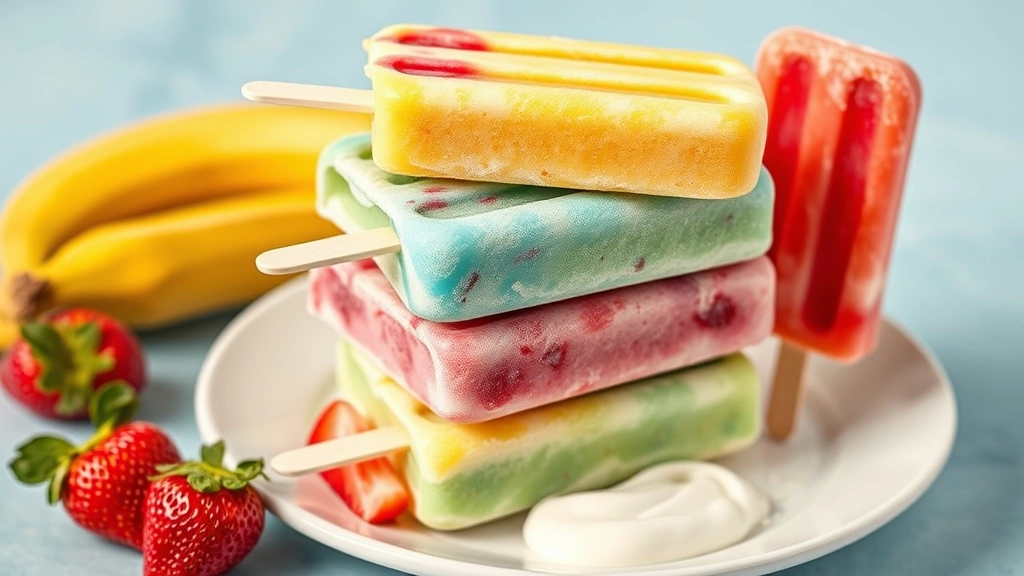
Mix plain Greek yogurt with a bit of pumpkin puree (not the pie filling—the plain stuff), add some mashed banana, and freeze it in ice cube trays or popsicle molds. The American Kennel Club recommends keeping treats to no more than 10% of your pet’s daily caloric intake, and these yogurt-based treats fit perfectly into that guideline. Your dog gets probiotics from the yogurt, potassium from the banana, and you get the satisfaction of knowing exactly what’s in their mouth.
Summer Watermelon Freeze: Hydration Meets Deliciousness
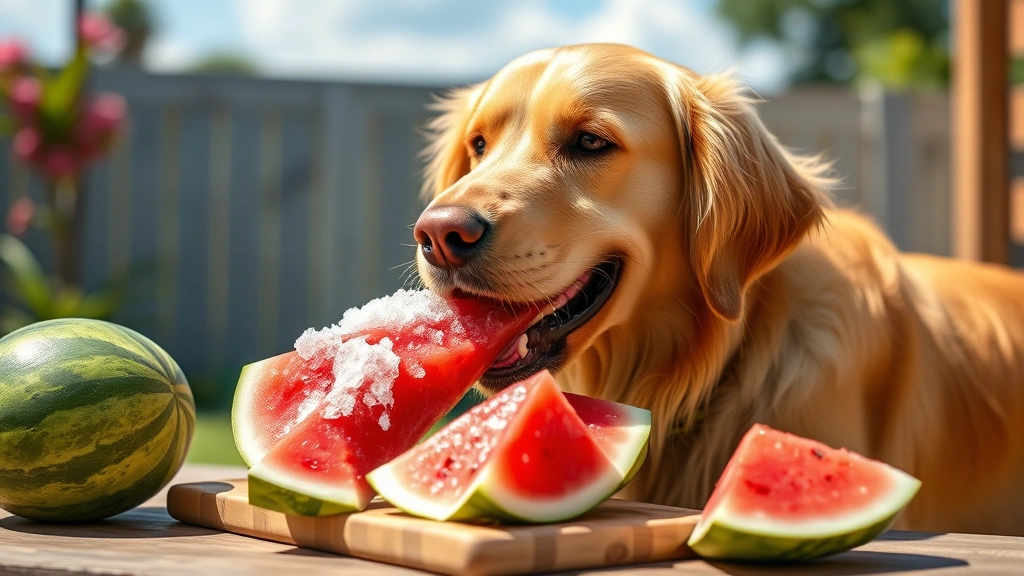
Watermelon is basically nature’s cooling system, and dogs absolutely lose their minds for it. Cut watermelon into small chunks (remove all seeds, seriously), and freeze them on a baking sheet. Once frozen, toss them in a container and grab one whenever your pup needs a cool-down session.
The beauty of summer seasonal treats is that they serve a dual purpose: keeping your pet entertained while also helping them stay hydrated during those brutal heat waves. You can even blend watermelon with coconut water and freeze it for extra hydration points. Just remember—watermelon should only be an occasional treat, not a meal replacement.
Fall Apple Cinnamon Bites: Cozy Vibes in Treat Form
As the leaves change and the air gets crispy, fall apple cinnamon bites are the perfect seasonal transition treat. Dice up some dog-safe apples (remove the seeds—they contain compounds that aren’t great for pets), mix with a tiny pinch of cinnamon, and combine with oat flour and a bit of honey.
Form into small balls, flatten slightly, and bake at 350°F for about 12 minutes. The cinnamon adds that cozy fall flavor without any of the artificial stuff. According to PetMD’s nutritional guidelines, apples are safe for dogs and packed with fiber and vitamin C. These treats also pair perfectly with your own homemade pet food schedule if you’re already meal prepping for your furry friend.
Winter Sweet Potato Chews: Comfort Food for Cold Months
Winter is when our pets need a little extra love, and sweet potato chews deliver exactly that. Slice sweet potatoes lengthwise into thin strips, arrange on a baking sheet, and bake at 250°F for about 3 hours until they’re completely dried out and chewy.
These aren’t just delicious—they’re loaded with beta-carotene and fiber. Sweet potatoes are particularly great during winter months when cold weather caloric needs increase for outdoor pets. The long chewing time also keeps your dog occupied during those long winter nights when everyone’s stuck inside going a little stir-crazy.
Spring Carrot and Parsley Crunchies: Fresh Breath Bonus
Spring vegetables are hitting their peak, and carrots with fresh parsley make an incredible combination. Grate carrots, chop fresh parsley finely, mix with whole wheat flour and a tiny bit of olive oil, form into small biscuits, and bake at 375°F for about 15 minutes.
The parsley actually helps freshen your dog’s breath naturally, which is a nice bonus when they’re giving you those spring cuddles. These crunchies are also great for dental health since the chewing action helps clean teeth. When you’re thinking about seasonal pet treat recipes, don’t overlook how the ingredients can provide multiple benefits beyond just tasting good.
Summer Peanut Butter Frozen Banana Bites: The Classic Upgrade
Okay, peanut butter and banana is basically the golden retriever equivalent of pizza. Slice bananas into rounds, spread a thin layer of natural peanut butter (xylitol-free—this is non-negotiable) on each slice, and freeze on parchment paper.
These are perfect for summer because they’re cold, they’re quick to make, and they last longer in your freezer than you’d think. The combination of natural fats from peanut butter and potassium from banana makes these surprisingly nutritious for a treat. Just make sure you’re using natural peanut butter without any added sweeteners.
Fall Pumpkin Puree Biscuits: The Seasonal Staple
Pumpkin season isn’t just for humans, and honestly, fall seasonal treat recipes feel incomplete without at least mentioning pumpkin. Mix canned pumpkin puree (plain, not pie filling) with whole wheat flour, add a bit of honey, form into shapes, and bake at 350°F for about 20 minutes.
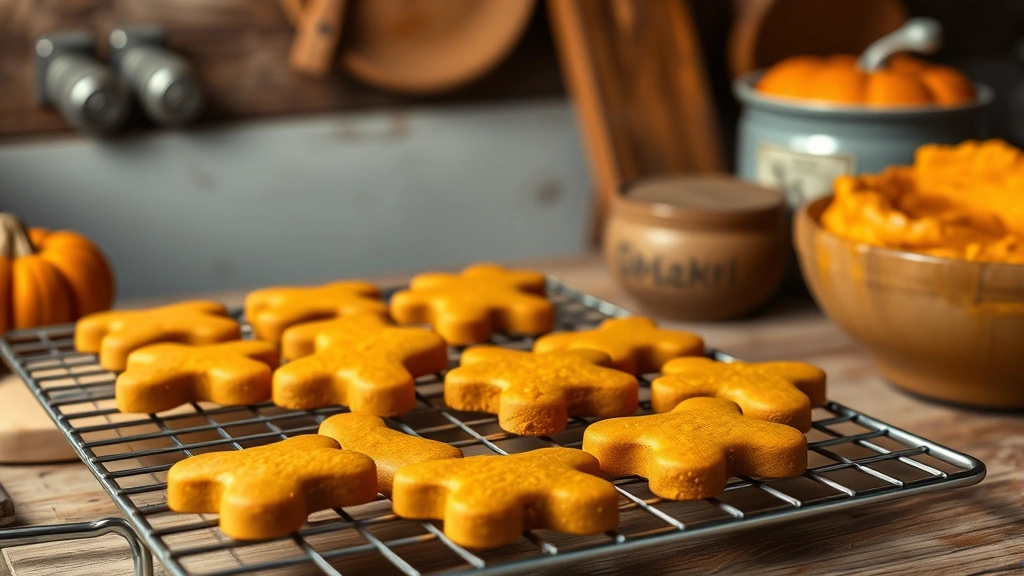
Pumpkin is basically a miracle ingredient for digestive health, and it’s safe for almost all dogs. These biscuits work year-round, but there’s something about fall that just screams pumpkin treats. You can even press them into fun shapes using cookie cutters to make them extra special. Consider pairing these with information about rotating protein sources if you’re looking to diversify your pet’s diet beyond just treats.
Winter Beef Bone Broth Cubes: Savory Sophistication
While summer brings light and refreshing, winter calls for something more substantial. Make bone broth (or buy it from a reputable source), pour into ice cube trays, and freeze. These savory cubes are perfect for winter months and provide collagen, gelatin, and minerals that support joint health.
This is especially great if you have an older dog or a breed prone to joint issues. The gelatin in bone broth supports cartilage health, and the minerals support overall wellness. Pop one out of the freezer on a cold day, and your pup will be entertained for a solid 20 minutes while getting legitimate nutritional benefits.
Spring Strawberry Yogurt Pops: Antioxidant Power
Spring strawberries are incredible, and your dog can totally enjoy them. Blend fresh strawberries (remove the leafy tops) with plain yogurt, pour into molds, and freeze. These are light, refreshing, and packed with antioxidants that support overall health.
Strawberries are one of the safest fruits for dogs and provide vitamin C and fiber. The yogurt adds probiotics for gut health. These pops are perfect for that in-between spring weather when it’s warm enough to want something cool but not quite summer heat yet. They’re also naturally sweet, so you don’t need to add any honey or other sweeteners.
Summer Coconut Cream Freezer Treats: Tropical Vibes
If your dog likes coconut (and most do), blend unsweetened coconut milk with a bit of honey, pour into popsicle molds, and freeze. These tropical-inspired treats are hydrating and provide healthy fats that support skin and coat health, which is crucial during summer months when UV exposure increases.
Coconut oil has been shown to have antimicrobial and anti-inflammatory properties, though it should be given in moderation. These treats are perfect for dogs who need a little extra moisture in their diet during hot months. The creamy texture is also just inherently satisfying for pups who like to work their treats.
Fall Turkey and Cranberry Bites: Holiday Prep Treats
As fall transitions toward the holidays, turkey and cranberry bites get your dog excited about the season without them eating your actual Thanksgiving dinner. Ground turkey, dried cranberries (unsweetened), sweet potato, and oat flour combine into little flavor bombs.
Mix ingredients, form small bites, and bake at 350°F for about 15 minutes. Turkey is lean protein, cranberries provide antioxidants, and sweet potato adds fiber. These are particularly great if you’re following breed specific feeding needs and need to adjust treat portions based on your dog’s size and metabolism. Smaller breeds might need these cut in half, while larger dogs can handle the full-sized version.
Winter Chicken and Sweet Potato Chews: Protein-Packed Warmth
Winter is the time for hearty, protein-packed treats. Shred cooked chicken, mix with mashed sweet potato and a tiny bit of coconut oil, form into small logs, and bake at 300°F for about 30 minutes until they’re firm.
These chews provide lean protein for muscle maintenance during colder months when dogs might be less active. The sweet potato adds fiber and nutrients, while the coconut oil supports skin health. These are more substantial than some of the frozen options, making them perfect for dogs who like to really work their treats. They’re also great for incorporating into interactive feeding games if you’re looking to enrich your dog’s daily routine during long winter months.
General Tips for Making Seasonal Pet Treat Recipes
Before you go wild with your newfound treat-making abilities, here are some universal guidelines that apply to all seasonal treat recipes for pets:
Ingredient Safety First: Always verify that every ingredient is safe for dogs. Some human foods are toxic to pets, and it’s not worth the risk. When in doubt, check with your vet or consult reliable sources like the ASPCA’s poison control database.
Portion Control Matters: Treats should never exceed 10% of your dog’s daily caloric intake. This is especially important with seasonal treats because they often feel celebratory and it’s easy to overdo it. If you’re giving treats, you should be reducing their regular food slightly to maintain a healthy weight.
Storage and Freshness: Homemade treats don’t have preservatives, so they need proper storage. Most frozen treats last 2-3 months in the freezer. Refrigerated treats should be used within 3-5 days. Always label your containers with the date you made them.
Watch for Allergies: Just because something is safe for dogs doesn’t mean it’s safe for YOUR dog. If you’re introducing a new ingredient, start with a small amount and watch for any digestive upset or allergic reactions over the next 24 hours.
Frequently Asked Questions
Can I give my dog treats every day?
Yes, but they need to be factored into your dog’s daily caloric intake. If you’re giving treats, you should be reducing their regular food portion to prevent weight gain. Treats should never exceed 10% of daily calories, and many vets recommend keeping them to 5% for optimal health. Seasonal treat recipes can absolutely be daily treats as long as portions are controlled.
Are homemade pet treats really better than store-bought?
Generally, yes. Homemade treats let you control every ingredient, eliminate artificial preservatives, and often cost less than commercial options. However, store-bought treats aren’t inherently bad—just read the ingredients list and avoid anything with excessive additives or unclear ingredient sourcing. Homemade gives you peace of mind and customization options.
How do I know if a treat recipe is actually vet-approved?
A vet-approved recipe uses ingredients that are safe for dogs, maintains appropriate portion sizes, and doesn’t include common toxic ingredients like xylitol, chocolate, grapes, or onions. When in doubt, snap a photo of your recipe ingredients and ask your vet during your next visit. Most vets appreciate the effort to make healthy treats.
Can cats enjoy these seasonal treat recipes too?
Some recipes work for cats, but not all. Cats are obligate carnivores and need more protein and fewer carbs than dogs. Recipes with meat as the primary ingredient (like the turkey bites or chicken chews) can work for cats in smaller portions. Avoid giving cats recipes heavy on fruits or vegetables. Always consult your vet before giving cats homemade treats.
What’s the best way to introduce homemade treats to my dog?
Start small. Give your dog a small piece of the new treat and wait 24 hours to monitor for any digestive upset, vomiting, or allergic reactions. If everything looks good, you can gradually increase the portion size. This is especially important if your dog has a sensitive stomach or known food allergies.
Can I make a big batch of treats and freeze them?
Absolutely. Most homemade treats freeze beautifully for 2-3 months. Use airtight containers or freezer bags, label them with the date, and you’ve got treats ready to go whenever you need them. This is actually a smart way to batch-make treats during each season.
Wrapping Up Your Seasonal Treat Journey
Seasonal treat recipes for pets are more than just a fun DIY project—they’re a way to show your furry friend that you care about their health, nutrition, and happiness. Whether you’re making spring pup popsicles to beat the heat, fall pumpkin biscuits to embrace cozy vibes, or winter bone broth cubes for joint support, you’re giving your pet something special that store-bought treats simply can’t match.
The beauty of homemade treats is that you control everything: the ingredients, the portions, the flavor combinations, and the nutritional value. Your dog doesn’t care if their treat came from a fancy pet bakery or your kitchen—they just know it tastes amazing and you made it specifically for them. That’s the real magic.
Start with one or two recipes that appeal to you and your dog’s preferences. Master those before branching out into others. Keep notes on what your dog loves and what they ignore (yes, some dogs are treat snobs, and that’s okay). Most importantly, remember that treats are supplements to a healthy diet, not replacements for quality nutrition.
So go ahead, get creative, and start making seasonal treat recipes for your pet. Your dog’s tail will thank you, your wallet will appreciate the savings, and honestly, you might just discover a new favorite hobby. Plus, you’ll finally have a good answer when someone asks what you’re doing in the kitchen at 10 PM on a Tuesday—you’re making gourmet dog treats, obviously.





