
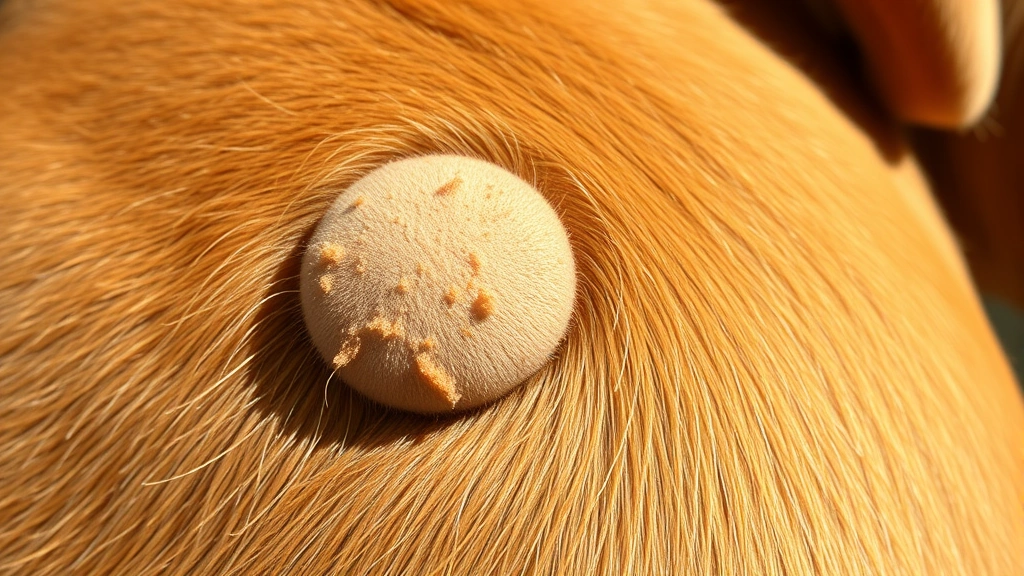
If you’ve noticed a weird, bumpy lump on your dog’s skin, there’s a solid chance you’re dealing with a sebaceous cyst dog situation. Don’t panic—these fatty little troublemakers are super common, mostly harmless, and definitely treatable. In this guide, we’re breaking down everything you need to know about sebaceous cysts in dogs, from what they actually are to whether your pup needs surgery or if you can just let it chill.
Table of Contents
- What Exactly Is a Sebaceous Cyst on Dogs?
- Common Locations and Appearance of Cysts in Dogs
- Sebaceous Cyst vs. Lipoma: Know the Difference
- Symptoms and When to Worry
- Treatment Options: To Remove or Not to Remove?
- Home Care and Management Strategies
- Preventing Sebaceous Cysts: Diet and Skin Health
- When to See a Vet: Red Flags and Concerns
- Surgical Removal: What to Expect
- Cost Considerations and Insurance
- Long-Term Outlook and Prognosis
- Frequently Asked Questions
- Summary: Managing Your Dog’s Sebaceous Cyst
What Exactly Is a Sebaceous Cyst on Dogs?
A sebaceous cyst is basically a blocked oil gland that’s decided to throw a party under your dog’s skin. These cysts form when the sebaceous gland (responsible for producing oils that keep your dog’s skin healthy) gets clogged up. Instead of flowing freely, the oil gets trapped and accumulates, creating a firm, sometimes scaly bump. Think of it like a tiny oil factory that’s gone on strike.
The good news? Most sebaceous cysts are benign, meaning they’re not cancerous. They’re just annoying little lumps that occasionally leak stinky, cheese-like discharge (yes, it’s as gross as it sounds). Your vet can usually diagnose one just by looking at it, though they might recommend a fine-needle aspirate or biopsy if they want to be absolutely certain it’s not something more serious.
Common Locations and Appearance of Cysts in Dogs
Sebaceous cysts love hanging out on your dog’s back, shoulders, neck, and head—basically anywhere there’s a high concentration of oil glands. They typically appear as single or multiple firm bumps, ranging from pea-sized to golf ball-sized. Some are skin-colored, while others might look reddish or darker. The surface can be smooth or scaly, and some have a visible dark center that looks like a blackhead on steroids.
Older dogs tend to develop more cysts, which is why you might suddenly notice your senior pup looking like they’re growing tiny mountains. Certain breeds, like Cocker Spaniels, Poodles, and Schnauzers, seem more prone to these cysts, though honestly, any dog can get them.
Sebaceous Cyst vs. Lipoma: Know the Difference
Here’s where things get confusing for dog owners. A sebaceous cyst and a lipoma in dogs are totally different things, but they look similar enough to mess with your head. A lipoma is a fatty tumor (benign, but still a tumor) that grows under the skin, while a sebaceous cyst is specifically an oil gland blockage. Lipomas are usually softer and move around when you touch them, whereas sebaceous cysts are firmer and more fixed in place. Your vet can tell the difference, but it’s good to know the distinction so you’re not confusing the two at your next checkup.
Symptoms and When to Worry
Most dogs with sebaceous cysts don’t show any symptoms at all. You’ll just notice the bump while petting your pup or during grooming. However, problems can arise if your dog starts licking, scratching, or biting at the cyst. Once they break the skin, the cyst can become infected, inflamed, or rupture, leaking that delightful oily discharge everywhere.
Signs that a cyst might be infected include redness, swelling, discharge (especially if it’s greenish or yellowish), pain when touched, or your dog obsessively licking the area. If you notice any of these red flags, it’s time to call your vet. An infected cyst won’t heal on its own and might need antibiotics or drainage.
Treatment Options: To Remove or Not to Remove?
Here’s the million-dollar question: does your dog actually need surgery? The answer is: it depends. If the cyst isn’t bothering your dog and it’s not infected, most vets will recommend a “wait and see” approach. There’s no need to put your pup under anesthesia for something that’s not causing problems.
However, removal becomes necessary if the cyst is:
- Infected or repeatedly infected
- Ruptured and leaking
- Growing rapidly
- Causing your dog pain or discomfort
- Located somewhere that gets constant friction (like between the toes)
- Cosmetically bothersome to you (yes, this is a valid reason)
Surgical removal involves your vet making a small incision and removing the entire cyst wall. This prevents regrowth, though it does mean a few stitches and a recovery period. Your vet might also recommend sending the removed tissue to a lab for analysis, just to confirm it’s benign.
Home Care and Management Strategies
If your dog has a sebaceous cyst that doesn’t need surgery, there are ways to manage it and prevent complications. First, resist the urge to squeeze it—yes, we know it’s tempting, but squeezing can cause infection or rupture. Keep the area clean and dry, and monitor it regularly for changes in size or appearance.
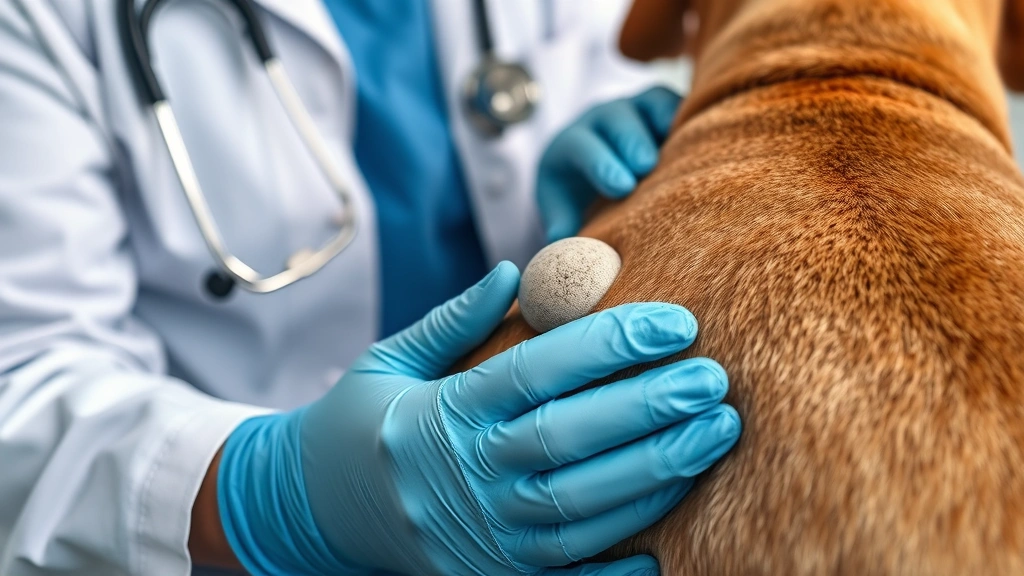
If your dog is prone to licking or chewing at the cyst, consider using an Elizabethan collar or a protective bandage. Some owners find that regular grooming and keeping the area clean with a gentle, medicated shampoo helps prevent secondary infections. If you notice your dog obsessively bothering the cyst, talk to your vet about whether removal might be the better option.
Preventing Sebaceous Cysts: Diet and Skin Health
While you can’t completely prevent sebaceous cysts (they’re just part of aging in dogs), you can support your dog’s overall skin health through proper nutrition. A high-quality diet rich in omega-3 and omega-6 fatty acids promotes healthy skin and coat. If your dog has other skin conditions like mange on dogs, addressing those issues can reduce overall skin inflammation and complications.
Regular grooming, including baths with gentle shampoos and thorough drying, helps keep your dog’s skin healthy and allows you to catch new lumps early. Keeping your dog at a healthy weight also reduces strain on the skin and can minimize the development of multiple cysts. If your dog has specific dietary needs, consult your vet about whether large breed dog food or specialized nutrition might help.
When to See a Vet: Red Flags and Concerns
You should schedule a vet appointment if you notice any new lumps on your dog, even if they seem harmless. Your vet needs to rule out more serious conditions like mast cell tumors or other cancerous growths. Additionally, see your vet if an existing cyst suddenly changes in size, becomes infected, ruptures, or causes your dog pain.
If your dog is very old or has other health issues, discuss with your vet whether surgery is appropriate. Some senior dogs might not be good candidates for anesthesia, and your vet can help you weigh the risks and benefits. Trust your gut—if something feels off about a lump, get it checked out.
Surgical Removal: What to Expect
If your vet recommends surgical removal, here’s what the process typically looks like. Your dog will be given pre-operative bloodwork and anesthesia. The vet will make a small incision over the cyst, carefully remove the entire cyst wall (this is crucial—leaving behind cyst material can lead to regrowth), and close the incision with stitches.
Recovery usually takes 10-14 days. During this time, keep the incision clean and dry, prevent your dog from licking it (hello, cone), and limit strenuous activity. Most dogs bounce back quickly, though some might experience mild swelling or discomfort. Your vet will likely schedule a follow-up to remove stitches and ensure everything’s healing properly.
Cost Considerations and Insurance
The cost of removing a sebaceous cyst varies depending on your location, your vet’s experience, and whether the cyst is complicated. Simple removals might run $300-$800, while more complex cases could cost more. Pre-operative bloodwork, anesthesia, and post-operative care add to the total bill.
Unfortunately, most pet insurance plans don’t cover sebaceous cyst removal unless it’s deemed medically necessary (like if it’s infected or causing pain). If your dog has chronic health issues, you might want to explore pet insurance options or discuss payment plans with your vet.
Long-Term Outlook and Prognosis
The long-term outlook for dogs with sebaceous cysts is excellent. These bumps rarely cause serious problems, and removal is straightforward with high success rates. Even if your dog develops multiple cysts over time, they’re manageable and won’t significantly impact your dog’s quality of life.
Some dogs might develop new cysts after one is removed, especially if they’re genetically predisposed. However, this doesn’t mean the original cyst came back—it just means your dog’s skin is prone to cyst formation. Regular monitoring and good skin care can help you catch new cysts early.

Frequently Asked Questions
Can a sebaceous cyst on a dog turn into cancer?
No, sebaceous cysts are benign and won’t turn into cancer. However, it’s always good to have new lumps checked by your vet to rule out other conditions that might look similar.
Is it normal for dogs to have multiple sebaceous cysts?
Yes, especially in older dogs. Multiple cysts are common and usually not a cause for concern unless they’re infected or causing discomfort.
Can I use home remedies to treat a sebaceous cyst?
Home remedies won’t eliminate a sebaceous cyst, but keeping the area clean and preventing your dog from licking it can help prevent infection. Surgery is the only way to permanently remove a cyst.
How often do sebaceous cysts come back after removal?
If your vet removes the entire cyst wall, recurrence is rare. However, your dog might develop new cysts in other locations due to their skin type.
Are certain dog breeds more prone to sebaceous cysts?
Yes, Cocker Spaniels, Poodles, and Schnauzers seem more susceptible, but any breed can develop them, especially as they age.
What’s the difference between a sebaceous cyst and a sebaceous adenoma?
A sebaceous adenoma is a benign tumor of the sebaceous gland, while a cyst is a blocked gland. They’re related but technically different. Your vet can differentiate between them with a biopsy if needed.
Should I be worried if my dog’s cyst smells bad?
A strong odor usually indicates infection or rupture. Contact your vet to prevent complications and potential secondary infections.
Can I express or squeeze the cyst at home?
No—squeezing risks infection, rupture, and further complications. Let your vet handle any drainage if necessary.
Summary: Managing Your Dog’s Sebaceous Cyst
A sebaceous cyst dog situation is usually nothing to lose sleep over. These common, benign bumps are a normal part of aging in dogs and rarely cause serious problems. Most don’t require treatment, but monitoring them for changes and preventing infection is key. If a cyst becomes infected, ruptures, or bothers your dog, surgical removal is a straightforward, safe option with excellent outcomes. Work closely with your vet to monitor any lumps, maintain your dog’s skin health through proper nutrition and grooming, and don’t hesitate to get new bumps checked out. With proper care, your pup can live comfortably with sebaceous cysts without any major issues.
For additional information about other common dog skin conditions, check out our guide on low fat dog food for pancreatitis to support overall health. Remember, when in doubt, your vet is your best resource for personalized advice about your dog’s specific situation.





