
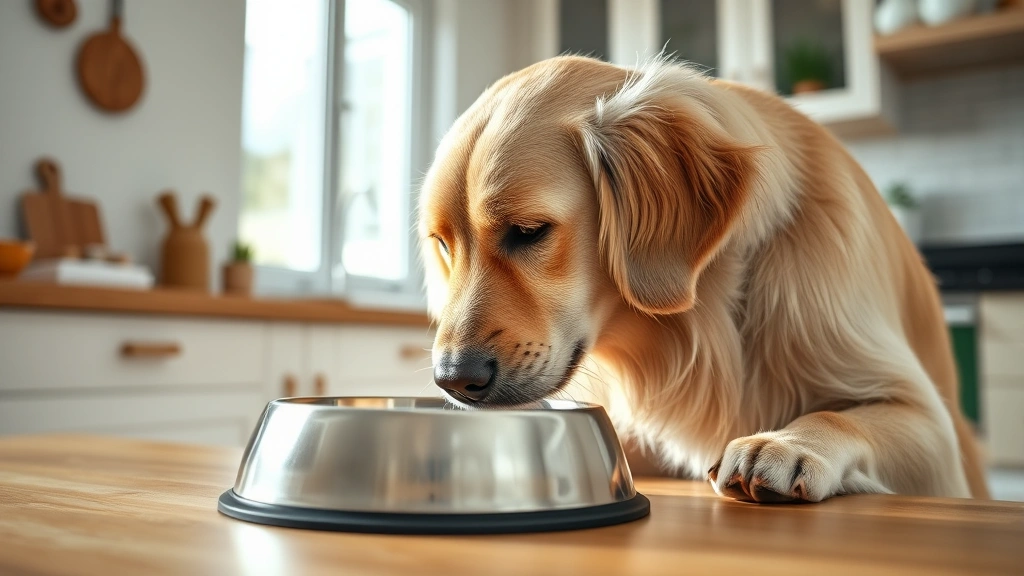
A proper senior dog feeding routine isn’t just about tossing kibble in a bowl anymore—it’s about understanding that your aging pup’s nutritional needs have changed dramatically, and getting it right can add quality years to their life. If your dog is hitting their golden years (typically 7+ for most breeds, earlier for larger dogs), their metabolism has slowed, their teeth might be weaker, and their digestive system needs a little extra TLC. Let’s dive into how to keep your senior buddy thriving at mealtime.
Table of Contents
- Why Your Senior Dog’s Feeding Needs Change
- Tip #1: Adjust Meal Frequency and Portion Control
- Tip #2: Choose Senior-Formulated Dog Foods
- Tip #3: Incorporate Digestive Support and Hydration
- Tip #4: Monitor for Age-Related Health Conditions
- Tip #5: Establish a Consistent Feeding Schedule
- Special Considerations for Mobility and Joint Health
- Recognizing When Your Senior Dog Isn’t Eating Enough
- Supplements and Treats in a Senior Dog’s Diet
- Common Senior Dog Feeding Mistakes to Avoid
- Working With Your Veterinarian on Nutrition
- Frequently Asked Questions
- Summary: Creating the Perfect Senior Dog Feeding Routine
Why Your Senior Dog’s Feeding Needs Change
Your dog’s body isn’t the same at 10 as it was at 3. Senior dogs experience slower metabolism, reduced muscle mass, and decreased activity levels. Their caloric needs actually drop by about 20-30%, but here’s the kicker—they need more protein to maintain muscle mass, not less. It’s counterintuitive, but it’s science. Additionally, senior dogs often develop dental issues, arthritis, and digestive sensitivities that make a thoughtful feeding approach essential rather than optional.
The aging process also affects nutrient absorption. Your senior dog might be eating the same amount but getting fewer nutrients from it. This is where quality matters as much as quantity. Consider exploring pet cognitive supplements to support their overall wellness during their golden years.
Tip #1: Adjust Meal Frequency and Portion Control
Instead of one or two large meals, consider splitting your senior dog’s daily food into three smaller meals. This approach improves digestion, prevents bloating, and keeps their metabolism steady throughout the day. Smaller portions are easier on an older digestive system and reduce the risk of gastric issues.
Use a measuring cup—don’t eyeball it. Most senior dogs need 25-30% fewer calories than their younger counterparts, but this varies by individual health status, activity level, and metabolism. Your vet can recommend specific portion sizes based on your dog’s weight and health profile. If your dog has joint concerns, proper nutrition is crucial; check out joint pain relief for senior pets to understand the connection between diet and mobility.
Tip #2: Choose Senior-Formulated Dog Foods
Senior dog food formulas exist for a reason. They’re specifically designed with lower calories but higher protein content—typically 18-25% protein compared to 15-18% in regular adult foods. Look for foods with added glucosamine and chondroitin for joint support, and omega-3 fatty acids for cognitive function and coat health.
Quality matters here. Premium brands invest in research for senior nutrition, while budget brands often cut corners. Read ingredient lists carefully. The first ingredient should be a named meat source (chicken, beef, fish), not meat by-products or grains. Wet or softened kibble can be a game-changer for dogs with dental problems—just add warm water to dry food and let it sit for 10 minutes.
Tip #3: Incorporate Digestive Support and Hydration
Senior dogs often struggle with constipation or loose stools. Adding a small amount of pumpkin puree (not pie filling!) to their meals can regulate digestion beautifully. Bone broth (unsalted, no onions or garlic) can make meals more appetizing and improve hydration. Some vets recommend adding probiotics specifically formulated for dogs to support gut health.
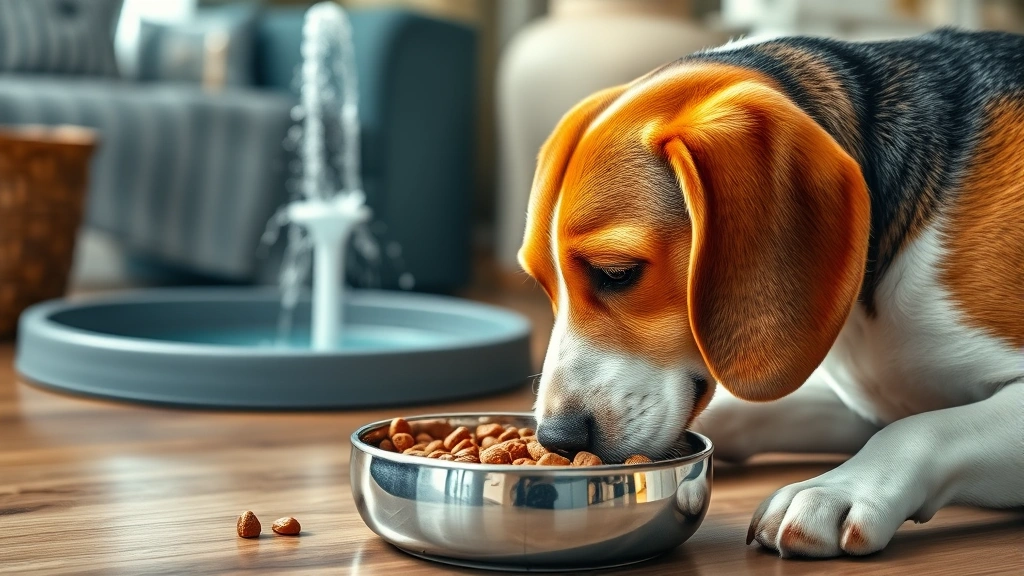
Hydration becomes increasingly important. Senior dogs don’t always drink enough water, which can lead to kidney issues and constipation. Add moisture to their food—wet food, broth, or water mixed with kibble. Keep fresh water available at all times, and consider a water fountain; many older dogs find moving water more appealing than still water.
Tip #4: Monitor for Age-Related Health Conditions
Your senior dog’s feeding routine must account for existing health conditions. Dogs with kidney disease need restricted protein and phosphorus. Diabetic dogs need consistent meal timing and specific carbohydrate levels. Dogs with pancreatitis need low-fat diets. This is where working closely with your veterinarian becomes non-negotiable.
Regular bloodwork—at least annually, ideally twice yearly for dogs over 10—reveals nutritional deficiencies, kidney function, liver health, and thyroid issues before they become serious problems. Brain health for aging pets is another critical consideration, as cognitive decline is common in senior dogs and can affect their appetite and eating behavior.
Tip #5: Establish a Consistent Feeding Schedule
Senior dogs thrive on routine. Feed them at the same times every day—ideally morning, midday, and evening if you’re doing three meals. This consistency helps regulate their digestive system and makes it easier to monitor appetite changes, which can signal health issues.
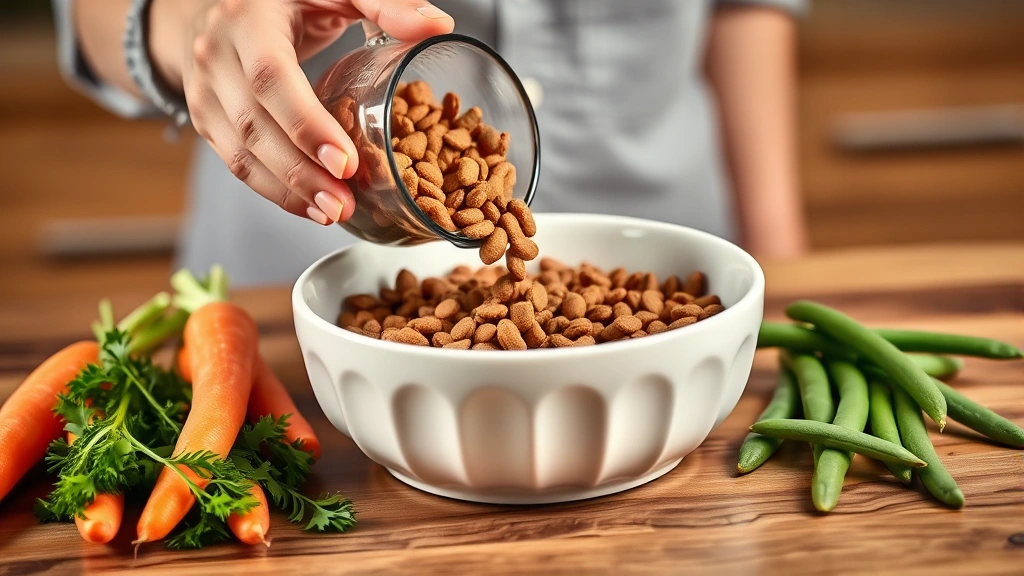
Set a timer reminder on your phone if needed. A consistent schedule also helps with house training issues some seniors develop. You’ll know when to expect bathroom breaks, and you can monitor whether they’re eating their full portions. If your senior dog suddenly loses interest in food, that’s a red flag worth investigating with your vet immediately.
Special Considerations for Mobility and Joint Health
Many senior dogs develop arthritis and joint problems that affect their ability to eat comfortably. Raised food bowls reduce strain on their neck and spine—aim for bowls at chest height. Some dogs prefer stainless steel over ceramic or plastic because it’s easier to chew against and doesn’t retain odors.
If your dog has severe arthritis, they might move slower to their food bowl. Give them extra time and patience. Consider placing water bowls in multiple locations throughout your home so they don’t have to travel far. Mobility supplements for dogs can complement a well-designed feeding routine to support overall joint function and comfort.
Recognizing When Your Senior Dog Isn’t Eating Enough
Weight loss, dull coat, lethargy, and decreased muscle mass are signs your senior dog isn’t getting adequate nutrition. Sometimes it’s a food preference issue—older dogs can become pickier. Try warming their food slightly to enhance aroma and palatability. Mix in a little wet food with dry kibble. Offer different protein sources to find what appeals to them.
If appetite loss persists beyond a few days, dental disease, mouth pain, nausea, or serious illness could be the culprit. Your vet needs to rule out medical causes before assuming it’s just picky eating. According to the American Kennel Club, appetite changes in senior dogs warrant veterinary evaluation.
Supplements and Treats in a Senior Dog’s Diet
Treats should comprise no more than 10% of daily calories for senior dogs. Switch to lower-calorie options—green beans, carrots, and apple slices (no seeds) are excellent choices. If you’re using treats for training or enrichment, account for them in their daily calorie count.
Consider preventative care supplements after discussing with your vet. Joint support supplements, omega-3s, and antioxidants can support healthy aging. However, supplements aren’t replacements for quality food and veterinary care—they’re additions to a solid foundation.
Common Senior Dog Feeding Mistakes to Avoid
Don’t assume your senior dog needs the same food as when they were younger. Don’t skip dental checkups—dental disease causes pain that reduces eating. Don’t free-feed (leaving food out all day) for senior dogs; measured meals help you monitor intake and health changes. Don’t switch foods abruptly; transition over 7-10 days to prevent digestive upset. Don’t ignore weight changes in either direction; both obesity and being underweight create health problems.
And please, don’t rely solely on human food. While small amounts of plain cooked chicken, sweet potato, or carrots are fine, they don’t provide complete nutrition. Your senior dog needs a balanced diet formulated specifically for their life stage.
Working With Your Veterinarian on Nutrition
Your vet is your best resource for senior dog nutrition decisions. They can recommend specific brands, portion sizes, and feeding schedules based on your dog’s health profile. Some vets offer nutritional counseling or can refer you to a veterinary nutritionist for dogs with complex health needs.
According to PetMD, senior dogs benefit from regular nutritional assessments to catch deficiencies early. Don’t hesitate to ask questions about your dog’s specific needs. A good vet will explain the reasoning behind their recommendations and adjust the plan as your dog ages.
Frequently Asked Questions
How often should I feed my senior dog?
Most senior dogs do best with three smaller meals daily rather than one or two large meals. This improves digestion and keeps their metabolism steady. However, some dogs thrive on two meals. Work with your vet to determine what’s best for your individual dog.
Can I feed my senior dog table scraps?
Small amounts of plain, cooked human food can supplement their diet, but it shouldn’t replace their formulated senior dog food. Avoid foods toxic to dogs like chocolate, grapes, onions, and garlic. Keep table scraps to less than 10% of daily calories.
What’s the best food for a senior dog with dental problems?
Wet or canned senior dog food is ideal for dogs with dental issues. You can also soften dry kibble with warm water or broth. Some senior dogs do well with ground or finely minced meat mixed with soft vegetables. Your vet can recommend specific options if your dog has dental disease.
Should my senior dog eat prescription food?
If your senior dog has specific health conditions like kidney disease, diabetes, or digestive issues, prescription diets formulated for those conditions can be beneficial. These are only available through your vet and are specifically designed to manage disease. Discuss whether prescription food is necessary for your dog’s situation.
How do I know if my senior dog is eating enough?
You should be able to feel their ribs easily but not see them prominently. They should maintain a healthy weight, have a shiny coat, and show normal energy levels for their age. If you’re concerned about intake, keep a food diary for a week and discuss it with your vet.
Can senior dogs eat grain-free food?
Grain-free diets aren’t inherently better for senior dogs and may carry risks. Recent studies have linked some grain-free diets to heart issues. Focus on quality ingredients and complete nutrition rather than grain-free as a selling point. Your vet can recommend appropriate options.
Summary: Creating the Perfect Senior Dog Feeding Routine
A thoughtful senior dog feeding routine is one of the most impactful gifts you can give your aging companion. By adjusting meal frequency, choosing senior-formulated foods, supporting digestion, monitoring health conditions, and maintaining consistency, you’re setting the stage for a healthier, happier final chapter.
Remember that every senior dog is unique. What works perfectly for one might need tweaking for another. Regular veterinary checkups, honest observation of your dog’s appetite and health, and a willingness to adjust your approach as needed will keep your senior dog thriving. Your vet is your partner in this journey—lean on their expertise, ask questions, and don’t hesitate to revisit your feeding strategy as your dog ages.
Your senior dog has given you years of loyalty and love. A well-designed feeding routine is a tangible way to return that care during their golden years. They deserve nutrition that supports their changing body, meals served with patience and consistency, and the peace of mind that comes from knowing you’re doing everything right.





