

Your senior furry friend has been by your side for years, and now that they’re in their golden years, you want to give them the best nutrition possible—including some tasty human foods that are actually good for them. The truth is, senior pet-friendly human foods can be a game-changer for aging dogs and cats, offering nutritional boosts, joint support, and mental stimulation all wrapped up in delicious bites from your dinner plate. But here’s the catch: not all human foods are created equal when it comes to our older pets.
Table of Contents
- Why Senior Pets Need Special Nutritional Attention
- The Top 10 Senior Pet-Friendly Human Foods
- Foods to Absolutely Avoid for Senior Pets
- Portion Control: The Golden Rule
- Introduction Strategy: Go Slow and Steady
- Incorporating Human Foods Into Your Senior’s Wellness Routine
- Special Considerations for Senior Cats vs. Dogs
- Dental Considerations: Soft vs. Crunchy
- Hydration and Senior Pets
- Monitoring Your Senior’s Response
- When to Consult Your Veterinarian
- Frequently Asked Questions
- Summary: Nourishing Your Senior Pet’s Golden Years
As a vet tech who’s spent years watching senior pets thrive on properly chosen foods, I can tell you that the right table scraps can genuinely improve quality of life. The wrong ones? Well, let’s just say your vet won’t be thrilled. This guide breaks down exactly which human foods are safe, nutritious, and actually beneficial for your aging buddy.
Why Senior Pets Need Special Nutritional Attention
Senior pets aren’t just older versions of their younger selves—they’re fundamentally different nutritionally. Their metabolism slows, their teeth might be sensitive, and their digestive systems become pickier. That’s why choosing appropriate age-appropriate pet nutrition matters so much. Your senior dog or cat needs foods that are easier to digest, gentler on their teeth, and packed with joint-supporting nutrients.
The beauty of human foods is that they can complement commercial pet food perfectly. Many seniors get bored with the same kibble day after day, and introducing safe human foods can reignite their appetite and enthusiasm at mealtime. Plus, certain whole foods contain nutrients that are genuinely beneficial for aging bodies.
The Top 10 Senior Pet-Friendly Human Foods
1. Sweet Potatoes: The Superfood Your Senior Deserves
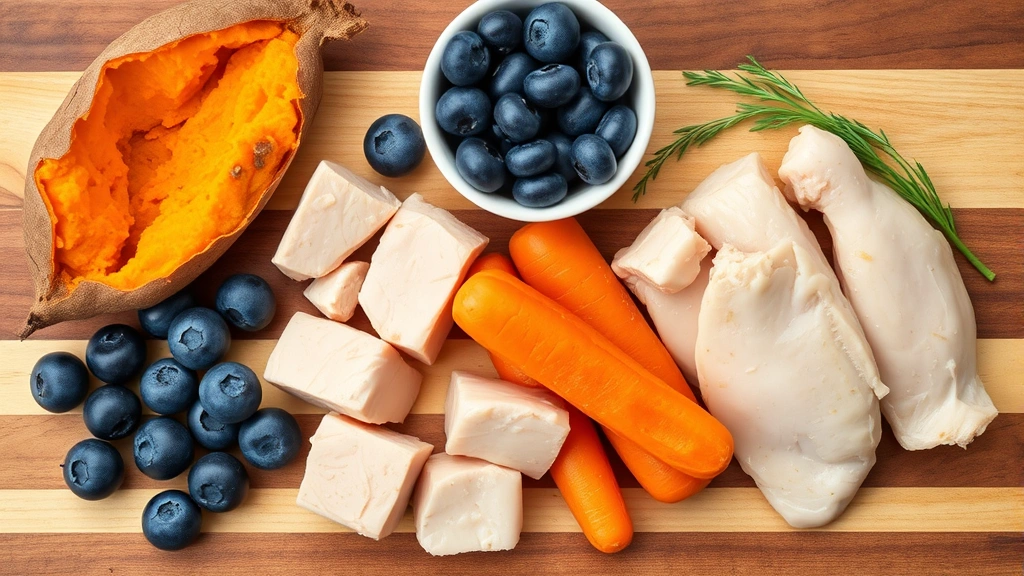
Sweet potatoes are practically a miracle food for aging pets. They’re packed with beta-carotene, fiber, and vitamins that support aging eyes and digestion. Cooked sweet potato (no skin, no seasoning) is soft enough for seniors with dental issues and won’t upset sensitive stomachs. Aim for small portions—about a tablespoon per 10 pounds of body weight.
2. Pumpkin: The Digestive Superstar
Pumpkin is the golden ticket for senior pets with digestive issues, which, let’s be honest, is basically all of them at some point. Plain canned pumpkin (not pie filling) is gentle, promotes healthy digestion, and tastes like a treat. It’s also incredibly helpful for both constipation and diarrhea—basically the duct tape of pet digestive health.
3. Carrots: Crunchy Joint Support
Raw or cooked carrots are fantastic for seniors because they’re low-calorie, support joint health through their natural compounds, and satisfy that chewing urge without being too hard on aging teeth. If your senior has dental problems, cook them until soft. The natural sweetness makes them irresistible, too.
4. Blueberries: Tiny Antioxidant Powerhouses
These little blue gems are loaded with antioxidants that combat cognitive decline and support brain function in aging pets. A handful of blueberries a few times a week can help keep your senior’s mind sharp. They’re also low in calories, making them perfect for weight-conscious older pets.
5. Plain Chicken: The Protein Foundation
Boneless, skinless, cooked chicken is basically the gold standard for senior pet protein. It’s easily digestible, packed with lean protein for maintaining muscle mass, and most pets find it absolutely irresistible. Just ensure it’s plain—no seasoning, no garlic, no onions. Shred it into small, manageable pieces for easier eating.
6. Salmon: Omega-3 Joint Miracle
If your senior has joint stiffness or arthritis, salmon should be your secret weapon. The omega-3 fatty acids in salmon are scientifically proven to reduce inflammation and support joint mobility. Cook it plain and remove all bones. A small piece twice a week can make a noticeable difference. This pairs beautifully with our guide on stiffness relief for older pets.
7. Green Beans: The Low-Calorie Veggie
Plain green beans (fresh or frozen, cooked with no seasoning) are perfect for seniors who need to watch their weight. They’re packed with vitamins, low in calories, and easy to digest. Plus, they add volume to meals without adding significant calories, which helps seniors feel fuller longer.
8. Eggs: Complete Protein Perfection
Cooked eggs are a complete protein containing all amino acids your senior needs. They’re also packed with choline for brain health and lutein for eye health. Scrambled or boiled, plain eggs are a nutritional powerhouse. Just remember: moderation is key, as they’re calorie-dense.
9. Plain Yogurt: Probiotic Support
Plain, unsweetened yogurt with live cultures can support digestive health in seniors. The probiotics help maintain healthy gut bacteria, which becomes increasingly important as pets age. Avoid anything with xylitol, artificial sweeteners, or added sugars. A small spoonful a few times a week is plenty.
10. Bone Broth: The Collagen-Rich Elixir
Homemade bone broth (no onions, garlic, or seasoning) is like liquid gold for aging joints. It’s rich in collagen, gelatin, and amino acids that support joint health and mobility. You can pour it over food or offer it as a special treat. This connects perfectly with our article on collagen for pets, which explores how collagen supplements can complement dietary sources.
Foods to Absolutely Avoid for Senior Pets
Just because something is human food doesn’t mean it’s safe for your senior. Chocolate, grapes, raisins, onions, garlic, avocado, and anything with xylitol are absolute no-gos. Additionally, avoid high-fat foods that can trigger pancreatitis in older pets, salty foods that stress aging kidneys, and anything with bones that could splinter and cause obstruction.
Portion Control: The Golden Rule
Here’s where most well-meaning pet parents mess up: portion sizes. Human foods should comprise no more than 10% of your senior’s daily caloric intake. The other 90% should come from balanced commercial pet food. This ensures they’re still getting complete and balanced nutrition while enjoying the benefits of whole foods. Think of human foods as supplements, not replacements.
For a typical senior dog, this means treats and human foods should total around 100-200 calories daily, depending on their size and caloric needs. Your vet can help you calculate the exact amount for your pet.
Introduction Strategy: Go Slow and Steady
Senior digestive systems are sensitive, so introduce new human foods slowly. Start with a teaspoon or two mixed into their regular food, then gradually increase over a week or two if there are no digestive issues. Watch for vomiting, diarrhea, or lack of appetite—these are signs to back off immediately.
This cautious approach is especially important since many seniors are on medications or have underlying health conditions. What works for one senior might upset another’s stomach, so patience is essential.
Incorporating Human Foods Into Your Senior’s Wellness Routine
Think of senior pet nutrition strategies as a holistic approach. Human foods work best when combined with appropriate supplements and a solid wellness routine. If your senior is dealing with joint issues, the omega-3s from salmon work synergistically with the strategies outlined in our pet longevity supplements guide.
For comprehensive joint support, many vets recommend combining dietary sources with supplements like green lipped mussel supplements, which work alongside the natural anti-inflammatory compounds in foods like salmon and carrots.
Special Considerations for Senior Cats vs. Dogs
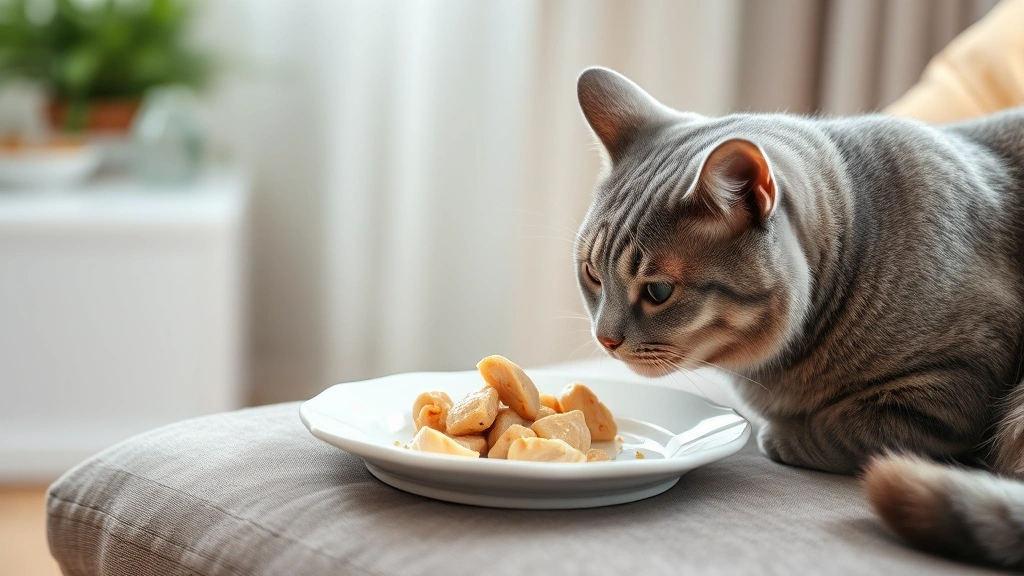
Cats are obligate carnivores, so they’re less interested in vegetables than dogs are—and that’s fine. Focus on protein-based human foods like chicken, salmon, and eggs for your senior cat. Dogs, being more omnivorous, can enjoy a wider variety of vegetables and fruits, though they still need plenty of protein.
Senior cats also have a higher risk of kidney disease, so discuss any dietary changes with your vet first. Dogs with senior pancreatitis need to avoid fatty foods, even if they’re otherwise safe. Personalization is key.
Dental Considerations: Soft vs. Crunchy
Many seniors have dental issues, so texture matters. If your pet has lost teeth or has dental disease, stick with soft foods like cooked sweet potato, pumpkin, salmon, and scrambled eggs. If they still have healthy teeth and enjoy crunching, raw carrots and the occasional apple slice can be great. Always supervise when they’re eating harder foods to ensure they’re chewing properly.
Hydration and Senior Pets
As pets age, they often drink less water, increasing the risk of kidney issues and dehydration. Wet human foods and bone broth can help increase water intake. This is one often-overlooked benefit of incorporating human foods into a senior’s diet—many of these foods have high water content that supports overall hydration.
Monitoring Your Senior’s Response
Keep a simple food journal for a few weeks after introducing human foods. Note what you’re offering, portion sizes, and your pet’s response. Are they more energetic? Is their coat shinier? Any digestive issues? This data is invaluable at vet checkups and helps you fine-tune what works best for your individual pet.
When to Consult Your Veterinarian
Before making significant dietary changes, especially for seniors with existing health conditions, consult your vet. Pets with diabetes, kidney disease, heart disease, or pancreatitis have specific dietary needs that might limit which human foods are appropriate. Your vet can provide personalized recommendations that align with your senior’s medical history and current medications.
Frequently Asked Questions
Can senior pets eat the same human foods as younger pets?
Mostly yes, but seniors often need softer textures and smaller portions. The principles are the same, but you might need to cook foods longer or cut them into smaller pieces. Additionally, seniors with specific health conditions might need to avoid certain foods that younger pets can tolerate fine.
How often can I give my senior pet human food?
Daily is fine as long as it stays within the 10% rule and you’re rotating foods to provide variety. Some senior pet parents offer a small portion of human food every meal, while others save it for special treats a few times a week. The frequency matters less than the total amount and nutritional balance.
Will human foods upset my senior’s stomach?
Possibly, especially if introduced too quickly. Senior digestive systems are sensitive, so go slowly and watch for signs of upset. If your senior develops diarrhea or vomiting, eliminate the new food immediately and return to their regular diet. Some seniors simply have more sensitive stomachs than others.
Are there human foods that help with senior pet joint pain?
Absolutely. Salmon (omega-3s), bone broth (collagen and gelatin), and carrots (natural anti-inflammatory compounds) are all excellent for joint health. Combined with appropriate supplements and exercise, these foods can genuinely help reduce stiffness and improve mobility in aging pets.
Can I give my senior pet table scraps?
Only if they’re plain and safe. Most table scraps contain seasoning, salt, or fat that isn’t appropriate for seniors. Instead, set aside a plain portion before seasoning your meal—that way you control exactly what goes into your pet’s bowl.
What’s the best way to introduce new human foods to a senior?
Start small—a teaspoon mixed into their regular food. Wait 3-5 days to ensure no digestive upset, then gradually increase the amount over a week. This slow introduction allows their digestive system to adjust and helps you identify any sensitivities.
Summary: Nourishing Your Senior Pet’s Golden Years
Senior pets deserve to enjoy their golden years with delicious, nutritious food that supports their aging bodies. The right senior pet-friendly human foods can improve joint health, support digestion, boost energy, and enhance quality of life. Sweet potatoes, salmon, pumpkin, carrots, blueberries, chicken, green beans, eggs, plain yogurt, and bone broth are all excellent choices when prepared properly and offered in appropriate portions.
Remember: human foods should complement, not replace, balanced commercial pet food. Start slowly, watch for digestive upset, and always consult your vet before making major dietary changes, especially if your senior has existing health conditions. With thoughtful food choices and proper portion control, you can help your aging companion enjoy their remaining years with vitality, comfort, and delicious meals that taste like love.
Your senior has given you years of companionship and unconditional love. These simple food choices are a small way to give back and ensure their sunset years are as comfortable and joyful as possible.





