

If you’re a handler with a service dog, you already know that a service dog vest isn’t just about looking official—it’s your dog’s badge of access, protection, and identity. But here’s the real talk: finding the right vest that actually fits your dog’s body, holds up to daily wear, and doesn’t make them overheat is harder than it sounds. You need function, durability, and yes, a vest that doesn’t make your dog look like they’re wearing a neon billboard.
A proper service dog vest communicates to the public that your dog is working, not a pet. It’s the difference between someone asking to pet your dog and someone stepping aside. Beyond that, a quality vest protects your dog’s harness, distributes weight evenly, and can include ID pockets and reflective strips for safety. The challenge? Balancing all these features with comfort and style.
Let’s break down what actually matters when choosing a service dog vest, how to fit it properly, and which styles work best for different situations and dog sizes.
What Is a Service Dog Vest and Why Your Dog Needs One
A service dog vest is a specially designed garment that sits on top of your dog’s harness and communicates their working status to the public. Think of it like a uniform—it tells people “this dog has a job” without you having to say a word. The vest typically includes patches that say “Service Dog” or “Do Not Pet,” ID pockets, and sometimes reflective strips for visibility.
Here’s why it matters beyond aesthetics. A vest serves multiple practical purposes:
- Legal signaling: Many states and businesses recognize vests as official markers of working dogs, which affects your dog’s access rights.
- Safety barrier: The vest creates a physical and psychological boundary that discourages strangers from petting or distracting your dog.
- Weight distribution: A well-designed vest spreads the load of any attached equipment (water bowls, medical alert systems, etc.) across your dog’s body instead of concentrating it on the neck or shoulders.
- Identification: Pockets for ID tags, medical info, and handler contact details are lifesavers if you’re separated from your dog.
- Harness protection: The vest shields your working harness from dirt, wear, and the elements, extending its lifespan.
According to the American Kennel Club (AKC), service dogs are individually trained to perform specific tasks or work for people with disabilities. That vest is part of their professional identity. Without it, your dog might be treated like a pet instead of a working partner, which can compromise their training and your safety.
Legal Requirements and Public Access Rights
Here’s where it gets tricky: there’s no federal law that requires your service dog to wear a vest. The Americans with Disabilities Act (ADA) defines a service dog by their training and task, not their appearance. However—and this is a big however—wearing a service dog vest makes your life significantly easier.
Why? Because businesses, landlords, and the public use the vest as visual confirmation. Without one, you’ll face more questions, more skepticism, and more confrontations. Some handlers report being asked to leave establishments or denied housing because they couldn’t prove their dog’s status. A vest doesn’t guarantee access, but it dramatically reduces friction.
Some states have specific regulations about service dog identification. A few states allow official registries (though the ADA doesn’t require one), and some vest manufacturers coordinate with state programs. Check your state’s disability services website to see if there are official requirements or recommendations.
The practical reality: get a vest. It’s not legally mandatory, but it’s practically essential for daily life with a service dog.
Types of Service Dog Vests: Finding Your Match
Not all service dog vest options are created equal. Your choice depends on your dog’s size, the climate you live in, your dog’s specific tasks, and your aesthetic preferences.
Standard Harness Vests
These are the most common type. They fit over your dog’s existing harness and typically have velcro or patch areas for ID patches. They’re usually made of nylon or canvas and come in various colors. Standard vests are affordable ($30–$80) and work for most situations. The downside? They can be bulky and don’t always distribute weight evenly if your dog wears additional equipment.
When you’re learning how to put a harness on your dog, remember that the vest goes on top, so practice both together.
Integrated Harness-Vest Combos
These are all-in-one systems where the vest and harness are one piece. They’re more expensive ($80–$200+) but offer superior weight distribution and a sleeker look. If your dog needs to wear equipment like medical alert devices or mobility assist gear, these combos are worth the investment. They’re also easier to put on if your dog has mobility issues or if you have limited hand strength.
Tactical/Heavy-Duty Vests
Built for working dogs in demanding environments (search and rescue, police work, etc.), these vests are rugged and often have multiple attachment points for gear. They’re usually $150–$400+. Unless your service dog is doing serious physical work, you probably don’t need this level of durability, but they do look impressive and last forever.
Cooling Vests
If you live in a hot climate or your dog gets anxious in warm weather, cooling vests use evaporative technology to keep your dog’s core temperature down. They’re pricier ($50–$150) but genuinely helpful for dogs prone to overheating. Soak them in water, and they stay cool for hours.
Lightweight Vests
Perfect for dogs who get hot easily or for summer wear, these are minimal designs that still communicate “working dog” without the bulk. They’re usually $20–$50 and great for layering different vests depending on season.
How to Fit a Service Dog Vest Properly
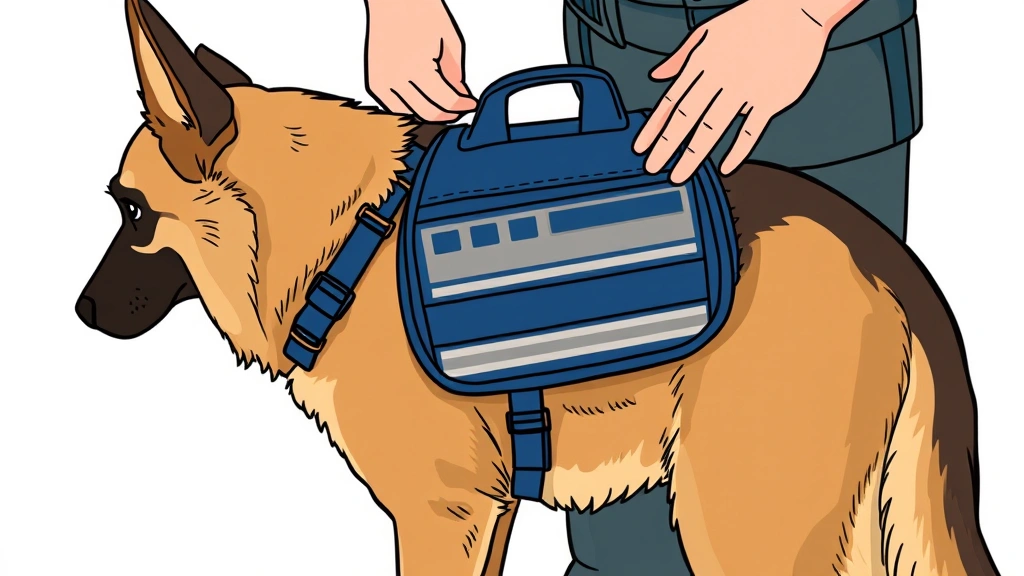
This is where most people mess up. A poorly fitted service dog vest can actually harm your dog—it can restrict movement, cause chafing, and make them uncomfortable enough to refuse to wear it. Here’s how to get it right.
Measure Your Dog
You need three measurements:
- Neck circumference: Measure around the base of your dog’s neck where a collar would sit. Add two fingers’ width for comfort.
- Chest circumference: Measure around the widest part of your dog’s chest, just behind the front legs. This is the most important measurement.
- Back length: Measure from the base of your dog’s neck to the base of their tail. This determines how much of their back the vest covers.
Write these down. Seriously. Don’t rely on your memory or your dog’s breed size alone—two Labs can have vastly different measurements.
The Fit Check
Once your vest arrives, put it on your dog with their harness underneath (if using a standard vest). The vest should:
- Sit snugly but not tightly. You should be able to fit two fingers under the straps.
- Not ride up on the neck or choke when your dog moves.
- Not slide side-to-side when your dog walks.
- Allow full range of motion in the front and back legs.
- Not cover your dog’s rear legs or tail (this restricts movement and looks awkward).
Have your dog walk, sit, and lie down in the vest. Watch for any signs of discomfort—ears back, reluctance to move, or trying to shake the vest off. If your dog hates it after a few minutes, the fit is probably wrong.
Adjustment Tips
Most vests have adjustable straps. Tighten them gradually over a few wearings rather than all at once. Your dog’s comfort during training directly affects their ability to focus on their tasks. If you’ve ever tried to concentrate while wearing something uncomfortable, you know why this matters.
For dogs with unusual body shapes (very deep chests, long backs, or short legs), look for brands that offer custom sizing or multiple size options within the same model.
Material and Durability: What Actually Lasts
The material you choose determines how long your service dog vest will actually survive daily wear. Here’s the breakdown:
Nylon
The most common material. Lightweight, water-resistant, and affordable. The problem? Nylon degrades in sunlight and can tear if your dog runs through brush. It’s fine for urban service dogs who mostly walk on sidewalks, but not ideal for dogs working in outdoor environments. Most nylon vests last 1–2 years with regular use.
Canvas
Durable and looks professional, but heavier than nylon. Canvas absorbs water, which means it takes forever to dry and can get moldy if not properly cared for. Canvas vests are great if you want longevity (3–5 years) and don’t mind the weight or maintenance. Learning how to properly bathe and dry your dog becomes important if you choose canvas, since you’ll need to keep the vest clean.
Mesh
Breathable and lightweight, perfect for hot climates. Mesh is less durable than canvas or nylon and typically lasts 1–2 years. It’s great for summer rotation but not a primary vest.
Ballistic Nylon
The premium option. Ballistic nylon is woven so densely that it’s almost tear-proof. It’s heavier than standard nylon but worth it if your dog works in rough terrain or if you want a vest that lasts 5+ years. Expect to pay more ($80–$150+), but the longevity pays off.
Pro tip: Check the stitching, not just the fabric. Even the best material falls apart if the seams are weak. Look for reinforced stitching at stress points (where straps attach, where the vest connects to the harness attachment points).
Style Meets Comfort: Looking Good While Working
Here’s the thing nobody talks about: your dog’s comfort directly affects how they perform their tasks. A dog who’s uncomfortable or overheating can’t focus on alerting you to medical changes, navigating obstacles, or providing mobility support. Style matters, but not at the expense of function.
Color Choices
Traditional service dog vests are red, blue, or black. These colors are recognized and respected. However, your dog doesn’t care about color—you do. If a bright orange vest makes you feel more confident and visible to traffic, that’s a valid reason to choose it. The psychological benefit to the handler matters.
That said, darker colors hide dirt better and look more professional in formal settings. If your dog works in hospitals, courtrooms, or corporate offices, a navy or black vest will blend in better than hot pink (even if hot pink is awesome).
Patch Visibility
Your vest patches need to be readable from at least 6 feet away. Make sure the text is large and contrasts with the background. Embroidered patches last longer than printed ones, but printed patches are cheaper. Consider your budget and how often you replace vests.
Reflective Elements
If your dog works at night or near traffic, reflective strips are non-negotiable. They’re not just for looks—they literally save lives. Some vests have reflective piping; others have full reflective panels. Either works, as long as you can see your dog from a car’s headlights.
Weight and Breathability
A vest that’s too heavy or doesn’t breathe will cause your dog to overheat, which directly impacts their ability to work. Heat stress in dogs can be serious and impair their cognitive function, which is especially critical for service dogs performing medical alerts or mobility tasks.
In warm climates, opt for lightweight mesh or cooling vests. In cold climates, you might prefer a thicker material, but remember that most service dogs already have their own coat. The vest should add minimal bulk.
Maintenance and Care for Longevity
Your service dog vest is an investment. Proper care extends its life and keeps it looking professional.
Cleaning
Most vests can be hand-washed in cool water with mild detergent. Avoid the washing machine—the agitation damages the patches and can weaken seams. For nylon and ballistic nylon, spot-cleaning with a damp cloth works for minor dirt.
Canvas vests need more careful drying. Hang them in the shade (not direct sunlight, which fades colors and weakens fabric). Never throw them in the dryer.
Patch Maintenance
Velcro patches wear out over time. If your vest uses velcro, replace it every 6–12 months or when it stops holding patches securely. Replacement velcro is cheap ($5–$10) and easy to apply.
Embroidered patches are permanent but can fray at the edges. A tiny bit of clear fabric glue on the edges prevents fraying.
Strap and Buckle Inspection
Check straps and buckles monthly. Look for fraying, cracks, or loose stitching. Tighten any loose threads before they become bigger problems. Replace plastic buckles if they crack—they’re cheap to replace but expensive to ignore.
Storage
Store your vest in a cool, dry place away from direct sunlight. If you have multiple vests (great idea for rotation), store them flat or on a hanger, not crumpled in a drawer. This prevents permanent creases and extends their lifespan.
Seasonal Rotation
If you live somewhere with distinct seasons, consider having two vests: a heavier one for winter and a lightweight one for summer. This reduces wear on any single vest and ensures your dog stays comfortable year-round.
Frequently Asked Questions
Can my service dog wear a vest in public places like restaurants and stores?
– Yes. The ADA allows service dogs in public accommodations, and a vest doesn’t change that right. In fact, a vest makes it less likely that a business will challenge your dog’s access. However, the vest itself isn’t what grants access—the dog’s training and task do. The vest just makes it obvious.
Do I need an official vest or can I make one myself?
– You can make one, and some handlers do. However, homemade vests rarely fit as well as commercial ones, and they may not look professional enough to avoid confrontations. If you’re handy with a sewing machine, a DIY vest can work as a backup, but invest in a quality commercial vest as your primary option.
How often should I replace my service dog’s vest?
– It depends on material and use. Nylon vests typically last 1–2 years; canvas lasts 3–5 years; ballistic nylon lasts 5+ years. Replace your vest when the material is torn, seams are failing, or patches are no longer readable. Don’t wait until it falls apart—a worn-out vest sends the wrong message about your dog’s professionalism.
What if my dog refuses to wear their vest?
– First, check the fit. An uncomfortable vest will always be refused. Second, introduce it gradually—let your dog wear it for short periods at home before expecting them to work in it. Use positive reinforcement (treats, praise) when they wear it. If your dog still refuses after a proper introduction, consult a trainer. Some dogs need desensitization work, especially if they had a negative experience with gear in the past.
Can I put my service dog’s vest in the washing machine?
– Not recommended. Machine washing damages patches, weakens seams, and can shrink some materials. Hand-wash or spot-clean instead. If you must machine-wash, use a delicate cycle, cold water, and a mesh bag. Air-dry only.
Is a vest required for my service dog to have public access rights?
– No. The ADA doesn’t require a vest. However, wearing one makes exercising your rights much easier. Without a vest, you’ll face more questions and may need documentation to prove your dog’s status. With a vest, most people won’t challenge you.
What’s the difference between a service dog vest and an emotional support animal vest?
– Legally, there’s no official difference. However, service dog vests are designed for dogs performing specific trained tasks, while ESA vests are often worn by dogs whose presence alone provides comfort. The real difference is the dog’s training and function, not the vest. That said, using a service dog vest for a non-service dog is misleading and contributes to public skepticism about legitimate service dogs.
Can I use the same vest for multiple dogs?
– Only if they’re similar sizes. A vest that’s too big or too small will fit poorly and could actually harm your dog’s movement or comfort. If you have multiple service dogs of different sizes, get a vest for each dog. They’re not that expensive compared to the cost of a dog’s medical care if they’re injured due to a poorly fitting vest.
Are there vests for specific dog sizes or breeds?
– Yes. Most reputable manufacturers offer vests in multiple sizes: XS, S, M, L, XL, and sometimes XXL. Some brands also offer breed-specific cuts for dogs with unusual body shapes (like Dachshunds or Bulldogs). Always measure your individual dog rather than assuming their breed size.
What should I look for in a quality service dog vest?
– Look for reinforced stitching, quality material (ballistic nylon or heavy canvas), adjustable straps for proper fit, reflective elements for safety, multiple ID pockets, and patches that are embroidered rather than printed. The vest should allow full range of motion and not restrict your dog’s ability to perform their tasks. Read reviews from other service dog handlers—they’re usually honest about what works and what doesn’t.
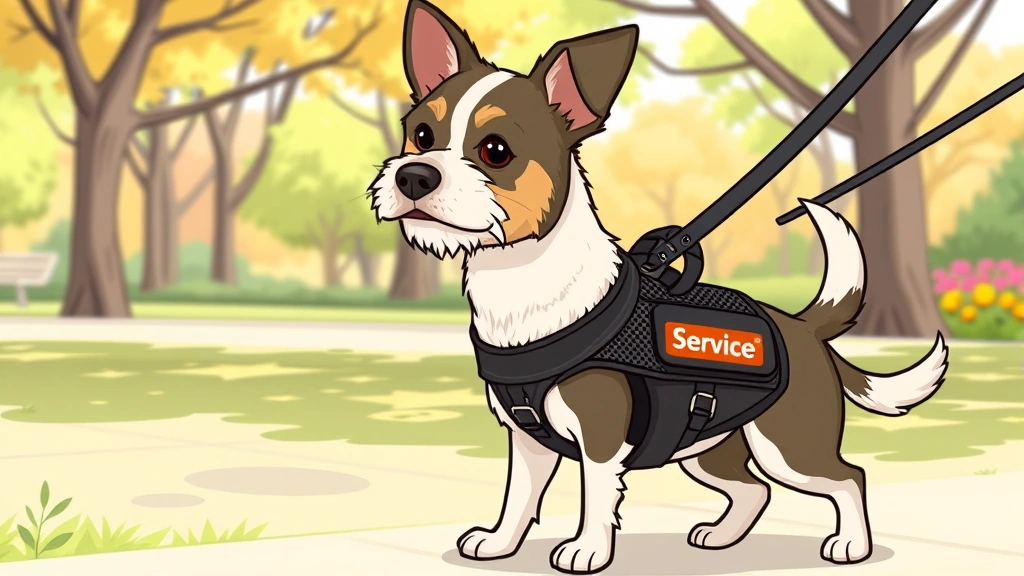
Understanding your service dog’s needs is part of being a great handler. Just like understanding why your dog puts their paw on you helps you interpret their communication, choosing the right service dog vest shows you’re paying attention to their comfort and professional identity. Your dog relies on you to make smart gear choices, and they’ll perform better when they’re comfortable and properly equipped.
A quality service dog vest is an investment in your dog’s working life and your own peace of mind. Take time to measure properly, choose the right material for your climate, and maintain your vest regularly. Your dog’s job depends on it.





