
Should Dogs Drink Gatorade? Vet-Approved Advice
As a dog owner, you’ve probably wondered whether your furry friend can enjoy the same beverages you do. When your pup seems thirsty after playtime or a trip to the park, it’s natural to consider reaching for that bottle of Gatorade sitting in your fridge. But before you share your sports drink with Fido, it’s important to understand what veterinarians recommend about this popular beverage and your dog’s hydration needs.
The question of whether dogs can drink Gatorade is more nuanced than a simple yes or no. While small amounts of Gatorade won’t typically cause immediate harm to most dogs, it’s generally not recommended as a regular drink option. Understanding the ingredients, potential risks, and better alternatives will help you make informed decisions about your dog’s hydration and overall health.
In this comprehensive guide, we’ll explore what veterinarians say about Gatorade for dogs, examine the ingredients that might be concerning, and discuss healthier hydration options for your beloved companion. Whether you’re dealing with a particularly active dog or one recovering from illness, you’ll find practical advice to keep your pup properly hydrated and healthy.
Gatorade Ingredients and Your Dog
To understand whether dogs should have Gatorade, let’s first examine what’s actually in this popular sports drink. Gatorade contains water, carbohydrates (usually high fructose corn syrup or sugar), electrolytes like sodium and potassium, citric acid, natural and artificial flavors, and various additives depending on the variety you purchase.
The primary concern for veterinarians isn’t necessarily the electrolytes themselves, but rather the combination of ingredients and the quantities involved. Dogs have different nutritional requirements than humans, and their bodies process certain compounds differently. While the electrolyte content in Gatorade is designed for human athletes, it may not align with what your dog’s system actually needs.
Most commercial Gatorade products contain between 21-34 grams of sugar per 20-ounce bottle, which is substantial for dogs of any size. This high sugar content is formulated to provide quick energy for human athletes during intense exercise, but dogs don’t require this type of rapid glucose boost in the same way humans do.
According to the Association of American Feed Control Officials (AAFCO), dogs require specific mineral ratios and nutrient balances that are carefully regulated in proper dog foods and supplements. Gatorade wasn’t formulated with canine nutrition in mind, which is why veterinarians typically recommend alternatives.
The Sugar Problem
The most significant concern with giving Gatorade to dogs is the sugar content. Dogs don’t need added sugars in their diet, and excessive sugar consumption can lead to several health problems over time. Regular consumption of sugary drinks can contribute to weight gain, dental problems, and increased risk of diabetes in dogs.
Obesity in dogs is a serious health concern, affecting approximately 56% of dogs in the United States according to veterinary surveys. When dogs consume high-sugar beverages like Gatorade regularly, they take in empty calories that don’t provide nutritional value but do contribute to weight gain. This excess weight puts stress on joints, the heart, and other vital organs.
Additionally, sugar feeds harmful bacteria in your dog’s mouth, leading to plaque buildup, tooth decay, and gum disease. Dogs are already prone to dental issues, and adding sugary drinks to their diet accelerates these problems. Dental disease in dogs can eventually lead to tooth loss and serious infections if left untreated.
If your dog is already overweight or has a history of diabetes or metabolic issues, Gatorade is definitely not an appropriate beverage choice. Even for healthy dogs, regular consumption of sugary drinks isn’t recommended by veterinary professionals.
Electrolytes: Do Dogs Need Them?
One argument some people make in favor of giving dogs Gatorade is the electrolyte content. However, this reasoning is based on a misunderstanding of canine nutritional needs. Dogs don’t need electrolyte replacement the way human athletes do, especially not from a sports drink.
Healthy dogs get adequate electrolytes from their regular diet. Commercial dog foods are formulated to contain appropriate levels of sodium, potassium, and other essential minerals. Unless your dog has a specific medical condition requiring electrolyte supplementation, they don’t need additional electrolytes from beverages.
In certain situations—such as when a dog is recovering from severe vomiting, diarrhea, or heat exhaustion—electrolyte balance becomes important. However, in these cases, veterinarians recommend specialized solutions designed specifically for dogs, not human sports drinks. Veterinary electrolyte solutions are formulated with the correct mineral ratios for canine physiology and are often prescribed by vets in appropriate doses.
The sodium content in Gatorade is also a consideration. Dogs with certain health conditions, such as heart disease or hypertension, need to avoid excessive sodium intake. Gatorade contains 110-160 mg of sodium per serving, which could be problematic for dogs with these conditions.
Artificial Sweeteners and Xylitol
While most traditional Gatorade varieties contain sugar, many “diet” or “zero sugar” versions use artificial sweeteners instead. This is where things become potentially dangerous for dogs. Some artificial sweeteners, particularly xylitol, are toxic to dogs and can cause serious health problems.
Xylitol is a sugar alcohol used in many sugar-free products as a sweetener. It’s safe for humans but highly toxic to dogs. When dogs consume xylitol, it causes a rapid insulin release that leads to severe hypoglycemia (low blood sugar). Even small amounts of xylitol can cause vomiting, loss of coordination, seizures, and in severe cases, liver failure and death.
Always check the ingredient list of any beverage before giving it to your dog. If you see xylitol listed, absolutely do not allow your dog to consume it. This is one of the most important things dog owners need to know about common household items that are toxic to pets.
Fortunately, most regular Gatorade varieties don’t contain xylitol, but the sugar-free versions often do. This makes sugar-free Gatorade potentially more dangerous than the regular version, despite seeming like a healthier option. When in doubt, stick with plain water or veterinarian-approved hydration solutions.
When Gatorade Might Be Appropriate
While Gatorade isn’t recommended as a regular beverage for dogs, there are rare situations where a small amount might be given under veterinary guidance. In cases of severe dehydration from heat exposure, exercise, or illness, a veterinarian might suggest diluted Gatorade as a temporary measure while waiting to administer proper IV fluids or specialized electrolyte solutions.
If your dog has experienced heat exhaustion or severe dehydration, the immediate priority is getting them to a veterinarian. Professional medical care is essential, and your vet can determine whether any supplemental hydration support is needed and what form it should take.
For dogs recovering from gastroenteritis or other conditions causing fluid loss, veterinarians often recommend alternatives like coconut water in very small amounts, or more commonly, specialized veterinary rehydration solutions. These are specifically formulated for dogs and provide the right balance of electrolytes without excessive sugar.
Never give your dog Gatorade as a substitute for veterinary care. If you’re concerned about your dog’s hydration status or they’ve experienced a situation that might cause dehydration, contact your veterinarian immediately rather than attempting home treatment.
Better Hydration Alternatives
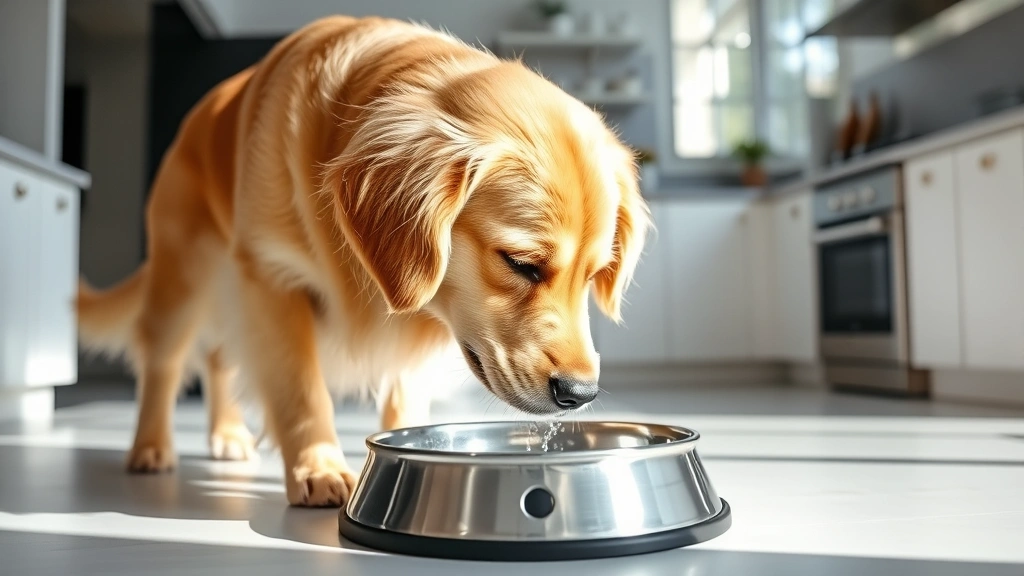
The best way to keep your dog hydrated is simple: provide fresh, clean water at all times. This is the gold standard for canine hydration and is all most healthy dogs need. Water has no calories, no sugar, no artificial ingredients—just pure hydration.
If you’re concerned about whether your dog is drinking enough water, there are several strategies to encourage increased water intake. Some dogs prefer running water, so a dog water fountain might encourage them to drink more. Others like ice chips or frozen water treats, which provide hydration in a fun format.
For dogs that seem uninterested in plain water, you can try adding a small amount of low-sodium broth (chicken or beef) to their water bowl. This adds flavor without the sugar and artificial ingredients found in sports drinks. Always use broth specifically made for dogs or ensure any broth you use contains no onions or garlic, which are toxic to dogs.
Another excellent option is monitoring your dog’s water intake and ensuring they have access to water throughout the day, especially during and after exercise. Wet foods like canned dog food also contribute to overall hydration, as they contain significant moisture content.
For dogs recovering from illness or diarrhea, veterinarians often recommend a bland diet combined with appropriate hydration. If your dog is experiencing digestive issues requiring dietary adjustment, consult your vet about appropriate hydration strategies rather than self-treating with sports drinks.
According to the ASPCA, the best approach to pet hydration is prevention through consistent access to fresh water and monitoring your dog’s drinking habits for any unusual changes.
Signs Your Dog Is Dehydrated
Understanding the signs of dehydration in dogs is important for recognizing when your pup needs more water or veterinary attention. Common signs include excessive panting, dry nose and gums, lethargy, loss of appetite, and sunken eyes. In severe cases, dehydrated dogs may experience weakness, collapse, or loss of consciousness.
A simple test you can perform at home is the skin turgor test. Gently pull up the skin on the back of your dog’s neck. In a well-hydrated dog, the skin should snap back into place immediately. If it takes several seconds to return to normal, your dog may be dehydrated.
Another indicator is checking your dog’s gums. Healthy gums should be moist and pink. If they feel dry or sticky, dehydration may be occurring. These signs warrant immediate veterinary attention, especially if accompanied by other symptoms like vomiting or diarrhea.
Certain dogs are more prone to dehydration, including puppies, senior dogs, and those with chronic health conditions. During hot weather or after vigorous exercise, monitor these dogs more carefully for signs of dehydration. Always ensure fresh water is readily available in these situations.
The American Kennel Club (AKC) recommends that dog owners be familiar with these dehydration signs and contact a veterinarian immediately if they suspect their dog is dehydrated.
Frequently Asked Questions
Can I give my dog a small amount of Gatorade?
A very small amount of regular Gatorade (not sugar-free) won’t typically cause immediate harm to most dogs, but it’s not recommended as a regular practice. The high sugar content and unnecessary additives make it a poor choice for canine hydration. Plain water is always the better option. If your dog accidentally consumed a small amount, monitor them for any signs of digestive upset, but no emergency treatment is usually necessary.
Is sugar-free Gatorade safer for dogs?
No, sugar-free Gatorade is potentially more dangerous than regular Gatorade. Many sugar-free versions contain xylitol, which is toxic to dogs and can cause severe hypoglycemia, liver damage, and death. Always check the ingredients before giving any sugar-free product to your dog, and avoid it entirely if xylitol is listed.
What should I give my dog instead of Gatorade?
Plain, fresh water is the best choice for your dog’s hydration. If you want to add flavor, try low-sodium broth made for dogs. For dogs recovering from illness, ask your veterinarian about specialized electrolyte solutions designed for canine use. These provide appropriate nutrition without the sugar and additives found in human sports drinks.
Can Gatorade help with my dog’s dehydration?
While Gatorade contains water and electrolytes, it’s not an appropriate treatment for dehydration in dogs. If your dog is dehydrated, contact your veterinarian immediately. They can determine the cause of dehydration and provide appropriate treatment, which may include IV fluids or specialized veterinary solutions. Gatorade should never be used as a substitute for professional veterinary care.
My dog drank some Gatorade. Should I be concerned?
A small amount of regular Gatorade typically won’t cause serious harm. Monitor your dog for signs of digestive upset like vomiting or diarrhea. However, if your dog consumed sugar-free Gatorade containing xylitol, contact your veterinarian or poison control immediately, as this is a medical emergency requiring prompt treatment.
Are there any dogs that shouldn’t have Gatorade?
All dogs should avoid Gatorade, but certain dogs are at higher risk if they do consume it. Dogs with obesity, diabetes, heart disease, or other chronic health conditions should never have Gatorade. Senior dogs and puppies should also avoid it. If your dog has any health conditions, discuss appropriate hydration options with your veterinarian.
What about homemade electrolyte solutions for dogs?
While some people recommend homemade electrolyte solutions, it’s best to consult with your veterinarian before making these. The mineral ratios must be correct to be beneficial and safe. Veterinary-formulated electrolyte solutions are more reliable and appropriate than homemade versions for most situations requiring electrolyte supplementation.





