
Can Dogs Eat Bread? What Pet Experts Say
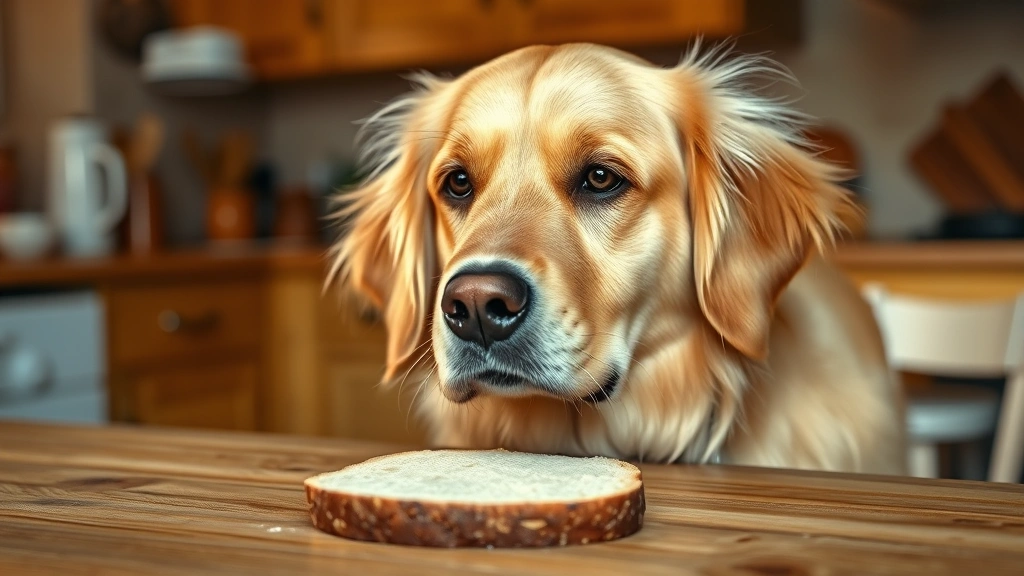
Your golden retriever gives you those irresistible puppy-dog eyes while you’re making a sandwich, and suddenly you’re wondering: can dogs actually eat bread? It’s one of those questions that seems simple on the surface but has more layers than a sourdough loaf. The truth is, bread isn’t inherently toxic to dogs, but it’s not exactly a nutritional powerhouse either. Understanding the nuances of feeding bread to your furry friend is essential for keeping them healthy and happy.
Pet owners often assume that if something is safe for humans, it must be safe for dogs too. However, our canine companions have different dietary needs and digestive systems than we do. While plain, unseasoned bread won’t poison your pup, there are important considerations you should know before tossing them a slice. From portion sizes to ingredient concerns, we’ll break down everything you need to know about bread and your dog’s diet.
Whether you’re a first-time dog owner or a seasoned pet parent, this comprehensive guide will help you make informed decisions about what your dog eats. Let’s dig into the details and discover what veterinarians recommend about dogs and bread consumption.
Is Bread Safe for Dogs?
The short answer is: yes, plain bread is generally safe for dogs in small amounts. However, “safe” doesn’t mean “recommended” or “beneficial.” According to the American Kennel Club, plain, cooked bread without added ingredients poses no immediate danger to most healthy dogs. That said, bread should never become a staple in your dog’s diet or replace their regular, nutritionally balanced dog food.
When we talk about bread being safe, we’re specifically referring to plain varieties without any problematic add-ins. Your dog’s digestive system can process bread, but their bodies don’t require it. Dogs are facultative carnivores, meaning while they can eat grains and other foods, they thrive best on a diet rich in high-quality proteins and balanced nutrients. Think of bread more as an occasional treat rather than a dietary necessity.
The key factor in bread safety is understanding the difference between bread being non-toxic and bread being appropriate for your dog’s nutritional needs. Just because something won’t harm your pet doesn’t mean you should make it a regular part of their meals. Many dog owners unknowingly contribute to weight gain and nutritional imbalances by offering too many “safe” human foods.
Nutritional Value and Concerns
Here’s where things get interesting: bread is essentially empty calories for dogs. A typical slice of white bread contains roughly 80-100 calories but offers minimal nutritional benefit to your canine companion. Most commercial breads lack the essential amino acids, vitamins, and minerals that dogs need to thrive. When your dog eats bread, they’re getting carbohydrates and sometimes fiber, but these aren’t typically lacking in a quality dog food diet.
One of the primary concerns with bread is its carbohydrate content. Dogs don’t have the same carbohydrate requirements as humans do, and excessive carbs can contribute to obesity and related health issues. The ASPCA emphasizes that overweight dogs face increased risks of diabetes, joint problems, and heart disease. If your dog is already struggling with weight management, bread is definitely not your friend.
Additionally, many commercial breads contain added sugars, salt, and preservatives that aren’t ideal for dogs. Some breads are enriched with vitamins and minerals meant for human consumption, which can throw off your dog’s nutritional balance if consumed in significant quantities. This is why checking ingredient lists is crucial before offering any bread to your pup.
Types of Bread to Avoid
Not all breads are created equal, and some varieties are downright dangerous for dogs. This is where your diligence as a pet parent really matters. Certain ingredients commonly found in bread can cause serious health complications, ranging from mild digestive upset to life-threatening emergencies.
Bread with Xylitol: This is the big one. Xylitol is an artificial sweetener used in some “sugar-free” or “keto” breads, and it’s extremely toxic to dogs. Even small amounts can cause rapid insulin release, leading to hypoglycemia, liver failure, and death. Always check labels carefully—this ingredient is a veterinary emergency.
Garlic and Onion Bread: Garlic and onions contain compounds called thiosulfates that damage dogs’ red blood cells, causing hemolytic anemia. Any bread containing these ingredients should be completely off-limits. This includes garlic bread, focaccia with onions, and specialty breads with these seasonings.
Bread with Raisins or Macadamia Nuts: Both of these ingredients are toxic to dogs. Raisin bread, whole grain breads with nuts, and specialty baked goods containing these items can cause kidney damage and other serious health issues. Always assume any bread with mix-ins is potentially dangerous unless you’ve verified every single ingredient.
Moldy or Fermented Bread: Moldy bread can contain mycotoxins, which are toxic compounds produced by fungi. Additionally, raw dough or dough that’s actively fermenting can expand in your dog’s stomach, causing bloat and gastric dilatation-volvulus—a life-threatening emergency. Never give your dog unbaked dough or bread that shows any signs of mold.
Heavily Salted or Seasoned Bread: Excessive salt can lead to sodium toxicity, and various seasonings like nutmeg or excessive garlic powder can cause digestive distress or worse. Stick to plain varieties if you must share bread with your pup.
When considering whether bread is bad for dogs, it’s essential to evaluate the specific type and ingredients. Your dog’s safety depends on these distinctions.

Safe Bread Options for Dogs
If you’re determined to share bread with your dog, there are safer choices available. The best bread for dogs is plain, unseasoned, and made with simple, recognizable ingredients. Let’s explore some options that are less likely to cause problems.
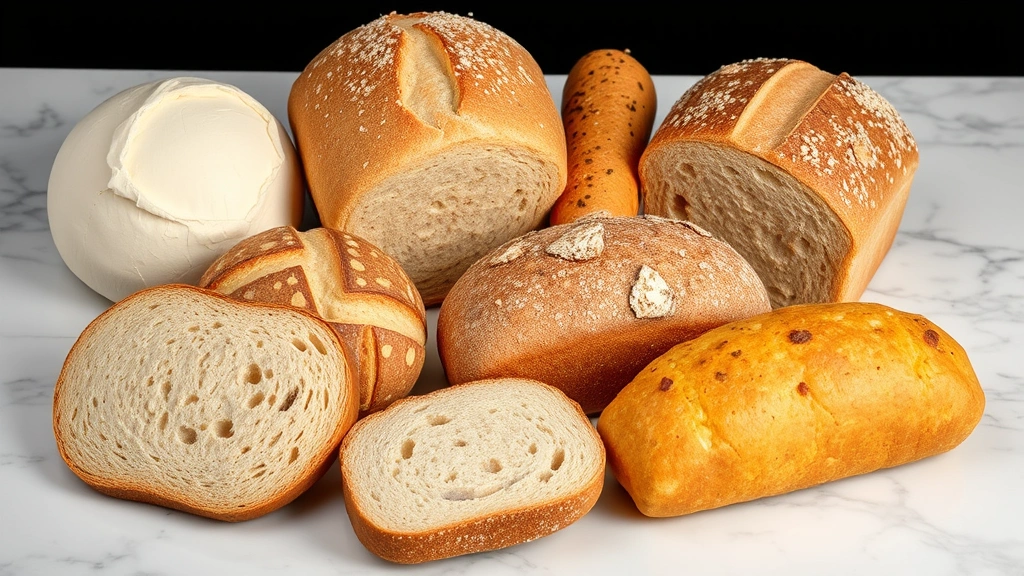
Plain White Bread: The most basic white bread, made with just flour, water, yeast, and salt, is generally safe in small quantities. While it’s not nutritionally dense, it won’t harm most healthy dogs. However, it’s still mostly empty calories, so don’t make it a habit.
Plain Whole Wheat Bread: If you’re going to offer bread, whole wheat varieties are marginally better than white bread. They contain more fiber and nutrients, though the difference isn’t dramatic. Many pet owners wonder about whether dogs can eat whole wheat bread, and the answer is yes—in moderation. Some whole wheat varieties may be easier on your dog’s digestive system than refined options.
There’s also the question of whether dogs can eat wheat bread specifically. Plain wheat bread without added ingredients is safe, though it should still be an occasional treat rather than a dietary staple.
Sourdough Bread: Many pet owners ask about sourdough bread for dogs, and plain sourdough is technically safe. The fermentation process may make it slightly easier to digest, though this benefit is minimal. The key word here is “plain”—no seeds, no extra salt, no toppings.
Specialty Breads: What about cornbread for dogs? Plain cornbread without sugar, honey, or other problematic ingredients might be okay in tiny amounts, but it’s typically loaded with added sugars and fats, making it a poor choice for your pup.
The golden rule: if you can’t pronounce an ingredient or aren’t sure what it is, don’t give it to your dog. When in doubt, consult your veterinarian before introducing any new food to your pet’s diet.
How Much Bread Can Dogs Eat?
Even if bread is safe for your dog, quantity matters tremendously. The general rule of thumb is that treats (including bread) should comprise no more than 10% of your dog’s daily caloric intake. The remaining 90% should come from complete and balanced commercial dog food that meets their nutritional needs.
For most dogs, this means an occasional small piece of plain bread is acceptable. For a small dog weighing 10-15 pounds, a single small piece once in a while is plenty. For a large dog weighing 60-80 pounds, maybe a small slice occasionally. The key word is “occasionally”—not daily, not weekly, but perhaps once a month or even less frequently.
Consider your dog’s overall diet and health status. If your dog is overweight, has digestive issues, or suffers from diabetes, bread should be avoided entirely. If your dog has a sensitive stomach, introducing bread could cause unnecessary problems. Always prioritize your individual dog’s health needs over the desire to share human foods.
It’s also worth noting that bread can be filling without providing adequate nutrition. If your dog fills up on bread, they might eat less of their regular dog food, creating nutritional imbalances. This is especially problematic for puppies and senior dogs who have specific nutritional requirements.
Signs of Bread-Related Problems
Even with careful consideration, some dogs may have negative reactions to bread. Knowing what to watch for can help you catch problems early and prevent serious complications.
Digestive Issues: Vomiting, diarrhea, or constipation after eating bread indicates your dog’s digestive system didn’t handle it well. Some dogs simply have sensitivities to grains or bread products. If this happens, eliminate bread from their diet immediately.
Allergic Reactions: While wheat allergies in dogs are less common than people think, they do occur. Signs include itching, skin irritation, ear infections, or gastrointestinal upset. If you notice these symptoms after introducing bread, consult your veterinarian.
Weight Gain: If you’re regularly offering bread and noticing your dog gaining weight, it’s time to reassess. Extra weight is a serious health concern in dogs and can lead to numerous complications.
Behavioral Changes: Some dogs become lethargic or hyperactive after eating certain foods. If you notice personality changes coinciding with bread consumption, it might be worth investigating with your vet.
Bloating or Abdominal Discomfort: If your dog seems uncomfortable, pants excessively, or appears to have an unusually distended abdomen after eating bread, seek veterinary attention. Bloat can be life-threatening.
According to veterinary experts at UC Davis School of Veterinary Medicine, monitoring your dog’s response to new foods is crucial. If you’re ever unsure, contact your veterinarian before introducing bread to your dog’s diet.
Understanding your dog’s individual health status and dietary needs is essential. Just because bread didn’t cause problems for your friend’s dog doesn’t mean it’s right for yours. Every dog is unique, with different sensitivities, allergies, and nutritional requirements.
Frequently Asked Questions
Can puppies eat bread?
Puppies have different nutritional needs than adult dogs and should stick to high-quality puppy food formulated for their growth and development. Bread offers no benefit and can fill them up without providing necessary nutrients. It’s best to avoid bread entirely for puppies.
Is bread bad for dogs with diabetes?
Yes, bread should be avoided for diabetic dogs. The carbohydrates in bread can spike blood sugar levels, making diabetes management more difficult. Always consult your veterinarian about appropriate treats for diabetic dogs.
Can dogs eat bread crusts?
Plain bread crusts are no more or less safe than regular bread—they’re just harder. Some dogs might have difficulty chewing crusts, and they still offer minimal nutritional value. If you do offer crusts, make sure they’re from plain, unseasoned bread.
What should I do if my dog eats bread with xylitol?
This is a veterinary emergency. Contact your veterinarian or ASPCA Animal Poison Control immediately. Provide information about the amount consumed and the product. Don’t wait for symptoms to appear—seek help right away.
Are there better treat alternatives to bread?
Absolutely! Healthier treat options include plain cooked chicken, carrots, green beans, apples (without seeds), and commercially available dog treats formulated for optimal nutrition. These alternatives provide actual health benefits without the empty calories.
Can I use bread as a training treat?
While small pieces of plain bread won’t hurt occasionally, there are much better training treat options. Look for small, low-calorie dog treats specifically designed for training. These often provide better nutritional value and are less filling, allowing your dog to continue training without consuming too many calories.
What about homemade bread made specifically for dogs?
If you make bread specifically formulated for dogs (without harmful ingredients), it might be slightly better than regular human bread. However, even dog-specific bread should be an occasional treat, not a dietary staple. Always verify recipes with your veterinarian before making homemade dog food.
Is bread bad for dogs with grain sensitivities?
Yes, bread made with grains can be problematic for dogs with grain sensitivities. If your dog has a grain allergy or sensitivity, avoid all grain-based breads. Work with your veterinarian to identify appropriate foods for your dog’s specific dietary needs.





