

Should dogs eat ice? It’s one of those questions that seems simple on the surface, but the answer is actually more nuanced than a simple yes or no. Many dog owners toss ice cubes to their pups on hot summer days without a second thought, while others worry it might cause harm. Let’s dig into what veterinarians actually say about this frozen treat and whether your furry friend can safely enjoy it.
Table of Contents
- The Short Answer: Yes, But With Caveats
- Why Dogs Love Ice (And Why You Shouldn’t Be Surprised)
- Potential Risks: When Ice Becomes Problematic
- Safe Ways to Serve Ice to Your Dog
- Special Populations: When Ice Isn’t Ideal
- The Hydration Question: Is Ice a Good Water Source?
- Frozen Treat Alternatives That Veterinarians Recommend
- Temperature Concerns: Can Ice Cause Brain Freeze in Dogs?
- What Veterinary Organizations Say
- Red Flags: When to Contact Your Vet
- Making the Decision for Your Dog
- Frequently Asked Questions
- Final Thoughts: A Balanced Approach
The Short Answer: Yes, But With Caveats
Dogs can eat ice in moderation, and for most healthy adult dogs, plain ice cubes are perfectly safe. However, there are important exceptions and considerations that every responsible pet owner should understand. The key is knowing your individual dog’s health status, age, and risk factors before you start handing out frozen treats like they’re going out of style.
Why Dogs Love Ice (And Why You Shouldn’t Be Surprised)
If you’ve ever watched your dog’s eyes light up at the sound of ice clinking into a glass, you’re not alone. Dogs are drawn to ice for several reasons. First, it’s cold and refreshing—especially appealing during hot weather when dogs are looking for ways to cool down. Second, ice provides sensory stimulation; the texture and the way it cracks and breaks keeps their minds engaged. Third, chewing ice can feel satisfying to dogs, similar to how humans might enjoy crunching on ice during a hot day.
The novelty factor also plays a role. If you don’t regularly give your dog ice, it becomes an exciting treat rather than just another snack. This psychological appeal is why so many dogs will enthusiastically accept ice cubes from their owners.
Potential Risks: When Ice Becomes Problematic
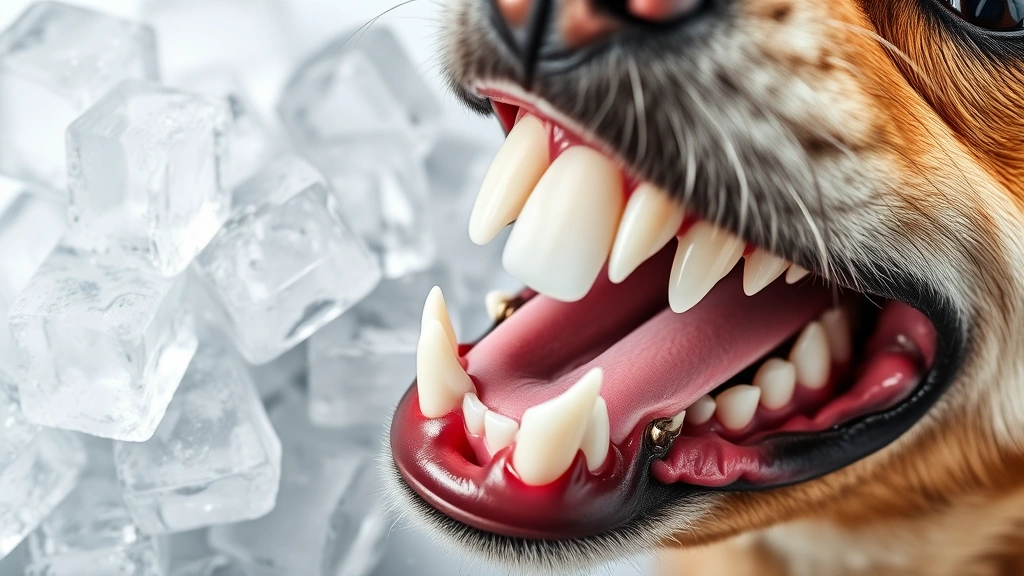
While plain ice is generally safe, there are legitimate concerns pet owners should consider. The most significant risk involves dental damage. Some dogs are aggressive chewers, and repeatedly crunching on hard ice can crack or fracture their teeth. Older dogs with existing dental issues are particularly vulnerable to this problem. If your dog has a history of broken teeth or dental disease, ice might not be the best choice.
Another consideration is gastrointestinal upset. Consuming large amounts of ice can cause stomach irritation, especially if your dog gulps it down without proper chewing. Some dogs may experience vomiting or diarrhea after eating too much ice. Additionally, ice can potentially cause bloat or gastric dilatation-volvulus (GDV) in susceptible breeds, particularly large and deep-chested dogs like German Shepherds and Great Danes, though this is relatively rare.
There’s also the matter of choking hazard. If your dog tries to swallow large ice chunks whole, there’s a risk of airway obstruction, particularly in smaller breeds or dogs that don’t chew thoroughly.
Safe Ways to Serve Ice to Your Dog
If you want to give your dog ice, do it responsibly. Here are evidence-based guidelines:
Choose the right size: Offer small ice cubes or crushed ice rather than large chunks. This reduces choking risk and makes it easier for your dog to chew safely without damaging their teeth.
Supervise playtime: Never leave your dog alone with ice. Watch them to ensure they’re chewing properly and not attempting to swallow large pieces whole.
Limit quantity: Treat ice as an occasional treat, not a dietary staple. A few ice cubes on a hot day is fine; giving your dog ice as a meal replacement is not.
Consider your dog’s health: If your dog has dental problems, is a senior, or has a history of GDV, consult your veterinarian before offering ice. For dogs with sensitive teeth, ice might cause discomfort.
Mix it up: Consider alternatives like frozen broth (low-sodium), frozen plain yogurt, or frozen watermelon chunks. These offer similar cooling benefits with added nutritional value. Check out our guide on Is Goats Milk Good for Dogs for more frozen treat ideas.
Special Populations: When Ice Isn’t Ideal
Certain dogs should avoid ice altogether or consume it only under veterinary supervision. Puppies have developing teeth and may be more prone to dental damage. Senior dogs often have pre-existing dental issues that ice can exacerbate. Dogs with a history of bloat should definitely avoid ice, as the sudden cold and potential gas production can trigger this life-threatening condition.
Dogs with pancreatitis should also be cautious, as extremely cold foods can sometimes irritate the pancreas. Similarly, dogs with sensitive stomachs or inflammatory bowel disease may experience flare-ups after consuming ice.
If your dog falls into any of these categories, talk to your vet before offering ice. Your veterinarian knows your dog’s complete health history and can provide personalized recommendations.
The Hydration Question: Is Ice a Good Water Source?
Some pet owners wonder if giving their dog ice counts toward their daily water intake. The short answer is: not really. While ice is frozen water, it doesn’t replace regular drinking water. Dogs need to consume water in liquid form to properly hydrate. Ice takes time to melt and may not be absorbed as efficiently as liquid water. During hot weather, always ensure your dog has access to fresh, cool water in addition to any ice treats you might offer.
For comprehensive nutrition guidance, consider reviewing our article on Is Fresh Pet Good for Dogs to understand how different food and treat options fit into a balanced diet.
Frozen Treat Alternatives That Veterinarians Recommend
If you’re hesitant about ice but want to offer your dog something cold and refreshing, several alternatives are safer and more nutritious:
Frozen broth: Low-sodium chicken or beef broth frozen in ice cube trays provides hydration and flavor without the dental risks of plain ice.
Frozen fruits: Watermelon, blueberries, and strawberries can be frozen and offered in small portions. They provide vitamins and fiber.
Frozen vegetables: Carrots and green beans are naturally crunchy and can satisfy your dog’s chewing urge while being gentler on teeth than ice.
Frozen yogurt: Plain, unsweetened yogurt frozen in ice cube trays offers probiotics and calcium. Avoid anything with xylitol, which is toxic to dogs.
Frozen pumpkin: Puree pumpkin and freeze it for a treat that’s both cooling and beneficial for digestive health.
Temperature Concerns: Can Ice Cause Brain Freeze in Dogs?
You’ve probably experienced brain freeze—that sharp headache from eating ice cream too quickly. Can dogs get it? Technically yes, though it’s rare and usually mild. Dogs have a palate and throat similar to humans, so rapid consumption of very cold substances can trigger the same nerve response. However, most dogs are less sensitive to this sensation than humans, and it’s not typically a serious concern. That said, encouraging slower consumption of ice by offering smaller pieces can help avoid any discomfort.
What Veterinary Organizations Say
The American Veterinary Medical Association (AVMA) doesn’t specifically prohibit ice for dogs, recognizing that plain ice is generally safe for most healthy adult dogs. However, the American Kennel Club recommends caution with aggressive chewers and notes the potential for dental fractures. PetMD suggests that while ice is usually okay, frozen treats should be given in moderation and with supervision.
These organizations emphasize that context matters—your individual dog’s age, health status, and chewing behavior should guide your decision more than blanket rules.
Red Flags: When to Contact Your Vet
If your dog consumes ice and you notice any of these signs, contact your veterinarian:
• Broken or cracked teeth
• Persistent vomiting or diarrhea
• Signs of bloat (distended abdomen, restlessness, unproductive retching)
• Choking or difficulty swallowing
• Excessive drooling or mouth pain
• Behavioral changes suggesting pain

Don’t wait to see if symptoms resolve on their own—veterinary attention is warranted if you suspect ice has caused injury.
Making the Decision for Your Dog
Ultimately, whether your dog should eat ice depends on their individual circumstances. Ask yourself these questions:
• Is my dog a gentle chewer or aggressive chewer?
• Does my dog have any pre-existing dental issues?
• Is my dog prone to bloat or stomach problems?
• Is my dog a senior or very young?
• Can I supervise ice consumption?
• Are there safer frozen alternatives my dog would enjoy?
If you answered yes to most of the risk questions, ice probably isn’t the best choice. If your dog is young, healthy, and a moderate chewer, occasional ice treats are likely fine. When in doubt, your veterinarian is your best resource for personalized advice.
For more information on dog nutrition and treat safety, check out our review of Is Victor Dog Food Good to understand quality nutrition standards for your pet.
Frequently Asked Questions
Can ice cubes hurt a dog’s stomach?
In most cases, small amounts of ice won’t hurt a dog’s stomach. However, consuming large quantities of ice can cause gastric irritation, vomiting, or diarrhea. The sudden cold can also trigger bloat in susceptible breeds. Moderation and supervision are key.
Is it safe to give a puppy ice?
Puppies have developing teeth and may be more prone to dental damage from hard ice. While small amounts of crushed ice are unlikely to cause harm, it’s generally better to wait until puppies are older or offer softer frozen alternatives like frozen broth or fruit.
Can dogs get brain freeze from ice?
Yes, dogs can technically experience brain freeze similar to humans, though it’s typically mild and less common. Offering smaller pieces of ice and encouraging slower consumption can help prevent this.
What’s the difference between ice and frozen treats?
Plain ice is just frozen water, while frozen treats often contain added ingredients like fruit, yogurt, or broth that provide nutritional benefits. Frozen treats are often softer and gentler on teeth than solid ice cubes.
How much ice is safe for dogs?
There’s no strict limit, but moderation is essential. A few ice cubes on a hot day is fine for most healthy dogs. If ice becomes a daily habit or your dog consumes large quantities, consult your vet.
Are there dogs that should never eat ice?
Yes. Dogs with a history of bloat, severe dental disease, pancreatitis, or sensitive stomachs should avoid ice. Senior dogs and puppies should also be cautious. Always check with your vet if your dog has health concerns.
Final Thoughts: A Balanced Approach
Should dogs eat ice? The answer is yes for most healthy adult dogs, but with important qualifications. Ice is safe when given in small amounts, under supervision, to dogs without pre-existing health conditions. However, it’s not the most nutritious treat option available, and safer alternatives exist.
Rather than viewing ice as forbidden fruit or a go-to treat, think of it as an occasional option on hot days—something your dog might enjoy, but not something they need. Pay attention to your individual dog’s response, watch for any signs of dental damage or digestive upset, and don’t hesitate to switch to frozen fruits, vegetables, or broth if ice doesn’t seem like the right fit.
Your dog’s safety and health should always come first. When in doubt, ask your veterinarian. They can assess your dog’s specific situation and provide guidance tailored to your pet’s needs. In the meantime, you can feel confident offering occasional ice cubes to your healthy adult dog—just keep it smart, keep it supervised, and keep it moderate.





