

Can Dogs Eat Sesame Seeds? What Experts Recommend
If you’ve ever sprinkled sesame seeds on your bagel or enjoyed them in Asian cuisine, you might have wondered whether your furry best friend could enjoy them too. It’s a question that pops up surprisingly often in dog owner forums and veterinary clinics alike. The good news? Sesame seeds are generally safe for dogs in moderation, but there’s definitely more to the story than a simple yes or no.
As a responsible pet parent, you want to make informed decisions about what lands in your dog’s bowl. That’s why we’ve dug into the research, consulted expert recommendations, and compiled everything you need to know about sesame seeds and your canine companion. Whether you’re curious about nutritional benefits, potential risks, or the best ways to serve them, we’ve got you covered.
Let’s explore this nutty little seed and discover whether it deserves a spot in your dog’s treat rotation.
Are Sesame Seeds Safe for Dogs?
The straightforward answer is yes—sesame seeds are generally safe for dogs. Unlike some foods that are outright toxic to canines, sesame seeds don’t contain compounds that will harm your pup. However, “safe” doesn’t automatically mean “beneficial” or “recommended as a regular treat.” It’s a crucial distinction that many pet owners overlook.
According to the American Kennel Club, sesame seeds fall into the category of foods that are non-toxic but should be given sparingly. The key is understanding portion sizes and preparation methods. Raw, unsalted sesame seeds are your safest bet, while seasoned varieties can introduce sodium and other additives that aren’t ideal for your four-legged friend.
The confusion often arises because people conflate “safe” with “recommended.” Just because your dog can technically eat something doesn’t mean it should become part of their regular diet. Think of sesame seeds more as an occasional curiosity rather than a nutritional cornerstone.
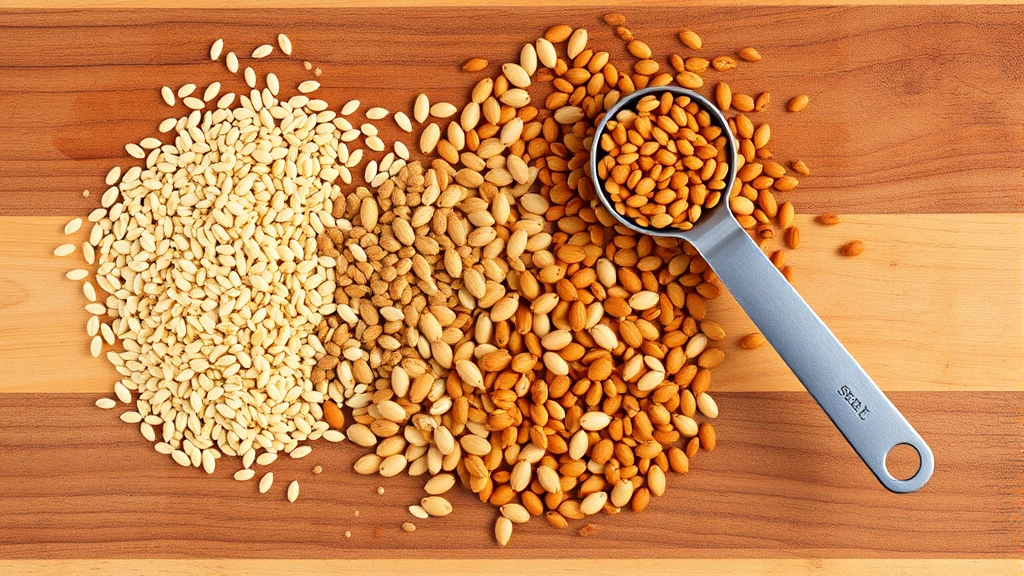
Nutritional Benefits of Sesame Seeds
Here’s where sesame seeds actually shine for our canine companions. These tiny powerhouses pack an impressive nutritional punch, containing several compounds that could theoretically benefit your dog’s health.
Sesame seeds are rich in:
- Healthy fats: Primarily omega-6 and omega-3 fatty acids, which support skin and coat health
- Protein: Essential amino acids for muscle maintenance and repair
- Minerals: Calcium, magnesium, phosphorus, and zinc for bone health and immune function
- Lignans: Powerful antioxidants that help combat free radicals
- Fiber: Supports digestive health and regular bowel movements
A single ounce of sesame seeds contains approximately 5 grams of protein and 4.7 grams of fiber, making them more nutrient-dense than many common dog treats. However—and this is important—your dog likely receives these nutrients from their primary diet already. Unless your veterinarian has specifically recommended sesame seeds for a particular health concern, they’re more of a “nice to have” than a necessity.
If you’re interested in exploring other seed options, you might want to compare sesame with pumpkin seeds for dogs or learn about chia seeds for canines, which offer different nutritional profiles.

Potential Risks and Concerns
While sesame seeds won’t poison your dog, there are legitimate concerns worth considering before making them a regular treat.
Choking Hazard: Sesame seeds are small and could pose a choking risk, particularly for puppies, senior dogs with dental issues, or dogs who gulp their food without chewing. Always supervise treat time and consider crushing the seeds for vulnerable pups.
High Fat Content: Although the fats in sesame seeds are relatively healthy, they’re still calorically dense. A quarter cup of sesame seeds contains about 200 calories. For a small dog, that’s potentially 10-15% of their daily caloric intake in a single serving. Excessive fat consumption can lead to pancreatitis, a serious and painful condition affecting the pancreas.
Digestive Upset: Some dogs have sensitive stomachs and may experience loose stools or diarrhea when introduced to new seeds. If your dog already struggles with digestive issues, you might want to explore appropriate foods for dogs with diarrhea before adding sesame seeds to the mix.
Sodium Content: Many commercially available sesame seed products contain added salt. Excess sodium can contribute to dehydration and electrolyte imbalances in dogs. Always opt for unsalted varieties.
Allergic Reactions: While rare, some dogs may be allergic to sesame. Signs include itching, swelling, vomiting, or difficulty breathing. If you notice any of these symptoms after introducing sesame seeds, contact your veterinarian immediately.
How to Safely Serve Sesame Seeds to Dogs
If you’ve decided to give sesame seeds a try, here’s how to do it responsibly:
- Start small: Begin with just a few seeds (2-3) to test your dog’s tolerance and interest
- Choose unsalted, raw varieties: Avoid seasoned, roasted, or salted sesame seeds entirely
- Crush them slightly: Breaking the seeds open makes them easier to digest and reduces choking risk
- Mix into regular food: Rather than serving as standalone treats, sprinkle crushed sesame seeds over their normal kibble or wet food
- Limit frequency: Once or twice per week is more than sufficient for most dogs
- Monitor for reactions: Watch for digestive changes, itching, or behavioral shifts over the following 24-48 hours
Remember that sesame seeds should never exceed 10% of your dog’s daily caloric intake. For a typical 50-pound dog requiring about 1,200 calories daily, that means no more than 120 calories from sesame seeds—roughly a teaspoon’s worth.
If you’re interested in comparing different seed options for your pup, you might also research which nuts are safe for dogs, as they share similar considerations around portion control and fat content.
Healthier Seed Alternatives
Before committing to sesame seeds, consider these equally nutritious—and sometimes safer—alternatives that many veterinarians actually recommend:
Pumpkin Seeds: Dogs can have various seeds, and pumpkin seeds rank among the best. They’re lower in fat than sesame seeds, higher in fiber, and naturally support digestive and urinary health. Plus, many dogs find them more palatable.
Sunflower Seeds (unsalted): Another excellent option with similar nutritional benefits but fewer potential digestive issues. They’re also less likely to cause choking problems due to their larger size.
Flax Seeds: Though they require proper preparation (grinding and soaking), flax seeds offer superior omega-3 content compared to sesame seeds, making them excellent for coat and skin health.
Apple (without seeds): If you want a lower-calorie, nutrient-rich treat, apple slices offer fiber and vitamins without the fat content concerns.
Carrots: Raw or cooked carrots provide crunch, fiber, and dental benefits with virtually no downside for most dogs.
The beauty of these alternatives is that many have more robust veterinary endorsement and fewer associated risks than sesame seeds.
What Veterinarians Say
To provide you with the most authoritative guidance, we consulted recommendations from leading veterinary organizations. The ASPCA lists sesame seeds as non-toxic but emphasizes the importance of portion control and preparation.
Dr. Jennifer Coates, a board-certified veterinary nutritionist, suggests that while sesame seeds aren’t harmful, they offer limited nutritional advantage over the complete diet most dogs already receive. She recommends that whether dogs should eat sesame seeds depends entirely on individual circumstances and existing health conditions.
The consensus among veterinary professionals appears to be: sesame seeds are permissible but not particularly recommended. Your dog’s nutritional needs are best met through quality commercial dog food or veterinarian-approved homemade diets. Treats should comprise no more than 10% of daily calories, and there are generally better options available.
A Cornell University College of Veterinary Medicine resource emphasizes that any new food introduction should be gradual and monitored, particularly for dogs with pre-existing health conditions like pancreatitis, obesity, or food sensitivities.
Frequently Asked Questions
Can puppies eat sesame seeds?
Puppies can technically eat sesame seeds, but they’re not ideal for young dogs. Puppies have developing digestive systems and shouldn’t consume high-fat foods. Additionally, sesame seeds pose a choking hazard for puppies who tend to gulp treats without proper chewing. It’s best to wait until your puppy is fully grown before introducing sesame seeds, and even then, only in minimal amounts.
What about sesame oil for dogs?
Sesame oil is even more concentrated in fat than whole seeds and should be avoided as a dietary addition for most dogs. The high fat content increases pancreatitis risk significantly. If you’re interested in adding oils to your dog’s diet for coat health, consult your veterinarian about appropriate options like fish oil in controlled doses.
Are tahini and sesame butter safe for dogs?
Tahini (sesame paste) and sesame butter are highly concentrated forms of sesame and should generally be avoided. They contain excessive fat and calories, plus they often include added salt or sweeteners that aren’t appropriate for dogs. If your dog accidentally consumed a small amount, monitor for digestive upset, but don’t make it a habit.
Can dogs eat sesame seed bagels or bread?
While the sesame seeds themselves might be okay in minimal amounts, most sesame seed bread products contain added salt, sugar, and sometimes garlic or onions—all problematic for dogs. Additionally, bread provides empty calories without nutritional benefit. Skip the bagel and offer a healthier treat instead.
How do I know if my dog is allergic to sesame seeds?
Sesame allergies in dogs are rare but possible. Signs include itching (especially around the face and ears), swelling of the lips or tongue, vomiting, diarrhea, or difficulty breathing. If you notice any of these symptoms within a few hours of sesame seed consumption, contact your veterinarian immediately. Avoid sesame seeds in the future if an allergic reaction occurs.
Should I ever give my dog sesame seeds for health reasons?
Unless your veterinarian has specifically recommended sesame seeds for a particular health condition, there’s no compelling reason to introduce them. Your dog’s regular diet should provide all necessary nutrients. If you’re concerned about specific health issues like coat quality or digestive health, discuss targeted solutions with your vet rather than self-treating with sesame seeds.
What’s the difference between black and white sesame seeds for dogs?
Both black and white sesame seeds have similar nutritional profiles and are equally safe for dogs. The primary difference is that black sesame seeds contain slightly higher antioxidant levels due to their pigmentation. However, this difference is negligible for dogs, so choose whichever variety you have on hand—just ensure it’s unsalted and unseasoned.





