

Should dogs eat white rice? Yes, but with some important caveats that every dog owner needs to know. White rice is generally safe for dogs and can even be beneficial in certain situations, but it’s not a free pass to make it a dietary staple. Let me break down everything you need to know about feeding your furry friend this common pantry ingredient.
Table of Contents
- Is White Rice Safe for Dogs?
- Nutritional Benefits of White Rice for Dogs
- When White Rice Is Actually Beneficial
- The Problem With Making White Rice a Staple
- White Rice vs. Brown Rice for Dogs
- How Much White Rice Can Dogs Eat?
- Preparation Tips for Safe White Rice Feeding
- Signs Your Dog Isn’t Tolerating White Rice Well
- White Rice and Specific Health Conditions
- Comparing White Rice to Other Dog Foods
- Expert Vet Recommendations on White Rice
- The Bottom Line: Should Your Dog Eat White Rice?
- Frequently Asked Questions
- Summary
Is White Rice Safe for Dogs?
The short answer: absolutely. White rice is non-toxic and poses no immediate danger to your dog. Unlike some human foods that can cause serious health issues, white rice won’t send your pup to the emergency vet. In fact, many commercial dog foods include rice as a primary ingredient, and vets have been recommending rice to dogs for decades.
White rice is bland, easily digestible, and packed with carbohydrates that provide energy. It’s one of the reasons why rice is good for dogs everyday in moderation, especially when dealing with certain digestive issues.
Nutritional Benefits of White Rice for Dogs
Here’s what white rice actually brings to your dog’s bowl:
Carbohydrates: White rice is primarily carbs, which provide quick energy. For active dogs, this can be helpful, though it’s not essential since dogs don’t require carbs the way humans do.
Easy Digestion: This is the real MVP benefit. White rice is bland and gentle on the stomach, making it ideal for dogs recovering from digestive upset or experiencing diarrhea.
B Vitamins: White rice contains some B vitamins that support metabolism and nervous system function.
Low in Fat: For dogs on restricted diets or those prone to pancreatitis, white rice’s low fat content is genuinely helpful.
However, let’s be real—white rice isn’t a nutritional powerhouse. It lacks protein, healthy fats, and fiber that your dog actually needs to thrive.
When White Rice Is Actually Beneficial
This is where white rice earns its place in your dog care toolkit:
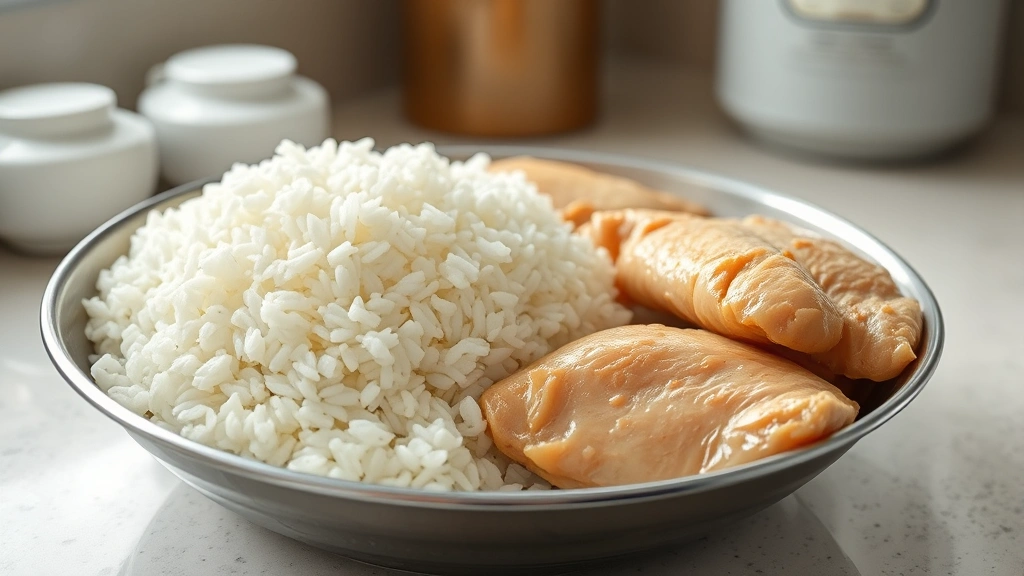
Upset Stomach Situations: If your dog has diarrhea or vomiting, white rice mixed with plain boiled chicken can work wonders. The bland nature helps settle their stomach without irritating it further. Many vets recommend this exact combination.
Post-Surgery Recovery: After surgical procedures, vets often suggest bland diets, and white rice fits perfectly.
Food Sensitivities: Some dogs have sensitivities to certain ingredients. White rice is hypoallergenic and can serve as a safe carb source while you identify problematic foods.
Transitioning Diets: When switching dog foods, mixing in white rice can help ease the transition and prevent digestive upset.
The Problem With Making White Rice a Staple
Now here’s where I need to pump the brakes. Just because something is safe doesn’t mean it should become your dog’s main food source. Here’s why:
Nutritional Imbalance: White rice lacks the complete amino acid profile dogs need. Feeding it as a primary food source means your dog isn’t getting adequate protein for muscle maintenance and repair.
Blood Sugar Spikes: White rice has a high glycemic index, meaning it can cause rapid blood sugar spikes. For diabetic dogs or those prone to weight gain, this is problematic.
Lack of Fiber: Unlike brown rice, white rice doesn’t provide significant fiber. This can actually contribute to digestive issues over time.
Weight Gain Risk: Dogs fed excessive white rice often gain weight because they’re consuming empty calories without the satiety that protein provides.
White Rice vs. Brown Rice for Dogs
You might be wondering if brown rice is the superior choice, and honestly, it depends on the situation. Brown rice contains more fiber, nutrients, and has a lower glycemic index than white rice. However, brown rice is harder to digest and less ideal when your dog has an upset stomach. For everyday feeding, brown rice is generally the better nutritional choice. For digestive issues, white rice wins every time.
If you’re looking for other rice alternatives, jasmine rice for dogs can work similarly to white rice, though it’s not significantly different nutritionally.
How Much White Rice Can Dogs Eat?
If your dog has a healthy digestive system and you’re just adding rice as a treat or occasional meal component, here’s the guideline:
General Rule: White rice should make up no more than 10% of your dog’s daily caloric intake. For a 50-pound dog eating about 1,200 calories daily, that’s roughly 120 calories from rice—about half a cup of cooked rice.
During Digestive Issues: You can increase this to 50% of meals temporarily (mixed with protein like chicken) while their stomach recovers, but this should only last a few days.
Never as a Meal Replacement: White rice alone isn’t complete nutrition. Always pair it with protein and other nutrients.
Preparation Tips for Safe White Rice Feeding
Cook It Properly: Always cook white rice thoroughly. Uncooked rice can cause intestinal blockages and is harder to digest.
Skip the Seasoning: Never add salt, butter, garlic, or onions. Plain white rice only. Garlic and onions are actually toxic to dogs.
Cool Before Serving: Hot rice can burn your dog’s mouth. Let it cool to room temperature.
Portion Control: Measure out appropriate portions rather than free-feeding from the bag.
Mix With Protein: When using rice as a meal component, always include a protein source like chicken, turkey, or beef.
Signs Your Dog Isn’t Tolerating White Rice Well
Most dogs handle white rice fine, but watch for these warning signs:
If you notice mucus in dog poop after introducing white rice, it might indicate your dog isn’t tolerating it well. Other red flags include excessive gas, continued diarrhea despite the bland diet, vomiting, or constipation. If these occur, discontinue white rice and consult your vet.
White Rice and Specific Health Conditions
Diabetic Dogs: Consult your vet before adding white rice. The high glycemic index might affect blood sugar management.

Overweight Dogs: Use sparingly. The empty calories won’t help with weight loss goals.
Dogs with Pancreatitis: White rice is actually a good choice here due to low fat content, but always get vet approval first.
Senior Dogs: White rice is fine, but ensure they’re still getting adequate protein for muscle maintenance.
Comparing White Rice to Other Dog Foods
You might wonder how white rice stacks up against commercial options. Rotisserie chicken is good for dogs and provides far superior nutrition compared to white rice alone. Similarly, quality dog food brands like Victor offer complete nutritional profiles that white rice simply cannot match. Think of white rice as a helpful supplement or temporary solution, not a replacement for complete dog food.
Expert Vet Recommendations on White Rice
According to the American Kennel Club (AKC), rice can be a beneficial addition to a dog’s diet when used appropriately. The AKC recommends rice particularly for dogs with digestive issues. PetMD veterinarians echo this sentiment, noting that white rice is especially useful during gastrointestinal distress.
The American Veterinary Medical Association (AVMA) doesn’t specifically restrict white rice but emphasizes that it should never replace complete and balanced commercial dog foods or professional veterinary diets prescribed for health conditions.
The Bottom Line: Should Your Dog Eat White Rice?
Should dogs eat white rice? Yes, in the right context and proper portions. White rice is safe, sometimes beneficial, and can be a helpful tool in your dog care arsenal. Use it for upset stomachs, as a minor meal component, or during dietary transitions. Don’t rely on it as a primary food source or daily staple.
Your dog’s main nutrition should come from complete, balanced commercial dog food or veterinary-approved homemade diets that include adequate protein, healthy fats, and essential nutrients. White rice is the supporting actor, not the star of the show.
Frequently Asked Questions
Can dogs eat white rice every day?
Technically yes, but it’s not recommended. White rice lacks complete nutrition and shouldn’t exceed 10% of daily calories. Use it as an occasional addition to balanced meals, not a staple.
Is white rice good for dogs with diarrhea?
Absolutely. White rice is one of the most recommended foods for dogs experiencing diarrhea. Mix it with plain boiled chicken for best results, and feed in small portions until their digestion normalizes.
Can puppies eat white rice?
Yes, puppies can eat white rice, but they need significantly more protein for growth and development. White rice should be minimal in their diet. Focus on high-quality puppy food instead.
How much white rice is too much for dogs?
More than 10% of daily calories is generally excessive. For a typical 50-pound dog, this means no more than half a cup of cooked rice daily as part of their total diet.
Is white rice better than brown rice for dogs?
For upset stomachs, white rice is better due to easier digestion. For everyday nutrition, brown rice is superior because it contains more fiber and nutrients. The choice depends on your dog’s specific situation.
What should I mix with white rice for my dog?
Always pair white rice with protein sources like boiled chicken, turkey, or lean beef. You can also add safe vegetables like carrots or green beans for additional nutrients.
Can white rice cause constipation in dogs?
It can contribute to constipation in some dogs, especially if fed in large quantities without adequate fiber or water intake. Ensure your dog drinks plenty of water and gets enough fiber from other sources.
Summary
White rice is a safe, digestible carbohydrate that can benefit dogs in specific situations, particularly when dealing with digestive upset. However, it should never become the foundation of your dog’s diet. The key is balance—use white rice as a helpful tool for stomach issues or as a minor component of complete meals, but always prioritize nutritionally complete dog foods and protein sources. When in doubt about your individual dog’s dietary needs, especially if they have health conditions, consult your veterinarian for personalized recommendations. Your vet knows your dog’s specific situation and can provide guidance tailored to their age, size, activity level, and any existing health concerns.





