
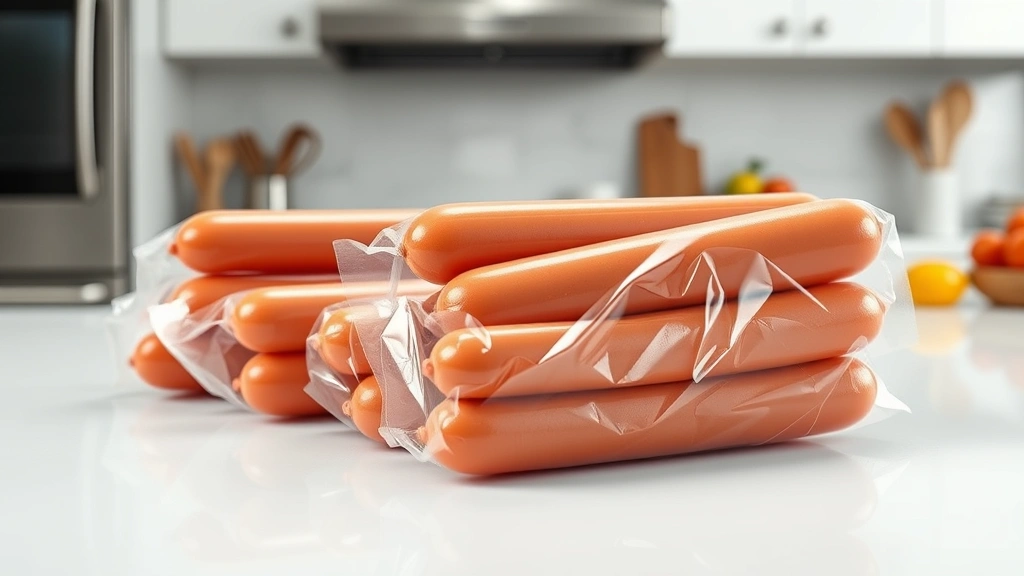
Can You Eat Hot Dogs Raw? Safety Tips Every Consumer Should Know
Hot dogs are an American staple—grilled at backyard barbecues, served at baseball games, and enjoyed as quick weeknight dinners. But here’s a question that might make you pause mid-bite: should you eat hot dogs raw? While it might seem convenient to skip the cooking step, the answer is more nuanced than a simple yes or no. Let’s dig into the facts about raw hot dog consumption and why food safety matters.
Whether you’re a busy parent looking for quick meal options or someone curious about food preparation methods, understanding the risks associated with consuming raw or undercooked hot dogs is essential. This guide will walk you through everything you need to know about hot dog safety, from the manufacturing process to proper preparation techniques that keep you and your family protected.
Interestingly, while we’re discussing human food safety, many pet owners wonder about their furry friends’ diets too. If you’ve ever questioned whether dogs can eat hot dogs, you’re not alone! But let’s first focus on keeping humans safe.
Understanding Raw Hot Dogs
Raw hot dogs refer to frankfurters that haven’t been heated to a safe internal temperature. Many people assume that because hot dogs are pre-cooked during manufacturing, they’re safe to eat straight from the package. This misconception can lead to serious health consequences. The truth is more complicated: while hot dogs are technically pre-cooked, they require reheating to eliminate potential bacterial contamination that may occur after manufacturing.
The distinction between “pre-cooked” and “safe to eat raw” is crucial. Pre-cooked simply means the product has already been through an initial cooking process at the factory. However, this doesn’t mean the product is free from harmful microorganisms that could develop during storage and distribution. Think of it like this: a pre-cooked hot dog that’s been sitting in your refrigerator for two weeks is not the same as one fresh from the store.
According to the USDA Food Safety and Inspection Service, all ready-to-eat meat products like hot dogs should be reheated to 165°F (74°C) before consumption, even though they’re pre-cooked. This guideline exists specifically to address the risk of Listeria monocytogenes, a bacterium that can survive refrigeration temperatures and cause serious illness.
How Hot Dogs Are Made
Understanding the manufacturing process helps explain why raw consumption poses risks. Hot dogs begin as a mixture of meat, fat, spices, and preservatives that are emulsified together. This mixture is then stuffed into casings and cooked in large industrial cookers. After cooking, the hot dogs are often smoked and then cooled before packaging.
During this manufacturing process, hot dogs are exposed to heat that kills most harmful bacteria. However, the product can become recontaminated after cooking through several pathways: contact with contaminated surfaces, exposure to bacteria during packaging, or cross-contamination during handling. This is why food safety experts emphasize that reheating is essential, regardless of the product’s initial cooking.
The preservation methods used in hot dog production—including salt, nitrates, and nitrites—do provide some antimicrobial protection. However, these preservatives alone are not sufficient to eliminate all potential pathogens, particularly Listeria, which is concerning because it can multiply slowly in refrigerated conditions. For vulnerable populations like pregnant women, elderly individuals, and those with compromised immune systems, this risk becomes even more significant.
Health Risks of Eating Raw Hot Dogs
The primary concern with consuming raw or undercooked hot dogs is bacterial contamination. The most significant threat comes from Listeria monocytogenes, which can cause listeriosis—a serious infection that affects the bloodstream and central nervous system. Symptoms include fever, muscle aches, nausea, and diarrhea, with more severe cases potentially leading to meningitis.
Other potential pathogens found in undercooked processed meats include:
- Salmonella: Causes severe diarrhea, fever, and abdominal cramps
- E. coli: Can lead to hemolytic uremic syndrome in severe cases
- Staphylococcus aureus: Produces toxins that cause food poisoning
- Clostridium botulinum: Rare but potentially fatal if present
According to the CDC’s Food Safety Division, listeriosis causes approximately 2,600 illnesses and 260 deaths annually in the United States. Ready-to-eat meat products like hot dogs account for a significant portion of these cases. Pregnant women are approximately 10 times more likely to get listeriosis than the general population, and the infection can cause miscarriage, stillbirth, or severe illness in newborns.
High-risk groups who should never consume raw hot dogs include pregnant women, infants and young children, adults over 65, and people with weakened immune systems due to illness or medication. For these populations, even a small amount of contamination can result in serious health consequences.

Safe Preparation Methods
Now that we’ve covered the risks, let’s talk about how to safely enjoy hot dogs. The good news is that proper preparation is straightforward and doesn’t require much effort. Here are the most effective cooking methods:
Boiling: Place hot dogs in a pot of water and bring to a rolling boil. Cook for 4-6 minutes until heated through. This method is quick, reliable, and requires minimal equipment.
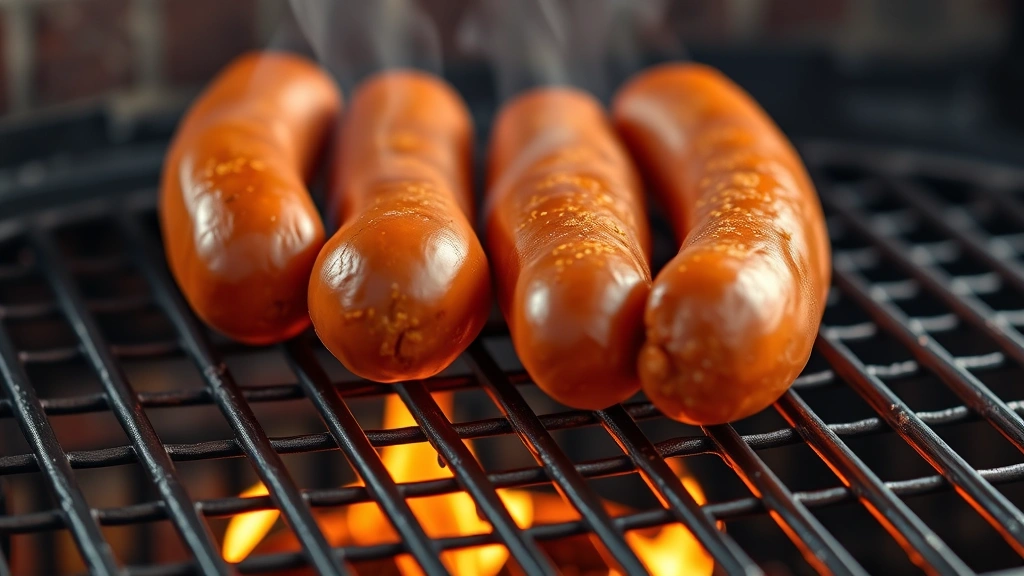
Grilling: Preheat your grill to medium-high heat and cook hot dogs for 3-4 minutes per side, turning occasionally. This method adds delicious char and flavor while ensuring even heating.
Pan-frying: Heat a skillet over medium heat and cook hot dogs for 5-7 minutes, turning frequently until browned on all sides and heated through.
Microwaving: Place hot dogs on a microwave-safe plate and heat for 1-2 minutes on high power. This is the quickest method, though it may not produce browning.
If you’re looking for creative preparation options, consider how to cook hot dogs in a crock pot for a convenient slow-cooking method that works great for feeding a crowd. The key to all these methods is reaching the proper internal temperature before consumption.
Proper Cooking Temperatures
The USDA recommends heating hot dogs to an internal temperature of 165°F (74°C) before eating. This temperature is the critical threshold that ensures harmful bacteria are eliminated. Using a food thermometer is the most reliable way to verify that your hot dogs have reached this temperature.
To check the temperature accurately, insert the thermometer into the thickest part of the hot dog, away from the casing. Wait a few seconds for the reading to stabilize before noting the temperature. If the hot dog hasn’t reached 165°F, return it to the heat source and check again after another minute or two.
For visual indicators, a properly cooked hot dog should be steaming hot throughout and have no cold spots in the center. If you’re cooking multiple hot dogs, check at least one to ensure your cooking method is effective. Once you’ve established the timing for your preferred cooking method, you can reliably prepare hot dogs safely going forward.
It’s worth noting that these temperature guidelines apply equally whether you’re preparing hot dogs for yourself or wondering about whether dogs can eat bacon or other processed meats—food safety principles remain consistent across all preparations.
Storage and Handling Best Practices
Proper storage is just as important as cooking when it comes to hot dog safety. Keep unopened packages of hot dogs in the refrigerator at 40°F (4°C) or below. According to package guidelines, unopened hot dogs typically remain safe for about two weeks from the purchase date, though checking the “use by” date is always wise.
Once you’ve opened a package, consume the hot dogs within 3-4 days if refrigerated properly. Store them in an airtight container or wrapped tightly in plastic wrap to prevent cross-contamination and freezer burn if you’re storing them for later use.
Freezing hot dogs is an excellent way to extend their shelf life. Properly frozen hot dogs remain safe for 1-2 months. When you’re ready to use frozen hot dogs, thaw them in the refrigerator overnight rather than at room temperature. Never thaw hot dogs on the counter, as this allows bacteria to multiply rapidly in the temperature danger zone between 40°F and 140°F.
Cross-contamination prevention is critical in your kitchen. Use separate cutting boards for raw and ready-to-eat foods, wash your hands thoroughly after handling raw or undercooked meats, and clean all surfaces and utensils that contact raw hot dogs with hot soapy water. These practices protect not only you but also anyone else eating food you prepare.
When it comes to other foods in your household, similar principles apply. If you’re curious about other common foods, you might wonder whether dogs can drink milk or whether dogs can eat cheese—proper handling and safety considerations matter for all food items in your home.
Frequently Asked Questions
Are pre-cooked hot dogs really safe to eat without reheating?
No, pre-cooked hot dogs are not safe to eat without reheating. While they’ve been cooked during manufacturing, they can become contaminated afterward and harbor harmful bacteria like Listeria. Always reheat to 165°F (74°C) before consuming, even straight from the package.
What temperature kills bacteria in hot dogs?
An internal temperature of 165°F (74°C) is the USDA-recommended safe minimum temperature for hot dogs. This temperature effectively kills most harmful bacteria, including Listeria monocytogenes. Use a food thermometer to verify the temperature has been reached throughout the hot dog.
Can I get food poisoning from eating a cold hot dog straight from the package?
Yes, absolutely. Cold hot dogs straight from the package can harbor harmful bacteria, particularly Listeria. Even though the hot dog was pre-cooked, post-manufacturing contamination can occur. This is why reheating is essential for food safety.
How long can hot dogs sit out at room temperature?
Hot dogs should not sit at room temperature for more than 2 hours (or 1 hour if the temperature is above 90°F). Bacteria multiply rapidly in the temperature danger zone between 40°F and 140°F. After 2 hours, discard any hot dogs left at room temperature to prevent foodborne illness.
Are there any hot dogs that are safe to eat raw?
No hot dog products are truly safe to consume raw or unheated. While some premium or specialty hot dogs may have additional safety measures, the USDA recommends reheating all ready-to-eat meat products to 165°F. Never take chances with food safety, regardless of the brand or price point.
What should I do if I’ve eaten a raw or undercooked hot dog?
If you’ve consumed a raw or undercooked hot dog, monitor yourself for symptoms of foodborne illness including fever, muscle aches, nausea, diarrhea, or abdominal cramps. These symptoms can appear within 24 hours or take up to 3 weeks to develop in the case of listeriosis. If you experience any of these symptoms, contact your healthcare provider immediately and mention that you consumed undercooked processed meat.
Can I reheat hot dogs multiple times?
Yes, you can reheat hot dogs multiple times as long as you store them properly between reheating. Each time, ensure they reach 165°F internally. However, repeated reheating can affect texture and quality, so it’s best to reheat only the portion you plan to eat.
The bottom line on raw hot dog consumption is clear: always cook hot dogs to a safe internal temperature before eating. While it might seem like an extra step, this simple precaution protects you and your family from serious foodborne illness. The cooking methods are quick, easy, and actually enhance the flavor and texture of your hot dogs. Whether you’re preparing a quick lunch or feeding a crowd, taking food safety seriously is always the right choice. For more detailed information about food safety, consult resources from the ASPCA or speak with your healthcare provider about any specific concerns regarding your diet and health.





