
Should You Remove Your Dog’s Eye Boogers? Expert Tips for Healthy Peepers
If you’ve ever looked at your furry best friend and noticed crusty, gunky deposits in the corners of their eyes, you’re not alone. Those little eye boogers—technically called rheum or sleep—are a common sight for dog owners everywhere. But here’s the question that keeps many pet parents up at night: should you actually remove them, or should you leave them be? The answer, like most things in dog care, is more nuanced than a simple yes or no.
Eye boogers are a natural part of your dog’s biology, but excessive buildup can sometimes signal underlying health issues that deserve attention. In this comprehensive guide, we’ll explore everything you need to know about canine eye discharge, when it’s normal, when it’s concerning, and most importantly, how to safely care for your pup’s precious peepers. Whether your dog has the occasional crusty corner or seems to be producing eye gunk like a tiny mucus factory, we’ve got you covered with expert-backed advice.
The truth is, understanding your dog’s eye health is crucial for their overall wellness. Just like you’d notice if something was off with your own eyes, paying attention to your dog’s ocular situation can help you catch problems early. Let’s dive into the wonderful world of canine eye maintenance!
What Are Eye Boogers and Why Do Dogs Get Them?
Eye boogers are simply the accumulation of tears, mucus, oil, and dead skin cells that naturally occur in your dog’s eyes. Think of them as your pup’s version of the crusties you might find in your own eyes after a good night’s sleep. Dogs produce tears continuously throughout the day to keep their eyes lubricated and protected, and when these tears combine with other eye secretions, they can form visible deposits.
Your dog’s tears serve several critical functions. They wash away dust and debris, provide lubrication, and contain antibacterial components that help protect against infection. When your dog blinks—which they do far less frequently than humans, by the way—these tears naturally drain through the tear ducts and into the nasal cavity. But sometimes, especially in the morning or after naps, some tear residue remains on the eye surface and dries out, creating those telltale crusty bits.
Certain breeds are particularly prone to noticeable eye boogers. Flat-faced breeds like Bulldogs, Pugs, and Shih Tzus have shallow eye sockets and prominent eyes, which means their tears don’t drain as efficiently. Similarly, dogs with lighter-colored fur around their eyes—like Poodles or Malteses—show eye discharge more visibly than their darker-coated counterparts. This doesn’t mean their eyes are unhealthier; it’s just more obvious to our human eyes.
Normal vs. Concerning Eye Discharge
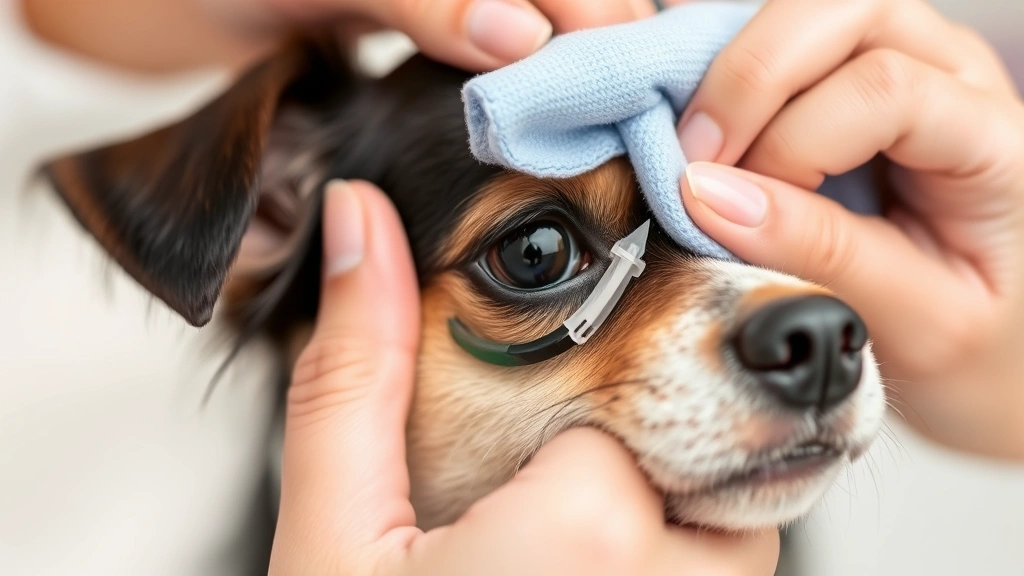
The key to determining whether you should be concerned about your dog’s eye boogers is understanding what’s normal and what’s not. Normal eye discharge is typically clear to slightly brown, minimal in quantity, and doesn’t seem to bother your dog. If your pup isn’t scratching at their eyes, showing redness, or displaying other symptoms, those little crusties are probably just business as usual.
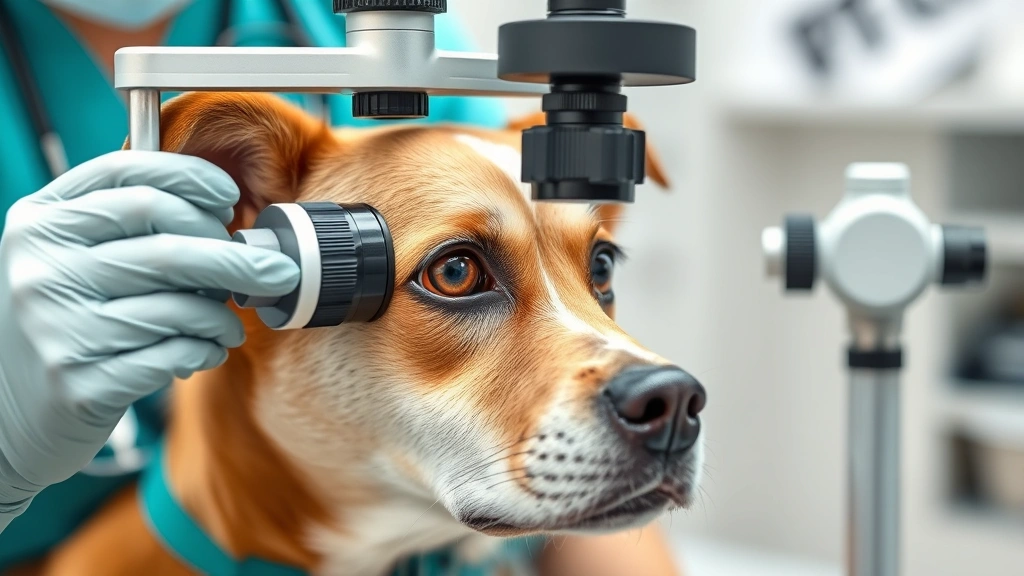
However, certain types of eye discharge warrant veterinary attention. If your dog has red or inflamed eyes, this could indicate allergies, infections, or other issues that need professional evaluation. Excessive discharge that’s thick, yellow, green, or bloody is definitely a red flag. Similarly, if your dog is constantly pawing at their eyes or keeping them squinted, something is clearly bothering them.
According to the American Kennel Club, changes in your dog’s eye appearance or behavior should never be ignored. A sudden increase in eye discharge, cloudiness in the eye, or discharge from only one eye can all indicate problems ranging from minor irritation to serious conditions like glaucoma or corneal ulcers.
The color and consistency of discharge also matter. Clear discharge is generally normal, while white or light-colored discharge might indicate allergies. Yellow or green discharge suggests a bacterial or fungal infection. Brown or reddish discharge could indicate rust-colored tears, which are actually quite common in dogs with light-colored fur but can sometimes signal tear staining from excessive tearing.
How to Safely Remove Eye Boogers
If you’ve determined that your dog’s eye boogers are just cosmetic crusts and not a sign of a larger problem, you might want to remove them for your pup’s comfort and appearance. The good news is that it’s relatively simple to do safely, provided you follow proper technique.
The Gentle Approach: Start by gathering your supplies: a clean, soft cloth (preferably lint-free), and warm water. Some pet parents prefer using ASPCA-approved pet wipes specifically designed for facial cleaning. Dampen your cloth with the warm water—it should be comfortably warm, not hot. Gently wipe the corner of your dog’s eye, moving from the inner corner (near the nose) outward. Use a fresh section of the cloth for each eye to avoid transferring any bacteria.
Never Use Cotton Swabs: While you might be tempted to use a Q-tip for precision, veterinarians strongly advise against this. Cotton swabs can accidentally poke your dog’s eye or get stuck if your pup suddenly moves, potentially causing serious injury.
Timing Matters: The best time to clean your dog’s eyes is when they’re calm and relaxed. Many dogs are most cooperative in the morning when they’re still a bit sleepy. If your dog is resistant, don’t force it—a stressed pup is more likely to move suddenly and risk injury.
Professional Grooming Option: If you’re nervous about doing it yourself, many professional groomers are experienced in safely cleaning eye boogers as part of their facial grooming services. This is particularly helpful if your dog is wiggly or anxious about eye contact.
Prevention and Maintenance Tips
While eye boogers are natural, excessive accumulation can sometimes be prevented or minimized with proper care. Just like you’d maintain other aspects of your dog’s hygiene—similar to how you’d approach cleaning your dog’s ears—regular eye care can make a difference.
Keep the Area Dry: If your dog has long fur around their eyes, keeping that area trimmed can help reduce tear staining and eye booger accumulation. Many groomers offer facial trims that help with this issue.
Address Allergies: If your dog seems to produce excessive eye discharge, allergies might be the culprit. Environmental allergies or food sensitivities can increase tear production. Consult with your vet about whether your dog might benefit from allergy testing or dietary changes. Interestingly, excessive grooming behaviors—like when dogs lick their paws—can sometimes indicate allergies affecting the entire body, including the eyes.
Maintain Proper Nutrition: A high-quality diet supports overall health, including eye health. Omega-3 fatty acids, in particular, are beneficial for eye function and tear production. Your vet can recommend foods or supplements that support ocular health.
Keep Eyes Moist: In dry environments or during winter months when indoor heating is running, your dog’s eyes might get drier. Using a humidifier can help maintain proper moisture levels. Some vets also recommend dog-safe artificial tears for particularly dry conditions.
Regular Vet Checkups: During routine veterinary visits, your vet will examine your dog’s eyes as part of the standard physical exam. This is your opportunity to ask about any concerns regarding eye discharge or appearance.
When Eye Boogers Signal Health Issues
While most eye boogers are harmless, sometimes they’re your dog’s way of telling you something needs attention. Understanding the difference between normal discharge and problematic discharge is crucial for your dog’s health.
Conjunctivitis (Pink Eye): This inflammation of the membrane surrounding the eye can cause excessive discharge, redness, and discomfort. It can be caused by bacteria, viruses, allergies, or foreign objects. If your dog has conjunctivitis, they’ll likely show other signs like excessive blinking or eye swelling.
Dry Eye (Keratoconjunctivitis Sicca): Despite its name, dry eye can actually cause excessive discharge as the eye tries to compensate for lack of lubrication. Dogs with dry eye often have thick, mucoid discharge and visible discomfort.
Blocked Tear Ducts: When tear ducts become blocked, tears can’t drain properly, leading to excessive discharge and staining. This is particularly common in certain breeds and may require veterinary treatment.
Eyelid Issues: Conditions like entropion (eyelid rolling inward) or ectropion (eyelid rolling outward) can cause excessive tearing and discharge. These conditions often require surgical correction.
Infections: Bacterial, viral, or fungal infections can cause abnormal eye discharge. These always require veterinary attention and typically involve antibiotic or antifungal medications.
The Washington State University College of Veterinary Medicine emphasizes that any sudden change in your dog’s eye discharge should be evaluated by a veterinarian. While it might be nothing serious, it’s better to be safe than sorry when it comes to your dog’s vision.
Breed-Specific Considerations
Certain dog breeds are genetically predisposed to eye issues and excessive discharge. Understanding your dog’s breed-specific risks can help you stay vigilant about their eye health.
Flat-Faced Breeds: Bulldogs, Pugs, Boston Terriers, and similar breeds have prominent eyes and shallow eye sockets. This anatomy makes them prone to excessive tearing, eye injuries, and various eye conditions. Their eye boogers might be more noticeable and require more frequent cleaning.
Long-Haired Breeds: Shih Tzus, Lhasa Apsos, and other long-haired breeds often have hair that irritates their eyes, leading to increased tear production. Regular grooming and facial trims are especially important for these breeds.
Light-Eyed Breeds: Dogs with lighter eye colors or lighter-colored fur around their eyes tend to show tear staining more visibly. Poodles, Malteses, and similar breeds often have noticeable reddish-brown staining from tear residue, even when tear production is normal.
Giant Breeds: Some giant breeds like Great Danes and Saint Bernards can be prone to ectropion, where the lower eyelid droops away from the eye. This causes excessive tearing and discharge.
Understanding your specific breed’s predispositions allows you to be proactive about care. If you’re concerned about conditions related to other health aspects, like skin issues such as dandruff, discussing breed-specific health concerns with your vet is always wise, as sometimes systemic health issues affect multiple body systems including the eyes.
Frequently Asked Questions
Is it safe to use saline solution to clean my dog’s eyes?
Yes, saline solution is generally safe for cleaning around your dog’s eyes. Use a sterile, preservative-free saline solution, and apply it with a clean cloth. However, avoid getting saline directly into the eye itself unless specifically instructed by your veterinarian. If you’re unsure, always consult your vet before using any solution on your dog’s eyes.
Why does my dog have more eye boogers in winter?
Winter brings several factors that can increase eye discharge: dry indoor heating, cold outdoor air, and potential irritants like salt used on icy roads. Additionally, some dogs spend more time indoors during winter, and less tear drainage can occur in warm, dry environments. Increased humidity through a humidifier can help during winter months.
Should I be concerned if my dog only has eye boogers in one eye?
Discharge from only one eye can indicate a localized problem such as a blocked tear duct, injury, or infection affecting just that eye. While it’s not necessarily an emergency, it’s worth mentioning to your vet at your next appointment, or sooner if accompanied by redness, swelling, or signs of discomfort.
Can I use human eye drops on my dog?
Never use human eye drops on your dog without explicit veterinary approval. Many human eye drops contain ingredients that are harmful to dogs or could mask serious eye problems. If your dog’s eyes seem dry or uncomfortable, consult your vet about dog-safe alternatives.
How often should I clean my dog’s eyes?
For most dogs with normal eye discharge, daily gentle wiping is sufficient and can be done during regular grooming routines. Dogs with excessive discharge, certain breeds prone to eye issues, or those with specific health conditions might benefit from more frequent cleaning. Your vet can recommend an appropriate schedule based on your individual dog’s needs.
What should I do if my dog’s eye boogers smell bad?
Foul-smelling discharge could indicate a bacterial infection or other health issue requiring veterinary attention. Don’t delay in scheduling an appointment if you notice any unusual odors, as this typically indicates something beyond normal eye boogers. Similarly, if you notice your dog seems generally unwell or shows signs of having a fever, eye discharge might be part of a larger health concern.
Are tear stains permanent?
Tear stains—the reddish-brown discoloration around the eyes—can fade but might not disappear completely, especially in breeds genetically prone to them. However, addressing underlying causes like allergies or blocked tear ducts can sometimes reduce staining. Various grooming products claim to help with tear stains, but results vary. Focus on addressing any medical causes first.
Do all dogs get eye boogers?
Most dogs produce some eye discharge, but the amount varies greatly between individuals and breeds. Some dogs produce barely noticeable amounts while others have more visible discharge. As long as your dog isn’t showing signs of discomfort or abnormal discharge, variations in eye booger production are usually normal.
Can stress cause excessive eye discharge?
Yes, stress and anxiety can trigger increased tear production in dogs, similar to how stress affects humans. If you notice your dog produces more eye discharge during stressful situations like thunderstorms or vet visits, this is likely a stress response. However, persistent excessive discharge should still be evaluated by a veterinarian to rule out medical causes.
Should I be worried about eye boogers in puppies?
Puppies can have eye boogers just like adult dogs. However, puppies’ immune systems are still developing, so any signs of infection or abnormal discharge should be addressed promptly. If you’re concerned about your puppy’s eyes, your vet can provide guidance specific to their age and health status. Some conditions, like inflammatory skin conditions, can also affect the eye area in young dogs.





