

Recognizing the signs of a dog dying of heart failure can mean the difference between getting your furry best friend emergency care and losing them unexpectedly. Heart failure in dogs is no joke—it’s one of the most common cardiac conditions affecting our canine companions, and knowing what to look for could literally save your dog’s life.
Table of Contents
- Understanding Canine Heart Failure Basics
- Labored Breathing and Respiratory Distress
- The Persistent Cough That Won’t Quit
- Lethargy and Exercise Intolerance
- Abdominal Swelling and Fluid Accumulation
- Loss of Appetite and Weight Changes
- Fainting Episodes and Syncope
- Pale Gums and Poor Circulation Signs
- Irregular Heartbeat and Arrhythmias
- Behavioral Changes and Confusion
- When to Seek Emergency Care
- Diagnosis and What to Expect
- Frequently Asked Questions
- Summary: Acting on Warning Signs
Understanding Canine Heart Failure Basics
Before we dive into the warning signs, let’s get real about what heart failure actually means for dogs. Unlike a heart attack, which happens suddenly, heart failure is a progressive condition where your dog’s heart struggles to pump blood effectively throughout their body. Think of it like a worn-out engine that’s losing power over time. According to the American Kennel Club, heart disease affects millions of dogs annually, with certain breeds being more susceptible than others.
The condition comes in two main forms: congestive heart failure (CHF), where fluid backs up into the lungs and abdomen, and systolic dysfunction, where the heart simply can’t pump strongly enough. Both are serious, and both require immediate veterinary attention.
Labored Breathing and Respiratory Distress
One of the earliest red flags is when your dog starts breathing like they just ran a marathon—except they’ve been napping on the couch. Dogs with advanced heart disease often experience shortness of breath, rapid breathing (tachypnea), or that distinctive abnormal snoring pattern that wasn’t there before.
You might notice your pup panting heavily even in cool environments, or they seem to struggle when lying down flat. This happens because fluid accumulates in the lungs, making it harder for oxygen to reach the bloodstream. If your dog is breathing more than 40 times per minute at rest, that’s a concerning sign of heart failure progression.
The Persistent Cough That Won’t Quit
That annoying cough keeping everyone up at night? It’s not just a tickle in the throat. Dogs with heart failure often develop a chronic, dry cough—especially when they’re resting or lying down. This dry cough that progresses to gagging is caused by fluid pressing on the airways and lungs.
The cough typically worsens at night or early morning and may sound like your dog’s trying to clear something stuck in their throat. Many owners initially mistake it for kennel cough or allergies, but if it persists for weeks despite treatment, get your vet involved immediately.
Lethargy and Exercise Intolerance
Your normally energetic Golden Retriever suddenly acts like they’ve aged 10 years overnight? That’s a major warning sign. Dogs with failing hearts tire easily because their cardiovascular system can’t deliver oxygen efficiently to muscles and organs.
You’ll notice your pup doesn’t want to play fetch anymore, tires quickly on walks, or seems reluctant to climb stairs. Some dogs will collapse or faint during mild activity. This exercise intolerance happens because the heart simply can’t keep up with the body’s demands, leaving your dog feeling perpetually exhausted and weak.
Abdominal Swelling and Fluid Accumulation
If your dog’s belly suddenly looks bloated or feels hard and distended, that’s fluid accumulation—a classic sign of congestive heart failure. This happens when the failing heart can’t pump blood efficiently, causing fluid to back up into the abdomen and other tissues.
You might also notice your dog seems uncomfortable, won’t eat as much, or has difficulty getting comfortable when lying down. In severe cases, this abdominal distension becomes visibly obvious, and your dog’s weight may increase despite eating less. This is serious stuff that requires immediate veterinary evaluation.
Loss of Appetite and Weight Changes
Heart failure wreaks havoc on your dog’s digestive system. Reduced blood flow to the gut makes eating uncomfortable, and many dogs experience nausea. You’ll notice your pup picking at their food, eating less, or showing complete disinterest in meals they once loved.
Paradoxically, some dogs gain weight due to fluid retention while simultaneously losing muscle mass. This combination—decreased appetite with visible weight changes—is a red flag that shouldn’t be ignored. If your dog suddenly acts like they’re not their happy self and stops eating normally, get them checked out.
Fainting Episodes and Syncope
Syncope (fainting) in dogs is almost always cardiac-related, especially in older dogs. If your dog collapses, loses consciousness briefly, or seems confused after exertion or excitement, their heart might not be pumping enough blood to the brain.
These episodes are terrifying for owners but incredibly important diagnostic clues. They indicate advanced heart disease and require emergency veterinary care. Never assume it’s just a one-time thing—fainting in dogs is always abnormal and always warrants investigation.
Pale Gums and Poor Circulation Signs
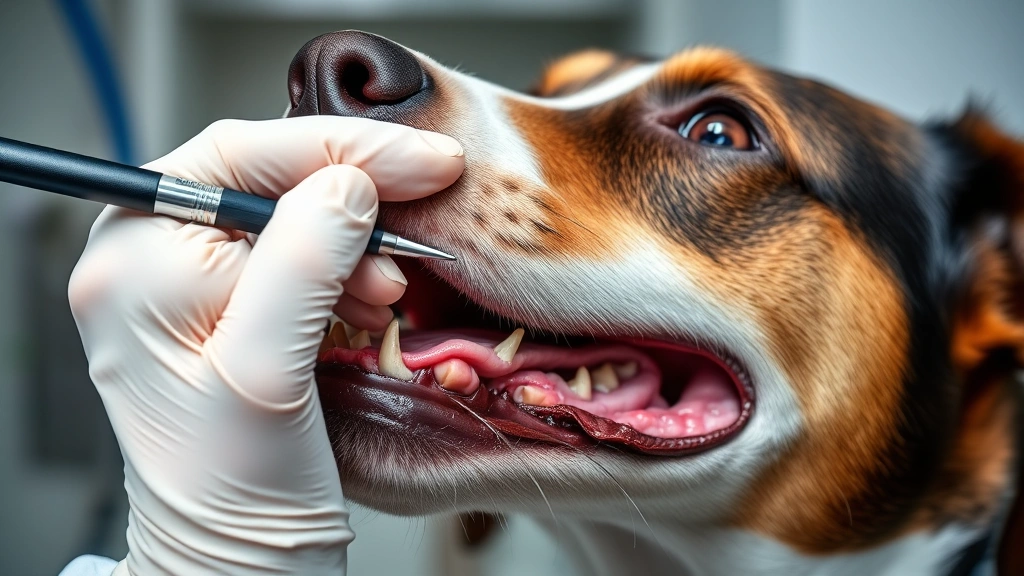
Check your dog’s gums regularly—they should be pink and moist. In dogs with severe heart failure, gums become pale or grayish because blood isn’t circulating properly. Additionally, you might notice cold paws or ears, or that your dog’s tongue appears bluish (cyanosis).
These circulation problems indicate your dog’s heart is failing to maintain adequate blood pressure and oxygen delivery. It’s a critical sign that your dog needs emergency care immediately. Don’t wait—head to the vet or emergency clinic right now.
Irregular Heartbeat and Arrhythmias
While you can’t always detect this without equipment, some owners notice their dog’s heart seems to skip beats or flutter irregularly when they place a hand on the chest. Arrhythmias (irregular heartbeats) are common in dogs with advanced heart disease.
Your vet can detect these with an EKG, but if you ever feel your dog’s pulse and it seems erratic or unusually fast (over 100 beats per minute at rest), mention it to your veterinarian. According to PetMD, arrhythmias can significantly worsen heart failure progression.
Behavioral Changes and Confusion
Dogs with severe heart failure often show personality changes. They might become anxious, restless, confused, or disoriented—especially at night. Some dogs seem to forget their house training or act uncharacteristically irritable.
These behavioral shifts happen because the brain isn’t receiving adequate oxygen and blood flow. Combined with physical symptoms like digestive issues, these mental changes paint a picture of a dog in serious distress.
When to Seek Emergency Care
Don’t call your regular vet’s office during business hours if your dog is showing multiple symptoms—head straight to an emergency veterinary clinic. Seek immediate care if your dog:
- Is having difficulty breathing or gasping for air
- Collapses or faints
- Has pale or blue-tinged gums
- Seems confused or disoriented
- Has severe abdominal swelling
- Shows signs of extreme distress or pain
Time is critical with heart failure. The sooner your dog receives professional evaluation and treatment, the better their chances of stabilization and comfort.

Diagnosis and What to Expect
Your veterinarian will perform several tests to confirm heart failure, including chest X-rays, EKGs, echocardiograms, and blood work. According to veterinary resources at Veterinary Information Network, these diagnostics help determine the severity and guide treatment decisions.
Don’t be surprised if your vet recommends medications like ACE inhibitors, diuretics, or beta-blockers. These help manage symptoms and slow disease progression, giving your dog more quality time with you.
Frequently Asked Questions
How long can a dog live with heart failure?
Lifespan varies dramatically depending on the severity at diagnosis, your dog’s age, breed, and how well they respond to treatment. Some dogs live months, others years. Early detection and aggressive management significantly improve outcomes.
Is heart failure in dogs painful?
While not painful in the traditional sense, heart failure causes significant discomfort through difficulty breathing, fluid buildup, and general malaise. Proper medication management can help alleviate much of this suffering.
Can heart failure in dogs be cured?
Unfortunately, no. Heart failure is progressive and irreversible. However, medications and lifestyle modifications can slow progression and improve quality of life substantially.
What breeds are most prone to heart failure?
Small breeds like Chihuahuas, Cavalier King Charles Spaniels, and Poodles are predisposed to mitral valve disease. Larger breeds like Boxers and Dobermans are more prone to dilated cardiomyopathy. Senior dogs of any breed face increased risk.
Should I change my dog’s diet if they have heart failure?
Absolutely. Your vet will likely recommend a low-sodium diet specifically formulated for cardiac patients. Proper nutrition is crucial for managing fluid retention and supporting heart function.
Summary: Acting on Warning Signs
The signs of a dog dying of heart failure are serious and demand immediate attention. From labored breathing and persistent coughs to lethargy and fainting episodes, each symptom is your dog’s way of telling you something’s wrong with their heart.
Don’t ignore these warning signs or hope they’ll go away. Heart failure is progressive—it only gets worse without intervention. If you notice any combination of these symptoms in your beloved companion, schedule a veterinary appointment immediately. Better safe than sorry when it comes to your dog’s heart health. Your pup has given you unconditional love their entire life; now it’s your turn to fight for theirs.





