
If you’ve got a furry best friend at home, the thought of them getting sick is absolutely terrifying. Unfortunately, signs of cancer in dogs are more common than many pet parents realize—in fact, cancer is the leading cause of death in dogs over 10 years old. But here’s the good news: catching cancer early can make a real difference in your pup’s quality of life and treatment options. Let’s talk about what you need to watch for, because your dog can’t tell you when something’s wrong, so you’ve got to be their detective.
Table of Contents
- Understanding Canine Cancer: The Big Picture
- Unexplained Lumps and Bumps: The First Red Flag
- Persistent Cough: Don’t Dismiss the Hacking
- Weight Loss Without Trying: The Mysterious Disappearing Act
- Changes in Appetite and Eating Habits
- Abnormal Bathroom Habits: What’s Coming Out Matters
- Lethargy and Loss of Energy: The Personality Shift
- Difficulty Breathing or Exercise Intolerance
- Swelling in the Limbs or Face: Puffiness That Won’t Quit
- Discharge or Odor from the Mouth, Nose, or Other Openings
- Pale Gums and Bleeding: Internal Warning Signs
- Lameness or Limping Without Injury: The Mystery Limp
- Behavioral Changes and Confusion: The Mental Shift
- Frequently Asked Questions
- When to Call Your Vet: Don’t Wait and See
- Prevention and Early Detection: Your Best Tools
- Living With a Cancer Diagnosis: You’re Not Alone
- Summary: Stay Vigilant, Stay Proactive
Understanding Canine Cancer: The Big Picture
Cancer in dogs isn’t just one disease—it’s actually a bunch of different diseases rolled into one scary umbrella term. Just like in humans, canine cancer happens when cells start growing abnormally and uncontrollably. The tricky part? Many types of dog cancer develop silently for a while before symptoms show up. According to the American Kennel Club (AKC), approximately 1 in 3 dogs will develop cancer during their lifetime. That’s not meant to freak you out—it’s meant to motivate you to stay vigilant about your pup’s health.
Unexplained Lumps and Bumps: The First Red Flag
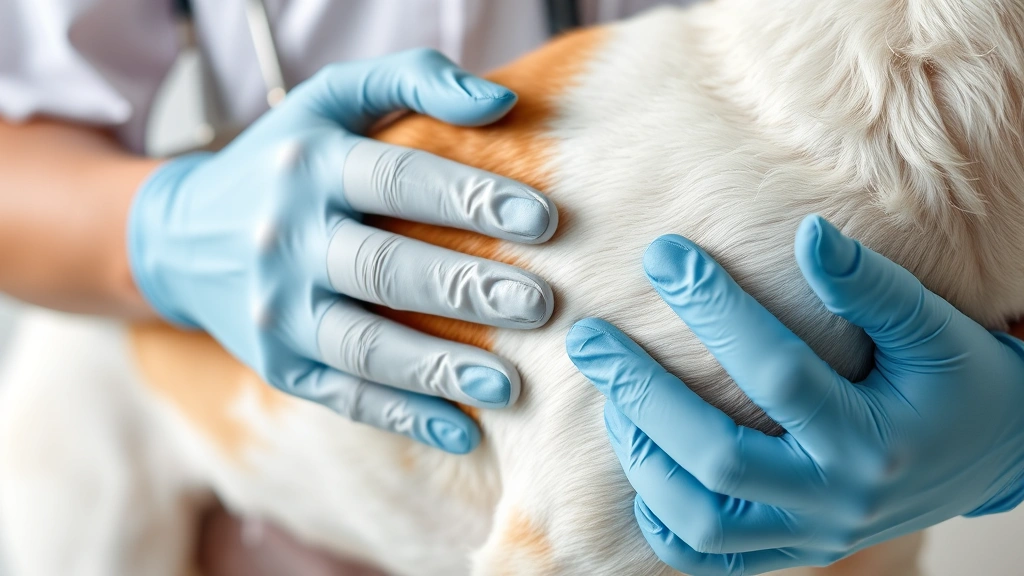
One of the most obvious warning signs of cancer in dogs is discovering lumps or bumps on their body. Now, not every lump is cancer (thank goodness!). Many dogs develop benign fatty tumors called lipomas in dogs, which are totally harmless. But here’s what you need to do: if you find any new lumps, especially ones that are growing quickly, feel hard, or seem attached to the skin, get your vet to check them out immediately. Your vet can perform a fine needle aspiration or biopsy to determine if it’s something serious.
Persistent Cough: Don’t Dismiss the Hacking
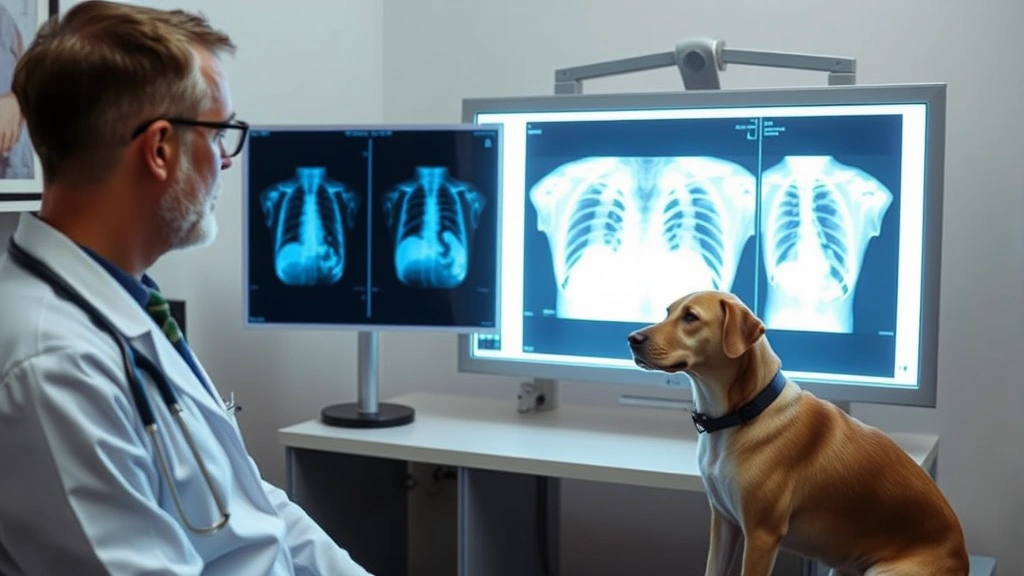
A persistent cough in your dog might seem like no big deal, especially if they’re an older pup. But canine cancer symptoms sometimes manifest as a chronic cough that just won’t go away. This could indicate lung cancer or cancer that’s spread to the lungs. If your dog has a dry cough and then gags, it’s worth investigating with your veterinarian. A cough lasting more than three weeks definitely warrants a vet visit and possibly chest X-rays.
Weight Loss Without Trying: The Mysterious Disappearing Act
If your dog is suddenly losing weight even though you haven’t changed their diet or exercise routine, that’s a major red flag. Cancer cells are metabolic vampires—they consume energy and nutrients at an alarming rate, causing your pup to waste away. This unexplained weight loss is one of the most common signs of cancer in dogs and shouldn’t be ignored. Even if your dog still seems to have an appetite, significant weight loss over a few weeks needs veterinary attention.
Changes in Appetite and Eating Habits
Sometimes dogs with cancer lose interest in food entirely, while other times they seem hungry but can’t eat properly due to mouth tumors or esophageal issues. Pay attention to whether your dog is turning their nose up at their favorite treats or struggling to chew and swallow. If meals that used to get them excited now get ignored, something’s up. Appetite changes combined with other symptoms are particularly concerning.
Abnormal Bathroom Habits: What’s Coming Out Matters
Keep an eye on your dog’s poop and pee. Straining to defecate, diarrhea that won’t quit, or blood in the stool can all indicate gastrointestinal cancers. Similarly, excessive urination, difficulty urinating, or blood in the urine might suggest urinary tract or bladder cancer. If you notice mucus in dog poop consistently, that’s another reason to schedule a vet appointment. Your dog’s waste tells a story—learn to read it.
Lethargy and Loss of Energy: The Personality Shift
Is your normally peppy pup suddenly acting like a couch potato? Extreme fatigue and lack of interest in activities they once loved can be cancer warning signs in dogs. Your dog might stop wanting to play, take shorter walks, or just seem generally depressed. This kind of behavioral change is often one of the first things dog owners notice, and it’s worth discussing with your vet. Cancer is exhausting—literally—because it drains your dog’s energy reserves.
Difficulty Breathing or Exercise Intolerance
If your dog is panting excessively, struggling to catch their breath, or gets winded after minimal activity, cancer could be the culprit. Lung cancer, heart tumors, or fluid accumulation in the chest cavity can all cause breathing difficulties. This is especially concerning if your dog previously had good exercise tolerance. Any sudden change in breathing patterns needs immediate veterinary evaluation, as it could indicate a serious condition.

Swelling in the Limbs or Face: Puffiness That Won’t Quit
Swollen legs, face, or abdomen can indicate lymphoma or other cancers affecting the lymph nodes. You might notice your dog’s face looks puffy or their legs seem enlarged. This kind of swelling is often accompanied by fluid retention and can make your pup uncomfortable. According to PetMD, lymphoma is one of the most common cancers in dogs, and swelling is often the first visible sign.
Discharge or Odor from the Mouth, Nose, or Other Openings
Foul-smelling discharge from your dog’s mouth, nose, ears, or rear end is definitely abnormal and could indicate cancer. Oral tumors, nasal cancer, or anal gland tumors can all produce unpleasant odors and discharge. Bad breath that’s worse than typical dog breath, especially if accompanied by difficulty eating, should be checked out. Your dog’s body is trying to tell you something.
Pale Gums and Bleeding: Internal Warning Signs
Take a peek at your dog’s gums—they should be pink and healthy looking. Pale gums can indicate anemia, which sometimes accompanies cancer. Similarly, unexplained bleeding from the nose, mouth, or rear end, or blood in vomit, are serious signs of cancer in dogs that require immediate attention. These symptoms suggest internal bleeding or blood-related cancers like hemangiosarcoma.
Lameness or Limping Without Injury: The Mystery Limp
If your dog suddenly starts limping or favoring a leg, and there’s no obvious injury, bone cancer (osteosarcoma) could be responsible. This type of cancer is particularly common in large breed dogs and typically affects the legs. The limp might come and go initially, but it usually gets progressively worse. Any unexplained lameness lasting more than a week needs veterinary investigation, especially if accompanied by swelling or pain.
Behavioral Changes and Confusion: The Mental Shift
Cancer that spreads to the brain or certain types of tumors can cause behavioral changes, confusion, disorientation, or even seizures. You might notice your dog seeming lost in familiar spaces, not recognizing family members, or acting unusually aggressive or anxious. These neurological symptoms are sometimes overlooked as normal aging, but they warrant veterinary attention. Brain tumors and other serious conditions can cause these behavioral shifts.
Frequently Asked Questions
What age do dogs typically get cancer?
While cancer can develop at any age, it’s most common in dogs over 10 years old. However, some cancers like lymphoma and bone cancer can affect younger dogs, particularly large breeds. Regular vet check-ups become increasingly important as your dog ages.
Can you feel cancer in a dog?
Sometimes, yes. Many cancers develop lumps or bumps you can feel under the skin. However, internal cancers like lung or liver cancer might not be palpable. This is why regular vet exams are crucial—vets can sometimes detect cancers through physical examination that you might miss at home.
How is dog cancer diagnosed?
Diagnosis typically involves a combination of physical examination, blood work, imaging (X-rays or ultrasound), and sometimes biopsies. Your vet might also recommend more advanced imaging like CT scans or MRI depending on the suspected cancer type. Early detection through these diagnostic tools can significantly improve treatment outcomes.
What breeds are prone to cancer?
All breeds can develop cancer, but some are more predisposed. Golden Retrievers, Labrador Retrievers, and German Shepherds have higher cancer rates. Large breed dogs are particularly susceptible to bone cancer. Mixed breeds generally have lower cancer rates than purebreds, possibly due to genetic diversity.
Is dog cancer always fatal?
Not necessarily. Some cancers are very treatable, especially if caught early. Treatment options include surgery, chemotherapy, radiation, or immunotherapy. Many dogs go into remission or live comfortably for extended periods with proper treatment. Your vet can discuss prognosis and treatment options specific to your dog’s situation.
How much does cancer treatment cost?
Treatment costs vary widely depending on the cancer type and treatment approach. Surgery might cost $1,000-$5,000, while chemotherapy can range from $3,000-$10,000 or more. Pet insurance and payment plans can help manage these expenses. Some owners opt for palliative care focused on comfort rather than aggressive treatment.
When to Call Your Vet: Don’t Wait and See
If you notice any combination of these signs of cancer in dogs, don’t play the waiting game. Call your vet and describe the symptoms. They’ll determine if your pup needs to come in right away or if it can wait a few days. Trust your gut—you know your dog better than anyone. Many vets can work you in relatively quickly if you mention concerning symptoms.
Prevention and Early Detection: Your Best Tools
While you can’t prevent cancer entirely, you can reduce risk factors. Maintain a healthy weight, provide a balanced diet, ensure regular exercise, and minimize exposure to environmental toxins. More importantly, schedule regular vet check-ups—at least annually for younger dogs and twice yearly for dogs over 7 years old. Early detection of conditions like Lyme disease symptoms in dogs and other illnesses can prevent complications that might increase cancer risk. Some vets also recommend screening bloodwork for older dogs to catch problems early.
Living With a Cancer Diagnosis: You’re Not Alone
If your dog is diagnosed with cancer, remember that this isn’t the end of the story. Many dogs live quality lives after a cancer diagnosis, especially with proper treatment and supportive care. Work closely with your vet or an oncology specialist to develop the best treatment plan for your pup’s specific situation. Support groups for pet parents dealing with canine cancer can also provide emotional support and practical advice. Your love and attention can make a huge difference in your dog’s comfort and quality of life during treatment.
Summary: Stay Vigilant, Stay Proactive
The bottom line? Signs of cancer in dogs are varied and sometimes subtle, but your awareness is your dog’s best defense. Watch for unexplained lumps, weight loss, behavioral changes, coughing, appetite changes, bathroom issues, lethargy, breathing problems, swelling, discharge, pale gums, lameness, and confusion. Don’t dismiss these symptoms as normal aging or minor issues. Regular vet check-ups, prompt attention to changes, and a healthy lifestyle all contribute to catching cancer early when treatment options are most effective. Your dog depends on you to be their health advocate, so trust your instincts and never hesitate to contact your veterinarian with concerns. Early detection saves lives—canine lives included.





