

If you’ve noticed your furry best friend acting a bit off lately, it’s time to talk about signs of kidney disease in dogs—because catching this sneaky condition early could literally save your pup’s life. Kidney disease in dogs is more common than you’d think, especially in senior dogs, and the tricky part? Many dogs don’t show obvious symptoms until the disease has already progressed significantly.
Table of Contents
- Understanding Canine Kidney Disease: The Basics
- Excessive Thirst: Your First Red Flag
- Increased Urination: The Bathroom Emergency
- Loss of Appetite and Weight Loss
- Lethargy and Fatigue: When Your Dog Loses Their Spark
- Bad Breath and Mouth Ulcers: The Stinky Situation
- Vomiting and Gastrointestinal Issues
- Pale Gums and Anemia: Looking Pale
- High Blood Pressure and Related Complications
- Behavioral Changes and Confusion
- What to Do If You Notice These Signs
- Prevention and Long-Term Management
- Frequently Asked Questions
- Summary: Staying Vigilant About Your Dog’s Health
Your dog’s kidneys are basically the unsung heroes of their body, filtering waste and keeping everything in balance. When they start to fail, your pup can’t tell you in words, so you’ve got to be their detective. Let’s break down what you need to watch for.
Understanding Canine Kidney Disease: The Basics
Before we dive into the warning signs, let’s get real about what kidney disease actually is. Chronic kidney disease (CKD) is when your dog’s kidneys gradually lose their ability to function properly. It’s progressive, meaning it gets worse over time, but the good news? With early detection and proper management, including a kidney diet for dogs, you can significantly improve your pup’s quality of life and lifespan.
Kidney disease affects about 10% of dogs that visit veterinary clinics, and that number climbs to 35% in senior dogs over age 10. It’s not a death sentence, but it does require attention and care.
Excessive Thirst: Your First Red Flag
One of the earliest and most obvious signs of kidney disease in dogs is polydipsia—fancy vet-speak for excessive thirst. If your dog suddenly seems glued to the water bowl or you’re refilling it constantly, that’s worth noting. Your pup might be drinking two to three times more water than usual.
Why does this happen? When kidneys aren’t filtering properly, they can’t concentrate urine effectively, so your dog’s body tells them to drink more to compensate. It’s like their internal system is screaming, “We need more liquid!” Pay attention to these changes, especially if they happen suddenly.
Increased Urination: The Bathroom Emergency
Hand in hand with excessive thirst comes increased urination. If your house-trained dog suddenly needs bathroom breaks every couple of hours, or worse, has accidents indoors, kidney disease might be the culprit. Some dogs might even seem desperate to get outside at night when they previously slept through.
This increased urination happens because those struggling kidneys produce more dilute urine. It’s not a behavioral issue or stubbornness—your dog’s body is literally working overtime to eliminate waste. This symptom combined with excessive thirst is a pretty strong indicator that a vet visit is overdue.
Loss of Appetite and Weight Loss
When kidney function declines, toxins build up in your dog’s bloodstream, which absolutely tanks their appetite. Your normally food-obsessed pup might suddenly turn their nose up at meals or show little interest in treats they once loved. Weight loss typically follows, sometimes quite rapidly.
This is serious business because nutrition becomes even more critical when managing kidney disease. A specialized kidney diet for dogs becomes essential to support their failing kidneys and maintain muscle mass. If your dog’s eating habits change, don’t assume it’s pickiness—get it checked out.
Lethargy and Fatigue: When Your Dog Loses Their Spark
Is your usually energetic pup suddenly acting like they’ve run a marathon after a short walk? Lethargy in dogs is a classic sign of kidney disease. Your dog might sleep more, seem less interested in playtime, or just generally lack their normal enthusiasm for life.
This fatigue happens because of the buildup of uremic toxins and anemia that often accompanies kidney disease. Your dog’s body is working hard to manage failing kidneys, leaving less energy for fun stuff. It’s heartbreaking to watch, but recognizing it as a potential symptom means you can take action.
Bad Breath and Mouth Ulcers: The Stinky Situation
Here’s something that catches a lot of pet parents off guard: kidney disease can cause some seriously nasty breath. We’re not talking about normal dog breath here—this is distinctly unpleasant, almost ammonia-like. Some dogs even develop ulcers in their mouth or on their tongue.
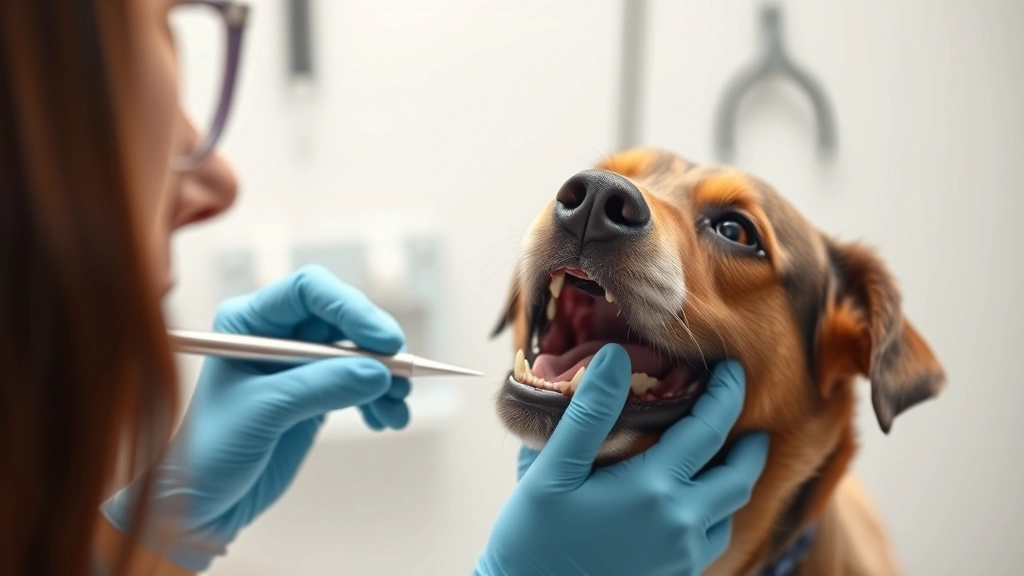
This happens because uremia (the buildup of urea in the blood) affects the mouth and digestive system. Your dog might drool excessively, have difficulty eating, or show signs of mouth pain. If your dog’s breath suddenly smells like a chemical factory, that’s a red flag worth investigating immediately.
Vomiting and Gastrointestinal Issues
Nausea and vomiting are super common in dogs with kidney disease. Your pup might occasionally vomit, or it could be more frequent. They might also have diarrhea or constipation—basically, their digestive system is throwing a tantrum because of those circulating toxins.
The uremic toxins we keep mentioning? They irritate the stomach lining and mess with the digestive tract. If your dog is experiencing persistent vomiting or changes in bowel movements, combined with other symptoms on this list, kidney disease could definitely be the cause. This is another reason why diet management becomes so critical—you need food that’s gentle on their system.
Pale Gums and Anemia: Looking Pale
Take a peek at your dog’s gums right now. They should be a healthy pink color. If they’re pale or whitish, that could indicate anemia, which commonly develops alongside kidney disease. Anemia happens because failing kidneys don’t produce enough erythropoietin, the hormone that stimulates red blood cell production.
Pale gums combined with lethargy, weakness, or lack of appetite creates a concerning picture. It’s another piece of the puzzle that points toward kidney issues. A simple blood test can confirm anemia, so don’t ignore this sign.
High Blood Pressure and Related Complications
Many dogs with kidney disease develop hypertension (high blood pressure), which can actually worsen kidney function—it’s a vicious cycle. Your vet might notice this during a routine checkup, or you might notice your dog seeming confused, having vision problems, or experiencing seizures if blood pressure gets really high.
The relationship between kidney disease and blood pressure is bidirectional: kidney disease causes high blood pressure, and high blood pressure damages kidneys further. Managing blood pressure becomes crucial in kidney disease management, often requiring medication and lifestyle adjustments.
Behavioral Changes and Confusion
Sometimes kidney disease affects the brain, causing behavioral changes or confusion. Your dog might seem disoriented, get lost in familiar places, or act differently than usual. They might pace, seem anxious, or just generally act “off.”
These neurological signs typically indicate more advanced kidney disease and should prompt immediate veterinary attention. Uremic encephalopathy is serious, but recognizing it as a symptom rather than just weird behavior could make all the difference in getting your pup proper care.
What to Do If You Notice These Signs
If your dog is showing one or more of these signs of kidney disease in dogs, don’t panic—but do schedule a vet appointment promptly. Your veterinarian will likely run blood work and urinalysis to assess kidney function. They might also recommend ultrasound or other imaging.
Early detection genuinely changes outcomes. Dogs diagnosed early can often be managed with medication, dietary changes, and supportive care. Your vet might recommend specific supplements, medications to manage blood pressure, and definitely a specialized kidney diet. Many pet parents also explore whether options like is Gatorade good for dogs for hydration support, though always consult your vet first.
According to the American Kennel Club, managing kidney disease requires a comprehensive approach including nutrition, medication, and regular monitoring. The PetMD resource on kidney disease provides excellent information on staging and management strategies.

Prevention and Long-Term Management
While you can’t always prevent kidney disease, you can support your dog’s kidney health through proper nutrition, regular exercise, maintaining healthy weight, and ensuring adequate hydration. Senior dogs especially benefit from regular vet checkups—ideally twice yearly after age 7.
Once diagnosed, management focuses on slowing disease progression. A kidney diet for dogs is often the cornerstone of treatment, typically featuring lower protein and phosphorus levels. Some dogs do well on specific prescription diets, while others might benefit from options like lamb dog food if it fits their nutritional needs.
Regular bloodwork helps your vet monitor kidney values and adjust treatment as needed. Medications might include ACE inhibitors to protect kidney function, phosphate binders, and medications for blood pressure or nausea. It’s an ongoing partnership between you, your dog, and your veterinary team.
Frequently Asked Questions
How long can a dog live with kidney disease?
This varies significantly based on the stage at diagnosis and how well the disease is managed. Some dogs live several years with proper care, while others might have a shorter timeframe. Early detection and aggressive management typically extend quality lifespan. Your vet can give you a more specific prognosis based on your individual dog’s kidney values and overall health.
Is kidney disease in dogs painful?
Kidney disease itself isn’t typically painful, but the complications can be uncomfortable. Mouth ulcers, nausea, and the general feeling of being unwell can make your dog miserable. Proper management, including pain relief and nausea medication if needed, helps keep your dog comfortable.
Can kidney disease in dogs be cured?
Unfortunately, chronic kidney disease cannot be cured—it’s progressive and irreversible. However, it can be managed effectively to slow progression and maintain quality of life. This is why early detection and consistent management are so important.
What’s the difference between acute and chronic kidney disease?
Acute kidney injury happens suddenly and might be reversible if caught and treated quickly. Chronic kidney disease develops gradually over time and is progressive. Chronic kidney disease is what we’re discussing here, and it requires long-term management.
Should I change my dog’s diet if they have kidney disease?
Absolutely yes. Diet is one of the most important management tools for kidney disease. A specialized kidney diet helps reduce the workload on failing kidneys and manages complications like high blood pressure and mineral imbalances. Your vet can recommend the best dietary approach for your specific dog.
Summary: Staying Vigilant About Your Dog’s Health
The signs of kidney disease in dogs might seem subtle at first, but they’re your dog’s way of asking for help. Excessive thirst, increased urination, loss of appetite, lethargy, bad breath, vomiting, pale gums, behavioral changes—these aren’t just quirks to overlook. They’re legitimate warning signs that deserve veterinary attention.
Here’s the bottom line: kidney disease is serious, but it’s manageable when caught early. Know your dog’s baseline habits and behaviors. When something changes—especially multiple symptoms appearing together—trust your instincts and call your vet. Your dog depends on you to be their advocate, and catching kidney disease early could give your beloved companion years of additional quality time together.
Don’t wait for symptoms to worsen. If you’re seeing any of these signs, schedule that vet appointment today. Your dog will thank you for it, even if they can’t say the words.





