

If you’re a dog parent, signs of parvo in dogs are something you absolutely need to know about—because catching this nasty virus early could literally save your pup’s life. Parvovirus is one of those diseases that sounds scarier than a surprise vet bill (okay, almost), but with the right knowledge, you can spot trouble before it becomes a full-blown emergency.
Table of Contents
- What Exactly Is Parvovirus in Dogs?
- The Classic Vomiting and Diarrhea Red Flags
- Lethargy: When Your Energizer Bunny Becomes a Couch Potato
- Fever and Body Temperature Changes
- Loss of Appetite: The “No Thanks, I’m Good” Symptom
- Abdominal Pain and Tenderness
- Dehydration: The Silent Killer
- Bloody Stools: A Serious Warning Sign
- Pale Gums and Weak Pulse
- Age and Vaccination Status: Risk Factors Matter
- When to Seek Emergency Care
- Frequently Asked Questions
- Prevention: The Best Medicine
- Summary: Stay Vigilant and Act Fast
What Exactly Is Parvovirus in Dogs?
Let’s start with the basics. Canine parvovirus, commonly called parvo, is a highly contagious viral infection that attacks your dog’s gastrointestinal system and, in severe cases, the heart. This little troublemaker spreads faster than gossip at a dog park and can survive on surfaces for months. Your dog can catch it through direct contact with infected dogs, contaminated feces, or even on your shoes if you’ve walked through an infected area.
The virus is particularly brutal to puppies and unvaccinated dogs, which is why vets stress vaccination like it’s their job (because it literally is). According to the American Kennel Club, parvovirus remains one of the most serious infectious diseases in dogs, so recognizing canine parvovirus symptoms early is crucial.
The Classic Vomiting and Diarrhea Red Flags
Here’s where things get unpleasant. One of the most obvious signs of parvo in dogs is sudden, severe vomiting and diarrhea. We’re not talking about your dog eating something weird and having a rough day—we’re talking projectile, relentless, often bloody diarrhea that smells absolutely heinous. The diarrhea typically has a distinctive foul odor and may contain blood or mucus.

Vomiting usually comes first, followed by diarrhea within a day or two. Your dog might refuse food and water, which leads to rapid dehydration. If your pup suddenly starts acting like they’ve got a stomach bug from hell, don’t wait around—contact your vet immediately. This is especially important if your dog isn’t up-to-date on vaccinations.
Lethargy: When Your Energizer Bunny Becomes a Couch Potato
A lethargic dog is often a sick dog. With parvo, your normally bouncy, playful pup might suddenly seem depressed, weak, and uninterested in their favorite activities. They’ll likely want to do nothing but lie around, and they might not even lift their head when you come home from work.
This lethargy happens because the virus is essentially attacking their body from the inside out. The combination of dehydration, nutrient loss, and systemic inflammation makes dogs feel absolutely miserable. If your typically active dog is suddenly acting like they’ve been hit by a truck, that’s a major warning sign.

Fever and Body Temperature Changes
Dogs with parvo often run a fever, sometimes spiking to 104°F (40°C) or higher. In the early stages, you might notice your dog feels warm to the touch, or they might shiver despite the warmth. Some dogs experience a biphasic fever pattern, where their temperature spikes, drops, and spikes again.
The tricky part? Some dogs actually experience hypothermia (low body temperature) as the disease progresses, which can be even more dangerous. If your dog feels unusually warm or cold, grab a thermometer and check their temp. Normal dog temperature ranges from 101-102.5°F (38.3-39.2°C), so anything significantly higher warrants a vet call.
Loss of Appetite: The “No Thanks, I’m Good” Symptom
When your dog suddenly turns their nose up at food—especially their beloved treats—something’s definitely wrong. Dogs with parvo typically lose their appetite completely, refusing even the tastiest morsels. This isn’t just pickiness; it’s a sign that their digestive system is in distress.

Combined with vomiting and diarrhea, this appetite loss leads to rapid weight loss and malnutrition. Your dog’s ribs might start showing more prominently, and they’ll generally look gaunt and unwell. If your pup hasn’t eaten in more than 24 hours, that’s your cue to get professional help.
Abdominal Pain and Tenderness
Dogs with parvo often experience significant abdominal pain. You might notice your dog adopting a “play bow” position frequently—front legs stretched out, rear end in the air—as they try to stretch out their sore belly. They might also whine, cry, or yelp when you touch their abdomen.
Some dogs become reluctant to move or walk normally because the pain is just too intense. If your dog is showing signs of discomfort in their belly area, especially combined with other parvo symptoms, don’t assume it’s something minor like constipation—get them checked out.
Dehydration: The Silent Killer
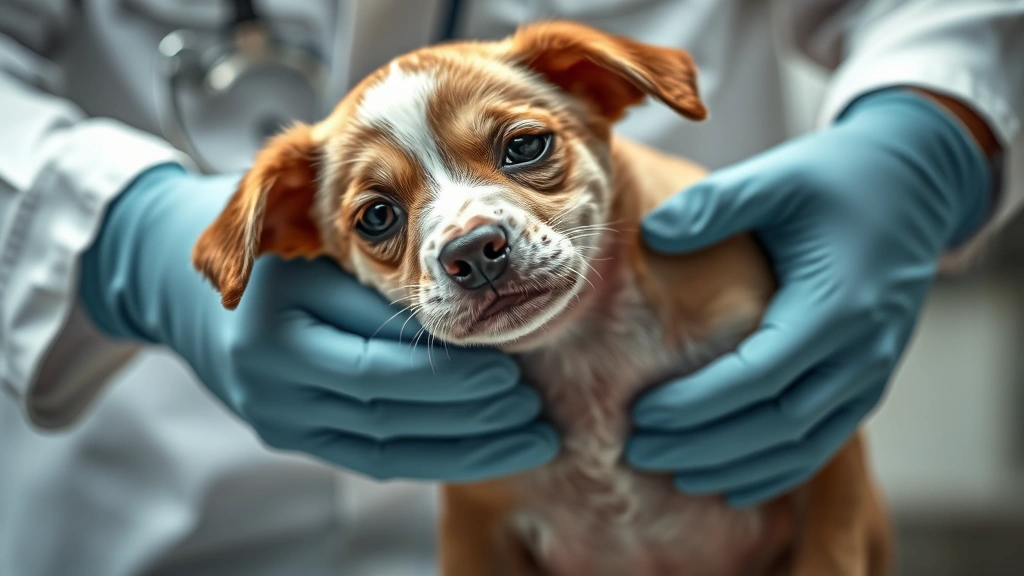
Dehydration is one of the most serious complications of parvo and can happen frighteningly fast. As your dog loses fluids through vomiting and diarrhea, their body becomes dangerously depleted of water and electrolytes. Signs of severe dehydration include dry gums, sunken eyes, loss of skin elasticity, and lethargy.
To check for dehydration, gently pull up the skin on your dog’s neck or shoulder. If it snaps back immediately, hydration is okay. If it stays “tented” for several seconds, your dog is dehydrated. Severe dehydration can lead to organ failure and shock, which is why IV fluid therapy is so critical in parvo treatment.
Bloody Stools: A Serious Warning Sign
While not all parvo cases result in bloody diarrhea, when it does occur, it’s a particularly concerning symptom. The blood is typically bright red and mixed with stool, or you might see dark, tarry stools. This indicates intestinal bleeding and tissue damage from the virus.
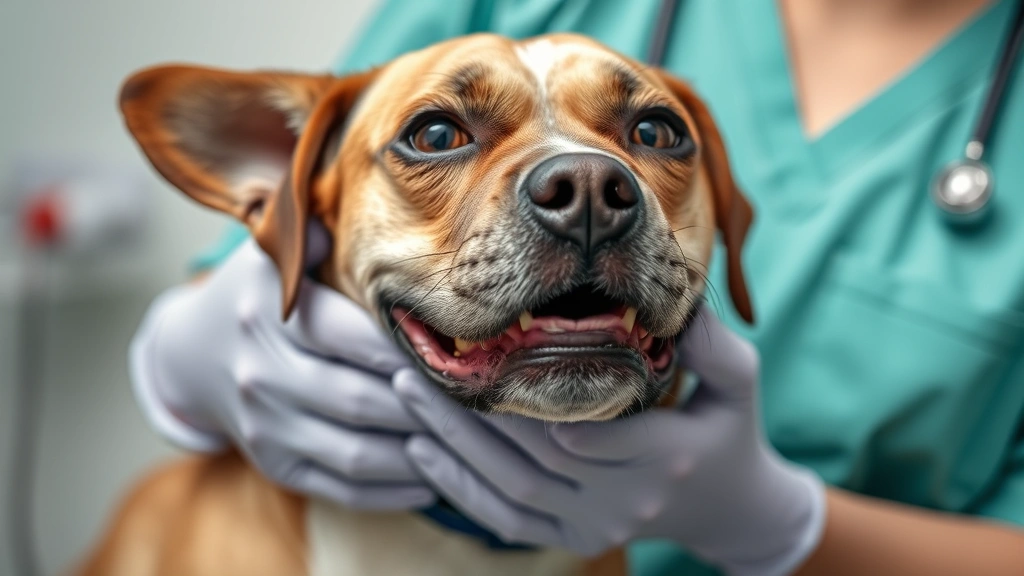
Bloody stools mean the infection has progressed significantly, and your dog needs emergency veterinary care immediately. According to PetMD, bloody diarrhea combined with other parvo symptoms indicates a severe case requiring aggressive treatment.
Pale Gums and Weak Pulse
In severe cases, parvo can cause shock, which manifests as pale or white gums, a weak or rapid pulse, and cold extremities. Your dog’s gums should be a healthy pink color—if they’re pale or grayish, that’s a red flag for shock or severe anemia.
Check your dog’s gums regularly if you suspect parvo. Press your finger on the gum; it should return to pink within 2 seconds. If the color return is delayed, your dog needs emergency care right away. These signs indicate your pup’s body is struggling to maintain circulation.

Age and Vaccination Status: Risk Factors Matter
While parvo can affect any unvaccinated dog, puppies under 16 weeks old and senior dogs are at highest risk. Puppies haven’t completed their vaccination series, and older dogs’ immune systems might be compromised. Certain breeds, including Rottweilers, Doberman Pinschers, and German Shepherds, seem to have higher susceptibility.
If your dog falls into a high-risk category and you notice any of the parvovirus symptoms mentioned above, don’t wait. Time is literally of the essence with parvo. Even a few hours’ delay in treatment can make a significant difference in outcome.
When to Seek Emergency Care
Here’s the bottom line: if your dog shows any combination of vomiting, diarrhea, lethargy, fever, or loss of appetite, especially if they’re unvaccinated or a puppy, contact your vet immediately. Don’t wait for symptoms to worsen or assume it’s just a stomach bug.

Emergency signs that require immediate action include: bloody diarrhea, severe lethargy or unresponsiveness, pale gums, inability to stand, repeated vomiting without relief, or any sign of shock. Get your dog to a vet or emergency clinic right away—parvo is treatable, but only if caught and managed quickly.
Frequently Asked Questions
How long does it take for parvo symptoms to appear?
Parvo symptoms typically appear 3-10 days after exposure to the virus. In some cases, symptoms might show up within 24-48 hours. During this incubation period, your dog can still transmit the virus to other dogs, even if they’re not showing symptoms yet. This is why vaccination and preventing exposure to potentially infected dogs is so important.
Can parvo be cured?
There’s no specific cure for parvovirus—treatment focuses on supporting your dog’s body while their immune system fights off the infection. This includes IV fluids for dehydration, anti-nausea medications, antibiotics to prevent secondary infections, and sometimes blood transfusions in severe cases. With aggressive supportive care, many dogs recover, though mortality rates are higher in puppies and untreated cases.
Is parvo contagious to humans?
Good news: parvo doesn’t infect humans. However, you can carry the virus on your hands, clothes, and shoes and transmit it to other dogs. If you’ve been around a dog with parvo, wash your hands thoroughly, change your clothes, and disinfect any surfaces before interacting with other dogs.
How much does parvo treatment cost?
Parvo treatment can be expensive, typically ranging from $1,000 to $5,000 or more, depending on severity and your location. Hospitalization, IV fluids, medications, and diagnostic tests all add up quickly. This is yet another reason why prevention through vaccination is so critical—it’s far cheaper and easier than treating a full-blown case.
Can vaccinated dogs get parvo?
Vaccinated dogs have strong protection against parvo, but no vaccine is 100% effective. Properly vaccinated dogs might still contract parvo, but their symptoms are typically much milder and recovery rates are significantly higher. This is why maintaining your dog’s vaccination schedule is essential, even if they’ve had the initial series.

Prevention: The Best Medicine
The absolute best way to protect your dog from parvo is vaccination. Puppies should receive their first parvo vaccine at 6-8 weeks old, with boosters every 3-4 weeks until 16 weeks old, then a booster at one year. Adult dogs need booster shots every 1-3 years, depending on the vaccine used and your vet’s recommendations.
Beyond vaccination, practice good hygiene: wash your hands after handling other dogs, avoid taking your unvaccinated puppy to parks or areas where unknown dogs frequent, and disinfect any areas where sick dogs have been. If you’re feeding low protein dog food due to digestive issues, discuss it with your vet—proper nutrition supports a stronger immune system.
Summary: Stay Vigilant and Act Fast
Recognizing the signs of parvo in dogs early can literally be the difference between life and death. Watch for vomiting, diarrhea, lethargy, fever, abdominal pain, and loss of appetite—especially in unvaccinated puppies or dogs. Keep your pup’s vaccinations current, practice good hygiene, and don’t hesitate to contact your vet if something seems off.
Parvo is serious, but it’s also preventable and treatable when caught early. Trust your gut, know your dog’s normal behavior, and when in doubt, call your vet. Your dog is counting on you to be their advocate, and catching parvo symptoms early is one of the most important things you can do for their health and survival.





