
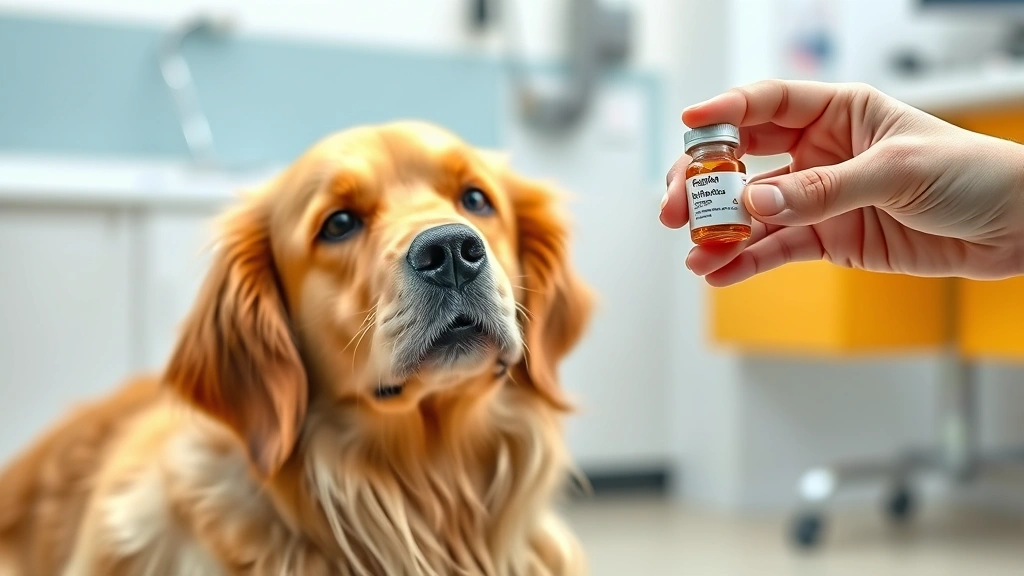
Simplicef for dogs is an oral antibiotic that veterinarians prescribe to treat bacterial infections, and honestly, it’s one of those medications that can be a real game-changer when your pup’s got a nasty infection brewing. If your vet has recommended this medication, you’re probably wondering what it does, how safe it is, and whether your furry friend will actually take the darn thing without a fuss.
Table of Contents
- What Exactly Is Simplicef?
- Common Bacterial Infections Treated with Cephalosporin Antibiotics
- Dosage and Administration Guidelines
- Safety Profile and Potential Side Effects
- Drug Interactions and Contraindications
- Storage and Handling Tips
- Comparing Simplicef to Other Canine Antibiotics
- When Your Dog Refuses to Take the Pill
- Monitoring Your Dog During Treatment
- Supporting Your Dog’s Recovery
- Cost Considerations and Availability
- Frequently Asked Questions
- Conclusion
What Exactly Is Simplicef?
Simplicef is the brand name for cefpodoxime proxetil, a third-generation cephalosporin antibiotic. Think of it as the heavy hitter in your vet’s infection-fighting arsenal. This medication works by disrupting bacterial cell walls, essentially making it impossible for bacteria to survive and multiply. It’s particularly effective against common canine pathogens like Staphylococcus and Streptococcus bacteria.
The beauty of Simplicef is that it comes in tablet form, making it easier to administer than some injectable alternatives. Your vet will determine the appropriate dosage based on your dog’s weight and the specific infection being treated.
Common Bacterial Infections Treated with Cephalosporin Antibiotics
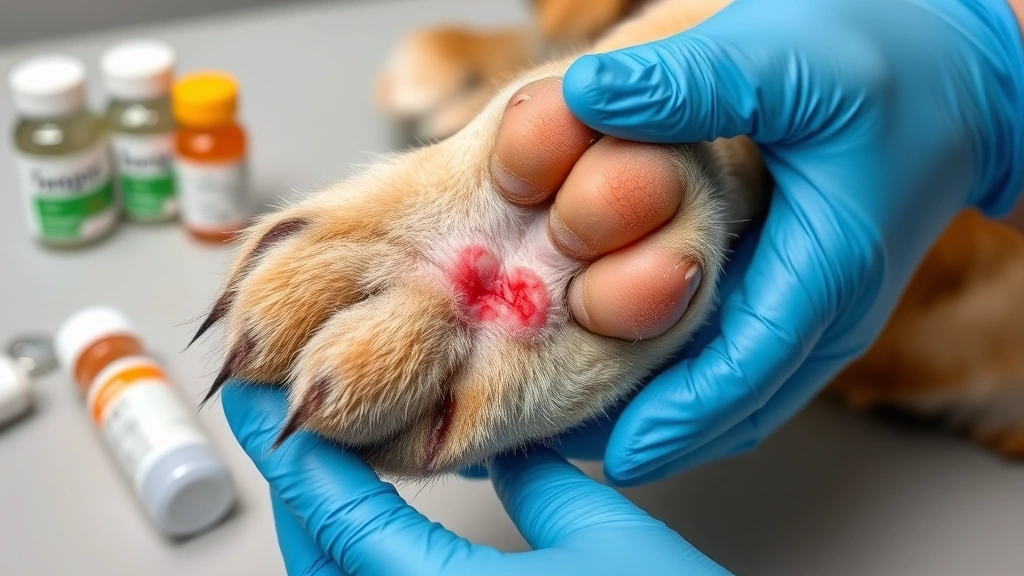
Vets prescribe Simplicef for a variety of bacterial infections in dogs. Skin infections are probably the most common reason you’ll see this medication prescribed. Whether it’s pyoderma (a bacterial skin infection that makes your dog’s skin angrier than a cat in a bathtub) or other dermatological issues, Simplicef steps in to help.
Urinary tract infections, respiratory infections, and ear infections also frequently warrant Simplicef treatment. Some dogs develop soft tissue infections after injuries or surgery, and this antibiotic can help prevent complications. Your vet might also recommend it for dental infections or abscesses.
Dosage and Administration Guidelines
Simplicef dosing typically ranges from 5-10 mg per pound of body weight, administered once or twice daily, depending on the infection’s severity. A 50-pound dog might receive a 250mg tablet once daily, while a smaller pup might get a 100mg tablet.
Here’s the pro tip: give Simplicef with food. This not only helps with absorption but also reduces the likelihood of stomach upset. Some dogs are food-motivated enough that hiding the tablet in a treat or peanut butter works like a charm. Others? Well, those are the dogs that make you question your life choices.
The typical treatment course lasts 7-14 days, though your vet might extend this depending on how your dog responds. Don’t be tempted to stop early just because Fluffy seems better—finishing the entire course is crucial to prevent antibiotic resistance.
Safety Profile and Potential Side Effects
Simplicef has a pretty solid safety record in dogs, which is why vets reach for it so often. However, like all medications, it’s not without potential side effects. The most common ones include mild gastrointestinal upset—think occasional vomiting or diarrhea. Usually, these side effects are manageable and temporary.
Some dogs experience allergic reactions, though this is relatively rare. Signs include facial swelling, hives, or difficulty breathing. If you notice any of these symptoms, contact your vet immediately. Dogs with a known cephalosporin allergy should obviously avoid this medication, and there’s a small cross-reactivity risk with penicillin-allergic dogs.
Liver disease in dogs can complicate antibiotic metabolism, so if your pup has liver disease in dogs, your vet needs to know before prescribing. Similarly, kidney issues might require dosage adjustments.
Drug Interactions and Contraindications
Before starting Simplicef, make sure your vet knows about any other medications your dog is taking. Certain drugs can interact with cephalosporins, potentially reducing effectiveness or increasing side effects. Probenecid, for instance, can increase Simplicef levels in the bloodstream.
If your dog is on immunosuppressive medications or has compromised immunity, your vet will want to monitor more closely. Pregnant or nursing dogs should only receive Simplicef if absolutely necessary, as safety data is limited in these populations.
Storage and Handling Tips
Keep Simplicef tablets at room temperature, away from moisture and direct sunlight. The bathroom medicine cabinet? Terrible idea—humidity will degrade the medication. A cool, dry closet or drawer works much better. Store it out of reach of curious dogs who might think pills are treats (they’re not).
Once your dog finishes the prescribed course, don’t save leftover tablets for future infections. Expired or improperly stored Simplicef loses potency and shouldn’t be used. Dispose of unused medication according to your pharmacy’s guidelines.
Comparing Simplicef to Other Canine Antibiotics
How does Simplicef stack up against other options? Amoxicillin-clavulanate (Augmentin) is another common choice, but Simplicef often has better absorption and a broader spectrum of activity. For respiratory infections, some vets prefer fluoroquinolones like enrofloxacin, though these come with their own considerations.
The advantage of Simplicef is its favorable safety profile combined with effectiveness against common pathogens. It’s also generally well-tolerated by most dogs, making it a go-to choice for many veterinarians.
When Your Dog Refuses to Take the Pill
Let’s be honest—some dogs are pill-refusing champions. If hiding it in food doesn’t work, ask your vet about compounding pharmacies that can create a flavored liquid version. Chicken or beef flavoring might convince even the most stubborn pup.
Another trick: wrap the pill in a small amount of cream cheese or liverwurst. The stinkier the better. Some dogs will swallow it whole without inspection. Others will spit it out with the precision of a sniper rifle. You know your dog best.
Monitoring Your Dog During Treatment
While Simplicef is generally safe, keep an eye on your dog throughout treatment. Watch for increased vomiting, severe diarrhea, or any behavioral changes. Most side effects appear within the first few days, but contact your vet if anything seems off.
If the infection isn’t improving after 5-7 days of treatment, let your vet know. Sometimes a different antibiotic or additional diagnostics are needed. Your vet might recommend a culture and sensitivity test to ensure you’re using the right medication.
For dogs with leptospirosis vaccine for dogs considerations or other vaccination schedules, coordinate timing with your vet since some vaccines shouldn’t be given during antibiotic treatment.
Supporting Your Dog’s Recovery
While Simplicef does the heavy lifting against bacteria, you can support your dog’s recovery in other ways. Ensure adequate rest, provide fresh water constantly, and maintain good nutrition. If your dog has skin infections, medicated dog shampoo can complement antibiotic therapy beautifully.

Quality nutrition matters too. Is Natural Balance a good dog food? It’s certainly a decent option for maintaining your dog’s overall health during recovery. Some vets also recommend supplements like milk thistle for dogs if liver support is needed, though this should be discussed with your veterinarian.
Cost Considerations and Availability
Simplicef is generally affordable compared to some specialty antibiotics. A typical course might cost $20-50 depending on your dog’s size and local veterinary pricing. Most vets stock it or can order it quickly, making it readily available.
If cost is a concern, ask your vet about generic cefpodoxime options, which are often cheaper than the brand name. The medication is identical; you’re just saving on branding.
Frequently Asked Questions
Can I give my dog Simplicef without a prescription?
No. Simplicef is a prescription medication that requires veterinary oversight. Your vet needs to diagnose the infection, determine appropriate dosing, and monitor for side effects. Using antibiotics without professional guidance contributes to antibiotic resistance, a serious public health concern.
How long does it take for Simplicef to work?
Most dogs show improvement within 3-5 days of starting treatment. However, you might not see dramatic changes immediately. Completing the full course is essential even if your dog seems better, as stopping early can allow bacteria to rebound and develop resistance.
Is Simplicef safe for puppies?
Simplicef can be used in puppies, but dosing and safety considerations differ from adult dogs. Your vet will determine if it’s appropriate for your puppy’s specific situation. Generally, puppies tolerate it well, but your vet should monitor closely.
What should I do if my dog vomits after taking Simplicef?
If vomiting occurs occasionally, it might just be a mild side effect. However, if it’s persistent or severe, contact your vet. They might recommend giving it with more food, adjusting the dosage, or switching to an alternative antibiotic.
Can Simplicef be used long-term?
Long-term antibiotic use isn’t ideal and increases resistance risks. Simplicef is designed for short-term treatment of acute infections. If your dog needs extended antibiotic therapy, your vet will reassess and possibly use different approaches.
Are there any breed-specific concerns with Simplicef?
Most breeds tolerate Simplicef equally well. However, dogs with pre-existing liver or kidney disease need careful monitoring regardless of breed. Always inform your vet about your dog’s complete medical history.
Conclusion
Simplicef for dogs is a reliable, well-tolerated antibiotic that effectively treats various bacterial infections. When prescribed appropriately and administered as directed, it can help your furry friend recover quickly from infections that would otherwise cause serious complications. The key to success is following your vet’s instructions precisely, completing the full course even when symptoms improve, and monitoring for any adverse reactions. If your vet has recommended Simplicef, you can feel confident that they’ve chosen a medication with a solid safety profile and proven effectiveness. Just remember: always use prescription antibiotics under veterinary supervision, keep an eye on your pup during treatment, and don’t hesitate to contact your vet if anything seems amiss. Your dog’s health is worth the attention to detail.





