
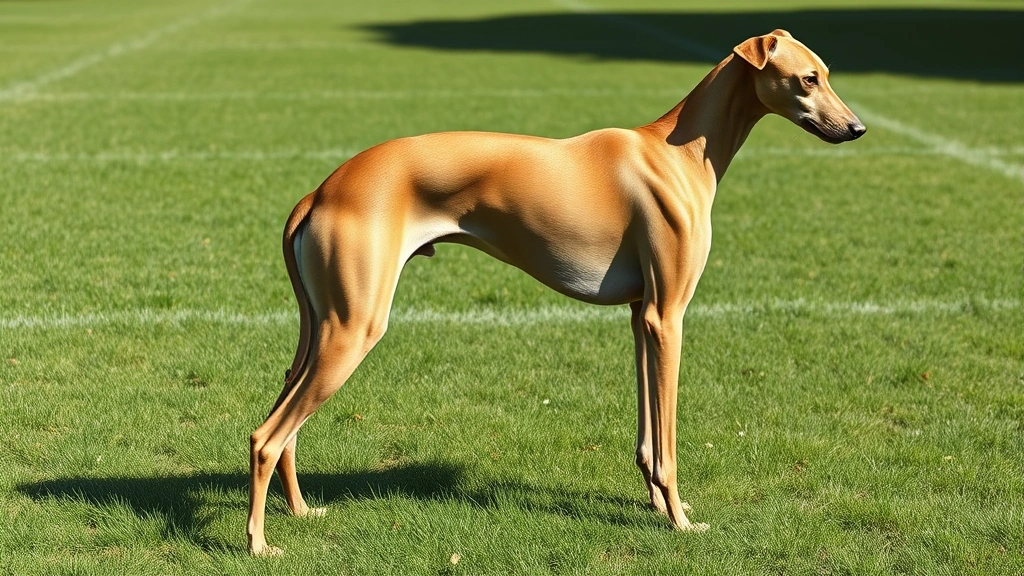
A skeleton dog isn’t actually a breed—it’s a term that’s taken over the internet to describe dogs with extremely lean, prominent bone structure and minimal body fat. If you’ve scrolled through social media and wondered “what the heck is that skinny dog?” you’ve probably encountered a skeleton dog. These aren’t malnourished pups; they’re just naturally built like canine supermodels with their ribs, spine, and hip bones visible enough to trace with your finger.
Table of Contents
- What Exactly Is a Skeleton Dog?
- Which Breeds Make the Best Skeleton Dogs?
- Health Considerations for Lean Dogs
- Nutrition for Skeleton Dogs
- Exercise and Activity Levels
- Common Misconceptions About Skeleton Dogs
- Age and Skeleton Dog Appearance
- Grooming and Skin Care for Skeleton Dogs
- Behavioral Traits of Skeleton Dog Breeds
- When to Worry About Your Dog’s Skeletal Appearance
- Breeding and Genetics Behind Skeleton Dogs
- Socialization and Training for Skeleton Dogs
- Frequently Asked Questions
- Conclusion: Understanding Your Skeleton Dog
What Exactly Is a Skeleton Dog?
The skeleton dog phenomenon refers to dogs whose body composition naturally displays visible skeletal features. This isn’t a breed standard or recognized breed category—it’s more of an internet-born descriptor for dogs that look like they’re wearing their bones on the outside. Some breeds are genetically predisposed to this lean appearance, while others might look this way due to age, health conditions, or lifestyle factors.
The term became viral when pet owners started sharing photos of their remarkably thin dogs, sparking both concern and fascination among pet lovers. What makes a skeleton dog different from an underweight or malnourished dog is that these pups are typically healthy, active, and at their ideal weight according to veterinary standards.
Which Breeds Make the Best Skeleton Dogs?
Certain breeds naturally have that skeletal appearance even when perfectly healthy. Italian Greyhounds, Whippets, Greyhounds, and Pharaoh Hounds are prime examples. These sighthound breeds were developed for speed and agility, so their lean physique isn’t a bug—it’s a feature. Their metabolism and muscle composition mean they’ll always look a bit like they’re made of toothpicks and sinew.
Other breeds that commonly display skeleton dog characteristics include Vizslas, Weimaraners, and Afghan Hounds. These elegant canines have minimal body fat and prominent bone structure as part of their genetic makeup. If you own one of these breeds and they’re eating well and passing health checks, congratulations—you’ve got yourself a legitimate skeleton dog.
Health Considerations for Lean Dogs
Just because your dog looks like a anatomy lesson doesn’t mean they’re unhealthy. However, lean dogs do have specific care requirements. Their visible bones mean less padding for protection, so they’re more susceptible to injury from rough play or falls. They also tend to feel cold more easily, so you might need to invest in dog sweaters for winter walks.
Regular veterinary check-ups are crucial for skeleton dogs. Your vet can confirm that your pup’s lean appearance is natural and not indicative of underlying health issues. Some conditions can cause rapid weight loss, so if your dog suddenly becomes skeletal, that’s a red flag worth investigating with a professional.
Consider joint supplements for dogs if your skeleton dog is aging. Their prominent joints bear the brunt of their athletic lifestyle, and supplements can help maintain joint health and mobility as they get older.
Nutrition for Skeleton Dogs
Feeding a skeleton dog requires understanding their unique metabolic needs. These high-energy, lean dogs often need more calories per pound of body weight than their chunkier counterparts. They’re like tiny furry engines that burn through fuel constantly.
Quality matters more than quantity. High-protein kibble, healthy fats, and nutrient-dense foods support their active lifestyle and maintain their muscle definition. Many skeleton dog owners find that feeding multiple smaller meals throughout the day keeps their dog’s metabolism stable and energy levels consistent.
Don’t fall for the misconception that skeleton dogs are underfed. Many owners actually struggle to keep weight on these metabolic powerhouses. If your lean dog is eating well, maintaining energy, and passing health checks, they’re probably getting exactly what they need.
Exercise and Activity Levels
Skeleton dogs aren’t lazy couch potatoes—most are bred for athleticism and need substantial daily exercise. Greyhounds, Whippets, and Vizslas are sprinters by nature, so they need opportunities to run, chase, and play. A skeleton dog that doesn’t get adequate exercise might actually become destructive or anxious.
These lean pups excel at dog sports like agility, lure coursing, and dock diving. Their body structure makes them natural athletes, and they thrive when their physical and mental needs are met. If you’re considering a skeleton dog breed, factor in at least 30-60 minutes of quality exercise daily.
Common Misconceptions About Skeleton Dogs
The biggest misconception? That skeleton dogs are abused or malnourished. Social media has created a lot of concern, with well-meaning people suggesting that owners “feed that poor dog.” In reality, many skeleton dogs are perfectly healthy specimens whose owners are doing everything right.
Another myth is that all skeleton dogs are the same breed. They’re not. The term applies to multiple breeds and body types that share the characteristic of visible skeletal structure. Some are naturally this lean; others might be senior dogs or dogs with specific health conditions.
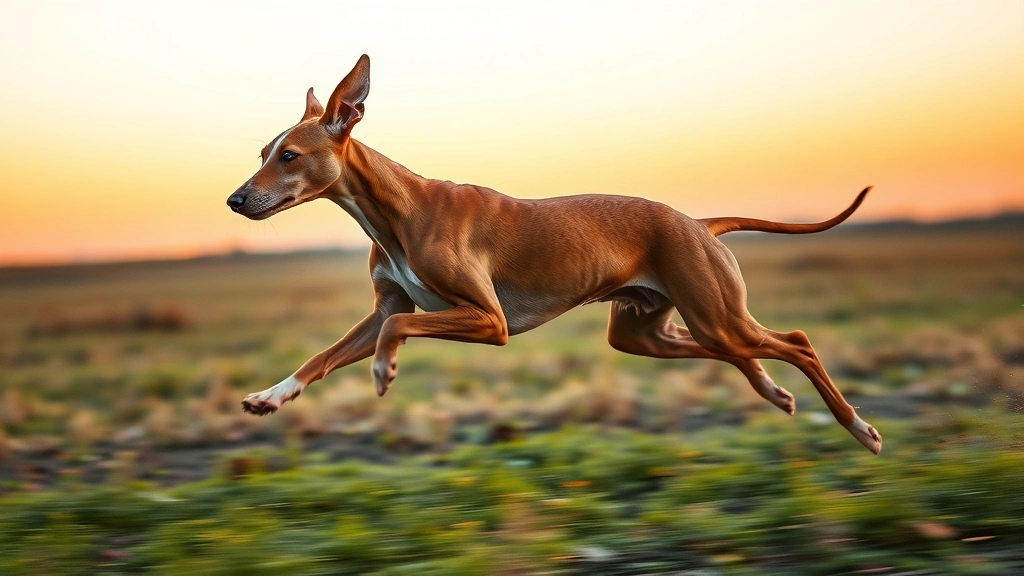
Some people also assume skeleton dogs can’t handle cold weather or rough play. While they do need extra protection in winter, many skeleton dogs are tougher than they look and love playing with other dogs. They just need appropriate precautions and monitoring.
Age and Skeleton Dog Appearance
Senior dogs often develop a more skeletal appearance as they age. Muscle mass decreases naturally, and body fat diminishes. This is different from a young skeleton dog breed that’s always looked lean. If your dog suddenly becomes visibly skeletal, it might indicate age-related changes or health issues worth discussing with your vet.
Older skeleton dogs might benefit from low energy dog breeds lifestyle adjustments—less intense exercise, more frequent vet visits, and possibly orthopedic support. Understanding how aging affects your lean dog’s appearance and health is crucial for providing appropriate care.
Grooming and Skin Care for Skeleton Dogs
Skeleton dogs often have short, sleek coats that show off their bone structure beautifully. Grooming is typically straightforward—regular brushing keeps their coat shiny and healthy. However, their exposed skin requires attention during extreme weather.
Sunburn can be a real issue for skeleton dogs with minimal fur coverage. During summer, consider dog sunscreen for exposed areas, and provide shade during outdoor activities. Winter requires protective clothing to prevent hypothermia and frostbite on extremities.
Dental care and nail maintenance are important too. Without the padding of body fat, every step impacts their joints and bones more directly, so keeping nails trimmed helps maintain proper gait and joint alignment.
Behavioral Traits of Skeleton Dog Breeds
Most skeleton dog breeds share common behavioral traits rooted in their breeding history. They’re often prey-driven, independent, and possess strong chase instincts. This means they need secure fencing, reliable recall training, and careful management around smaller pets.
These dogs are typically intelligent and sensitive. They respond well to positive reinforcement but can be stubborn. Their high prey drive means they’re not ideal for households with cats or small animals unless raised with them from puppyhood.
Socialization is crucial for skeleton dog breeds. Early exposure to different people, environments, and other dogs helps prevent fear-based behaviors and ensures they’re well-adjusted companions.
When to Worry About Your Dog’s Skeletal Appearance
Not all skeletal appearances are normal. If your dog suddenly loses weight, stops eating, or shows signs of illness alongside their lean appearance, seek veterinary care immediately. Conditions like parasites, thyroid issues, dental disease, or cancer can cause rapid weight loss.
If your dog is lethargic, has dull fur, or displays behavioral changes alongside skeletal appearance, something’s wrong. Healthy skeleton dogs are vibrant, energetic, and have shiny coats. If your pup looks skeletal AND sick, that’s a vet emergency.
Additionally, if you have concerns about is it cruel to keep a blind dog or other quality-of-life issues, your veterinarian can help you assess whether your dog’s overall condition supports their health and happiness.
Breeding and Genetics Behind Skeleton Dogs
The skeleton dog appearance isn’t accidental—it’s the result of selective breeding for specific traits. Sighthound breeds were developed to hunt using sight and speed, requiring lean, muscular bodies with minimal excess weight. Their skeletal appearance is literally written into their genetic code.
Responsible breeders understand these genetic predispositions and breed for health alongside appearance. They screen for genetic conditions common in lean breeds and ensure their dogs can live long, healthy lives while maintaining their characteristic look.

If you’re considering getting a skeleton dog breed, work with reputable breeders who prioritize health testing and can provide documentation of their breeding dogs’ health clearances.
Socialization and Training for Skeleton Dogs
Training a skeleton dog requires patience and understanding of their independent nature. These breeds were developed to make decisions while hunting, so they don’t always follow commands blindly. Positive reinforcement works better than harsh corrections.
Early socialization prevents fear aggression and prey-drive incidents. Exposing your skeleton dog to various situations, people, and other animals during puppyhood sets them up for success as adults. Many skeleton dog breeds can develop anxiety or reactivity if not properly socialized.
Mental stimulation is as important as physical exercise. Puzzle toys, scent work, and training sessions keep their sharp minds engaged and prevent destructive behaviors born from boredom.
Frequently Asked Questions
Is a skeleton dog the same as a malnourished dog?
No. A healthy skeleton dog is at their ideal weight with visible bone structure due to genetics or breed standards. A malnourished dog shows signs of illness, has a dull coat, lacks energy, and may have behavioral changes. Healthy skeleton dogs are vibrant and active.
What should I feed my skeleton dog?
Feed high-quality, protein-rich food appropriate for their life stage and activity level. Most skeleton dogs need more calories per pound than heavier breeds. Consult your vet about portion sizes and meal frequency to maintain optimal weight and energy.
Do skeleton dogs get cold easily?
Yes. With minimal body fat and often short coats, skeleton dogs are more susceptible to cold. Provide dog sweaters or coats during cool weather, limit time outside in freezing temperatures, and watch for signs of hypothermia like shivering or lethargy.
Are skeleton dog breeds good for families with children?
It depends on the specific breed and the dog’s socialization. Many skeleton dog breeds have high prey drives and strong chase instincts. They can be great family dogs with proper training and socialization, but they require experienced owners who understand their needs.
How often should I take my skeleton dog to the vet?
Annual check-ups are standard, but skeleton dog breeds might benefit from more frequent visits, especially as they age. Their lean build can make it easier to spot health changes, and regular vet contact ensures any issues are caught early.
Can skeleton dogs participate in dog sports?
Absolutely. In fact, many skeleton dog breeds excel in sports like agility, lure coursing, dock diving, and obedience competitions. Their athletic build and high energy make them natural athletes.
Conclusion: Understanding Your Skeleton Dog
A skeleton dog isn’t a cause for concern if your pup is healthy, eating well, and living an active life. Whether your dog is a Greyhound, Whippet, Vizsla, or another lean breed, understanding their unique needs ensures they thrive. These remarkable canines are built for speed, agility, and athleticism—their skeletal appearance is a feature, not a flaw.
If you own a skeleton dog or are considering getting one, focus on quality nutrition, adequate exercise, regular veterinary care, and appropriate socialization. Monitor for any sudden changes in appearance or behavior, and don’t hesitate to consult your vet if something seems off. With proper care, your skeleton dog will be a healthy, happy, and absolutely stunning companion for years to come.
Remember, not every dog that looks skeletal is the same. Some are naturally lean breeds, others are seniors experiencing age-related changes, and some might have underlying health issues. Know your individual dog, work with your veterinarian, and provide the care that keeps them thriving. That’s what responsible skeleton dog ownership looks like.





