
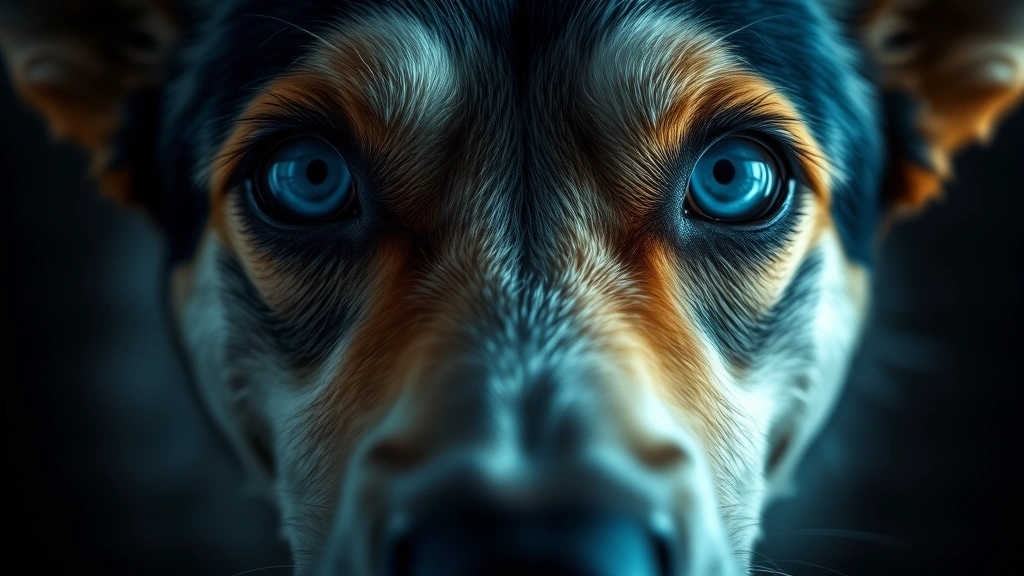
A skinwalker dog might sound like something straight out of a paranormal podcast, but this creepy concept has taken over pet owner forums and cryptid communities alike. Whether you’re a believer in the supernatural or just fascinated by bizarre animal behavior, understanding what people mean by “skinwalker dog” can help you determine if your furry friend is just quirky or genuinely unsettling.
Table of Contents
- What Exactly Is a Skinwalker Dog?
- Sign #1: Unnaturally Intense Eye Contact and Human-Like Staring
- Sign #2: Impossibly Human-Like Movements and Posture
- Sign #3: Vocalizations That Don’t Sound Canine
- Sign #4: Predatory Intelligence and Calculated Behavior
- Sign #5: Behavioral Changes That Defy Explanation
- Medical and Behavioral Explanations for “Skinwalker Dog” Behavior
- The Psychology Behind the Skinwalker Dog Phenomenon
- When to Actually Worry About Your Dog’s Behavior
- Practical Tips for Managing Unusual Dog Behavior
- Frequently Asked Questions
- Conclusion: Your Dog Is Probably Just Weird, Not Paranormal
What Exactly Is a Skinwalker Dog?
The term “skinwalker dog” blends Navajo folklore with modern pet anxiety. Traditionally, skinwalkers are shapeshifters from Native American mythology—entities that can inhabit animal bodies. In contemporary pet culture, though, people use “skinwalker dog” to describe dogs that exhibit bizarre, almost human-like behaviors that seem genuinely wrong. These aren’t just silly quirks; they’re the kind of behaviors that make you do a double-take and question reality.
Pet owners report that skinwalker dog behavior includes uncanny intelligence, unsettling eye contact, and movements that feel “off” in ways they can’t quite explain. Some describe it as their dog understanding language too well or moving with an eerie coordination that doesn’t match typical canine locomotion.
Sign #1: Unnaturally Intense Eye Contact and Human-Like Staring
Dogs make eye contact, sure. But a skinwalker dog takes it to creepy levels. We’re talking about prolonged, unblinking stares that feel purposeful and almost accusatory. Normal dogs look away; they’re naturally submissive in that way. A skinwalker dog? It holds your gaze like it’s reading your soul.
This behavior often comes with what owners describe as “understanding” in the eyes. The dog seems to comprehend what you’re saying at an impossible level. You mention the word “vet” whispered to your spouse, and suddenly your dog is acting anxious—before you’ve done anything to indicate a trip is coming. That’s the kind of eerie perception that fuels skinwalker dog theories.
Veterinarians note that intense staring can indicate medical issues like neurological problems or pain, so if your pup is doing this excessively, consult the AKC’s expert advice or visit your vet immediately.
Sign #2: Impossibly Human-Like Movements and Posture
Ever seen a dog stand on its hind legs for way too long? Most dogs do this occasionally. But a skinwalker dog might walk around your house bipedal, move with unsettling coordination, or position itself in ways that feel anatomically wrong for a canine. Some owners report their dogs moving their front paws in almost hand-like gestures or sitting in positions that seem to defy normal dog flexibility.
The creepiest part? These movements sometimes look deliberate, like the dog is trying to mimic human behavior. It’s not the cute puppy-standing-for-a-treat thing—it’s sustained, purposeful, and genuinely unnerving. Dogs with certain breeds, like long haired dogs, might appear even more unsettling when adopting these postures due to how their fur drapes.
Sign #3: Vocalizations That Don’t Sound Canine
Normal dogs bark, whine, and howl. A skinwalker dog, though? It produces sounds that are disturbingly close to human speech patterns. Owners report their dogs making guttural sounds, almost-words, or vocalizations that sound like they’re trying to mimic human language. Some describe it as their dog “talking” in a way that’s clearly intentional.
These aren’t random noises—they often happen in response to human conversation, as if the dog is attempting to participate in dialogue. The most unnerving accounts describe dogs making sounds that resemble words or phrases, creating an uncanny valley effect that makes your skin crawl.
According to PetMD’s behavior section, unusual vocalizations can indicate stress, medical issues, or learned behaviors, but the frequency and context matter significantly.
Sign #4: Predatory Intelligence and Calculated Behavior
Dogs are smart, but there’s a difference between “my dog learned to open the fridge” and “my dog is strategizing.” A skinwalker dog displays what owners describe as predatory intelligence—the kind of calculated behavior that suggests the animal is thinking several steps ahead.

This includes things like: understanding cause and effect in disturbing ways, manipulating family members to get what they want, or displaying hunting patterns that seem too coordinated and purposeful. Some owners report their skinwalker dogs studying prey animals with an intensity that goes beyond normal canine hunting instinct. It’s the difference between “my dog wants to chase the squirrel” and “my dog is analyzing the squirrel’s escape routes.”
These behaviors might indicate high intelligence, prey drive issues, or neurological problems. Breeds with naturally high prey drive, like some kinds of pitbull dogs, might display more intense predatory behaviors, but the key difference is intentionality.
Sign #5: Behavioral Changes That Defy Explanation
Your dog was normal yesterday. Today? It’s acting like a completely different animal. A skinwalker dog might display sudden, unexplained behavioral shifts—aggression where there was none, unusual shyness, or personality changes that don’t correlate with any environmental trigger you can identify.
Owners describe their dogs suddenly refusing to enter certain rooms, acting terrified of family members they previously loved, or displaying behaviors that seem to contradict their fundamental personality. The unsettling part is that these changes happen without warning and without any clear cause.
Before jumping to paranormal conclusions, understand that sudden behavioral changes almost always have medical explanations: pain, hormonal imbalances, neurological issues, or trauma. A vet visit should be your first step, not your last.
Medical and Behavioral Explanations for “Skinwalker Dog” Behavior
Here’s the truth: most skinwalker dog behavior has rational explanations. Neurological issues, thyroid problems, pain, anxiety, and learned behaviors can all create the unsettling symptoms people attribute to paranormal activity. Dogs with merle dog coloring sometimes have hearing or vision issues that can cause behavioral oddities.
Canine cognitive dysfunction (essentially doggy dementia) causes personality changes, unusual vocalizations, and behavioral shifts that can feel genuinely eerie. Neurological conditions like seizure disorders can create bizarre behavioral moments. Chronic pain makes dogs act differently—more aggressive, withdrawn, or anxious than usual.
The point? If your dog is acting like a skinwalker, get a veterinary evaluation first. Rule out medical issues before you start researching paranormal pet phenomena.
The Psychology Behind the Skinwalker Dog Phenomenon
Why do people believe in skinwalker dog concepts? Partly because dogs are genuinely mysterious creatures. They communicate differently than humans, they have senses we don’t fully understand, and they sometimes behave in ways that seem intentional and calculated. When a dog does something we can’t explain, our brains jump to the most dramatic conclusion.
There’s also a cultural component. Skinwalker mythology is compelling, and applying it to pets creates an engaging narrative. It’s more fun to believe your dog is a supernatural entity than to accept it might have a thyroid problem or learned anxiety.
When to Actually Worry About Your Dog’s Behavior
Forget the paranormal stuff for a second. When should you genuinely be concerned? If your dog displays any of these signs, contact your vet:

- Sudden aggression or behavioral changes
- Unusual vocalizations that are new or increasing
- Difficulty moving or posture changes
- Excessive staring or apparent confusion
- Loss of house training or bathroom habit changes
- Changes in appetite or water consumption
- Seizures or tremors
These could indicate serious medical issues that need professional attention. Your vet can run tests, evaluate neurological function, and rule out physical problems. If everything checks out medically, a certified animal behaviorist can help address learned behaviors or anxiety issues.
Practical Tips for Managing Unusual Dog Behavior
Whether your dog is genuinely odd or just quirky, here’s how to handle it:
- Document everything: Keep notes on when unusual behaviors occur, what triggers them, and how long they last. This information helps vets diagnose problems.
- Get a vet checkup: Make this your first step, always. Medical issues come before behavioral training.
- Consult a behaviorist: If your vet rules out medical problems, a certified animal behaviorist can assess learned behaviors and anxiety.
- Maintain routine: Dogs thrive on predictability. Consistent feeding times, exercise schedules, and sleeping arrangements help reduce anxiety-driven odd behaviors.
- Avoid reinforcement: Don’t reward unusual behaviors with attention, even negative attention. This can reinforce them.
- Provide mental stimulation: Bored dogs develop weird habits. Puzzle toys, training sessions, and interactive play keep their brains engaged.
Remember, even if your dog wears a military dog tags and looks like it belongs in a tactical unit, it’s still just a dog—one that deserves proper medical care and behavioral support.
Frequently Asked Questions
Can dogs actually be skinwalkers?
No. Skinwalkers are mythological entities from Navajo folklore. Dogs are animals with biological brains and behaviors. What people interpret as “skinwalker” behavior usually has medical or behavioral explanations.
What should I do if my dog exhibits skinwalker-like behavior?
Schedule a veterinary appointment immediately. Unusual behaviors, intense staring, strange vocalizations, and personality changes often indicate medical issues like neurological problems, pain, or hormonal imbalances. Once medical issues are ruled out, consult a certified animal behaviorist.
Is it normal for dogs to make human-like sounds?
Dogs can learn to mimic human sounds and speech patterns, especially if rewarded for it. However, sudden or excessive vocalizations that sound human-like can indicate medical issues, stress, or learned behaviors. If this is new, contact your vet.
Why do dogs stare intensely?
Dogs stare for many reasons: they want something, they’re reading your emotional cues, they’re confused, or they’re experiencing medical issues. Excessive staring, especially if new or accompanied by other behavioral changes, warrants a vet visit.
Can breed affect “skinwalker dog” behavior?
Certain breeds have naturally higher prey drive, intelligence, or intensity that might seem unsettling to some owners. However, genuinely unusual behavior is unusual regardless of breed and should be evaluated by a veterinarian.
Conclusion: Your Dog Is Probably Just Weird, Not Paranormal
The skinwalker dog phenomenon is fascinating, but the reality is less spooky: your dog is probably just exhibiting normal canine behavior that seems eerie through the lens of human perception. Dogs are intelligent, communicative creatures that sometimes do things we don’t immediately understand. That doesn’t make them supernatural—it makes them dogs.
If your pup is displaying unusual behavior, start with a vet visit. Rule out medical issues, get a behavioral assessment if needed, and provide proper care and training. Your dog deserves that, paranormal or not. And honestly? A well-trained, healthy dog is way cooler than any mythological creature anyway.





