
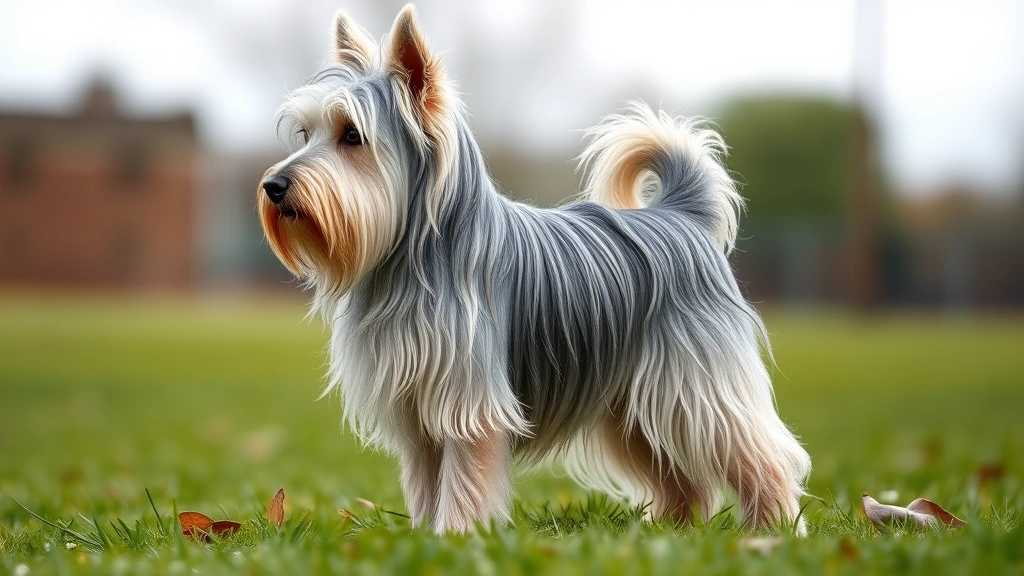
If you’re considering bringing home a Skye terrier dog breeds member into your family, buckle up—you’re about to meet one of Scotland’s most stubborn, adorable, and hilariously independent pups. These little furballs pack more personality into their long bodies than most dogs twice their size, and honestly, they know it.
Table of Contents
- What Exactly Is a Skye Terrier?
- The Iconic Look: Long Coat and Elegant Stance
- Temperament: The Stubborn Scottish Soul
- Training Challenges: Patience Required
- Grooming: Prepare for the Marathon
- Health Considerations for Skye Terrier Dog Breeds
- Exercise Needs: Don’t Underestimate the Terrier
- Diet and Nutrition: Fueling Your Terrier
- Living Arrangements: Apartment or House?
- Socialization and Compatibility with Other Pets
- Common Behavioral Issues
- Choosing a Breeder: What to Look For
- Cost of Ownership: What You’ll Actually Spend
- Frequently Asked Questions
- Conclusion: Is a Skye Terrier Right for You?
What Exactly Is a Skye Terrier?
The Skye terrier is a small but mighty Scottish breed that originated on the Isle of Skye. Don’t let their compact size fool you—these dogs were originally bred to hunt foxes, badgers, and otters. They’ve got the courage of a lion and the determination of a Scottish warrior. Standing only 9-10 inches tall and weighing 25-40 pounds, they’re perfectly proportioned for fitting into your lap while simultaneously ruling your entire household. Their most distinctive feature? That gloriously long coat that practically drags on the ground, giving them an almost regal, aristocratic appearance.
The Iconic Look: Long Coat and Elegant Stance
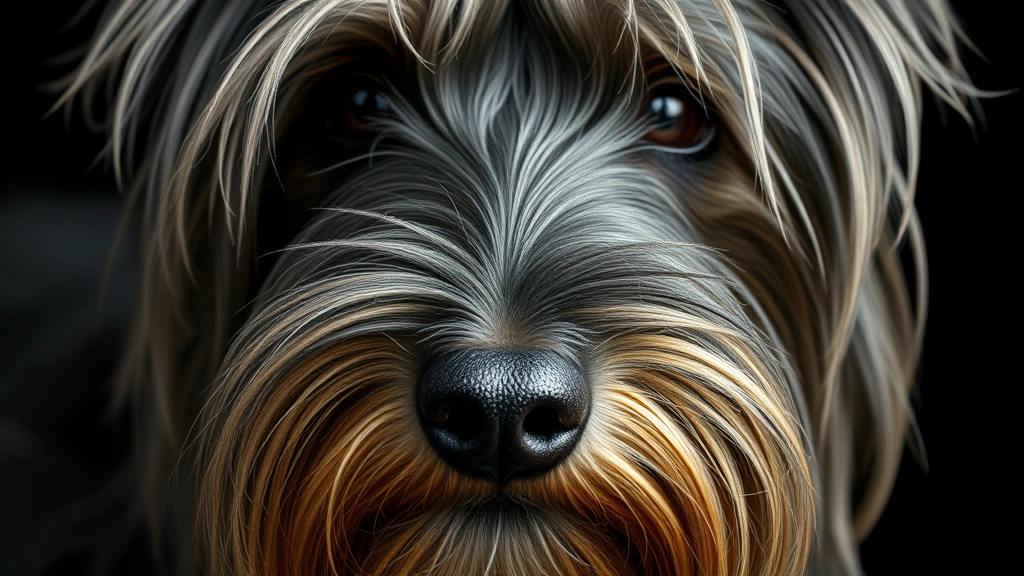
One of the defining characteristics of Skye terrier dog breeds is their stunning double coat. We’re talking silky, straight hair that flows like they just stepped out of a fancy salon—except they probably didn’t, because grooming these guys is basically a second job. The coat comes in various colors including cream, fawn, brindle, and black. Their ears are either pricked (standing up) or drooping, and their tail is feathered and typically carried high. With their long body, short legs, and that luxurious coat, they genuinely look like they’re wearing a fur stole to a fancy dinner party. This distinctive appearance makes them instantly recognizable, even to people who don’t know much about dog breeds.
Temperament: The Stubborn Scottish Soul
Here’s the real talk about Skye terrier personalities: they’re independent thinkers who view your commands as friendly suggestions rather than actual orders. This breed is fiercely loyal to their family but can be aloof with strangers. They’re not the type to greet the mailman with enthusiasm—more like suspicious side-eye and a low growl. Skye terriers are intelligent, but that intelligence often translates to selective hearing. They’ll remember exactly when dinner time is, but somehow forget that “come” command you’ve been practicing for six months. If you’re looking for a dog that hangs on your every word, this isn’t your breed. If you want a dog with character and attitude for days, welcome home.
Training Challenges: Patience Required
Training a Skye terrier requires the patience of a saint and the persistence of a debt collector. These dogs are smart—dangerously smart—which means they’ll figure out how to manipulate you within the first week. They respond best to positive reinforcement and consistency, but they’ll test your boundaries constantly. Socialization from puppyhood is crucial because their natural suspicion of strangers can develop into aggression if not properly managed. The good news? Once they decide you’re worth listening to, they’re surprisingly obedient. The bad news? That decision is entirely theirs. Check out our guide on low shedding dog breeds to compare grooming requirements across similar-sized terriers.

Grooming: Prepare for the Marathon
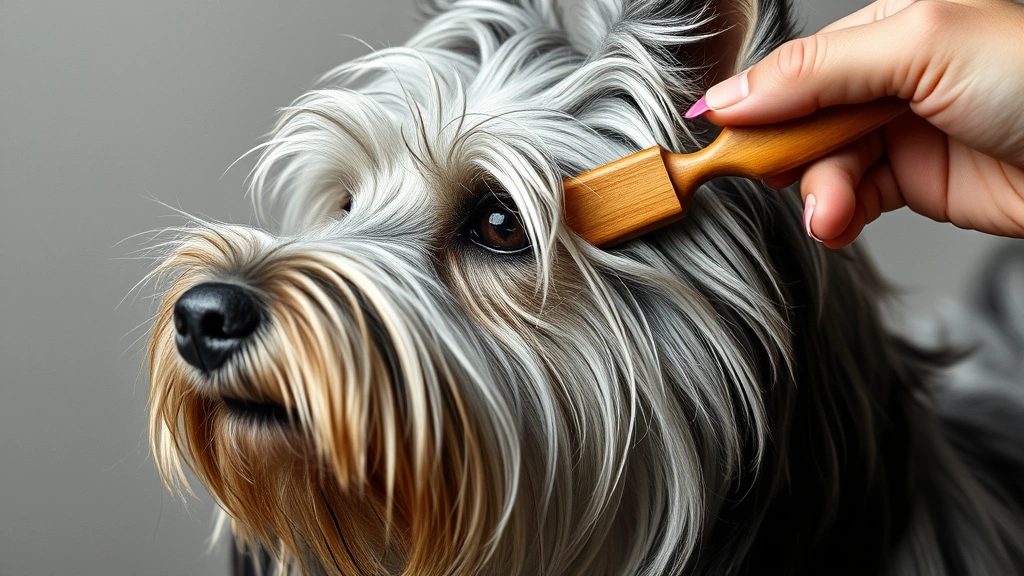
If you think owning a Skye terrier means just brushing them occasionally, I have news for you. That beautiful, flowing coat requires brushing 3-4 times per week minimum, and we’re talking thorough brushing, not just a quick once-over. Mats and tangles are the enemy, and they’ll form faster than you can say “Scottish Highlands.” Many Skye terrier owners opt for professional grooming every 6-8 weeks, which is honestly a wise investment in both your sanity and your dog’s comfort. Their coat naturally sheds year-round, so if you’re sensitive to dog hair, this breed might test your limits. Unlike some low shedding dog breeds, Skye terriers definitely shed, and they shed with purpose.
Health Considerations for Skye Terrier Dog Breeds
Most Skye terriers are relatively healthy, but like all breeds, they’re prone to certain conditions. Patellar luxation (knee issues) is fairly common in small breeds, and Skye terriers can develop eye problems like progressive retinal atrophy. Their long backs make them susceptible to intervertebral disc disease, so avoiding excessive jumping and maintaining a healthy weight is crucial. Hip dysplasia can occur, though it’s less common than in larger breeds. A reputable breeder will screen for these conditions and provide health certifications. According to the American Kennel Club, the breed typically lives 12-14 years when properly cared for. Regular veterinary check-ups and preventive care are essential.
Exercise Needs: Don’t Underestimate the Terrier
Despite their small stature, Skye terriers have moderate to high exercise needs. They’re hunting dogs at heart, so they need daily walks and playtime to burn off that terrier energy. A bored Skye terrier is a destructive Skye terrier—they’ll chew furniture, dig holes in your yard, and generally cause chaos. Aim for at least 30-45 minutes of exercise daily, including walks, play sessions, and mental stimulation. Puzzle toys and scent games appeal to their hunting instincts. They can adapt to apartment living if they get adequate exercise, but they’ll be happiest with a yard where they can explore. Just make sure your fence is secure because these little escape artists will find any gap.
Diet and Nutrition: Fueling Your Terrier
Skye terriers require high-quality dog food appropriate for their size and age. Their tendency toward weight gain means you need to monitor portions carefully—these dogs will absolutely convince you they’re starving even after a full meal. A healthy adult Skye typically needs about 1-1.5 cups of food daily, split into two meals. Many owners find success with lamb dog food options, as these terriers can have sensitive stomachs. According to PetMD, maintaining proper weight is crucial for their spinal health. Avoid feeding table scraps and human food, which can lead to obesity and digestive issues. Fresh water should always be available, and treats should comprise no more than 10% of their daily caloric intake.

Living Arrangements: Apartment or House?
Skye terriers can thrive in apartments or houses, as long as they get adequate exercise and mental stimulation. They’re not excessively barky compared to some terrier breeds, though they will alert you to visitors and unusual sounds. Their size makes them manageable in smaller spaces, and their moderate energy levels mean they’re not bouncing off walls constantly. However, a house with a yard is ideal because it gives them space to explore their hunting instincts safely. If you live in an apartment, be prepared for daily walks and regular trips to the dog park. A comfortable Kuranda dog bed can provide them with a cozy retreat in your living space.
Socialization and Compatibility with Other Pets
Early socialization is absolutely critical for Skye terriers. These dogs have a strong prey drive and can be aggressive toward other small animals, including cats and smaller dogs. They’re territorial and view their home as their kingdom. Introducing them to other pets early and gradually is essential, but even well-socialized Skye terriers may not be ideal for multi-pet households. They generally do better as the sole pet or with one other dog of similar size and temperament. With children, they’re typically good, though their independent nature means they won’t tolerate rough handling. They’re best suited for families with older children who understand boundaries and respect the dog’s space.
Common Behavioral Issues
Skye terriers can develop several behavioral problems if not properly trained and socialized. Aggression toward strangers and other animals is the most common issue, stemming from their protective nature. Some develop excessive barking, though it’s usually purposeful rather than neurotic. Separation anxiety can occur if they’re left alone for extended periods. Destructive chewing is another issue, particularly in bored or anxious dogs. The key to preventing these problems is early training, consistent socialization, and plenty of exercise. If you’re dealing with serious behavioral issues, consulting a professional dog trainer or behaviorist is worth the investment. Unlike some most dangerous dog breeds, Skye terriers’ aggression is usually manageable with proper training, but it requires dedication.
Choosing a Breeder: What to Look For
If you’ve decided a Skye terrier is right for you, finding a reputable breeder is crucial. Look for breeders who are members of the American Kennel Club or breed-specific clubs. They should provide health certifications for both parents, including screening for patellar luxation and eye problems. A good breeder will be happy to answer all your questions, provide references, and let you meet the parents. Avoid backyard breeders and puppy mills at all costs—the long-term health and behavioral issues aren’t worth the money saved. Expect to pay $1,000-$2,500 for a well-bred puppy from a reputable breeder. Adoption is also an option; breed-specific rescue organizations exist and can connect you with adult Skye terriers needing homes.
Cost of Ownership: What You’ll Actually Spend
Owning a Skye terrier involves more than just the initial purchase price. Professional grooming every 6-8 weeks can cost $75-$150 per session, adding up to roughly $600-$1,200 annually. Quality dog food runs $40-$80 monthly. Veterinary care, including annual check-ups, vaccinations, and preventive medications, typically costs $500-$1,000 yearly. Emergency vet visits can be expensive, so pet insurance is worth considering. Toys, treats, and miscellaneous supplies add another $30-$50 monthly. Over a 13-year lifespan, you’re looking at a significant investment. But for those who love this breed, every penny is worth it.
Frequently Asked Questions
Are Skye terriers good family dogs?
Skye terriers can be great family dogs if properly trained and socialized, especially with families that have older children. They’re loyal and affectionate with their families but can be aloof or suspicious with strangers. Their independent nature means they won’t tolerate rough handling, so they’re better suited for families with children who respect boundaries.

How much do Skye terriers shed?
Skye terriers shed year-round, moderately to heavily depending on the season. They’re not hypoallergenic and require regular brushing (3-4 times weekly) to manage shedding and prevent matting. If you’re looking for truly low-shedding options, check our guide on low shedding dog breeds.
What’s the lifespan of a Skye terrier?
Skye terriers typically live 12-14 years with proper care. Some may live into their mid-teens with excellent health management and preventive veterinary care.

Can Skye terriers live in apartments?
Yes, Skye terriers can adapt to apartment living as long as they receive adequate daily exercise and mental stimulation. They’re not excessively barky and their small size makes them manageable in smaller spaces, though a house with a yard is ideal.
Are Skye terriers aggressive?
Skye terriers have a natural protective instinct and can be aggressive toward strangers and other animals if not properly socialized. Early and consistent socialization is crucial to prevent aggression issues. They’re generally good with their family members but require firm, consistent training.

Conclusion: Is a Skye Terrier Right for You?
Skye terrier dog breeds are absolutely wonderful for the right owner—someone who appreciates their independent spirit, is willing to invest in grooming, and can provide consistent training and socialization. They’re not the easiest breed, and they’re definitely not for everyone. But if you want a loyal, spirited, and utterly charming companion with bags of personality, a Skye terrier might be your perfect match. These Scottish treasures will test your patience, steal your heart, and remind you daily why you fell in love with them in the first place. Just be prepared for the grooming commitment, the stubborn streak, and the absolute certainty that they think they run the show—because spoiler alert, they do.





